
An echo is not the original sound.
It is what remains after the voice has stopped speaking – the part that travels outward, strikes something solid and returns.
I used to think of echoes as repetitions. Lately, I’ve been thinking about them as transformations. A voice returns altered by distance, architecture and time. Softer, maybe. Stranger. Sometimes clearer than it was when first spoken.
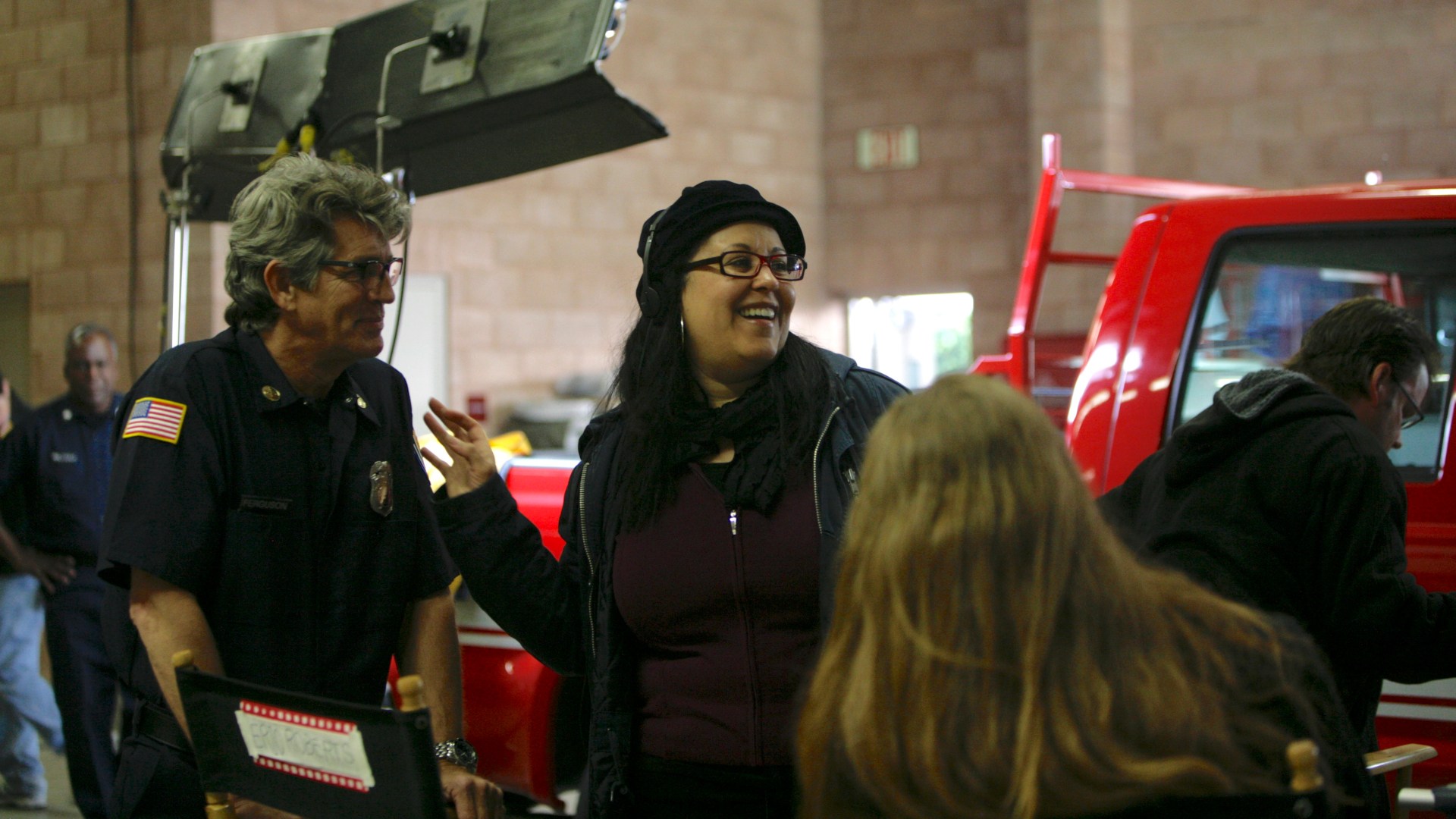
I have been making films about women for years. I didn’t set out with a manifesto. I wasn’t consciously building a body of work around silence or longing or memory. I was simply drawn, again and again, to women standing at peculiar thresholds in their lives: women who wanted something they could not comfortably admit, women whose bodies understood something before their minds did, women carrying experiences they had learned to live around.
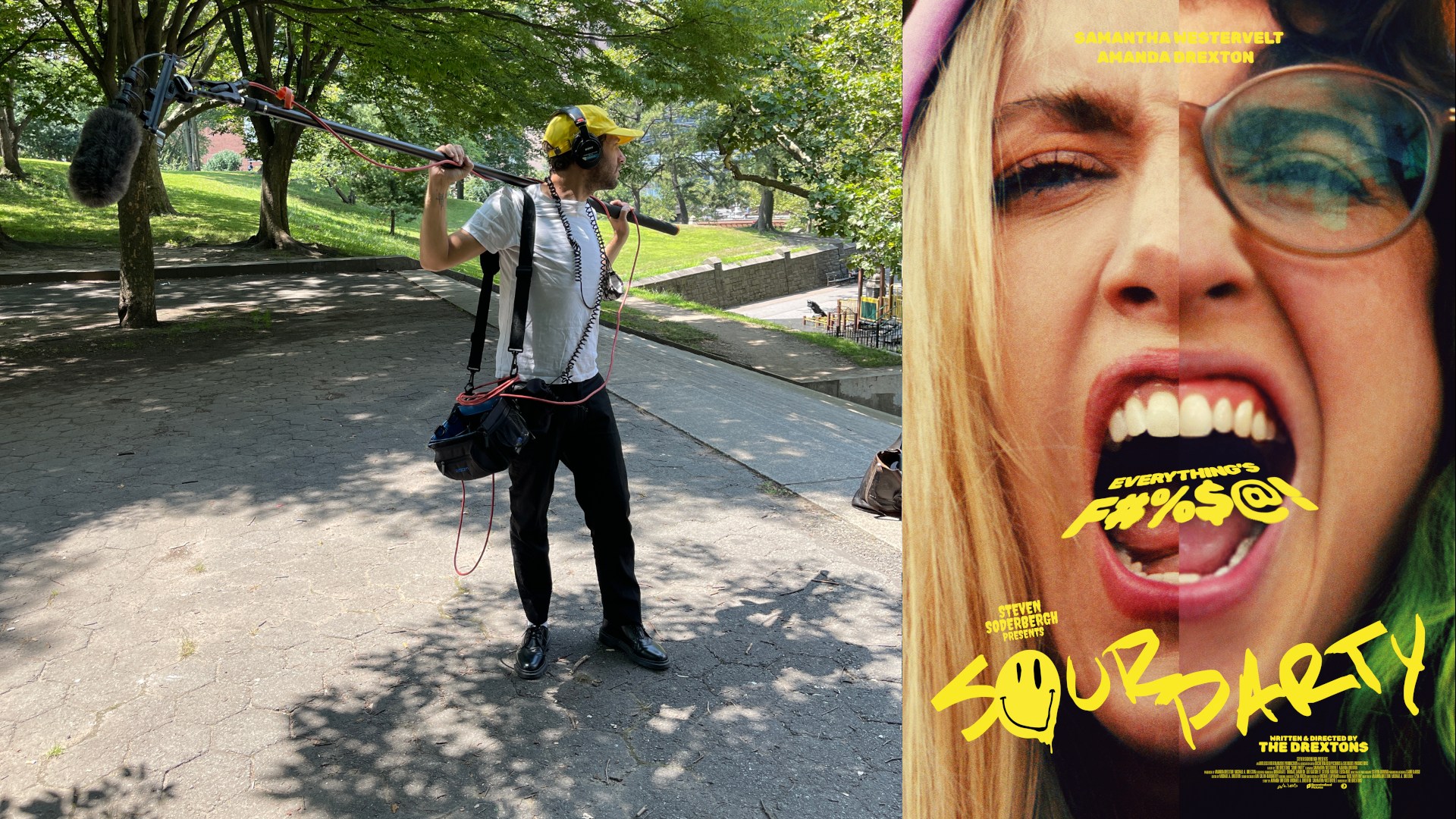
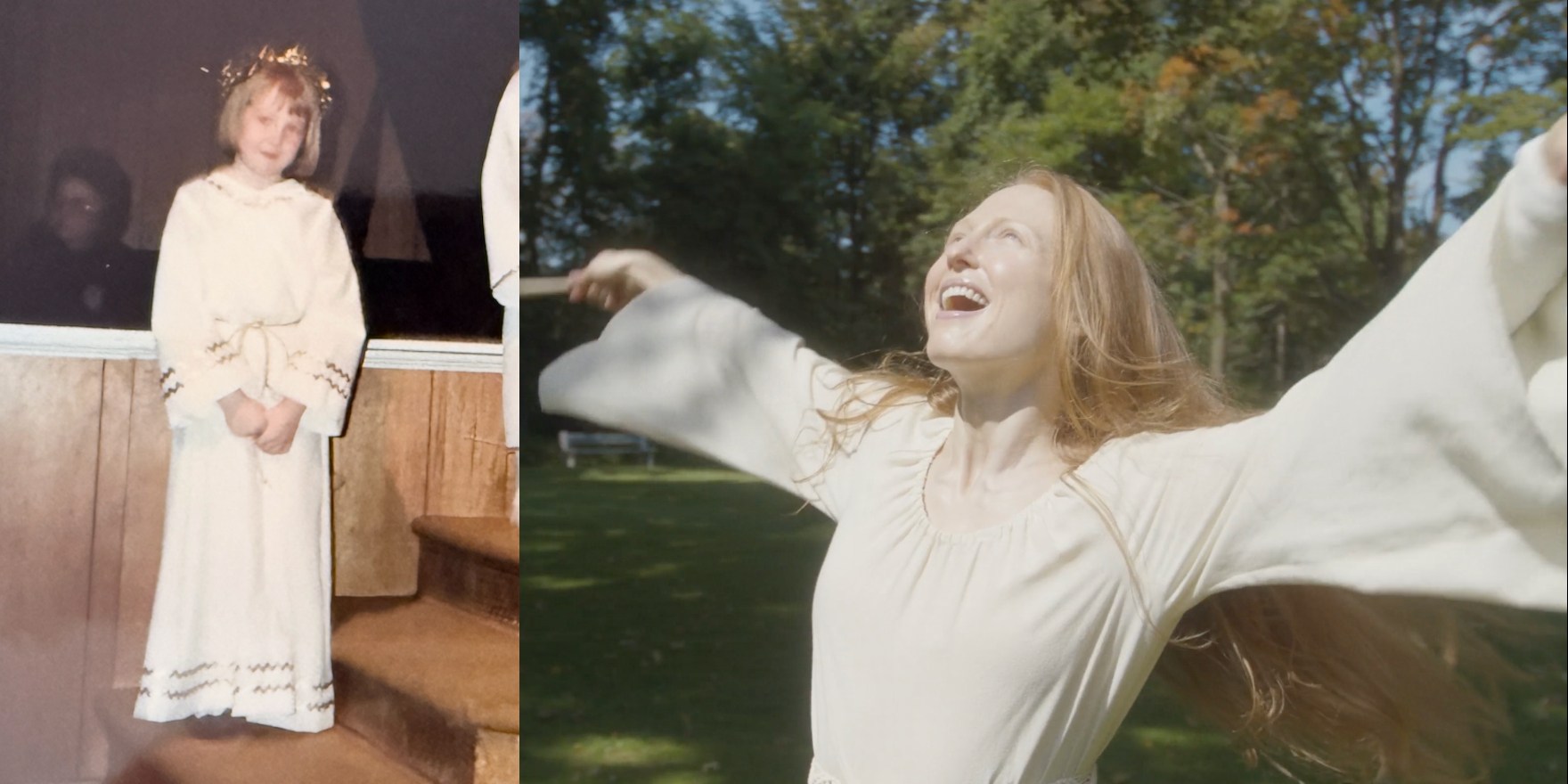
I made the four films that eventually became Echoes: Four Stories of Becoming at different moments in my own life. They were not conceived as an anthology. Each began as its own world, with its own woman and its own particular trouble.
Only later, when I brought them together, did I recognize that they had been talking to one another all along.
They were echoes.
And, somewhat unnervingly, they were echoes of me.
One woman disappears into fantasy when her marriage leaves her feeling unseen. Another encounters a version of the woman she might become. An ambitious student goes on a date that takes a turn she could not have anticipated. A veteran comes home from war only to discover that some part of the war has come home with her.
On the surface, their lives have very little in common.
But when I placed the films beside one another, I began to see the same question moving through all four:
What happens when the person you have learned to be can no longer contain the person you are becoming?
I don’t think I understood, when I was making the individual films, how interested I was in that question.
Perhaps artists rarely do.
We tell ourselves we are inventing characters. We give them names and histories and wardrobes. We decide what they want, what they fear and what they will do when someone prevents them from getting what they want.
Meanwhile, somewhere underneath all that craft, we may be asking the same question over and over again.
I have come to believe that our work sometimes knows what preoccupies us before we do.
The past works that way, too.
We are encouraged to think of our lives as a forward-moving enterprise. Something difficult happens. We survive it. We process it. We move on.
I have never found human beings to be quite that orderly.
We circle.
We remember.
A sentence someone said 10 years ago suddenly appears while we are brushing our teeth.
A relationship we believed we had understood looks completely different from the other side of it.
We discover that the thing we called patience was sometimes fear. That what we described as loyalty occasionally required us to disappear. That strength and silence do not always go together, although many women are taught to see them that way.
The past rarely agrees to remain politely in the past.
It echoes.
This became especially interesting to me when I looked at the women in these four films. They do not begin their stories with perfect language for what is happening to them.
Most of us don’t.
Realization often arrives before vocabulary.
The body understands something first.
We become restless. We withdraw. We fantasize. We get angry at entirely the wrong person. We cannot sleep. We want something we cannot explain. We feel ourselves pressing against the edges of a life that looked perfectly acceptable from the outside.
Later, we may be able to tell a coherent story about what happened.
While we are living it, transformation rarely feels coherent.
It feels like confusion.
It feels like grief.
Sometimes it feels like failure.
That interests me, because popular storytelling often announces transformation much more clearly. A woman leaves her bad marriage. She confronts the person who hurt her. She finds her voice. Music swells. We understand that she has changed.
But some of the most consequential transformations I have witnessed – in women I know, and also in myself – are almost invisible from across the room.
A woman believes her own perception.
She stops explaining away something that hurts.
She admits that she wants more.
She realizes she is lonely.
She recognizes that endurance, which may once have saved her, is no longer the same thing as living.
Nothing explodes. And yet the architecture of her life has shifted.
I find that moment much more interesting than the victory lap.
Maybe because becoming is not always beautiful while it is happening.
We tend to talk about becoming as an act of addition. We become more accomplished, more confident, more enlightened, more ourselves.
But I think becoming often requires subtraction.
We lose explanations. We lose illusions. We lose identities we worked hard to construct.
Sometimes we lose people.
There is a peculiar grief in discovering that a version of yourself that carried you through one chapter cannot accompany you into the next.
And there is an even stranger experience that can follow: realizing that what felt like collapse may actually have been an opening.
I did not understand all of this when I made the first of these films. I understand more of it now.
That is one of the gifts – and discomforts – of looking back at your own work. You can see the person who made it.
Not simply her skill or her mistakes, but her preoccupations. The questions she was asking without knowing she was asking them. The things she could almost say.
There are moments in these films that mean something different to me now than they did when I directed them. I see silence differently. I see longing differently. I have more respect for desire than I once did.
Women are often taught to be suspicious of longing. Longing can sound ungrateful. Why can’t you be happy with what you have?
Why isn’t this enough?
There are good reasons to cultivate gratitude, of course. But gratitude and longing are not opposites. Sometimes longing is information.
It tells us where the distance is between the life we inhabit and the life we imagine. It tells us that something inside us is still alive.
Desire does something similarly inconvenient. It disturbs arrangements.
It can expose the gap between what we have agreed to want and what actually awakens us.
That does not mean desire is always wise. It can lead us toward freedom or straight into disaster. But it is rarely meaningless.
I think that is partly why women’s desire remains so interesting to me as a filmmaker. Desire is unruly. It makes a poor supporting character. Once admitted, it tends to rearrange the story.
Memory is unruly, too.
Memory edits. It repeats certain scenes and loses others entirely. It can protect us from an experience until we are able to return to it with different eyes.
The memory that once proved, beyond doubt, that we had failed may look years later like evidence of how hard we were trying to survive.
Time changes the meaning without changing the event. That, too, is an echo.
When I finally assembled these four films into Echoes, I thought I was giving a title to an anthology.
Instead, the title began explaining the films back to me.
The woman escaping into fantasy, the woman encountering another version of herself, the young woman whose expectations of an evening are violently disrupted, the soldier carrying the invisible residue of war – they are each living with something that continues to reverberate after the apparent event has ended.
But they are not simply haunted by what came before. They are also being called forward.
That distinction matters to me.
An echo comes from behind us, but we hear it in the present. We decide what it means now.
Perhaps that is what becoming is: not escaping the person we were, but finally being able to hear her accurately.
The frightened version.
The desirous version.
The woman who stayed too long.
The woman who left.
The one who knew and pretended not to know.
The one who survived by becoming someone very specific and eventually discovered that she was permitted to become someone else.
As a filmmaker, I once thought my job was to understand my characters before I could tell their stories. I’m less certain of that now.
Sometimes I think we create characters precisely because we do not yet understand something.
We send them into the dark ahead of us. We watch what they reach for. We watch what they endure. We watch the moment when something they have buried refuses to remain buried.
And years later, if we are fortunate, they return with information.
The films have done that for me. They returned.
And when I listened to them together, they sounded different from when I first made them.
Maybe I did, too.
That may be the thing I understand now about echoes.
The sound does not have to change. The listener does.