A few years ago, I had the epiphany that I had been living in a purgatory of wan ‘60s reenactment. Or perhaps that was something I told myself so my diminished relevance as a wan ‘60s reenactor was less acutely devastating. I felt estranged from my lifelong, monomaniacal obsession: Beatle music made with electric guitars. Men singing three-part vocal harmonies made me sick. The contour of a violin bass could inspire bismuth-resistant diarrhea. I didn’t want to hear Beatle music; I didn’t want to make Beatle music. I relinquished my adolescent fantasy of becoming a Beatle.
I became obsessed with Judee Sill, partially because she made music that sounded like nothing I could make and partially because I identified with the fact that her creativity and credulity were exploited by the music industry. Sill’s catalog — her two official studio albums, her posthumous record, compilations of her live performances, all of it — consoled and consumed me. I didn’t want to make music that sounded like Judee Sill, but Judee Sill convinced me to keep making music.
I was cursorily familiar with Sill’s biography, but I did not fully appreciate the fact that she was an unrepentant megalomaniac who did and said whatever the fuck she wanted until I watched the documentary Lost Angel: The Genius of Judee Sill, a film that inflicts melancholy tantamount to staring at a telephone pole covered in missing cat flyers for one hour and 31 minutes.
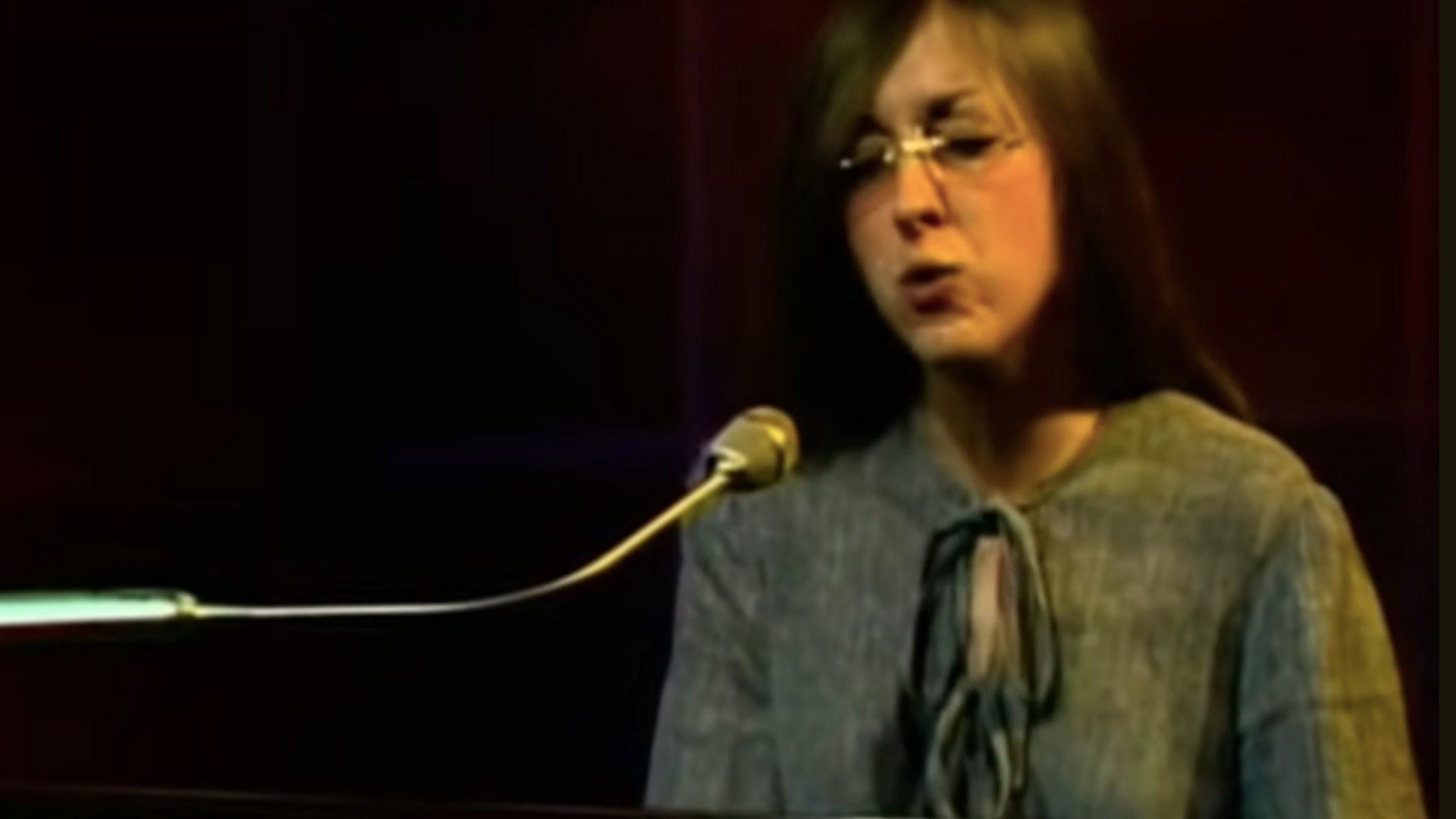
Sill’s album covers evoke a decidedly gnostic chastity; the poster for Lost Angel features Sill’s plaintive profile alongside childlike illustrations lifted from her diaries. In an Old Grey Whistle Test retrospective, Bob Harris remembers Judee Sill “looking every bit the librarian,” likely because she was a woman with glasses and some librarians also happen to be women with glasses. To idiots, this was Judee Sill.
Unlike the Big Star documentary — which conservatively glosses over anything that could potentially offend the sensitivities of the Boxset Industrial Complex — Lost Angel never qualifies itself or commits the cardinal sin of pharisaical, cultural germ reduction. It portrays Sill as everything she was and ought to be remembered as — a covalent bond of grace and depravity. Erudite, delicate, an unparalleled melodicist; a sex worker, a reformed armed robber, an unparalleled shit-talker. Dead at 35. And the fact that most of the film’s talking heads are people Sill likely died despising is testament to her undeniable genius: a rogues’ gallery of Laurel Canyon goofballs including the lover who spurned her and inspired one of the greatest songs of the 20th century (“Jesus Was a Crossmaker”), the rock bands who brought her on tour and wrote some of the corniest songs of the 20th century, and, of course, her former mentor and original champion David Geffen.
Sill’s failure was, in a sense, inevitable. She was a victim of circumstance, and a born loser begets a loser’s history. She suffered abuse at the hands of an unhinged stepparent as a young child and developed an incapacitating addiction to hard drugs while she was technically still a teenager. As a recording artist, Sill was perpetually at the precipice of stardom but her self-sabotaging disposition and complete refusal to conform prevented her from achieving meaningful mainstream success while she was alive.
Sill’s self-titled debut was critically acclaimed and sold poorly by 1970s major label standards. Her second album Heart Food was, in many ways, even better yet sold less. She openly hated rock bands and their fans, she hated the support act grind, she said she’d rather stick a knife in her heart than walk out on stage and lie about enjoying herself. In other words, she hated the things all artists hate but are too afraid to vocalize.
The music industry was and is obsessed with public-facing temperance and its power brokers have a vested interest in the cultivation of illusory intimacy between listener and artist. You must pretend that you’re thrilled to be playing Minot, North Dakota on a Tuesday. You must act like you love the objectively terrible band you’re supporting.
It is unlikely the world would have heard Judee Sill if not for David Geffen. He is, after all, the wealthiest man in show business. But the forces that prop up artists also discreetly destroy them, like teratogenic particulates hanging around after a Disneyland fireworks display. According to one technically unfalsifiable account that critics, hagiographers, and men on message boards get a little thrill from recounting, Sill said some especially heinous things about Geffen on-stage in England, leading — or at least contributing — to an industry-wide interdiction. Sill’s depression worsened, and injuries she sustained from a series of automotive accidents and a romantic partner’s physical abuse accelerated her hard drug use. She started working on new recordings at Michael Nesmith’s studio with Emitt Rhodes engineering, a stellar collection of material that would officially surface in 2005 under the title Dreams Come True – Hi, I Love You Right Heartily Here: New Songs, but no label would bite. Judee Sill was seemingly beyond redemption.
A Dazed article from July titled “Being earnest doesn’t make you an interesting artist” suggests there’s a perfumed bullshit crisis affecting everything from the contemporary pop music landscape to Substack pap. It’s a great piece that probably doesn’t go far enough. This ersatz authenticity blight has resulted in a severe, borderline fascist irony deficit. Everyone’s critical thinking skills atrophied overnight; everyone suddenly possesses the moral intelligence of a liminally pubescent Marvel fan.
More pertinent, though, is the fact that “earnestness” is incredibly dubious whenever it is socially extolled or economically rewarded. That’s something else — a hyper-manicured, dully benevolent PR construction. Commercial viability is usually, though not always, inversely proportional to wholly honest self-expression. That stuff is scary and unpalatable. It talks back and bites the feeding hand. Judee Sill openly detested the music industry and was punished for it yet continued making music anyway. She knew her emotional volatility was alienating and unsalable, and so she dialed it up. In her songs, she espoused the sanctity of universal love and forgiveness; in life, she was a venerable wrecking ball who couldn’t shake a grudge. The world couldn’t handle a woman on fire, and it probably still can’t.