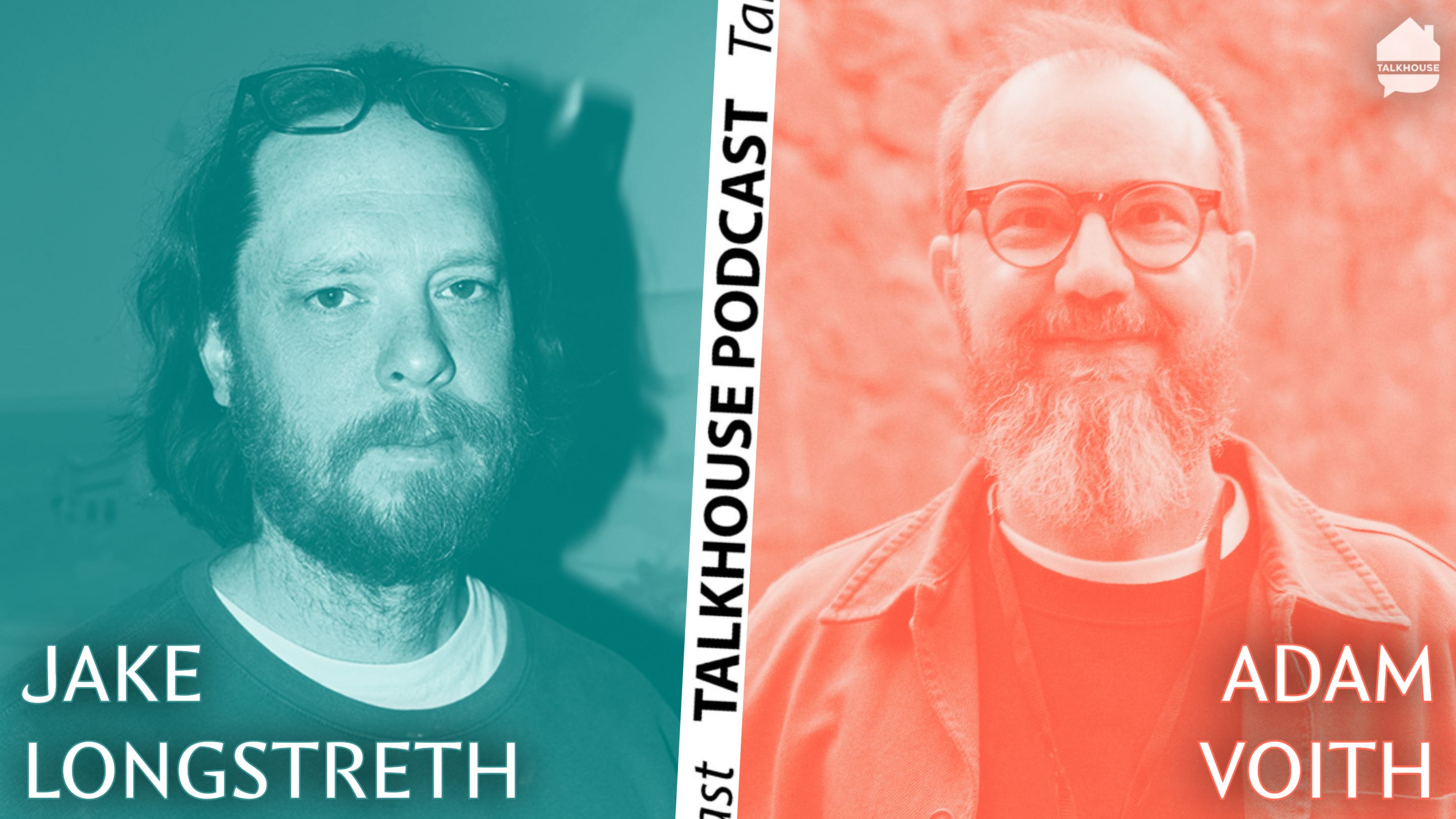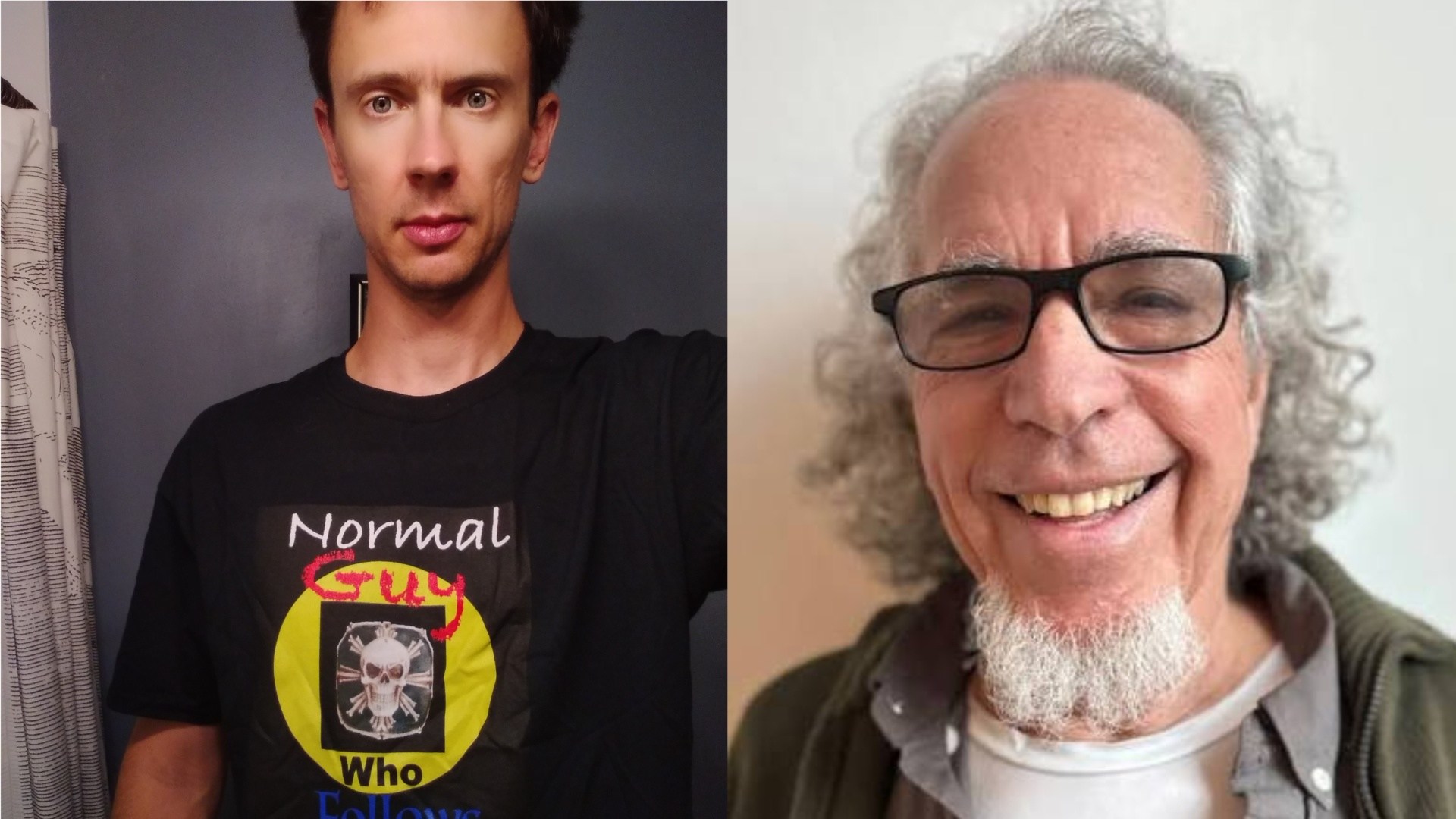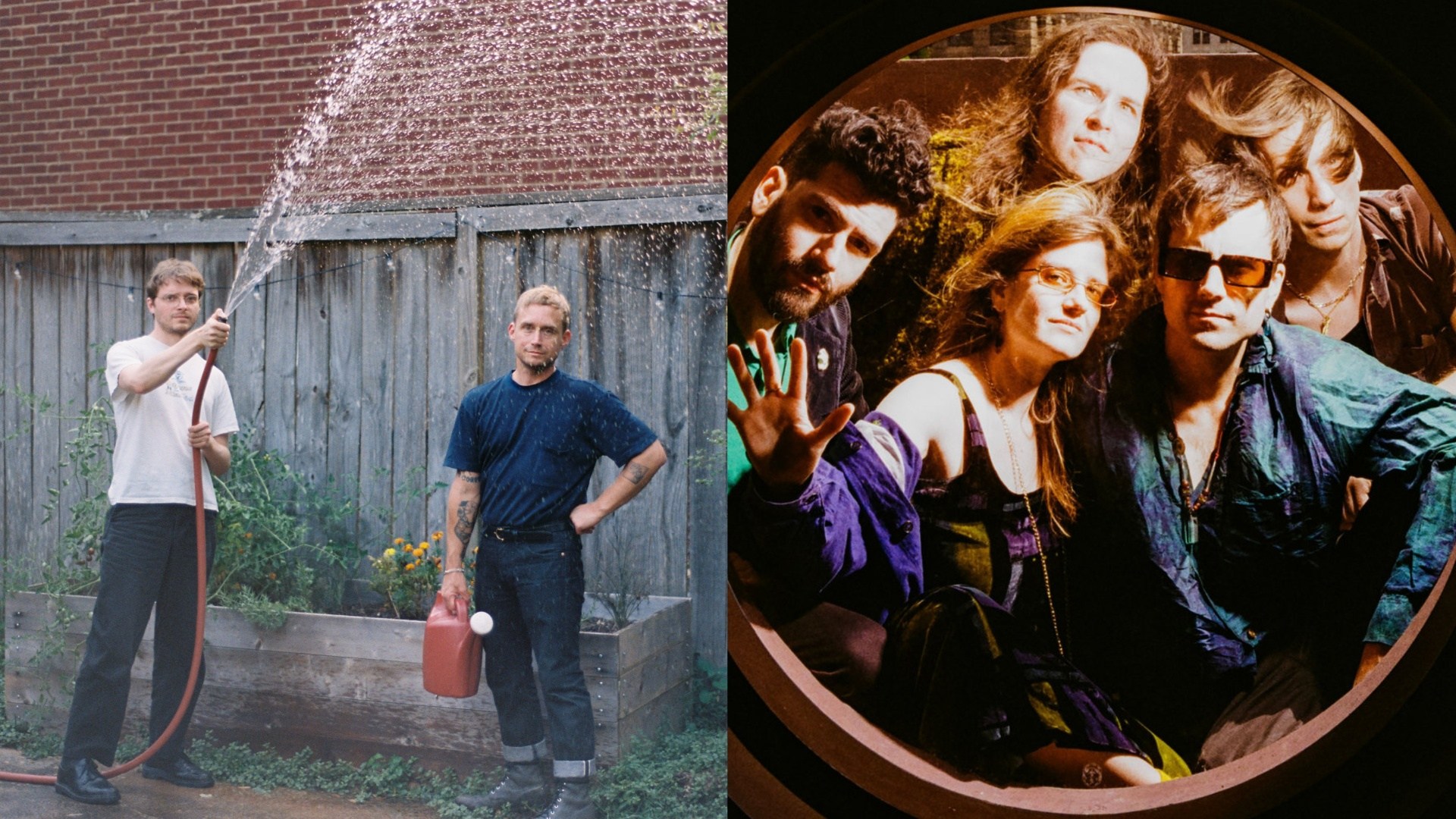
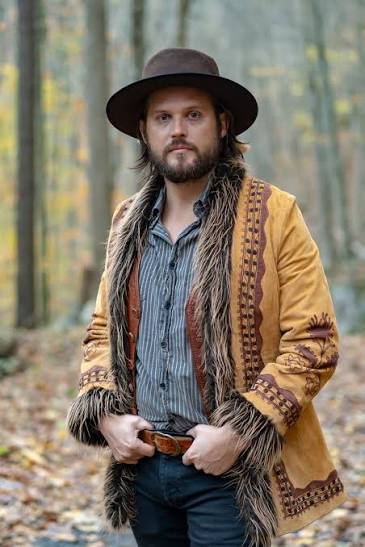
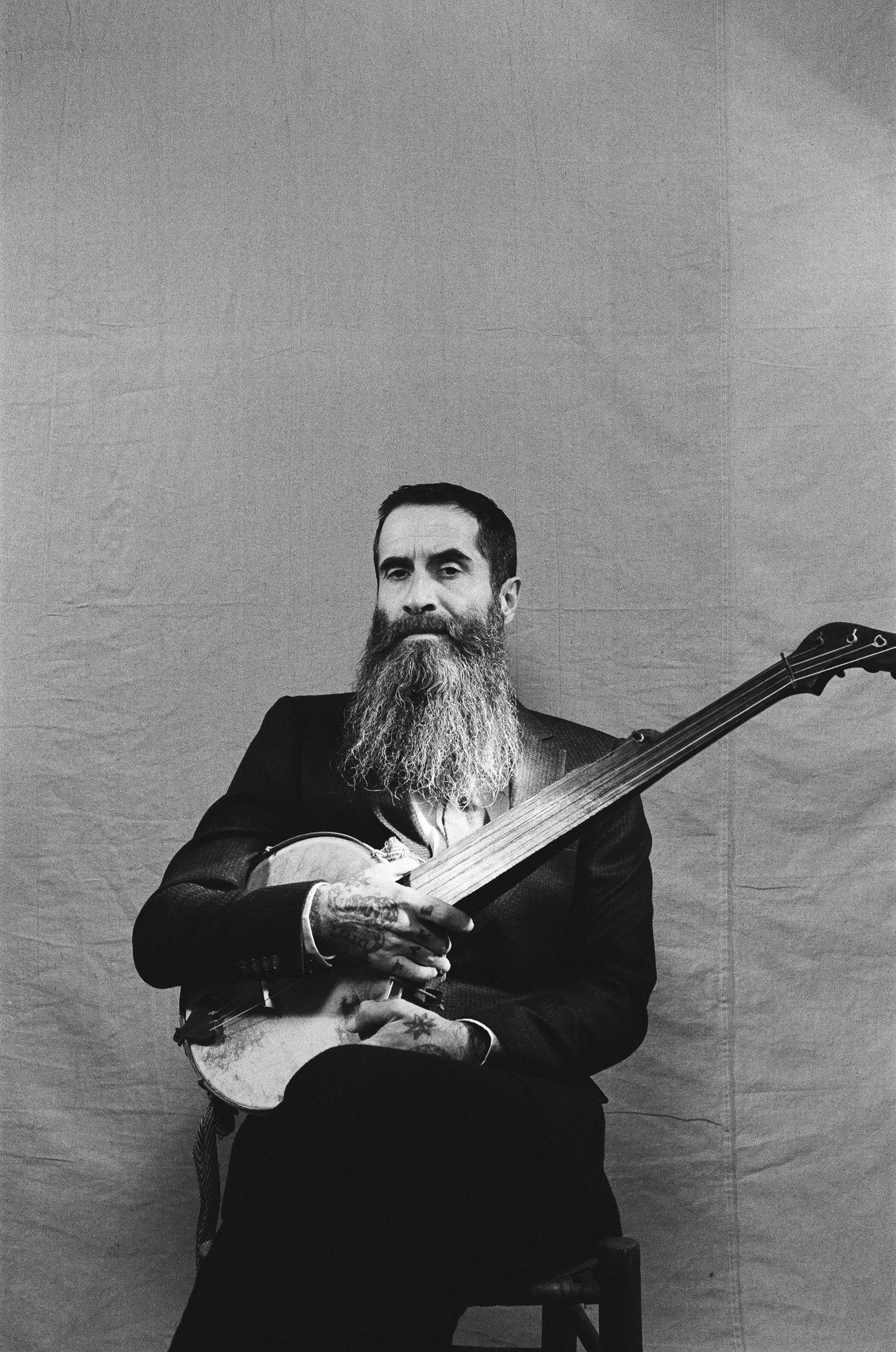
JP Harris is a singer-songwriter and multi-instrumentalist based in Nashville; Chance McCoy is a musician, producer, and composer who plays in the band Old Crow Medicine Show. Chance produced Shaving A Dead Man, the new record from JP’s project JP Harris’s Dreadful Wind & Rain, which came out last month on Bloodshot Records. To celebrate, the friends and collaborators caught up about how their backgrounds in old time music have shaped their work.
— Annie Fell, Editor-in-chief, Talkhouse Music
JP Harris: In modern Americana and country music, I believe that people with an Appalachian and early recorded American folk music background bring something different and sort of intangible to the sonic table. Our backgrounds and deep nerdy knowledge about Appalachian music translates into more modern forms of Americana, and there's the imbuing of certain styles or approaches…
Chance McCoy: Yeah, it's kind of like you are what you eat.
JP: And even though we sometimes are recording old time music, ofttimes we've been involved in all these other projects that to the layperson are not directly correlated between old time and classic country or fucking indie Americana or songwriter music, but the sensibilities we've acquired from this deep knowledge and obsession and immersion in old time and early American music — you can only bring these certain things to the table if you understand where all of this began. Because it has to do with the understanding of how each different era of American folk music, starting around the Civil War and forward, was influencing American music as it evolved over the years.
Chance: And I feel like that's something that's imbued into you as an old time musician, this kind of scholarly, musicologist, folklorist approach. You have to be on that side of things to even get into the old time music and that set of skills. Like, I remember when Matt Combs was starting to work with Dan Auerbach, doing his rock & roll thing, working at his studio, and he kind of took his same approach that he had used for old time music and bluegrass and used that to learn rock & roll. He learned all the classic rock & roll stuff and used that whole entire thing.
I was thinking about when I went and worked for Yelawolf—
JP: You were trying to bring that old time to some Yelawolf.
Chance: And we did! Hit song for him because it had old time fiddle and banjo.
JP: Exactly. And again, you can't take some Suzuki method, kid — no offense to anyone that's a Suzuki kid — we need you, too — but I think that we're coming at it from a totally different place than a lot of the people out on the music scene making and releasing records in the country Americana broad umbrella of genre. And this is not to discount their musical knowledge, but there's a lot of people who are more familiar with what we would consider pop music of yesteryear. They're more influenced by the Beatles and Leon Russell.
Chance: Yeah, like a deep cut for them is the Smiths.
JP: Exactly. And maybe it goes even further back — maybe they know some Peter, Paul and Mary or they know Elvis hits. But when you really go back to the early days of popular music recording — obviously this started back in the ‘20s, but the recording industry that we know today began kind of in the mid-to-late ‘50s and the early ‘60s. Technology had caught up: people owning home stereos and record players and radio sets.
Chance: I've been listening to the Memphis Jug Band a lot lately, and obviously a lot of what Old Crow does is influenced by them. They lifted a lot of their material from Memphis Jug Band. But looking at them and what their musical history was, they were basically live performers, and the fact that they had a recording contract and did records didn't change anything about their career.
JP: No, not at all. It was a way to make a little extra side scratch. And again, we both know about the history of radio and recording. Yes, it did launch some careers. But at the end of the day, all those early wax cylinder and field recorded people were getting paid a flat five bucks by some dude who rolled into town and set up a portable recording set up in 1928 and put up a hand-painted wooden sign on the corner that said, “Looking for hillbilly musicians, come here Saturday.” And he'd be like, “Here's five bucks. I own the record now.” And then those people were taking those records in this new budding radio broadcast industry. The records are what got people to the airwaves, to the listeners, but it was all propped up for selling products. WSM started as a thinly veiled way to sell National Shield life insurance.
Chance: Yeah, the call sign for that radio [station] is WSM, which is means “we shield millions.”
JP: Exactly. Anyways, fast forwarding and coming back around to this topic we're talking about: you take a lot of our generation and folks a little younger than us — we're both in our 40s — they know what we would think of as the modern greats of today's yesteryear, like Merle Haggard, George Jones, Johnny Paycheck—
Chance: Waylon Jennings.
JP: Waylon Jennings, and even some of the blues artists. But then you think about what those people grew up on and what influenced them, and some of the most radical change in American hillbilly music — and I'm using the term “hillbilly” to describe everything from Black jug band and blues music all the way to white hillbilly, bluegrass, country.
Chance: String bands.
JP: It's all old time American music across the whole spectrum. But all of those folks, from blues artists like Howlin’ Wolf who started playing when the blues was bottleneck acoustic guitar only, no microphones, no nothing, and another artist like Waylon — they started when the sound was really different and then they radically changed it. Howlin’ Wolf was using distortion pedals and Bo Diddley was playing these crazy ass electric custom guitars and big amps. That stuff basically, for all intents and purposes, didn't even exist when they started. And what they were being influenced by was really different. So you get a lot of modern musicians today who go back and they're like, “I'm really influenced by Waylon, man…” But Waylon grew up hearing Appalachian fiddle tunes. And you find those little nods — like there was Merle Haggard record that I found years ago, that I've never seen anywhere else, called [A Tribute] to the Best Damn Fiddle Player in the World, and it's an entire Bob Wills record.
Chance: Yeah. I think there's a really good example of this with bluegrass music. My son Edwin, he's now becoming a bluegrass fiddler, and I think what's cool about that is that he grew up with old time music, which is exactly how Kenny Baker did it. His dad was an old time fiddler.
JP: Earl Scruggs grew up on old time music.
Chance: The greatest bluegrass fiddler of all time didn't play bluegrass; he played old time and then got into it later on as an evolution. Same with Bill Monroe, the father of bluegrass. The guy who invented this whole modern genre grew up listening to Uncle Pen, you know? That informed the music. Nowadays when people learn bluegrass, they're like, “I'm going to go back to the source of Bill Monroe.” It's like, you need to go back one more layer of the onion.
JP: Exactly. And that's what I think differentiates the approaches that folks like you and I from this old time background have from folks who go back to an era that ends in the early 20th century. What I find interesting even is that there's a there's a pile of clues — in the film industry, they call it “Easter eggs,” things that get hidden in scenes that are meant to eventually be found by the curious onlooker. “Waymore's Blues,” the iconic Waylon Jennings song, he's got that verse, “‘Round the bend come a passenger train/Heard somebody yodel and a hobo moan/Jimmie, he's dead, he's been a long time gone” — that's a reference to Jimmie Rodgers. It's not just some random cool sounding line he came up with. And then in the bluegrass world, you've got the tune “Uncle Pen,” which ends with — what's the fiddle tune?
Chance: “Jenny Lind.”
JP: He name drops the tune explicitly in one of the verses, and then they take the whole song out with an old time fiddle tune. The Easter eggs are all there in what we think of as the greats of yesteryear that influence our generation in a lot of ways. The leads to go deeper exist there.
Chase: Yeah, and you can do that even more now than you've ever had access through the web. Which was totally different than how we grew up.
JP: Just before this interview, I was rooting through my closet and I'm like, “Oh, dude, I forgot this giant case of tapes up here.” I've got Berea College Archive field recordings that never made it past the cassette era — no one's ever digitized them. We used to have to find obscure new old stock cassettes and LPs and CDs from these tiny, obscure little label imprints from the ‘70s and ‘80s.
Chase: A big part of being an old time musician was—
JP: The hunt.
Chase: Yeah. Somebody would come with a really great tune and they would have the edge because of their repertoire, because they found some hidden recording that nobody else had discovered.
JP: Exactly. And it's wild — I mean, who knows how much has been lost since before field recording became a prominent technology in the ‘20s and ‘30s — but to think even within the last 100 years, how many things have just never been archived or digitized? How many things are sitting in the basement of the Smithsonian, how many Ampex reel-to-reel tapes that no one has played in 70 years are in the Berea College basement archives? There's things that, because they've gone out of print, the master tapes or the original files are sitting there somewhere. It's wild to think that the rediscovery of so much music is still possible, even in this modern era of everything everywhere all at once kind.
Chance: Yeah, “We know everything. It's all been categorized. Surely the Smithsonian's digitized everything.”
JP: Totally. But no, they haven't ever had enough money or volunteers to get that done.
Chance: The Berea archives are incredible. I was looking in there recently for when Bruce Greene interviewed John Salyer’s children, and they talk all about their dad and their history… At some point somebody got a grant and a student at Berea went in there and digitized those cassette tapes and saved them from degradation, but they never put in any metadata. It's just like, “Bruce Greene Cassette 7.” There's no detailed information in there. So even the stuff that they have saved, you have to be a real sleuth to go in there. You have to spend some serious time listening. That's one of my nighttime activities. That's how hardcore I am — I'm gonna go to bed with my headphones on and listen to, like, three field recordings just to find out if they ever talk about this one incident with Ed Haley.
JP: Totally. You can't get into old time music without this sort of treasure hunter personality trait. I've never met anyone who's into old time music who doesn't want to always be digging into the obscure and the forgotten. What's also interesting about that in parallel is how, of so many musics — sure there's a lot of recordings of old time music. There's millions at least, or hundreds of thousands of different recordings.
Chance: So many we don't know the number.
JP: But it is still underground American folk music. Like, truly. Yeah, sure, people know what banjos are, but people don't even realize that the ding-dong hipster with his suspenders and the pick playing banjo on stage is not playing old time banjo. He's just going, rinka-tinka, rinka-tinka, rinka-tinka. It's not the same thing. So old time music has always, by nature, retained this underground cultural phenomenon. And because of that, there is still such an oral history element to it, even with the proliferation of the old time community online. Still by nature, it's communal music. It involves your participation in a larger group of multiple different types of instrumentalists for it to be any fun. I mean, if you really want to sit around and jag off by yourself with a banjo or just play fiddle tunes alone all day, cool. But the real joy, the thing that cements your connection to old time music, a spiritual part of your being is to do it with other people.
Chance: In our Western culture, it might be one of the only traditions left that goes back to tribal days, tens of thousands of years. We have very few things left in our society that can be traced back, and these jams and this tradition of old time music and the communal aspect of it, I would say has been a tribal activity.
JP: Totally. And I think another interesting thing is that it's one of the only kinds of music that hasn't been stratified as it survived into the late 20th and early 21st centuries in the way that—
Chance: Jimi Hendrix and the blues.
JP: Yeah. Things have been sort of commodified. And, I mean, I find it comical now with enough years out on the big playground of the music business compared to the little playground of the Old Time Fiddlers Convention where, of course, there's still petty hierarchy and competition between people. But generally speaking, you take the macro view of the old time community and it requires everyone to participate. It's fun to just sit and jam with four or five of your friends, but it's more fun playing a square dance. Sure, there might be the hot shit fiddler or the super killer guitar banjo player person. But in old time music, you learn your place and you learn that everyone's place is equally important. No one's stepping out in front and taking a solo. And that's where that fork in the road between performing music and communal folk music, that's where the split started and is when music became less about community entertainment and social gathering and became something that could be commodified. And then also, again, this sort of hierarchy and stratification of the importance and celebrity of different people became associated with it, and now we have the music industry…
Chance: I played the Opry last night and I think Rhett Akins was being inducted. I don't know who that is, some country guy. But of course, backstage at the Opry, they have all these incredible photos hung up on the wall, and one of my favorite activities is just to walk and look at all these amazing photos and stop and really think about them. There's this one photo of the very first person who started the Grand Ole Opry, and that's Uncle Jimmy Thompson, who was an 80 year old, old time fiddler from Tennessee that they got on WSM. He played an old time fiddle tune, and then lo and behold, they had people calling in saying, “We want to hear that again.” Which was quite a surprise because at that point they were playing opera and light pops.
JP: Yeah, Nashville was very much a classical music hub at that point in the century.
Chance: They wanted to be cultured. They wanted to be the Athens of the South. It wasn't all about this rural culture like it is now. But seeing that thing of Uncle Jimmy Thompson there and thinking, OK, this guy was 80 years old — he was born in the 1800s, probably right before the Civil War, and here he is playing a few scratchy fiddle tunes and that ignites the Grand Ole Opry, which is one of the main catalysts of commercial country moving forward. And then I also thought, I don't think anybody else knows who this old man is in this photo.
JP: “Do any of you dinguses with your glossy 8x10 press photos on the wall have any clue where this even started from?”
Chance: [Laughs.] And there's a guy out there on the stage and he's crying like, “Man, I just always want to play the Opry, man, I can't believe I'm here right now.” It's become such an institution that who even knows what the history. But when you walk into the Opry backstage, they used to have this giant photograph of Roy Acuff, and I thought — even though Roy Acuff is more modern — probably people don't even know who this guy is.
JP: Exactly. And if we're doing a little bit of shit-talking here real quick: if I were to walk into fill-in-the-blank ultra hip revival classic country bar music joint here in Nashville, or walk into a sparkle-jeans-flat-brim-hat Music Row bar with a band playing and talk to all the musicians, at either end of the spectrum — whether they're the hipster throwback, “I sound like Waylon, I sound like Loretta,” or the sparkly pop autotune dingle-dongles over there — if I said, [sings,] “Who did you say it was, brother? Who was it fell by the way?” — I could probably sing all the way through the chorus of that, and no one would go, “‘Wreck on the Highway,’ Roy Acuff.”
Chance: Yeah, which was one of his biggest hits. That was a mega song.
JP: Huge song, man. But that's all just to say — again, patting ourselves on the back just a little bit — that there is value.
Chance: There's value for us specifically in this, but I think that the reason to bring attention to it is because it is an obscure tradition, and there is value in it and it does inform what you do moving forward.
JP: Totally. The impetus for this interview in the first place is, “JP Harris and Chance McCoy put out an old time record” — it's kind of a funny novelty. But it is also beautiful that you and I are people who've pursued careers outside of the old time music community that has given us now this platform and this accessibility to people who have never met an old time fiddler, they've never been to an old time jam or a square dance or a fiddlers convention for that matter. A lot of people don't even know that that world really does exist. But you and I have gone out connected with all these people that love traditionally-influenced American music, but a lot of which are not at all versed in this old time tradition. And by making old time music… it's now making it accessible to a bunch of people who don't know where to find it, and never learned anything about it or know much about it.
Chance: Yeah. You kind of realize that it is really hard to discover this music. It's really hard to get into it if you're going to be listening to field recordings — it's really hard to listen to a field recording in the car.
JP: I mean, hell, it's hard to listen to ‘em in a quiet room on a nice stereo sometimes, and appreciate ‘em, unless you've been 23 years old at a fiddler's convention and you hear Bruce Molsky play a version live that's been tightened up and you're sitting eight feet from a fiddle playing the tune. And then you go back and hear some scratchy, warbly, pitchy field recording and it holds new significance after you've experienced it live. So even that element of it, I think having access to the recordings of this stuff alone isn't all the numbers of the password that gets you into the secret door to old time underworld. It's experiencing it firsthand.
But I think that in these “traditionally-influenced” — big air quotations — endeavors that we've been a part of, like Old Crow, you contributed to Yelawolf, NEEDTOBREATHE, you toured with Rhiannon Giddens and her live bands — you have operated in so many different facets of the broader traditionally-influenced Americana music world. And I have in my own way too. I've written a broad range of — you can call it all country music, but it's things that people have described everywhere from, “Woah, this is like if Leonard Cohen and Kris Kristofferson both grew up in Louisiana in the early ‘60s,” or “This sounds exactly like a Bakersfield country hit from ‘65.” So I've written in this really broad, all of the different genres and potential angles you can come at what you can define as old fashioned traditional country music.
Chance: Yeah. And I think in our friend group and our generation, you were the first person I ever knew who did this novel pivot from being an old time banjo player to all of a sudden you came out with this honky tonk band. And now it's like, of course honky tonk and these other traditional styles of music are all connected. But at the time it was sort of a revelation. I remember seeing your band play live down there at the Palisades in Eggleston, Virginia.
JP: Which is almost 20 years ago now.
Chance: It was amazing. People were dancing, having a great time. The place was packed and it was really cool to see somebody — because obviously traditional Appalachian music is a very unique genre and people who love that genre, they're not going to be into a bunch of other stuff. If you show up and you're like, “I'm going to do half an old time set, half a French-Canadian thing with an accordion,” people are gonna be like—
JP: “That's not really what I signed up for.”
Chance: So it was really cool to see you be successful right off the bat, jumping from one genre into the other, which seemed at the time very unrelated. But, it’s the point of this conversation: they weren't. Because I think the main thing you gain from playing old time traditional music is a feeling. There's a soul and there's a magic that creeps in. Maybe it's part of the repetition of it, or things just magically gelling in a band and all of a sudden everybody's playing together and everything's in tune and it's just this amazing spiritual moment. But you learn to recognize those moments and cultivate them.
JP: I 100% agree that it's a feeling. It's almost like you learn to flex a different part of your nervous system that can't be activated any other way other than diving into old time traditional music, as an American, English-speaking, born-and-raised, whatever. But I can tell because I've toured with — holy hell, I don't know, 175 different professional touring backup people probably at least — very few of those people have been versed in old time music. And me not coming from a trained musical background — I don't read sheet music, I don’t have a technical musical vocabulary — but I knew when certain things were off and when certain things were on. It wasn't something I could break down in technical musical terms to explain to people. It was about a feeling… But I've always noticed when people tour in my band that have a background in old time music, they understand a pocket, they understand nuances about harmony vocals differently. And you can't even call them skills. They're intuitions that you develop. You don't learn them, you can't read them in a book. You go participate, and that's where it comes from.
Even when you and I do recordings together, we always joke about, “Man, put that HBO Cold Mountain fiddle on it.” To the layperson, that sounds like, “Ooh, spooky mountain fiddle.” And you're like, It's a little schmaltzy and sleazy and slutty, but yeah, I'll do some long bow drama here. And knowing how to do that in a way that's convincing to the ear of a person who's not versed in old time music — your Juilliard, classical violin fiddler, even if they decided to hang out with the bluegrass nerds and get really good at playing hot shit bluegrass music, the intuition of how those vibe-y sort of archaic tones come out, you can only get those from being immersed in old time. That's why you can do that stuff.
Chance: It's funny, the greatest violinist in the world, Joshua Bell, his bluegrass album sucks. [Laughs.] And that's saying something because if anybody could pull that off, you would assume it would be him. I've seen him in concert — he's an amazing player. But it's something that gets into your bones. It gets into your DNA.