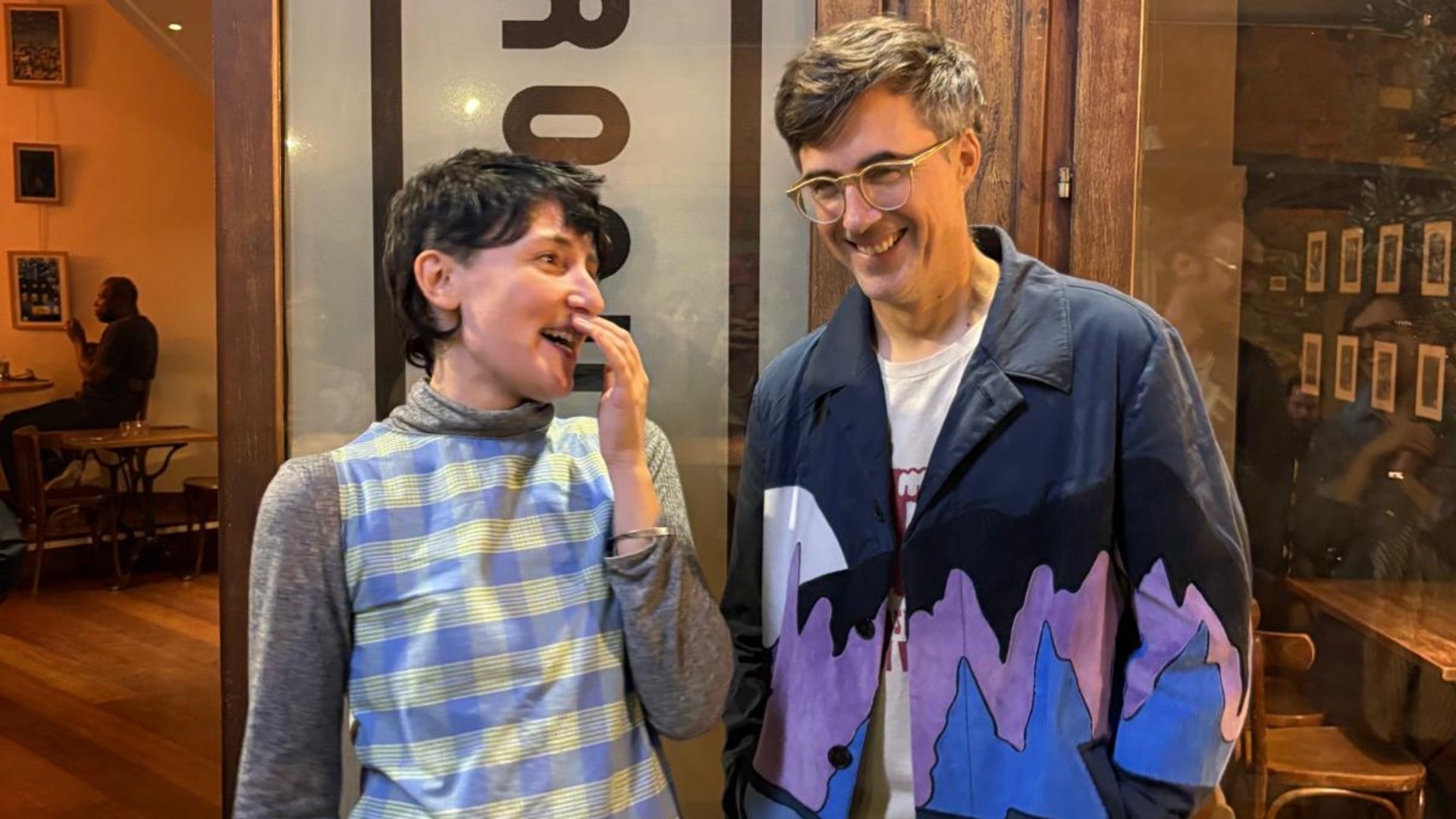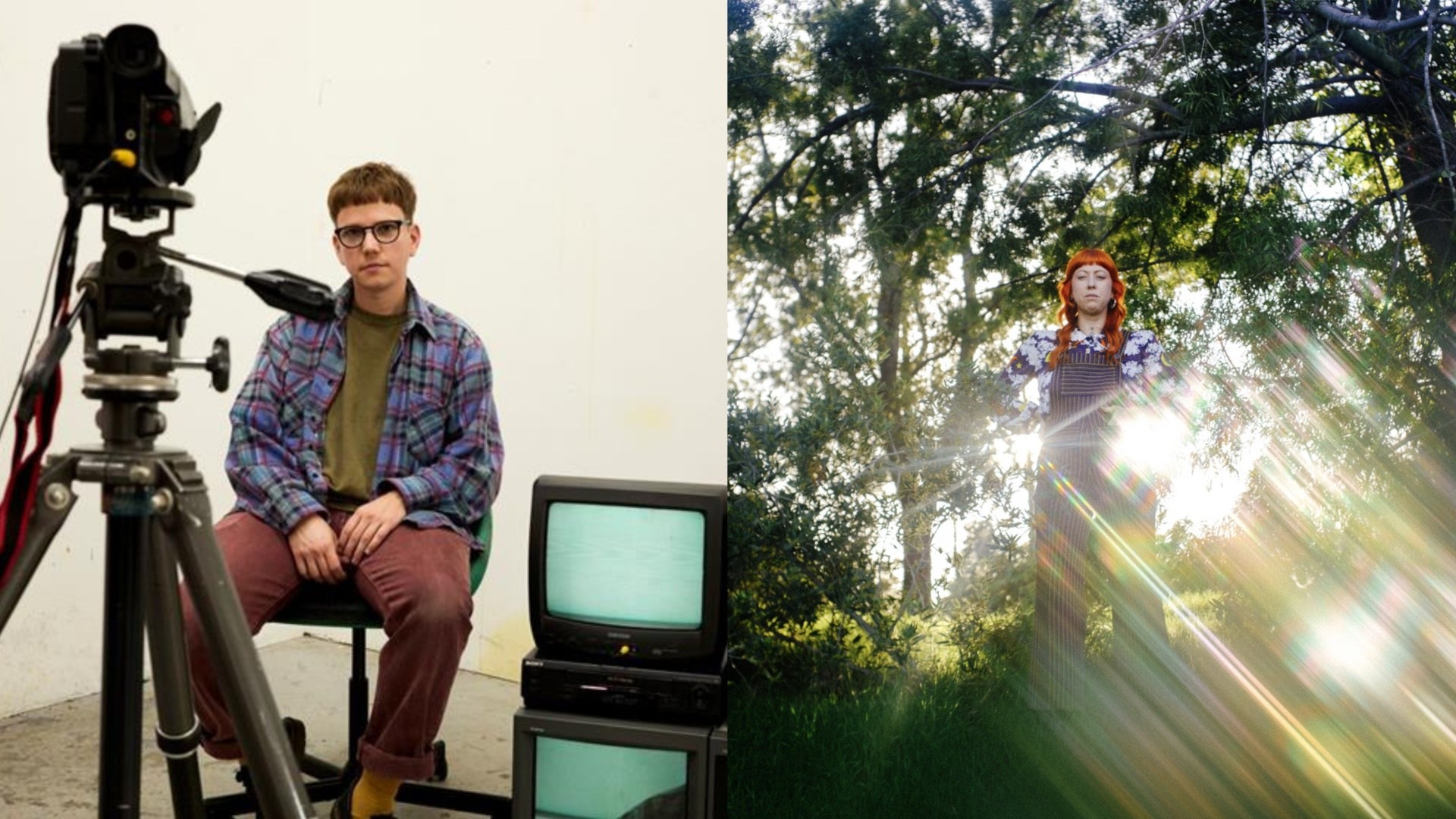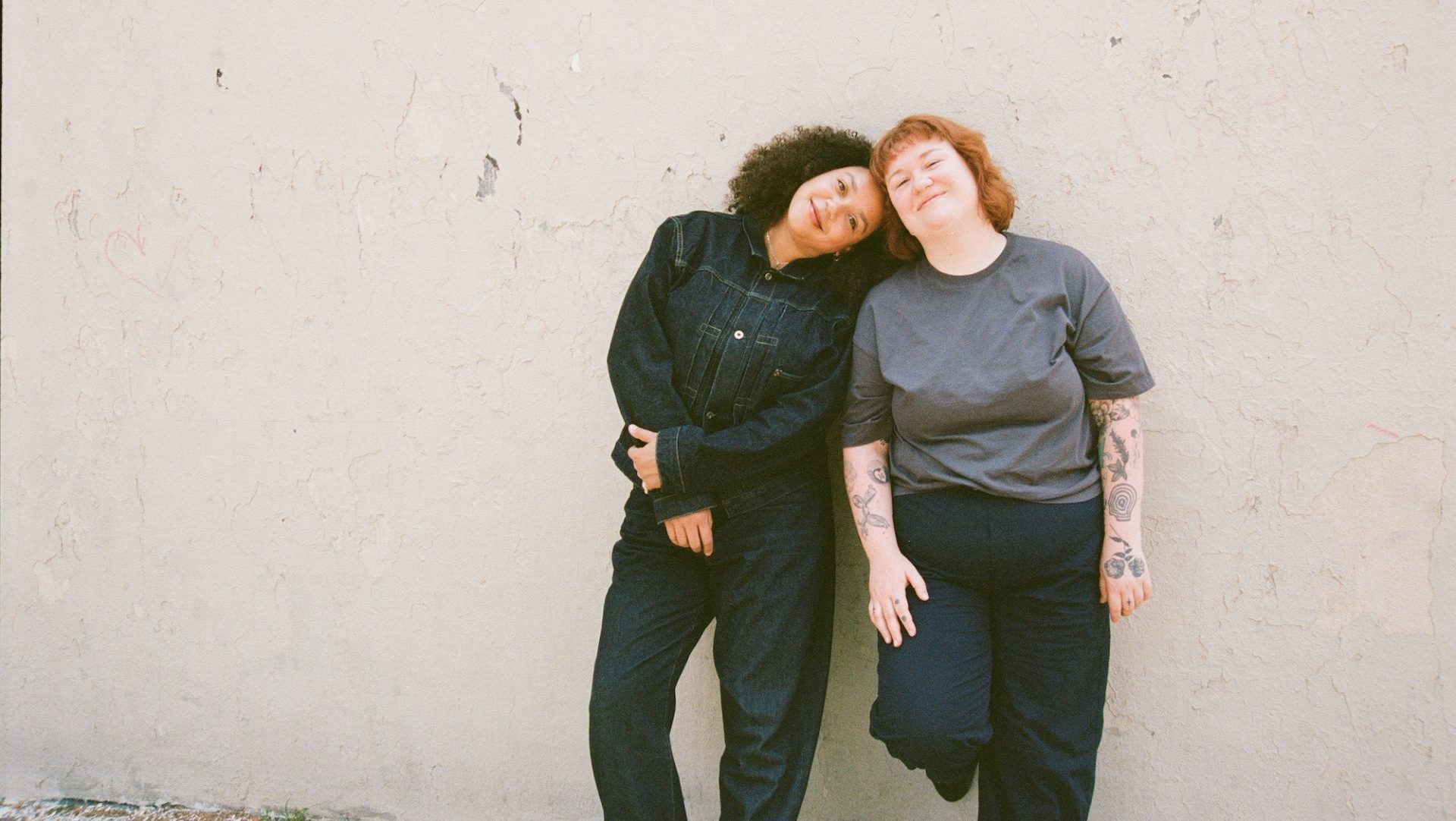
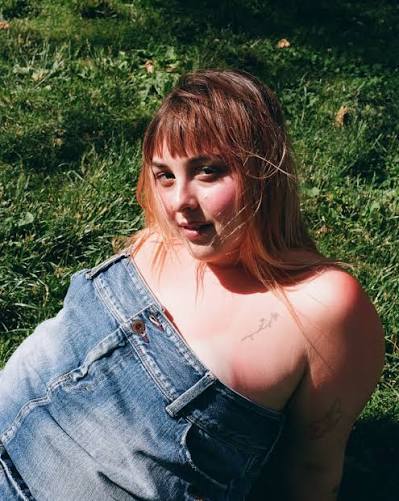
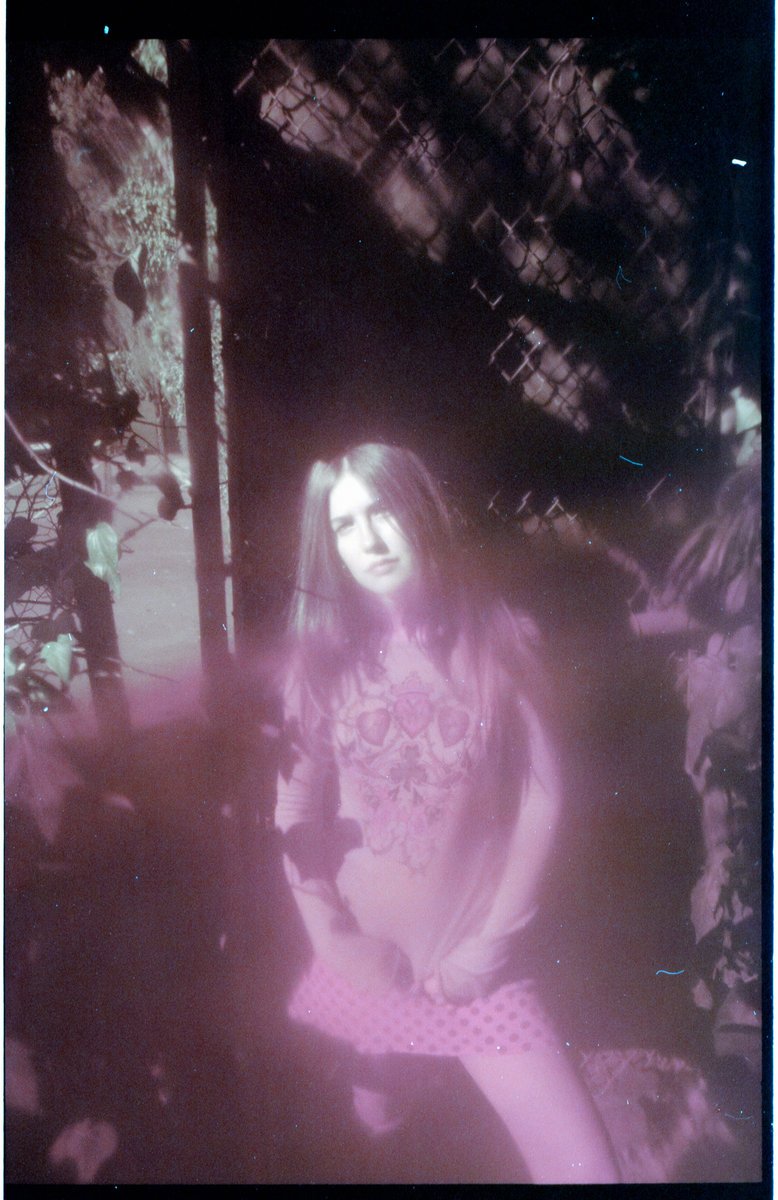
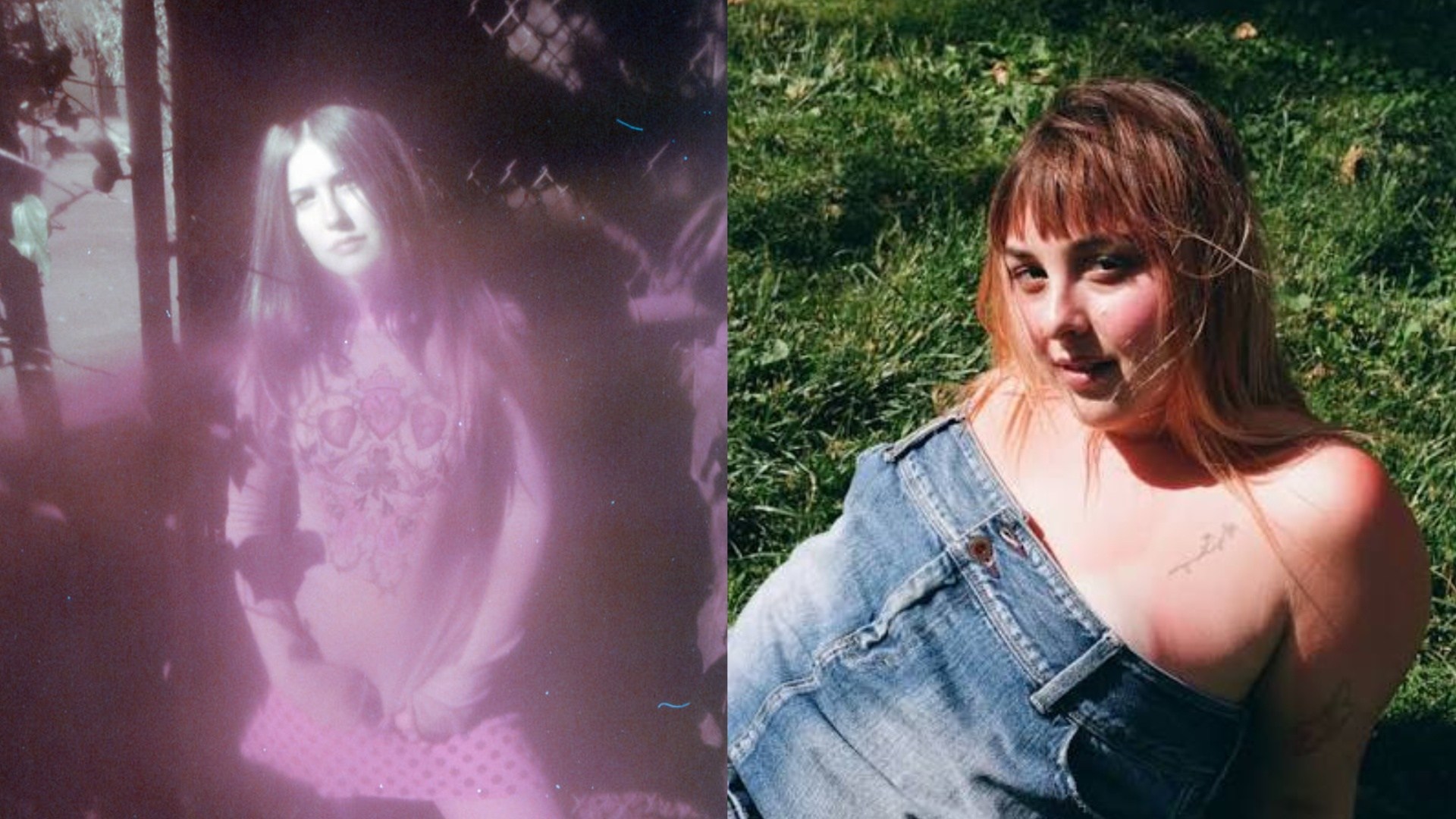
Hannah Cole is a musician based in Nashville; Annie DiRusso is a musician also based in Nashville. Hannah’s debut record, Switchbacks, came out last month on Tight Knit, and to celebrate the release, the two friends (and collaborators!) got on Zoom to catch up.
— Annie Fell, Editor-in-chief, Talkhouse Music
Hannah Cole: Hey, Annie.
Annie DiRusso: Hi, Hannah. I'm so excited to talk!
Hannah: Me too! It's been so long. Well, not really, because you were just in Nashville.
Annie: I know, we just saw each other. We had a little treat. Are you back in Nashville to tour wrap up?
Hannah: Yeah, we just got back a couple days ago. We had our last show in Atlanta, so a short little drive. It was so much fun.
Annie: What was your favorite show?
Hannah: Probably New York.
Annie: I had a few little spies at the New York show. [Laughs.] I was getting minute-to-minute updates. I got, like, 16 videos of the show. I was so upset not to be there. I had some eyes in the room though.
Hannah: [Laughs.] It was really, really fun. I think that was one of the more lively shows I've been to. And New York is always really fun — people really show up in New York. So, yeah, that was probably my favorite. But they were all fun, even some of the smaller shows like Durham. So the whole thing was great. Even at a smaller level when you're doing these smaller headline shows outside of where you live, I guess for me, I expect some people to be there, but I don't expect much. So having people there and seeing people singing the words to songs that just came out, I was like, Oh, my god, people are actually hearing the music and enjoying it. So that was really cool.
But what about you? How was Austin? I know you've been jet-setting.
Annie: I'm still in Austin. I feel like I'm living here now, I've been here for so long. We drove out to Austin starting a week ago last Thursday. We got here Friday and then we played ACL Saturday, and then we played an after show on Tuesday, and then we play again on Saturday. So we're here for a week. But I actually kind of have this diva situation going on where the Airbnb has a back house, so I'm in my little back house area right now. Levi [Bennett], who plays drums, and I just went and bought a bunch of groceries as Trader Joe's. We got the cinnamon broom.
Hannah: Cinnamon broom?
Annie: You know, the cinnamon broom! It makes the house smell like fall… But it's been good. I feel really good getting back into it. I have been doing a lot more opening this year; my headline tour for the album was a year ago, so I've been opening since then and doing festivals, and I was off writing the first half of this year. I forget headlining is the best. It’s so much higher risk and so much higher reward. But, even though I do love opening — it's so fulfilling and amazing to get to watch someone else's show and experience different crowds, and figure out how to interact with each crowd — headlining, no matter how many people show up to a show… dude, if there's 15 people there and they know the words, what could be more special than that?
How do you feel like playing live has changed since having an album out, and how do you feel like music in general has changed for you since having an album out?
Hannah: Well, first of all, I just like this music so much more, and I think that's made me a lot more confident on stage. And I think before, when you don't really have the context of playing live over and over again and feeling what it feels like to be on stage and have a band around you, I think it's hard to make music that you know will be fun to play live. Now I feel like I have the experience to know what feels good to play live. I think that's why it's so much fun to play shows and then start making music right after, because you have that already in your bones.
My album only came out about a month ago now, and when we started the tour it was just a couple weeks, and seeing the way that people knew the words to the songs already, I was like, Wow, this is really special. There's something really cool about playing smaller headline shows where you know that all the people that are there really want to be there, and they're so thankful that you came to their city. I had people in Cleveland that were like, “Thank you for not forgetting Cleveland.” It's kind of that mutual bond, or that mutual respect; I’m being vulnerable with you and giving my music to you and you are giving your time and energy to me, and we're helping each other out on this random night in Cleveland.
Annie: Yeah, we all showed up to feel something tonight, have an experience.
Hannah: It's very sweet, and it reminds me why we even do music and why music is so important. Also, just for the creation of the music, being with a band and knowing that they're enjoying themselves is so important to me. I think you probably understand this too, because your artist project is also your name: It can feel like self-centered at times. Like, “OK, this is my project, my songs, this is all about me.” And I'm like, how can I make this artist project feel a little bit less like me, me, me, me, me when I'm making the music? How can I make music that will be fun for everyone in a band to play? At the end of the day, it is a band, even if it is your own name.
Annie: It is a band.
Hannah: There have been shows I've played where people come up to the band after and they're like, “So how did y'all settle on Hannah Cole as the name of the band?” People don't quite understand that it’s [my project]. Which, in a way, is kind of a compliment. Have you had people come up and [ask that]?
Annie: I feel like Hannah Cole is lowkey a way better band name than Annie DiRusso. But I will say that, because I do a whole bit in my show where I introduce the entire band as Annie DiRusso one by one, it does confuse people. I've actually had people think we're a sibling band, which is interesting. Like, we're a sibling band and we all have the same first name too? [Laughs.] But it's such an interesting little dance between the solo artist and the band. And I wonder if you feel this way, but I do feel like my time in Nashville really did make me learn the value of playing in a band and not just being a solo project. My project has really never felt like a solo project to me since my first touring experiences. It's such a band project. I'm really not going to go play shows solo. Obviously, that would be a much more streamlined way to do things financially, and people have suggested that. But I don't want to do that. That's not the project. What could be better than getting to make music and travel with people you love? And I feel like that informs the music and it informs the shows and it makes the whole world… Getting to play with other artists in your band is the greatest gift of all time. They are giving their creative spirit to the music, and you have this conversation creatively and add to each other's projects. It's the coolest thing ever.
Hannah: It really is.
Annie: Maybe it would be easier band-wise if my band was not a bunch of other artists, because everyone's so busy and you have to switch out members all the time. But it's the greatest thing ever when someone comes to you and they're like, “I'm actually moving towards touring on my own project or I'm recording, I can't do the tour anymore.” It's like, “Yeah, you should do that.” It's the coolest thing ever.
Hannah: I know. It's so cool that people that do have so much going for them and are so talented put their lives or their projects on hold for a second to come help you, and then we can all kind of help each other…
I look back at artists like Liz Phair or Julianna Hatfield who, it's their name, but it's rock music and it's a band. In my experience, when there's a female or femme-fronted band and it's your name — I'm curious if people label certain genres on you. I feel like often people want to label it “singe-songwriter.”
Annie: Yes, if you're a girl who writes songs and sings, you're a “singer-songwriter.” Even though we're both in band projects. I actually have been thinking about that a lot. Obviously a singer-songwriter is an amazingly cool thing to be, but do I think it's an apt title for my project? Not necessarily. I mean, recently with the stuff I've been seeing from you, I'm seeing the word “shoegaze” coming up. I think that's super sick. I think it's kind of hard pressed for someone to be like, “Rock artist.” You know what I'm saying?
Hannah: [Laughs.] Yeah.
Annie: They're just not going to say that about us. I can't completely figure it out. There have been a few times — I remember when we did the Tiny Desk, they did this great intro, and in it they called my album a “guitar rock album.” And I was like, Oh, my god. My heart is pounding. This never happens to me. I feel like, no matter what, it does come down to “singer-songwriter.” And I've been thinking, why does that bother me? Because it's cool. But I just don't feel like that's my game.
Hannah: Well, we do contain multitudes in that way, where I can be a singer-songwriter and I also can be a rock artist. I think that's the benefit of having a solo project that is your name, because you are a songwriter. We are songwriters.
Annie: Absolutely. And that's something that's so central to both of our projects. I see that part of it, and it's complimentary. Both of us are in the tank with the songs. To me, that's when I'm a songwriter. But then when it becomes a recorded piece of work and especially a live show, that's where the artistry comes in, and it becomes an artist project versus a songwriting project.
Hannah: I feel completely the same. How do you feel like your live show has changed over time as well?
Annie: It's changed in so many ways. I think about this all the time because I'm always trying to keep it fresh. I've been touring lowkey for a couple years now, and it's my favorite thing to do. I always want to keep the show feeling fresh and not just redoing old things. The first live shows I was doing with a band were so, so, so fun. I think the thing that stays true about my live show is I love a little showy moment. I love a gimmick. I love the dances, I love the outfits. I think it's so funny to insert that into indie rock for some reason. When I go to a show, I lowkey, a lot of times want to be punched in the stomach; I just want to really feel something. I cry at shows. And I had this moment after doing my style of show for a couple years where I was like, Damn, everyone tells me after my show, “That was so fun.” And I'd be like, Fuck that. What do you mean, that was fun? Are you kidding me? I started to have this real pet peeve with it. I think even the people in my band knew it'd be like, “Oh, yep, this guy called the show ‘fun…’” It felt minimizing in some ways. But after I went on the comedy tour with Caleb [Hearon], I took a second and I was like, Wait, there's something so amazing about being able to create a fun night for people. That's quite a feat.
Hannah: It’s honestly more impressive.
Annie: And it's funny because I write such humorous lyrics. They're not super self-serious. There's obviously self-serious moments in my songs, but I'm having a walking pad on stage, I'm doing dances. Of course it's fun. I can't believe that for so long, I was so annoyed by that because I wanted the show to be devastating. But that's just not what my project is. And it's not really who I am either. So now that I've homed in on the fact that that's what I was doing, even though I wouldn't let myself acknowledge it, I’ve realized that’s an amazing thing to be able to create, a fun show and a fun night for people. I feel like my show has changed because I've been able to be aware of that and home in on it a little bit more. I think something that also came along with the album — I think the EP was slightly darker in some ways, because I was trying to enforce this idea of what I thought indie music should be. But I do think the album is such a true expression of me, and then that translates to the live show.
I'm really curious about the writing process for this album. Because we've written together here and there—
Hannah: Yes.
Annie: Couple heaters in the tank. A little song called “Table,” a little song called “Legs.”
Hannah: [Laughs.] Yeah, have you heard of them?
Annie: [Laughs.] So I've seen you in the process. And I was super curious before we had written together what your writing process, because sometimes with your songs — I actually think this is one of my favorite things about your music — you’re so sweet, so real, so bubbly, and then you hear a song like “Melt” and you're like, There's something I don't know about her. And I love that. That's the thing that I find most interesting about songwriting from people. Because you're really saying something that I don't know if you would say that to me in conversation. It's so sharp and it's so straight to the point. And then when we wrote together, I feel like we pushed each other in different ways of what both of our songwriting had. You're incredibly quick with it and very concise and you really do know what you want from a song. That was at least my interpretation: You knew what you wanted from the song and then you were able to get it. Is that how you go into songs? Do you have an image of what you want?
Hannah: I look up to you so much as a songwriter too, and being able to write those songs together was so special. It's cool that we were able to be in each other's heads a little bit.
Especially when you’re writing a record, I feel like I want each song to fall into a similar lane when it comes to making a cohesive big project. So I guess I go into most songs knowing what I want to write about. But what comes before that is an image. I'll see this image, I'll voice record a melody into my phone. I guess I view writing a song a little bit like writing an essay, where I'm like, OK, I have this thesis and I have these points that explain this thesis… I think I went into previous songs having a very black and white perspective on life or on a situation. And now I feel like I'm a little bit older, a little bit more mature in my writing. And I think that on Switchbacks, I was trying my best to show more of a bird's eye view of my life or different situations or things I've experienced, specifically in regard to my pursuit of success and what that meant to me, and entertainment and this concept of my dreams and goals versus reality, and where those lines are blurred sometimes.
I knew going into this album that I wanted to have very strong imagery in the songs. I think in previous songs or when I was younger, I was like, Let me just say how I feel, or use these phrases that point to the way I feel. And now in my writing, I want to just show people how I feel, with an image or with an experience. I think for me, my favorite type of writing is very image focused. Because I want people to be able to picture something in their head when they're listening to a song, if they're people that like to go and read the lyrics.
It's definitely harder with a full length record to make songs that are all different, but fit into the same lane both lyrically and sonically. I'm curious for you too, going into making new music, how you're feeling. I know we talked about a little bit about it when you were in Nashville — and I saw that you were playing a new song in Austin, right?
Annie: Mhm. It was actually one of the ones I played you, the one that you said gave you that Olivia Rodrigo yearn feeling. I've carried that with me.
Hannah: Oh, I'm so glad!
Annie: What you just said about how songwriting changes with age was super interesting to me, because I think about that all the time. And speaking of an artist like even Olivia Rodrigo, she was writing “driver's license” when she was, I don't know, 17, 18, 16. And sometimes I look back to myself at that age, and there's so much that I was willing to say. I think there's a reason some of the greatest songs of all time have been written by teenagers. Sometimes I get in this space where I have too much perspective, it's too much to zero in. And you're right, things do become less black and white. You do widen out in a way that I think can make songwriting harder and more interesting. And sometimes I try to think about it like, Is this purely based on having more knowledge or perspective, or is it also the sense of awareness that you gain as you get older? I try to also battle if it has to do with insecurity or a feeling I've gained to not be as bold or take up as much space as when I was younger and I didn't even think about it.
But then you look at different artists and you're like, Wow, I love to see someone's perspective shift over time. Especially, I love when you can hear someone writing about the same thing for, like, three records straight. When you first write it, you're just like, “Fuck you!” And then you start to be like, “Wait, this is how it changed me…” And you can have this much bigger view on it. I think that's such a gift. I get sometimes scared of the way my writing changes, and it changed so much with the record. The EP is a lot more confessional. And I think on the record, I got a lot more into songwriting, just the craft of songwriting, my love of pop music and the way that those songs work. It's definitely still very confessional, but it's packaged differently. I think that there is something to be said about music being confessional and honest, but also not just delivered straight up for you. I think that's a line that I've been toying with more recently, figuring out different ways to say things. Going into a second record, I feel slightly more equipped because I've now done it. When I went into making my first record, I was kind of like, I have never made a record and I have no idea what I'm doing. I guess I'll just start writing songs. And now I know how it works. I can be a little bit more intentional about it this time, which is exciting.
Are you starting to work on anything new?
Hannah: Yeah, we just started making some new music a couple days ago. A debut album, it's this big beast that you're standing before. I had so much decision paralysis trying to move through it and not knowing what was on the other side of it. Now, it's so much clearer. I think the first time doing anything is really scary, so once you get past your debut record and you can move on to the next thing, your vision is a lot clearer. And I know I want to try putting the album in the same sequence of writing it. I'm curious about making something and then having that be the exact order. I don't know if we'll do that, but we'll see.
Annie: That was actually one of my questions for this album. Which songs did you write first on and what was the last one?
Hannah: I think my first one was “Switchbacks” because I wrote it in the car on the way back from North Carolina. We'd played a couple shows and we were going on these long winding switchbacks, and someone was like, “You know you're supposed to honk your horn on switchbacks to let people know that you're coming up the opposite way.” I was like, that's an interesting image. And then the last one I wrote was “Every New Day,” which is the last song on the record.
Annie: I fucking love that song. So you're already kind of dancing around doing the sequential album — which I think is really sick.
Hannah: Yeah, it could be cool. We're almost out of time, but I miss you so much and I'm so excited for your South America shows.
Annie: Oh, thanks. I'm so excited too. I miss you so much. I'm so sad I couldn't make the tour, but I'll be at the next shows! I’ll text you.
Hannah: Text me! I love you!