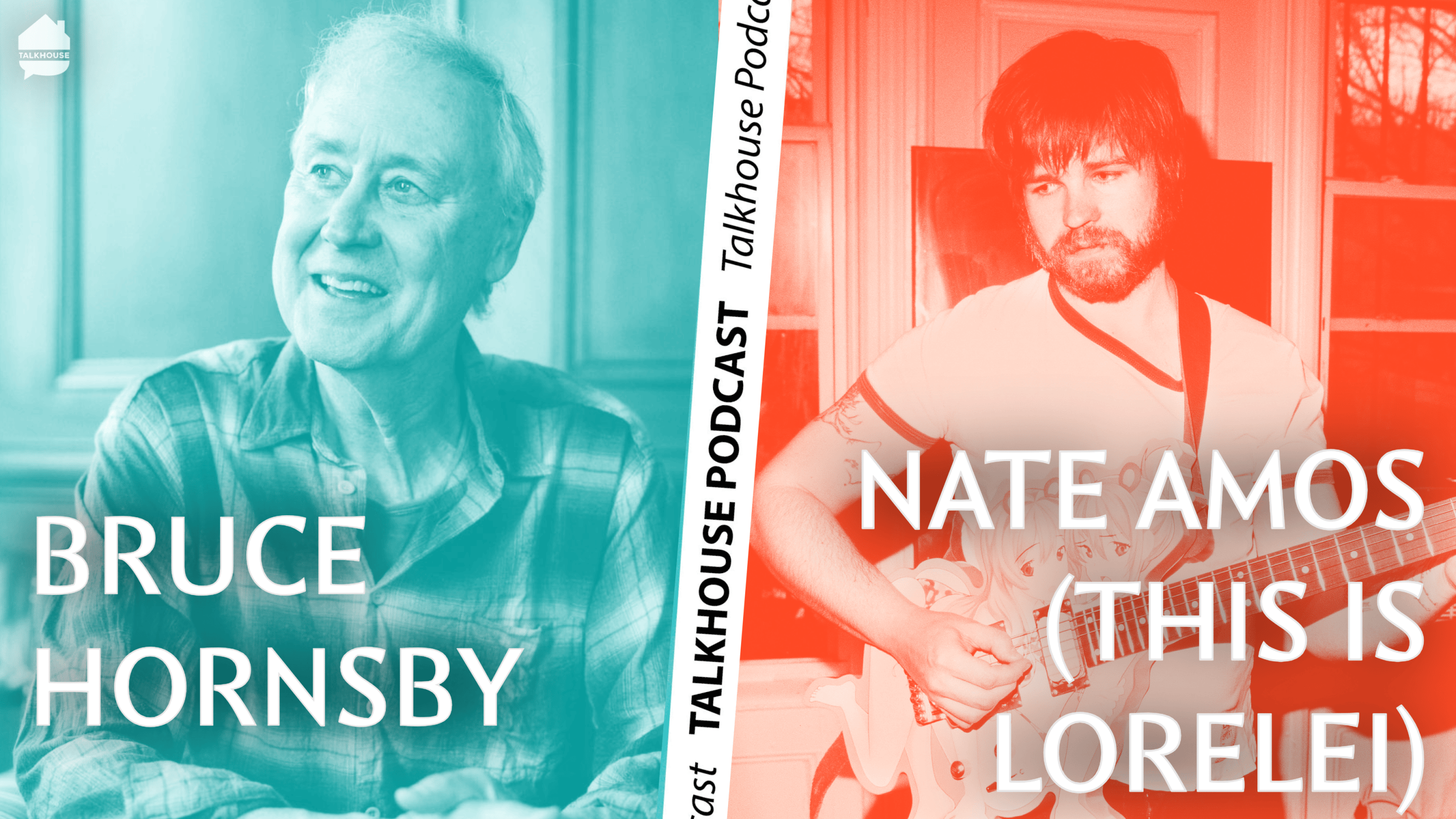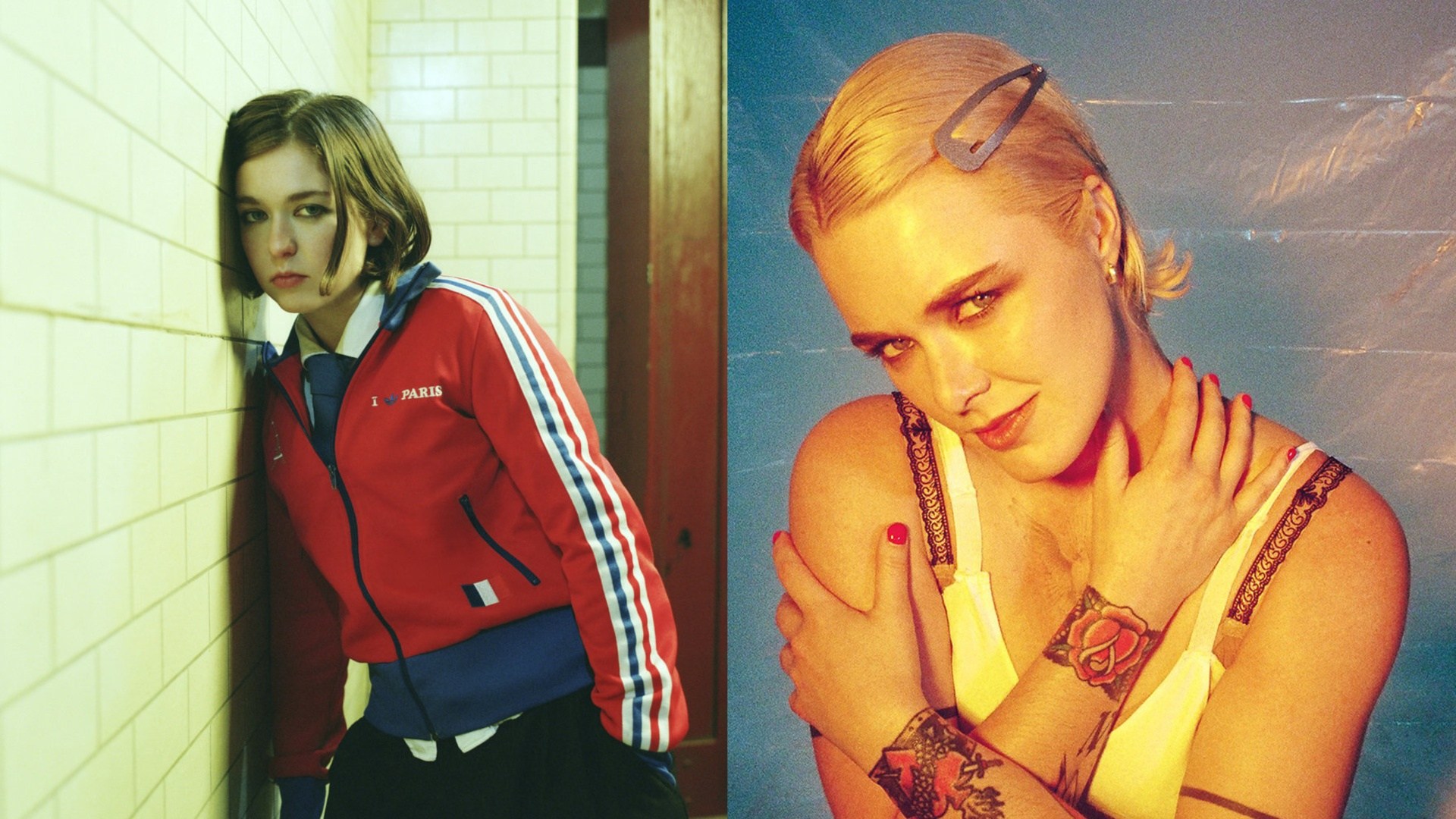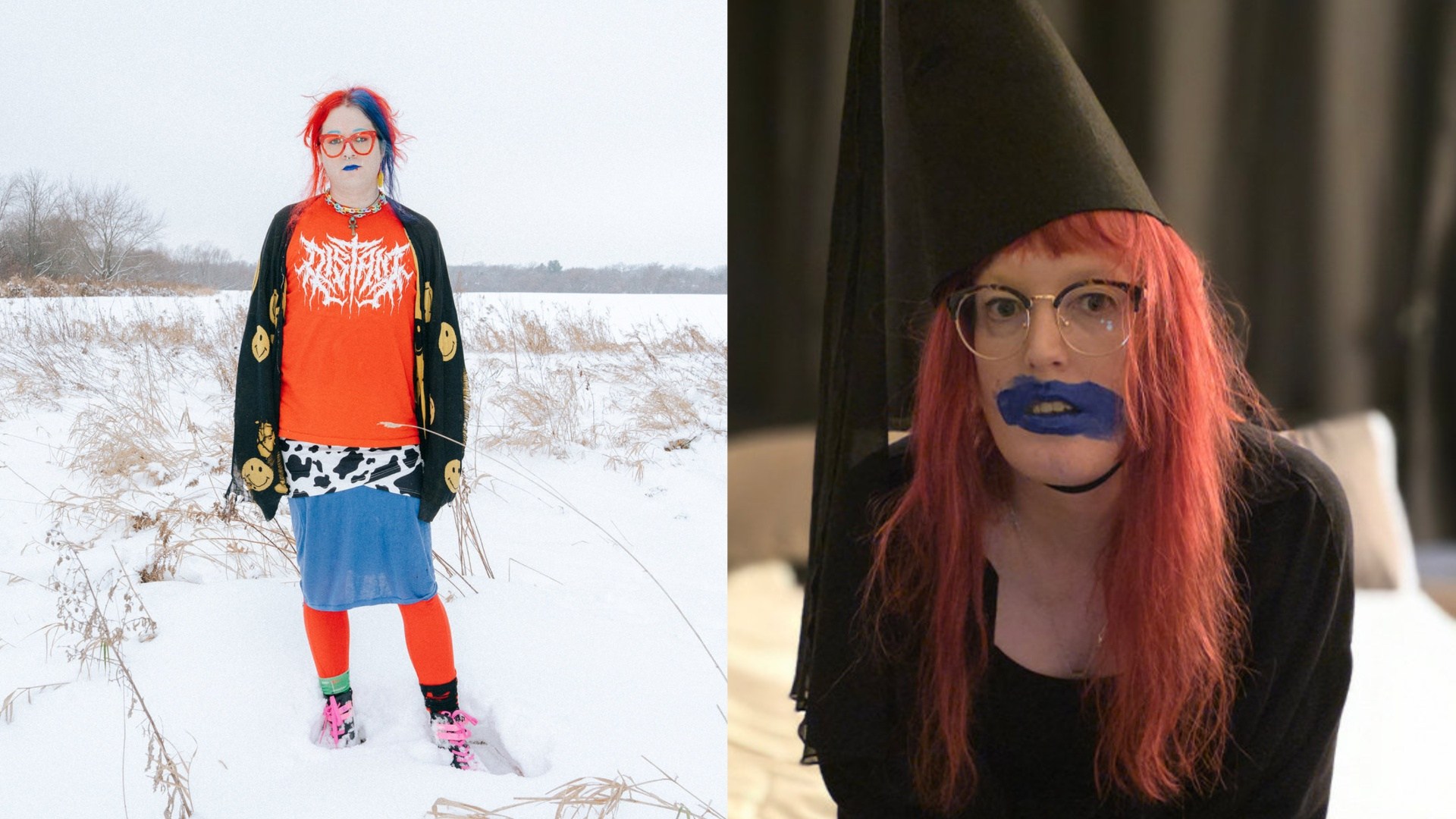
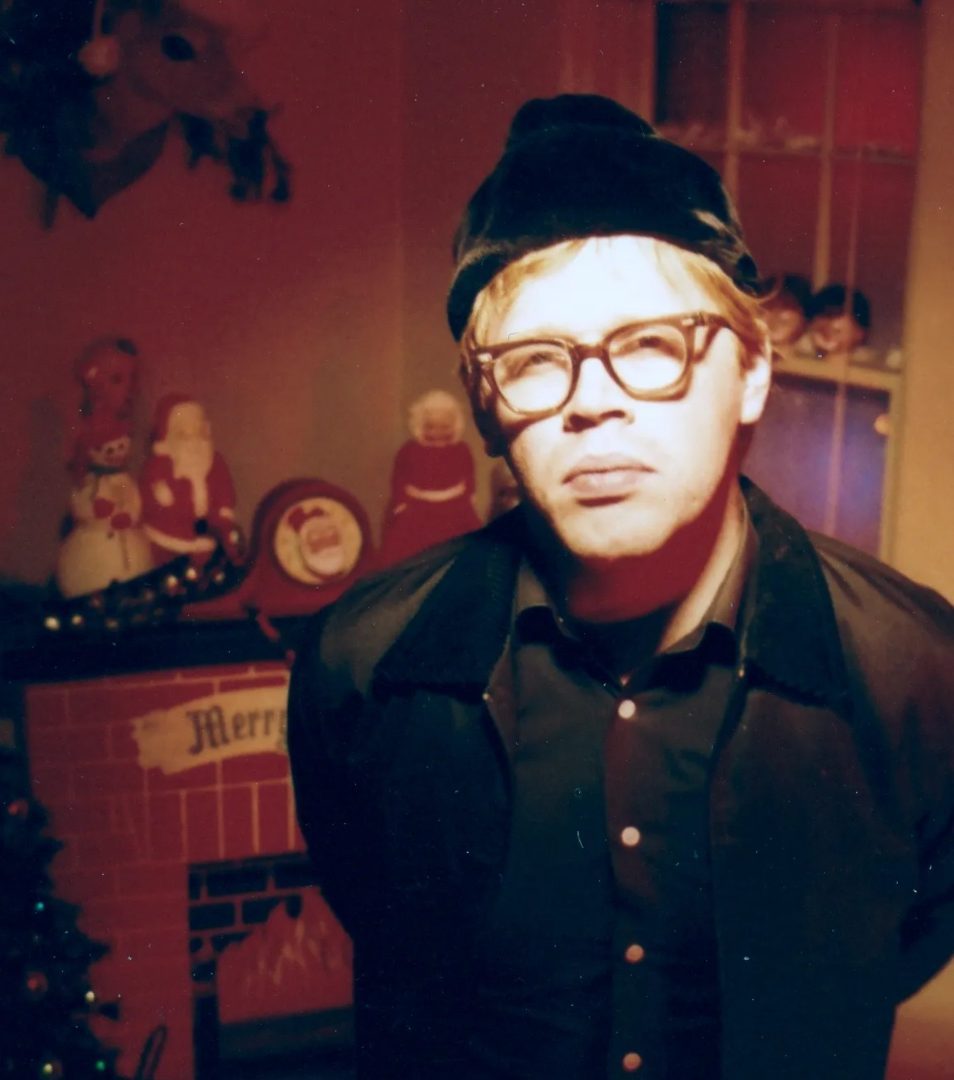
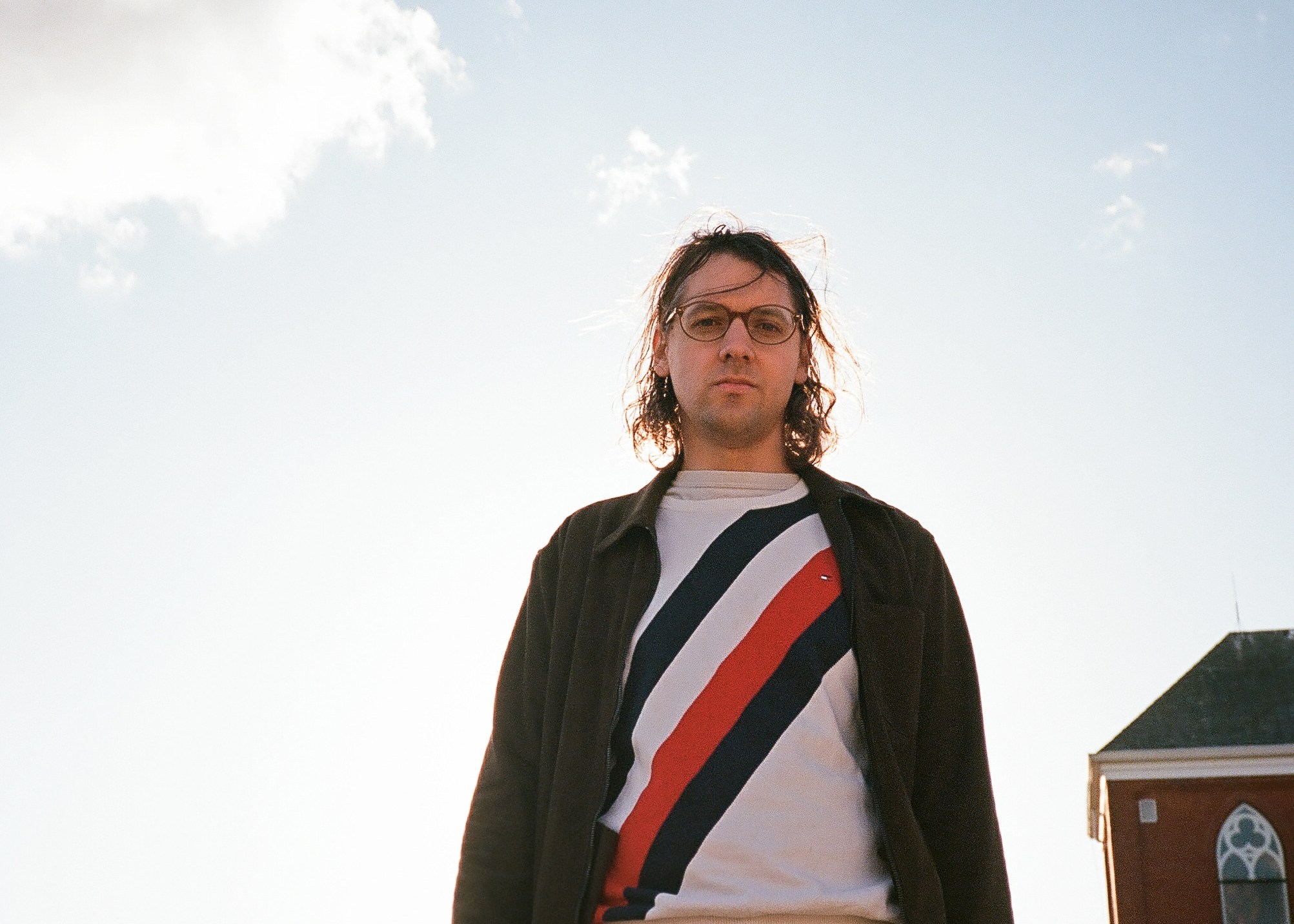
Graham Hunt is a musician based in Madison, Wisconsin; Amos Pitsch is a musician and producer based in Appleton, Wisconsin, who plays in the bands Tenement and Dusk and runs Crutch of Memory and Odd Note Records. Graham’s latest record, American Pyramid, just came out in August on Run For Cover, so to celebrate, he and Amos met up to talk Wisconsin punk, producing, and much more.
— Annie Fell, Editor-in-chief, Talkhouse Music
Graham Hunt: I had this image of you guys as a very serious band. But meeting you and getting to know you a little bit, you're a goofy guy.
Amos Pitsch: Maybe the seriousness thing was a reactionary impulse to being a poppy punk band, but not wanting to be perceived as a pop punk band.
Graham: Because there's a goofiness that's baked into that. Especially around here, too, there's Boris the Sprinkler and stuff — there’s almost a tradition of really goofy pop punk.
Amos: Yeah. Which, to me, Boris the Sprinkler, they're goofy and they're really fun, but they're like a higher level of art than silly pop punk music. I don't know if you've ever seen some of their early videos of them performing, but it's just crazy performance art essentially. It reminds me of the humor of the Happy Schnapps Combo. You ever hear them?
Graham: No. What's that?
Amos: That's this polka band from Manitowoc that was Jim Krueger, who wrote Dave Mason's big hit from the ‘70s. [Sings,] “Good guy, There ain't no bad guys. It's just you and me, and we both disagree…”
Graham: Oh, yeah.
Amos: He was from Manitowoc and he basically went to LA to make it big, hooked up with Dave Mason, wrote that song for him, played in his band, and then got disillusioned by LA and moved back to Manitowoc and did the Happy Schnapps Combo, which was just a ridiculous polka band. Actually, I have their CD, I’m gonna grab it…
Graham: It kind of reminds me of — what was that Green Bay Packers themed band?
Amos: Are you talking about Cheeseheads With Attitude?
Graham: [Laughs.] Maybe that’s what I’m thinking of.
Amos: [Laughs.] I think they were Appleton, maybe… There is just something indicative of small town Wisconsin culture in [Happy Schnapps Combo], which also, to some degree, you feel in Boris the Sprinkler too. [Boris the Sprinkler] has this raw element where it’s almost like theater. And it's like this degenerate thing — you think of all these ‘80s hardcore bands from the Midwest, and they were all so fucked up and weird and degenerate. And they were kind of the same thing. But even though like they're thought of as a really popular band in the whole pop punk idiom of that time, I think they were more than that. It's just so visceral and intense, but also weird and funny. And Midwestern in the way that it's not very slick and it’s not… I don't know. When I think of bands from LA of the time period, they all kind of look the same.
Graham: There's a [sense] they want to be cool, but those guys didn't care about that. Which is awesome.
Amos: Yeah. I feel like that's the classic Midwest thing, you don't really care about being cool.
Graham: For sure, which is kind of the coolest thing. In turn, you just end up being really cool on accident.
Amos: [Laughs.] But, yeah, maybe people thought we were a little self-serious because of that.
Graham: I really liked the air of mystery about it. It was definitely creating a whole world. It was the songs, but it was also the videos and the album covers, and just the consistent output of things that all were very different sounding, but all clearly in the same world. I hate to use the word “world-building,” because then you sound like you're in marketing. But it was like, Damn, these guys are from Wisconsin and they're making it seem really cool to be from Wisconsin. Because it is this creepy, kind of weird, strange, and interesting place. And I feel like the whole aesthetic of what you guys were doing made me feel that.
Amos: So we had a creepy, weird aesthetic you think?
Graham: Well, yeah, for sure. But in a cool way. You also had these sort of major key, kind of happy, I guess poppy, for lack of a better word, sounding stuff. And I really appreciated that the influences were all over the place. Because I was a punk rocker in high school and that's all I cared about, but then right around graduating, I was getting into other kinds of music. And you guys were like a punk band but into all this other stuff too. And it was like, “They're from two hours north of here!”
Amos: What is the perception of the Fox Valley to people in Milwaukee? Because I hear people in Milwaukee sometimes call it “up north.” And I always think, Man, it's never been “up north” to me.
Graham: Well, it's like halfway.
Amos: I look at the state of Wisconsin and up north, it's just a huge expanse of lakes and trees that are up here.
Graham: There's a big swath of landmass that's all forest. And when you drive up to Fox Valley, it's all just farmland. So it doesn't really feel like up north. But coming up here, it does feel like the culture shifts slightly, or maybe it’s more intensified. More people have thicker accents. And there’s more, “Oh, that bar has been here for a hundred years,” or there’s a quilting store that's been around forever. But, honestly, it's hard for me to lump all the Fox Valley cities together because all of them have such different feels. Like Fond du Lac is one of the shittiest places ever.
Amos: Yeah, Fondle Sack. [Laughs.] Something is in the water in Fond du Lac. Have you ever played a show there?
Graham: No. I didn't know that's something that people did.
Amos: When I was in high school, we played there all the time. I will say, it was a very violent, very huge scene. Hundreds of kids would come to these shows and they'd have them in this little sports arena there.
Graham: What year was that?
Amos: That was probably 2003 or ‘04 through 2005 or ‘06. It was weird. We used to play at a strip club there too.
Graham: [Laughs.] When you were still in high school?
Amos: Yeah. I don't know if they would shut down for the day or what, but these high school bands would play on the stage between the poles and the dancers would be there running the lights and just having a great time. Pretty weird town, man.
Graham: Midnight Reruns would play Green Bay a lot, but way past — because I've heard a lot of stories about Green Bay being the place for bands to play in the early 2000s, late ‘90s—
Amos: I missed all that too. I wasn't cool enough. I knew about that stuff happening, but all the kids that were going to it were three or four years older than me and I couldn't go. Which sucked because I was a huge Lookout! Records fan when I was just getting into punk, and all those bands would come through, like Mr. T Experience and Groovie Ghoulies and the Donnas. I was such a huge fan, but I was just not cool enough to know the kids that could drive up there…
When you produce records, do you have a specific thing that you envision yourself doing? Because record production is pretty open-ended. I feel like everybody has their own perception of what they do.
Graham: Yeah, because it doesn't mean the same thing that it meant when studios were around, you know? It means different things in different genres of music too. But I like to record a band or an artist when I feel like people are coming to me because they want at least some of my creative input. That's really fun to help other people realize their vision. And it's a cool thing because if you can get enough people wanting to do that with you, then you can fill your time outside of touring doing that.
Amos: I just got done reading the Glyn Johns autobiography — I don't know if you're familiar with him.
Graham: Oh, yeah. I do that overhead technique sometimes.
Amos: He was talking about [how] he had such an explosive ‘60s and ‘70s era, but then when the ‘80s came, he felt like he was kind of becoming irrelevant, like his techniques were becoming antiquated, and he decided he wasn't going to engineer anymore. He was going to hire engineers to do that stuff, basically until the 2010s when Ryan Adams hired him to make a record. That was the first thing he engineered again and used his actual techniques.
Graham: Yeah, because he was asked specifically.
Amos: Yeah. And I think that's interesting because it's almost like any other trade: You have to adapt to what people think is relevant if you want to be continue being relevant. I think about that sometimes, because I listen to a lot of records that are made contemporarily, and I think this style of production really just does not resonate with me.
Graham: Yeah, totally. I think that a lot. But I think the difference is that in the ‘80s, it was such a monocultural thing where the sound of Glyn Johns was the ubiquitous sound of the ‘60s and ‘70s, and in the ‘80s nobody wants to sound like that anymore. Whereas now it’s all these small groups of people wanting to sound all different kinds of things. Lots of people want to sound like an old recording and some people want to sound more modern. And certainly a lot of bands aren't interested in doing anything sample replacement or pitch correct.
Amos: I don't know how to do either of those things.
Graham: You figure that if you just keep doing it and people like the work that you do and they like working with you, then the best case scenario is that they want to come to you because they want to get the style that you already are known for. You don’t have to be like, I gotta keep up with all the fads, I have to have every plug-in, or whatever. If you don't give a shit about that for making your own music, then in an ideal situation people that want to work with you are people that don't give a shit about that.
Amos: Yeah, that's true. I always instantly turn people down that don't seem like they're really familiar with the things I do.
Graham: Do people hit you up a lot that are like that?
Amos: Occasionally.
Graham: Just because they're looking for a studio in Appleton or something?
Amos: Yeah, something like that. I'm just like, “I don't think you want me to work on your record. Sorry.” When I started the record store, I decided, This is going to be my thing now, splitting my income between: the record store, producing records for people, playing in a band. So I don't feel pressure to make records for people that I don't want to.
Graham: That's great. You gotta just know yourself and set up your life around it.
Amos: I also feel like owning this little record store makes me a better producer. It makes me listen to music all day long and decide what I like and what I don't. I mean, I have to listen to music I hate too, because I have to play test stuff. So I can really identify things I don't like, and it's been very helpful.
Graham: Do you ever get confused like, “What do I even like or not like?”
Amos: Yeah. Like, “What do I consider the way this instrument should sound, or the way the balance should be?”
Graham: The waters get really muddy for me, for sure. Because I think that I sometimes have a tendency to get a little too postmodern with it, where it's just like, “I don't want to close any doors on the possibilities of what an instrument can sound like.” [Laughs.] Do you know what I mean? Then you have a hundred tracks in Ableton and it's just like, “The fuck am I doing?”
Amos: [Laughs.] Yeah, I don't do that anymore.
Graham: I'm still finding my way out of that mode.
You're going on tour again soon, right?
Amos: Yeah, going to Japan.
Graham: That's exciting. I'm going in April too. It’s Tenement and Dusk?
Amos: Tenement is doing 10 days, and then Dusk is coming for the Tokyo show, and then we're doing five days. We're doing a lot of small towns. That's kind of always been our jam: go and play all the weird little towns.
Graham: Yeah. In America, too.
Amos: Yeah, we used to go on those really long tours, just us, and they were super brutal, but everything just felt so meaningful. It didn't feel like, “Why are we doing this?” It felt like we had a purpose. It kept us going for sure.
Graham: Because you know even if things are difficult, you need to trust yourself and your instincts of when it's time to take a break or, “We need to keep going.” But that makes sense it’s not something that ever bothered you guys when you were getting your start playing in Fond du Lac.
Amos: [Laughs.]