Stepping onto the set for the first time on Descendants: Wicked Wonderland, the latest installment of a beloved Disney franchise with a dedicated fandom and a huge property for the company, I had a sense of calm. There was plenty of chaos swirling around me – the script was still being worked on, the hedge material for the maze was stuck on a boat off the coast of China, the costumes were being sewn on set, the schedule and budget had been approved only days before – but none of that mattered, because I was standing on a gigantic illuminated chessboard with enormous flowers, a giant picnic basket and dancing chess pieces. It was one of the first big set pieces I had pictured and it looked even better than I had imagined.
Descendants: Wicked Wonderland is my first franchise movie and when I got the job, I was equal parts ecstatically excited and terrified. There’s no instruction manual for this kind of massive undertaking. It’s extremely overwhelming to think of one’s responsibility to the fans, to a company that produces some of the most iconic and beloved franchises in history ... and, frankly, to my own daughter. I’d be lying if I said I didn’t lose a lot of sleep and hair over every decision – but this is the biggest thing I’ve ever directed and I’m truly honored to have been trusted with this story. I learned a lot and here are some of my most helpful tips ...
First things first: when stepping into a franchise, do your research. Watch as much as you can to educate yourself about what’s been done, what’s important to the fans, and how far you can stretch the world to continue to push the characters and story forward. For this chapter of the franchise, we were opening up a whole new world that hasn’t been explored, so I had to remind myself to think big.
I’ve spent the last few years in episodic television, which often has many established parameters in terms of locations, budget, story, characters and timelines. In the past, I’ve directed 22-minute episodes in three-and-a-half days. The game is often how to make the sandbox smaller, so the comedy and characters can really shine. Not that there aren’t those same priorities in a movie, but in this case, I needed to build on an already expansive universe. To help ready myself for this, I spent weekends and holidays watching movies, going to museums, going to illuminations shows in gardens, and reading books. I made sure I organized pictures and references, so I could hand them over to the production designer, costume designer or VFX team. You never know where inspiration will come from – for instance, the rabbit hole sequence was inspired by visiting the National Museum of Mathematics in New York City.
The second thing I learned is to remember what’s important to you and your story. There are a lot more decision makers on a big franchise movie, which means more people to say “no.” It was hard not to get swept up in the “no’s,” but often those “no’s” exposed what was really important to me.
For instance, there was a location that was really important to me that we were at risk of losing because of availability and budget. After conversations with the writer and production designer, we found some clever ways to cut down dialogue and move scenes to other locations. In addition, we had to dedicate ourselves to working quickly through some big production numbers to make it all happen. All in all, it was absolutely worth it in the end – and I’m grateful for my training in TV that taught me how to work fast!
Another thing that was very important to me was that we had as many practical sets and effects as we could. On paper, practical sets can seem more costly than green screen and CGI, but in a fantasy world, most of the time, the VFX end up costing more in post production. And philosophically, I wanted to bring Wonderland to life in a real and tactile way. I have learned from my time as an actor, and also working with the Muppets, just how much more you can get out of a performer, a camera operator or even a crew member if they are interacting with something real. It also resonates more with the audience. Not only is it more fun, but it also challenges everyone to get more creative, and I was blown away by the creativity from the cast and crew on this movie.
The bottom line is, you must advocate for what’s important to you. When I was about to direct my first feature, Good on Paper, I got some terrific advice from Bob Odenkirk that really resonated – he told me that it’s important to play ball, but not at the cost of the integrity of the story. Sometimes you’ll feel like the lone voice pushing back, but it’s important to push back if it’s really important.
One unexpected lesson I learned was just how quickly the franchise team needs decisions made so that they can meet their deadlines for toys, costumes, artwork, albums, etc. – the stuff that makes it a franchise! The most fascinating meetings I had were about hair and wardrobe, when the dollmakers chimed in to say what they could and could not reproduce. This is not something they teach in film school (I didn’t actually go to film school, but you catch my drift!), it’s something you can only learn by doing it.
On that note, another thing to keep in mind is to not get lost in the bigness of the project. Admittedly, the pressure can be overwhelming. I applaud all directors who have worked for huge franchise movies, as we all become salty sea captains, steering through stormy high seas in search of buried treasure.
When I found myself in the weeds, I would take a step back and imagine the finished movie. I’d remind myself what story I was telling, what mattered to me, and how I wanted the audience to feel. I kept a daily journal to vent any frustrations privately and celebrate any victories. It was a great way to remind myself how I wanted to start the next day.
I think the best lesson I learned is that the most fun thing about making movies never stops being the thrill of working with actors on set. I got into this business as an actor. When I was really young, I used to put on shows in our living room and my mom still talks about my Snoopy tap dance in You’re a Good Man, Charlie Brown. Acting will always be my first love. It taught me the joy of collaboration, how to disappear into a character and how to tell a story. Acting is the best job in the world when you feel supported and creatively challenged, which is why I love directing so much.
I was working with a unique blend of first-time actors, seasoned child stars and absolute legends. I took the responsibility of creating a fun and professional environment very seriously. I wanted the up-and-comers to walk away feeling really good about their work, knowing about set etiquette and how to be true professionals. And I wanted the pros to feel like they were respected, supported and able to play and make bold choices. After all, working on a franchise set isn’t like other sets. There are rules like the cast can’t have sides on set, because we need to keep plot points secret, there are privacy fences that hide sets and costumes when shooting on location, and the talent have a lot of social media and marketing obligations between scenes that take them away from set. Creating a safe space to become one’s character and tell the story is always the guiding light. All in all, it was truly a magical set and I still pinch myself everyday that I got to work with performers such as Brandy and Rita Ora.
Ever since the movie wrapped, the biggest question I get asked is, “Would you do it again?” My answer is always, Ask me after six months of rest. And here I am, six months later, and the answer is, “I’m ready to jump back into the deep end.”
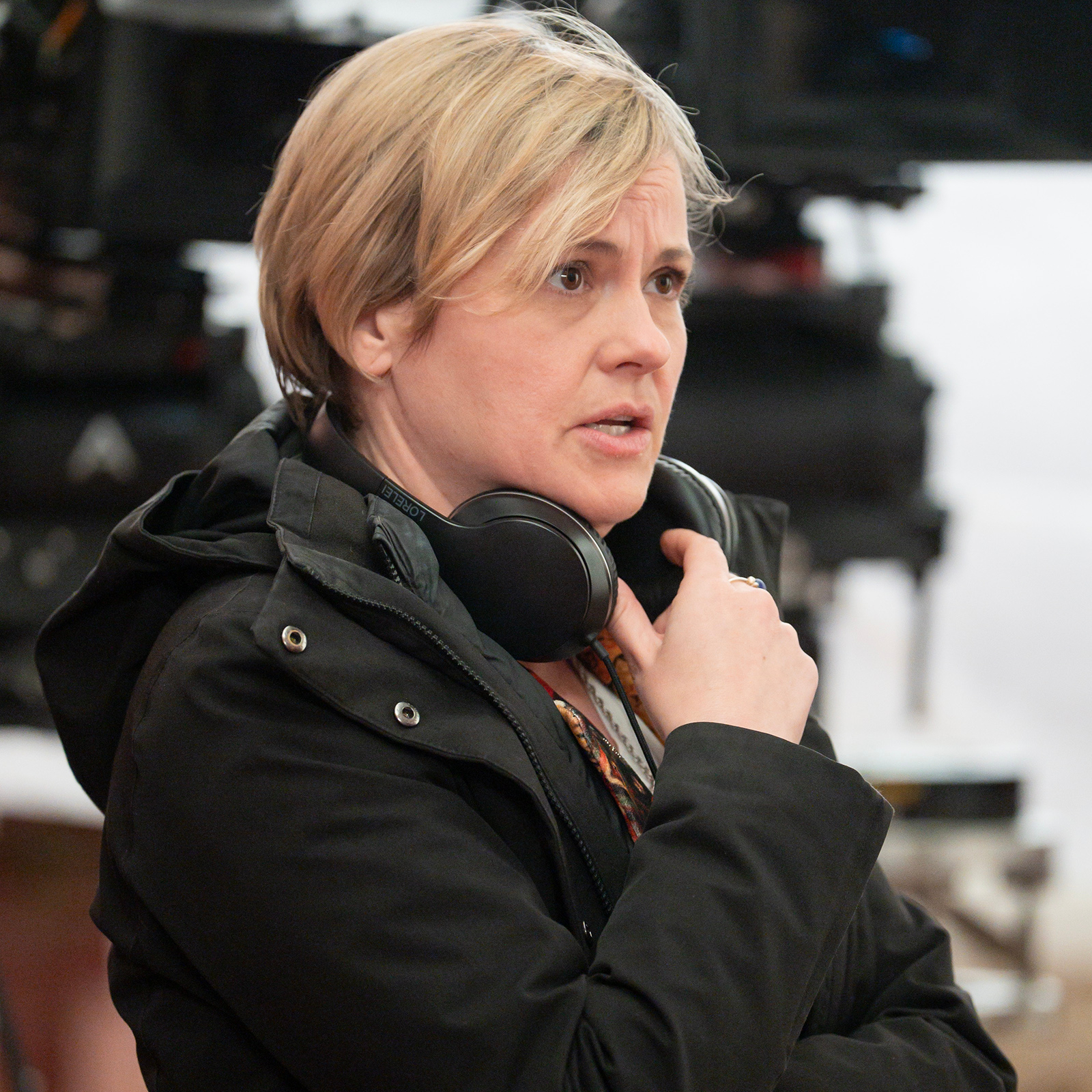
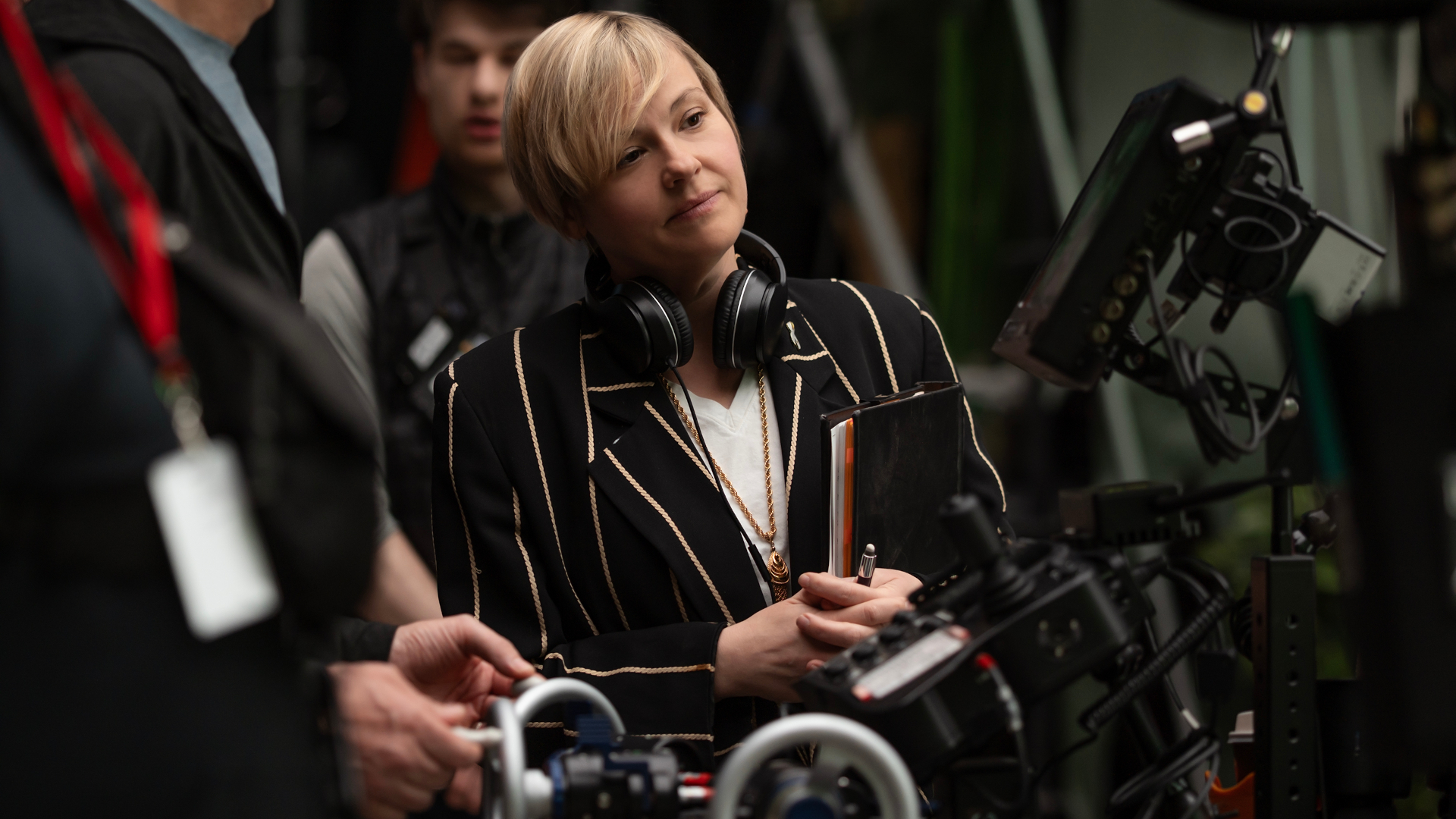
Featured image, showing Kimmy Gatewood directing Descendants: Wicked Wonderland, is by David Astorga / Disney.