Before I left my aunt's house, there was almost always something pressed into my hands.
Sometimes it was a Tupperware container of chicken curry and freshly made roti. Sometimes a paper bag of biscuits. Sometimes a plate wrapped carefully in foil. It didn't matter if I had already eaten. It didn't matter if I lived 20 minutes away. You didn't leave empty-handed.
There is a word for this.
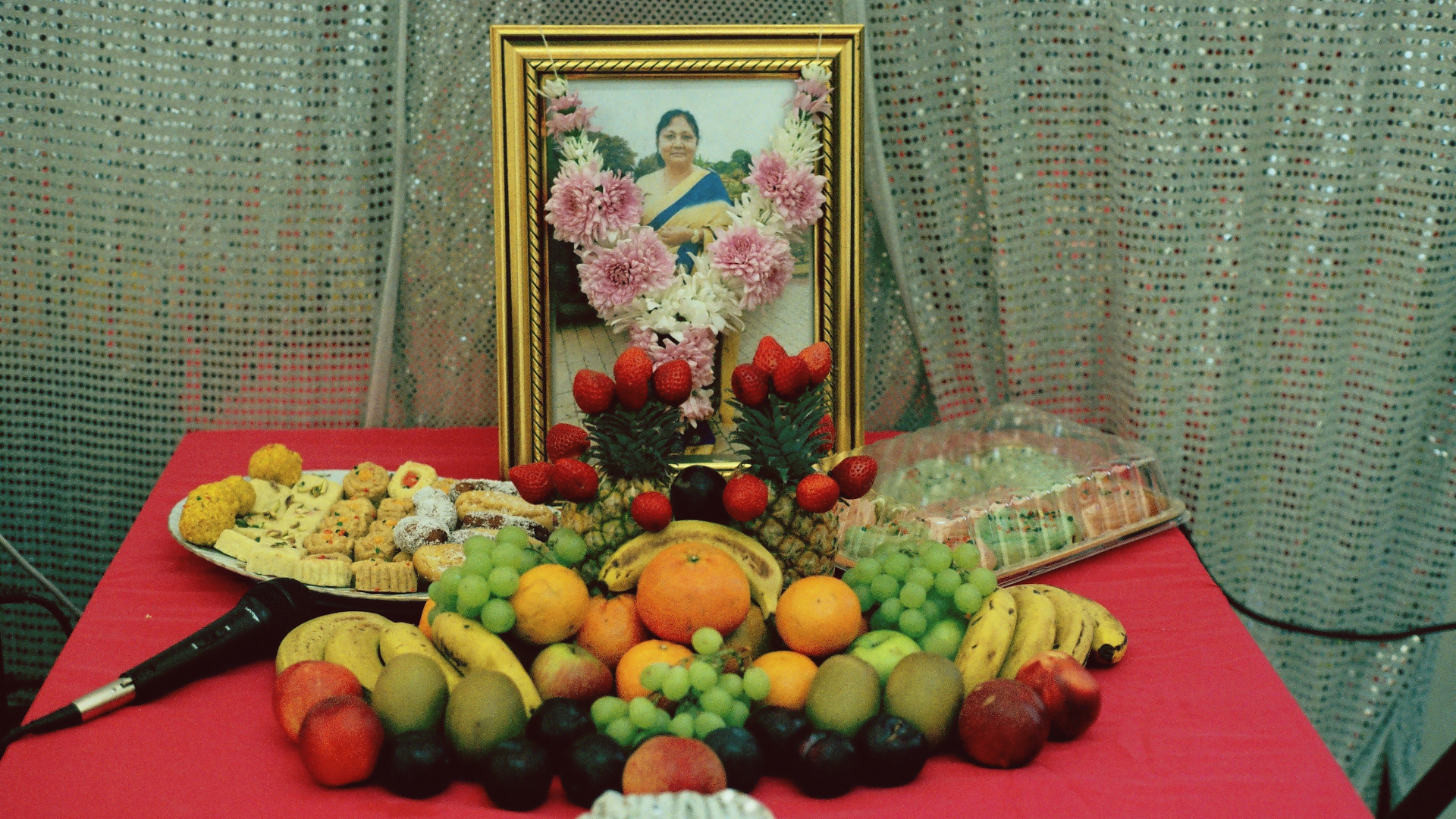
In the Malay communities of Cape Town, South Africa, there is a term called barakat. It’s not a term that is widely used across the nation, but it does live strong in many households – more as a gesture than a word. It is a creolized word that originally stems from the Arabic word barakah,which means blessing. In the present day, a barakat is the tradition of sharing food, usually leftovers or treats, with your family, neighbors and communities. A barakat is a blessing that refuses to remain in one place. It leaves one table to arrive at another. It asks to be carried. A blessing that you share. A blessing you can take home. A blessing you can consume.
I've written about barakat before, but I find myself returning to it again and again. Not because of the word itself, but because it has become a way for me to think about how things move through our lives.
A barakat is never just food.
It carries the fingerprints of the person who kneaded the dough, stirred the pot, wrapped the foil, and crossed the street to leave it at your door. It carries recipes inherited from someone who inherited them from someone else. It carries stories told while chopping onions, arguments interrupted by the whistle of a kettle, memories folded into spice blends whose measurements were never written down, the dance moves between stirs. By the time it reaches you, it has already lived another life.
----//----
For a long time, I thought this was something unique to food.
But I began to see that it extends far beyond, if we are willing (or rather, if we make the space) to receive it.
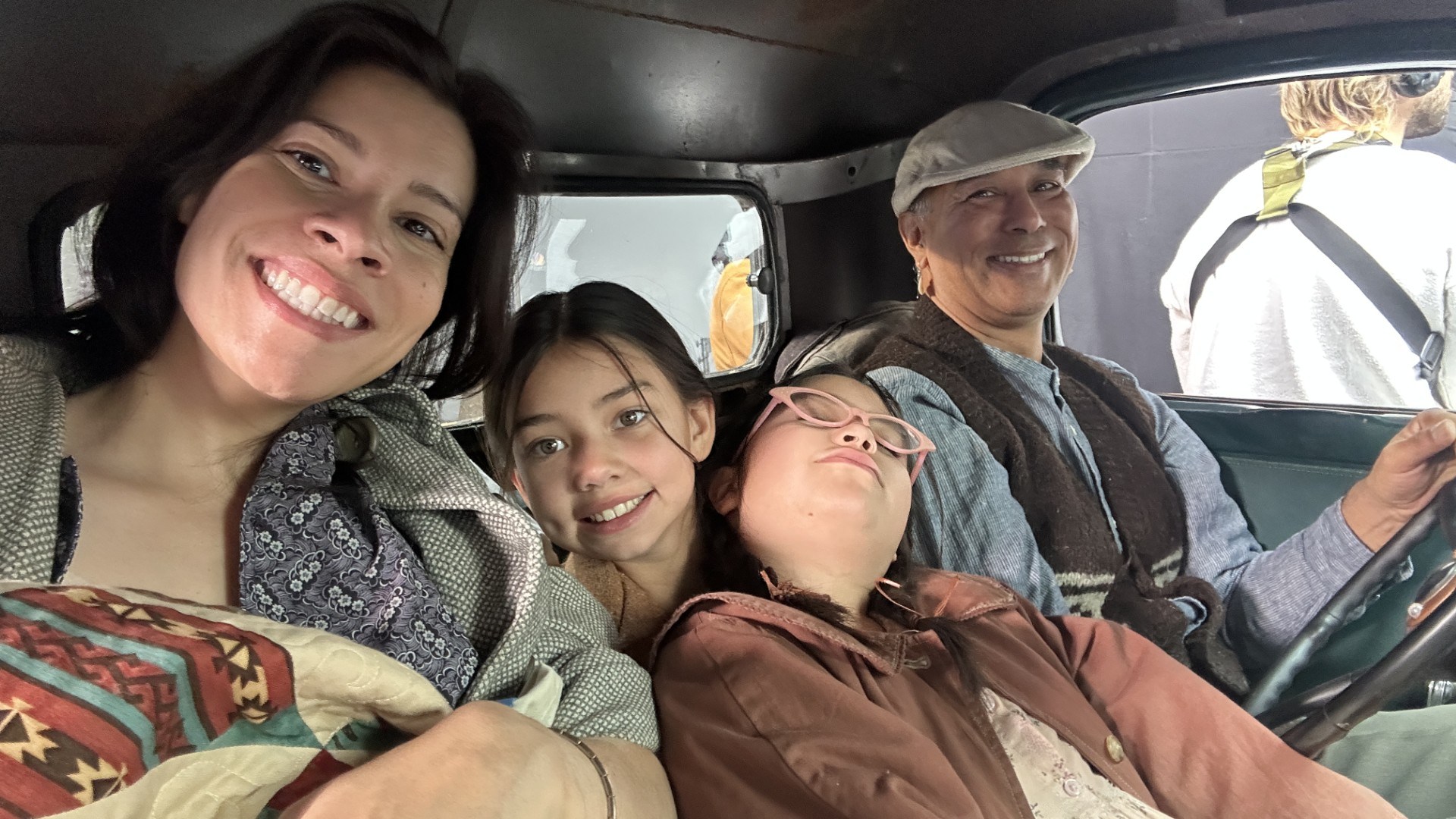
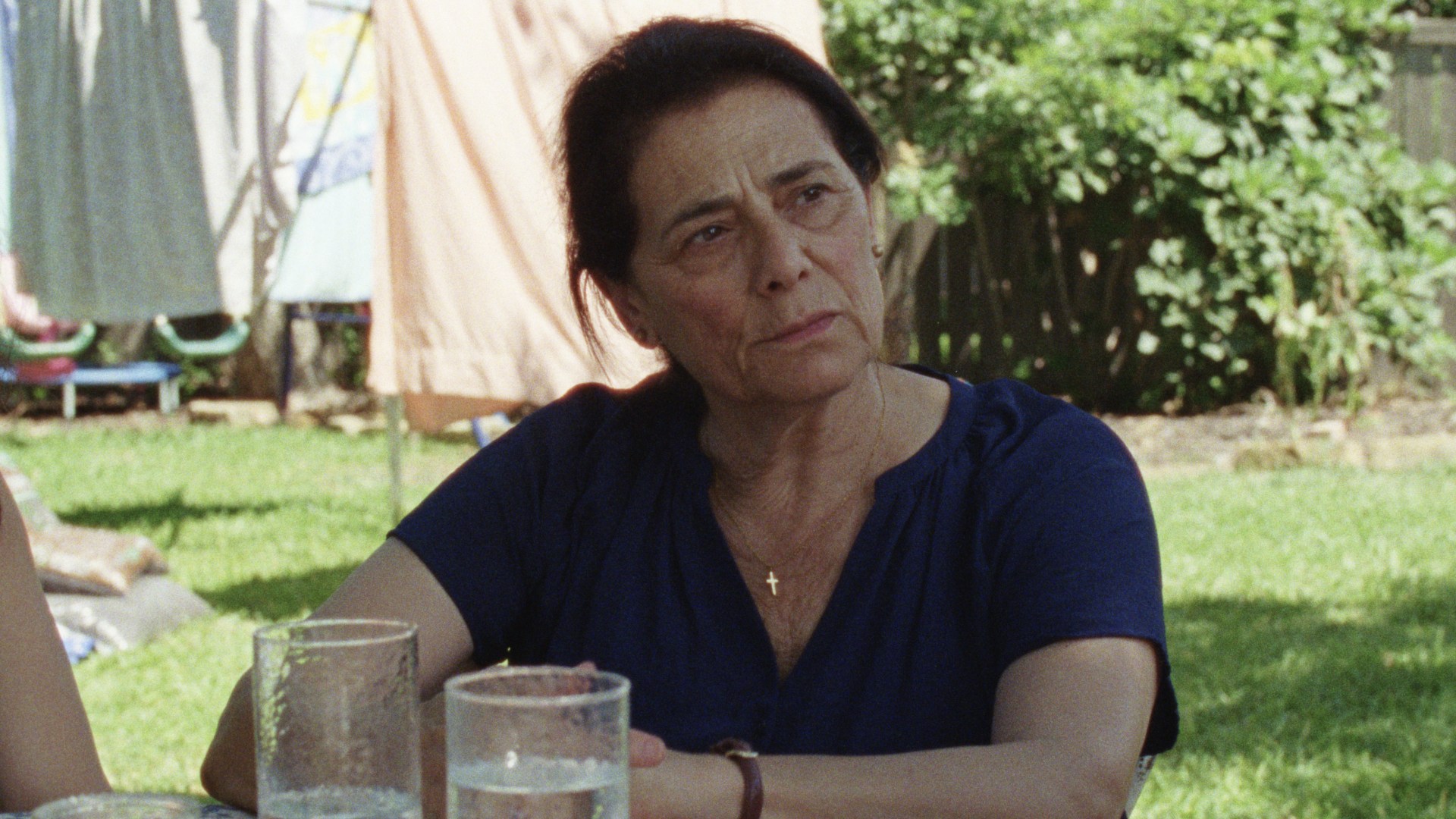
An old photograph placed in my hands. A story remembered differently by two relatives. A conversation that only happened because someone put the kettle on. A memory that surfaced while cooking. A silence that lingered after everyone else had left the room. A newspaper clipping in between the family photographs. What was said and what wasn’t said about growing up during apartheid. My debut feature film, mother, you have not died yet. but you will. and when you do, you will finally be alive again, slowly accumulated these gestures until I could no longer distinguish what belonged to me and what had first belonged to someone else.
It made me wonder where history actually lives.
Growing up in South Africa, I learned history in school through dates, legislation and elections. But that was never where my family kept ours.
Our histories arrived differently.
The state recorded our existence. Our families recorded our lives. They were folded into family albums where half the people were never named. They surfaced while someone rolled out rotis or stirred a pot of curry. They appeared in the passing comment about a neighbor who never came home after the riots, or an uncle who refused to speak about apartheid unless everyone else had gone to sleep. Sometimes they emerged accidentally, because one story reminded someone of another. Sometimes they disappeared just as quickly.
I began to realize that memory wasn't fragile because it could be forgotten.
It was fragile because it needed people.
A photograph on its own says very little. It waits patiently until someone points to the edge of the frame and says, “That's your great-grandmother.” Another person interrupts. “No, but this looks like Durban.”Suddenly the photograph becomes alive again. Not because the image changed, but because the people around it did.
Perhaps the archive was never the photograph.
It was the conversation.
It was always the gesture of passing it from one pair of hands to another.
----//----
That gesture has always felt political to me.
South Africa inherited no shortage of official archives. Our histories were catalogued through racial classifications, passbooks, removals and legislation. Those records tell us where people could live, where they could work, and who they were permitted to become. They tell us far less about the meals shared across kitchen tables, the stories whispered after the children had gone to bed, or the recipes that crossed oceans before they crossed generations.
Perhaps that is why I have always trusted these quieter archives more.
Looking back, I wonder if that is all filmmaking ever was.
Not authorship.
Not preservation.
A passing.
----//----
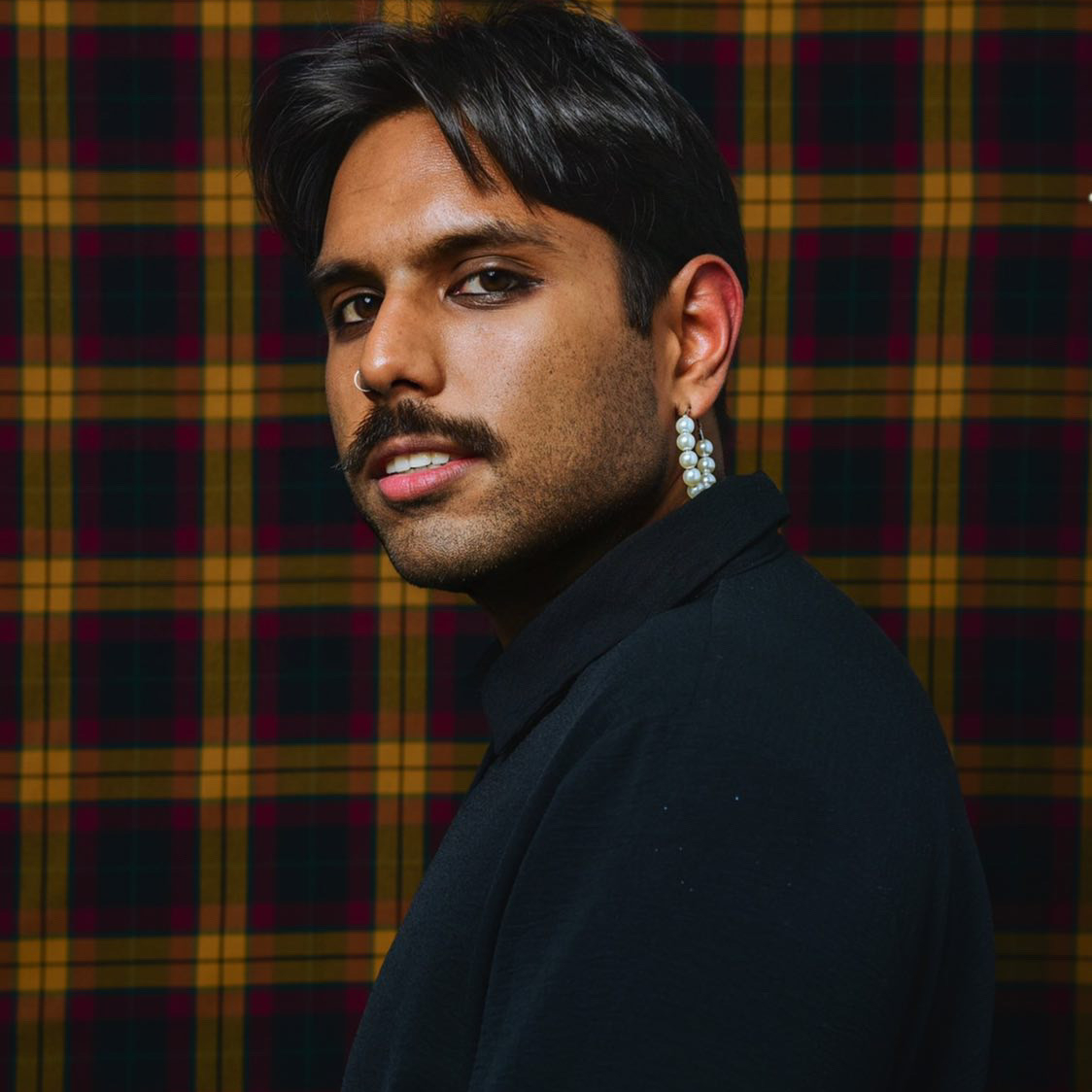
Family and friends have asked how I made my new film, mother, you have not died yet. but you will. and when you do, you will finally be alive again. I never quite know how to answer. The question assumes there was a moment when the film began with me. But by the time I picked up a camera, the film had already been moving through my family for decades
It became impossible to ask my family for “the correct version” of a story. Every conversation offered another version. Another memory. Another contradiction. Someone would interrupt. Someone would laugh. Someone would insist it happened differently. At first I thought these inconsistencies were something the film needed to solve. Eventually I realized they were the film. The contradictions weren't obstacles to the work; they became its form.
It felt less like making something than carrying something. For years, I thought I was gathering stories. Eventually I realized I had only been entrusted with them.
----//----
Not every barakat is sweet.
Some arrive carrying silence.
Some carry shame.
Some carry histories no one ever intended to pass on.
The stories that found me were contradictory. Tender one moment. Cruel the next. They carried generosity alongside prejudice, intimacy alongside silence, love alongside the unfinished work of apartheid into the present. Like every inheritance, they arrived tangled together.
Every image in this film began with someone saying, “Come, let me show you.” Every story had already belonged to another person before it reached me. My responsibility was never to own them. It was to carry them with care before passing them on once more.
Someone has to remember the story well enough to tell it again. Someone has to keep the photograph instead of throwing it away. Someone has to cook the recipe one more time before it’s forgotten.
I still think about those containers filled with food.
They never stayed in our house for very long.
We washed them.
Filled them with something else.
Walked them back across the road.
Perhaps that is all I have tried to do with this film.
It was never mine to keep.
Only mine to carry for a while.
Now I pass it on, the way every barakat is passed on.
Waiting for someone else to carry it home.
All images courtesy Advik Beni.