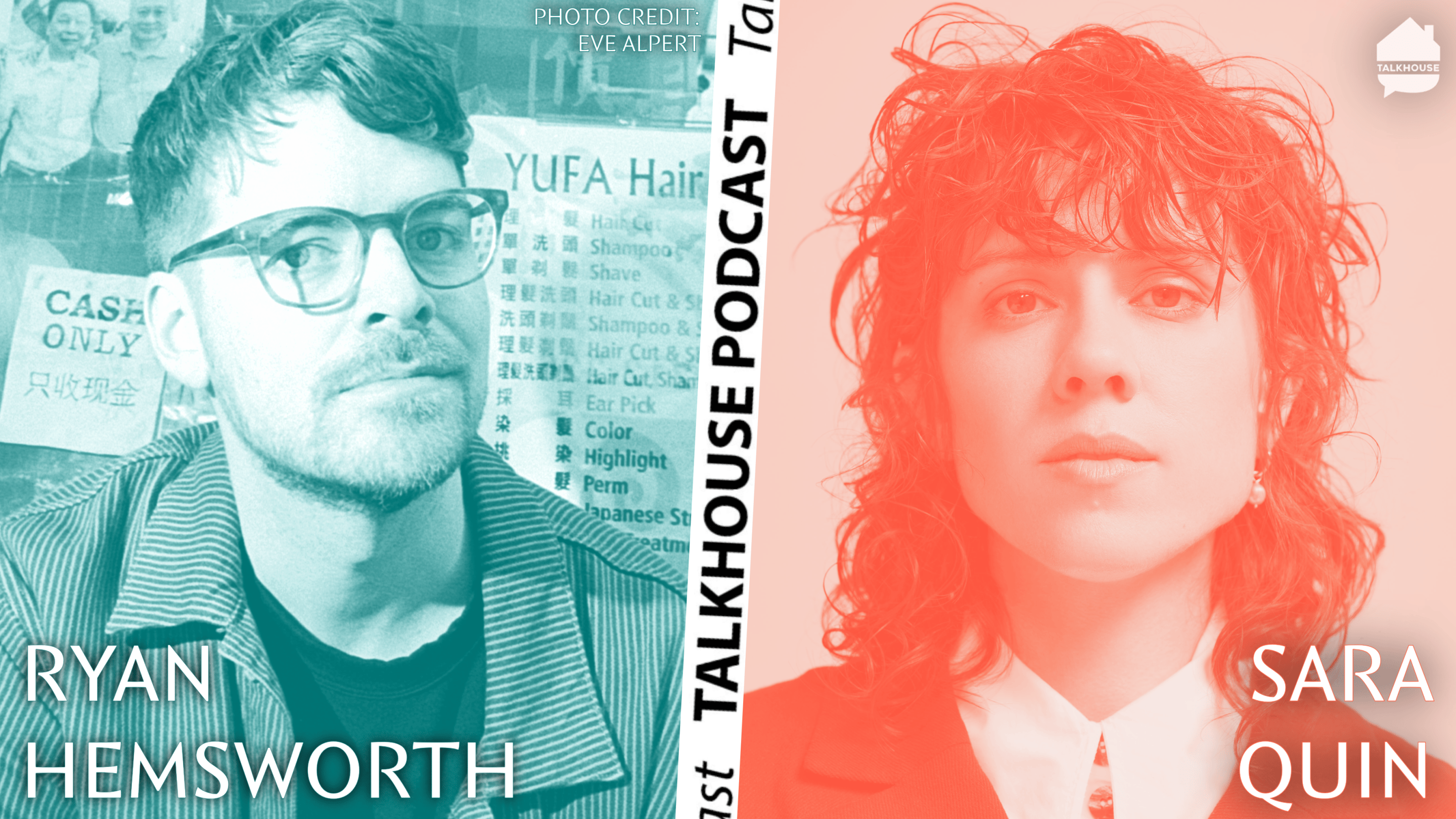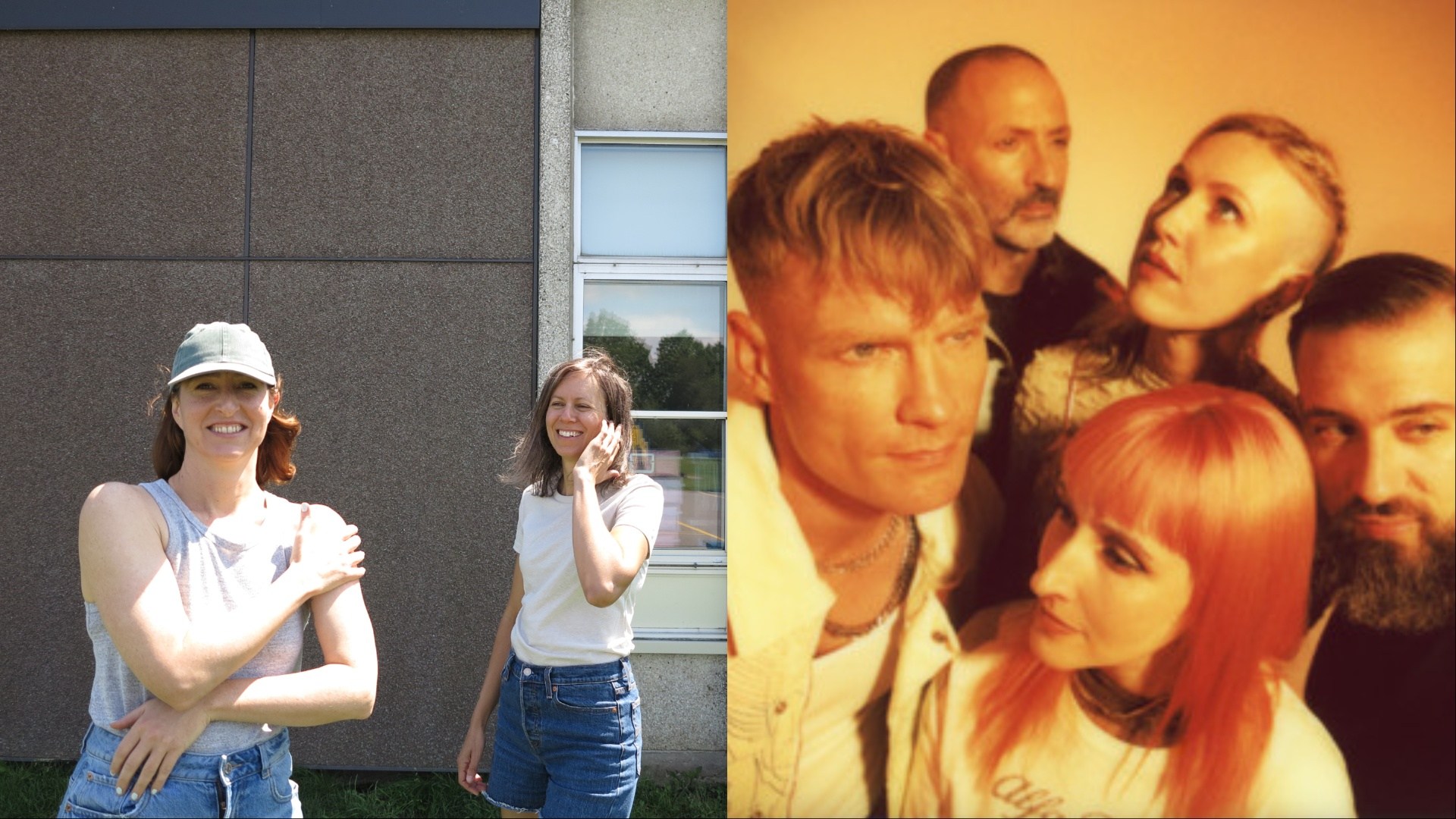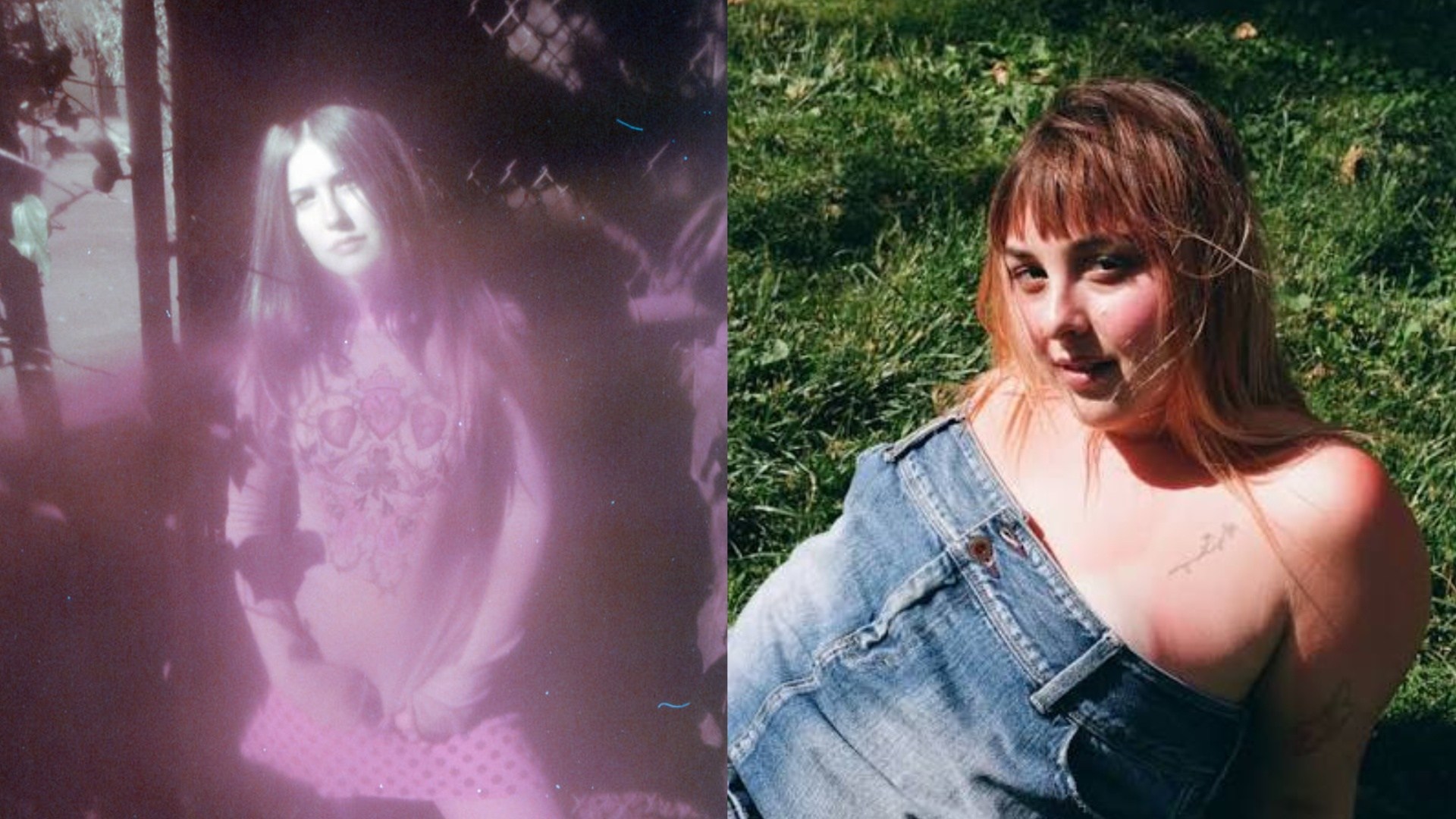
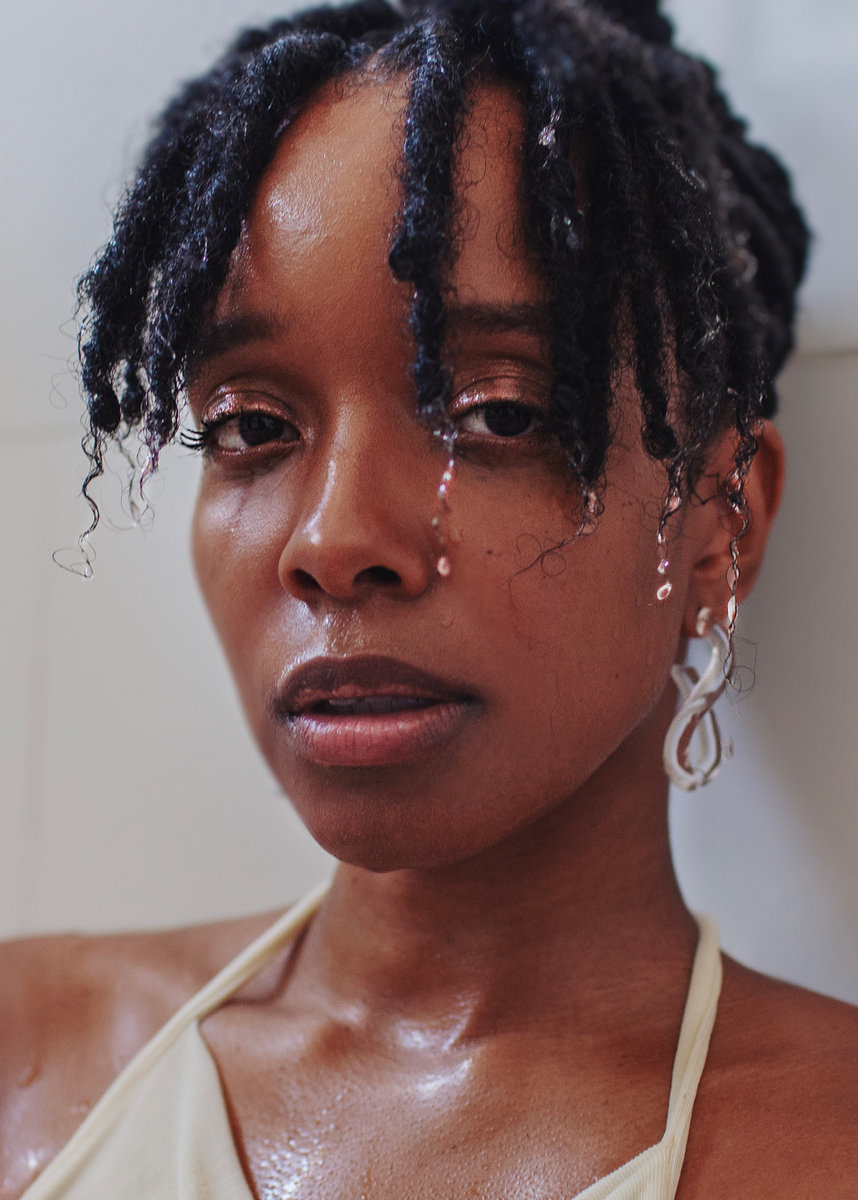
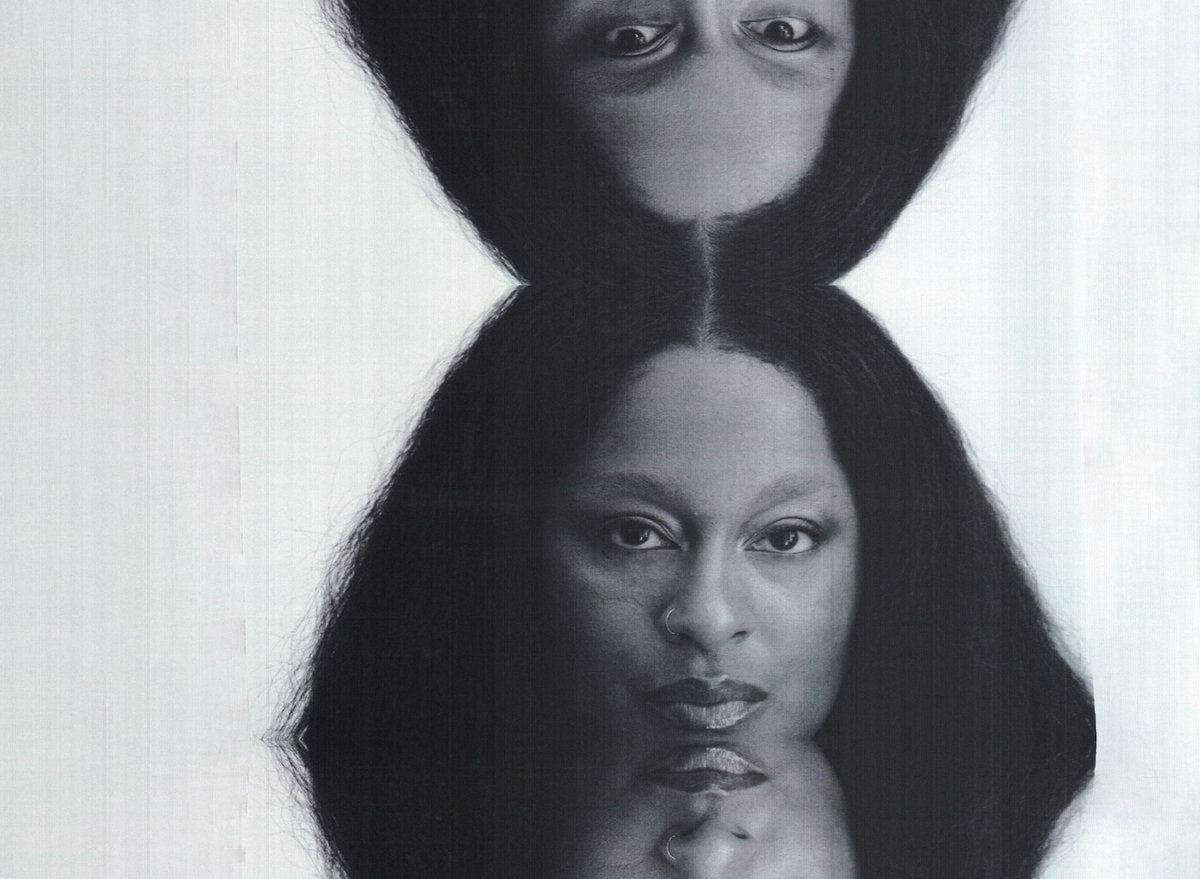
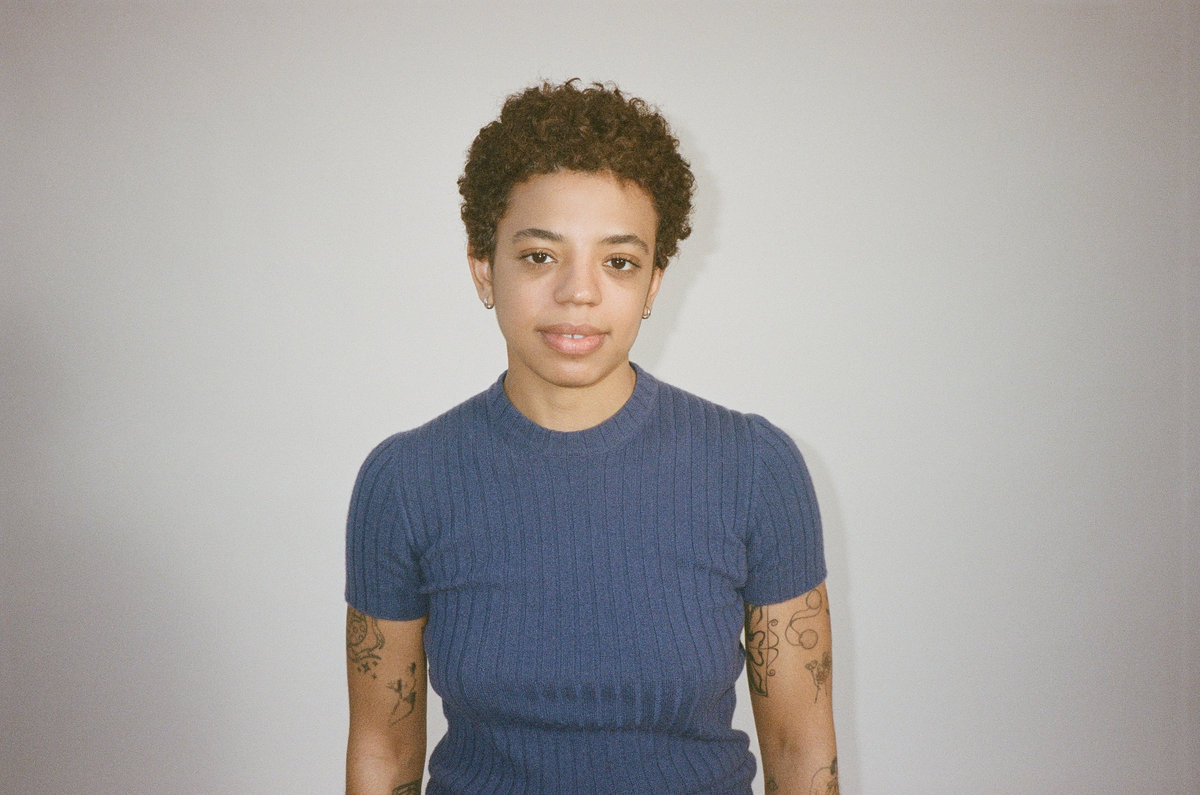
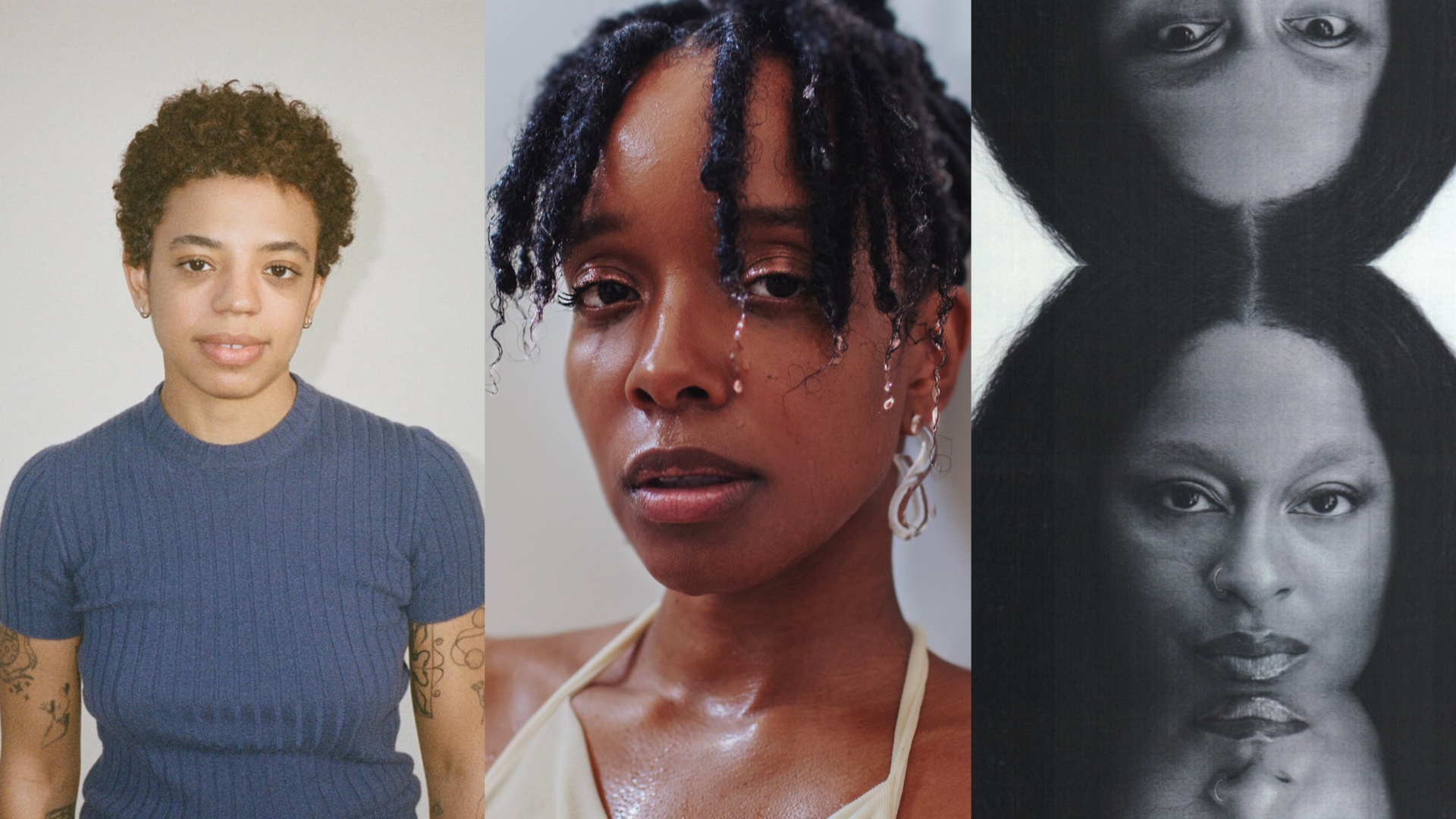
Taja Cheek, aka L’Rain, is a multi-instrumentalist, composer, and curator from Brooklyn; Jamila Woods is a singer-songwriter and poet from Chicago; Tasha Viets-VanLear is a Chicago-born, New York-based singer-songwriter who performs as Tasha. Taja and Jamila both feature on the track “Spring” off of Tasha’s new record You Are Spring!, which just came out last month on Bayonet. To celebrate the release, the three got on Zoom to catch up about collaboration, community, and much more.
— Annie Fell, Editor-in-chief, Talkhouse Music
Taja Cheek: Do you want to talk about where you are and what you're up to right now?
Jamila Woods: I'm in Chicago, in my apartment. This week, I'm just adjusting to being back home. And my best friend is putting out their book of poems tomorrow, so I'm going to read poems with them. This weekend, I’m going to Dallas for a music and poetry festival where I'm going to do music and poems in the set, which I haven't fully done. So, lots of poetry things happening.
Tasha Viets-VanLear: That's great… What am I doing? I don't know. It's sort of just the blur of when you're getting ready to release a record and there's a lot of stuff to do, and I can't tell you what it is, but there's just stuff. [Laughs.]
Taja: Yeah, how are you feeling, Tasha?
Tasha: I'm feeling really good. This album release has actually felt different than all of my other my previous ones for some reason. I've been trying to pinpoint why, and I think there's something about [how] I did it really fast in this way that I haven't done before. I knew when I wanted to release it and then I worked backwards from that time, so I was recording and writing kind of on a deadline. I think that it made it so I couldn't think about it too hard. And Greg [Uhlmann], my friend who I recorded with in LA, we didn't have that much time to be in the same place together so we were also recording really quickly. He was doing a lot of things on his own and we were sending things back-and-forth to each other, and then just kind of decided it was done. I think maybe it's made it feel really intuitive. And it didn't feel that way in the moment, but somehow listening back, it feels grounded and natural. Now in the aftermath, I feel a lot of serenity, which is a great way to feel. You think so much about an album when you're making it, and the story of it, and you have to do so much pre-narrative-izing of what that story is. But I often find that I don't actually know what the real story of it is until after it's out. I relisten and re-understand it in the second phase of it. It's like this really cool magic that happens where I'm like, Oh, these are all these secrets that I was telling to myself, but I didn't know it until now.
Taja: That's very relatable. I've also never heard anyone say that they felt calm after releasing a record. You're doing something very right. [Laughs.]
Jamila: [Laughs.] I love that, about not overthinking while you're making it and how that can contribute to that calmness. Because if you're always making every decision into this big decision, after you make them all, you might be fatigued. But if you just let it happen how it felt, like, “That felt good, so it's good,” then it spills over.
Taja: Yeah. I feel like even in this beginning intro phase of this new record, a lot of what you've been talking about is rejecting what other people think you are making, and really choosing not only what you want to make, but what people perceive it as. I wonder if you can talk about that and how that has been feeling.
Tasha: I feel like for a long time I was just taking things as they came and I wasn't actually thinking about what I wanted and how I wanted it. And I feel like for the first time, I'm thinking about that and doing that. But that means de-prioritizing everyone else. [Laughs.] And thinking mostly about myself, which has been freeing. But also really choosing who you're in community with and whose energy is around you, and that's felt really, really good. Playing with you, Taja, is a part of that. It's choosing whose music you want to contribute to and how you do it.
Taja: Jamila, Do you feel like you've been learning what that feels like, or trying that in different ways? Because you've been doing this for so long.
Jamila: Oh, yeah, that resonates a lot, what you're saying about prioritizing how you feel and how you feel around the people that you're collaborating with. I was just in Minneapolis last week working with an artist that I really like. He brought in a bunch of the people he works with all the time, and it felt really nice. They're all really tapped in with each other, so we would make a song and then we'd all be like, “That was so fun!” And then we’d just do another one. I almost was crying telling a friend about it because I haven't really made like that in a long time. That's how it used to feel when I had my duo band [Milo & Otis with Owen Hill]. It wasn't this sense of pressure, like, Oh, man, it's been so long since I put something out… Is this going to be good enough for the thing that people are waiting for me to put out? So that felt really good. And I like hearing you say [you’re] prioritizing how it feels over what the product is, because how it feels is always going to guide to something worthwhile.
Taja: I love that. And fun! Sometimes — it feels so silly and kind of sad to say — I forget that it's supposed to be fun. It's supposed to be joyful. I love that you're having that experience.
Tasha: Yeah, absolutely. I think that's what also has felt really transformative about this release process: I'm really choosing to let it be fun. And not think too hard or be self-conscious, I guess. It's helped tremendously.
Taja: Tasha, has your side quest musical endeavor also contributed to this feeling of lightness?
Tasha: Which one?
Taja: The clarinet side quest.
Tasha: [Laughs.] Honestly, it has. Last year, I was like, Ugh, guitar, I don't even like this instrument anymore. Which wasn't true, but I wasn't having fun playing it and I was thinking too much about being good at it. And maybe it's counterintuitive, but the solution felt like learning something new, because I felt that it would bring the play back into it. Like you said it, music doesn't feel playful sometimes when it feels like your job. But the clarinet has felt so playful. It was so embarrassing to begin playing it and to be so bad and be like, Woah, I don't know what I'm doing at all. But then to feel that switch into this new reaffirmation of, Oh, I am a musician not just because I play guitar, and I write songs; I can be a musician in these other ways and I didn't even know that — it became this really beautiful process of learning and practicing and feeling myself get better, but also feel like I was connecting to it the way that I connect to singing or to songwriting. There's also something about showing off a little bit. Like, I'm extra excited to share this thing because it's new and it's special and I haven't done it before, and I want to show off. [Laughs.]
Jamila: It’s so fun to be a beginner at something.
Tasha: Have you felt that with anything? Is there anything you've been doing for the first time?
Jamila: I've been doing sound healing for the past year. That and getting back into poetry. Even though I've done poetry for a long time, I signed up for a bunch of poetry classes in April and was a student, literally, with some people who weren't ever poets before. So it was really cool to hear their impressions and also be returning to this thing that was very familiar to me at one point but now feels pretty far away. And I have homework — I gotta do it, I can't dilly dally and think of how I make it perfect. So that's been really cool.
Taja: Does it feel like something you're going to carry into future projects?
Jamila: I want to, yeah. I want to put out a poetry book. But I also was thinking about how, for my first two albums that I made — you know, sometimes it feels like you're creatively constipated, and my third album, I was constipated. I was rubbing my belly, I was trying to get it out. But the first two, there was a rhythm to how they came, and I think it was because I was writing poetry while I was making it. So I'm hoping that by writing poetry again, it changes how how I'm approaching songwriting and it feels more easeful.
Tasha: I love the idea of having a parallel art form, that they inform each other in that beautiful, seamless way.
Jamila: They definitely are in a symbiotic relationship with each other, feed each other. Do you have anything like that?
Taja: I realized very recently that I don't have any hobbies. [Laughs.] I also don't have other things that I really do. I guess there's curatorial work… But I'm so used to making them repel each other that I'm now trying to figure out how to get them to come together as one thing.
Tasha: That’s interesting. What do you mean, making them repel each other?
Taja: Because institutions generally just want to take your soul and your time and your resources, and they get weary if you do anything else. So when I was working in other places, I was accustomed to just not telling them anything about being an artist because I thought they would take me less seriously. And then, you know, the opposite is also true. If you're an artist, people take you less seriously if you have a job. So I was just trying to toe the line as much as I could.
Tasha: That makes a lot of sense. But also, especially because you've done all of this incredible work with performance space, I wonder what's the thing that keeps drawing you back to this kind of curatorial work?
Taja: I mean, performance space is just completely different. Honestly, it's feeling a sense of indebtedness to other people or wanting to be in community and like I can let go of my ego. I feel like when I'm doing my best curatorial work, I'm not thinking about myself at all, and I'm really just thinking about the work and the artist and how to be of service to it in the best ways. It's the same reason why I like playing in other people's bands: It's not about me. It's about someone else and their vision. It feels really, really important. Everyone who leads a band should play in someone else's band for a little bit, to see leadership through someone else's eyes or to see someone else's vision through.
Jamila: Do you feel like you approach your live shows with that same curatorial mind?
Taja: I'm sure it's there somewhere. With the record, I feel really protective. It's mostly me and I get really shy and weird. But with the live show, it's like I'm bringing people in specifically to be themselves. Whatever happens on stage, it's about all of us being ourselves on stage, or the other musicians’ interpretation of what I'm doing in their own way. And that feels like maybe a curatorial impulse.
Jamila: Yeah. I love understanding curation as honoring the artist’s soul or what they want to express. I never really thought of it like that.
Tasha: It's interesting to ask that too, Jamila, because as I'm preparing for my release show, I've been thinking about what it means to be a bandleader and also artist and songwriter and performer and musician. It's hard and feels confusing. And I think hearing you say that, Taja, makes a lot of sense, just knowing who you play with and how your shows feel.
I wonder, Jamila, how you approach that, and how you think about the live part of your music when you have to step into all of these roles at the same time. You've worked with people who music direct for you or alongside you.
Jamila: I was just talking about this with my sister because she's wanting to put out her first album and would be her own bandleader. I was saying, “Maybe you want to let someone else help you with that…” You all, I feel like, have more musician skills, so [for me] it's partially just to have someone who's a translator. I'll work with them and direct how I want it to feel, but then they can translate it to the band in a way that's more efficient. I really love having also a thought partner — because I've been touring for a long time so my band has played so many versions of all the songs at this point, and it's because there's other people coming in who can see them and hear them in a way that I can't. So I really like collaborating with people in that way. And over time, because I've played with most of my bandmates for years, now it's like there's a director and they're the boss, and everyone is inputting ideas, which is really cool.
Tasha: That takes so much trust to be able to work in that way. That's amazing.
Taja: Also, as your music changes, it's like: how do you take things from so, so, so many years ago and make it feel like a part of the same universe of the thing that you're making right now?
Jamila: I think about that a lot. I'm actually curious how you all feel about the idea of cohesion in your albums or your projects. What does it mean to you to be cohesive and is it valuable to you?
Tasha: You know, I was actually interviewing this artist named Kimaya Diggs, who's a singer-songwriter performer in Massachusetts — she asked me to write her album bio, so we had a conversation about her music, and we were talking about this because she loves so many different kinds of music and her album crosses a lot of sound and genre. She was saying that she doesn't feel self-conscious about it at all because she feels that the cohesion just comes from her spirit, from her songwriting and her vision, and that's enough to make it feel cohesive. I think there's something about that that I agree with and relate to. It's just inherently cohesive because it's coming from the same person. I mean, all of my music sounds really different. The first thing I ever recorded was an R&B EP thing, my first SoundCloud project that I made with my friend’s beats. That needed to be the first thing that I made. And I wouldn't necessarily play those songs again, but I don't mind it letting I don't mind letting it be a cycle. That was before, and I don't have to find a way to make it connect to what I'm doing now. I'm just in the cycle that carries on into something else. I get very, This is me now, about it all.
Taja: I love that. That reminds me of that game — I don't know if you ever played Katamari Damacy.
Jamila: I was thinking about that game yesterday! Because I saw I Love Boosters.
Taja: Yes, exactly! Over time, you get more and more references and that just becomes who you are, right? You're showing more and more of yourself. And it could be more of the same; it could be lots of different things. But you're revealing more and more. I think about it as like a ball — you're just accumulating as you roll along.
Jamila: Amazing reference.
Tasha: Wait, I actually don't know what that is…
Taja: It's a really fun video game. I'll come over sometime, we'll play. [Laughs.]
Tasha: [Laughs.] Great. Something else I was thinking about: I feel this way too, but I think especially for both of you, you have such strong ties to the place where you're from, and it's a part of what you make and who you are as an artist. And I feel like, Taja, I actually haven't heard you talk about it as much, and it's cool to be reminded of that. Especially in New York, people choose to identify as people who live in New York right now in this moment, but I think it's really important to hear about people who are from here and how it is different, because this is such a place where people arrive. I wonder how that's been showing up for you, and what felt important about having that be in your music this time.
Taja: I love that. I also admire that about Chicago people — that's why it's such an amazing place to me, because there's no other city that I travel to where I'll see musicians who are in completely different scenes who really know each other and fuck with each other and spend time together. It feels so community-oriented in a way that other cities are not. Chicago people really rep their city in a way that I love.
I feel that way about New York, too. I have generations of family here: My grandmother lives in Bed-Stuy and my uncles and my dad and my dad's dad had a jazz club around 10 minutes away from where I spent the past 10 years. There's so much history in this place, which is amazing and beautiful, and I feel it in ways that are really special to me, but also can be very overwhelming. And I feel like at some point I have to leave this place. New York is a small town for me, and I feel like it is for my family too. But it's very special. It's a part of who I am. So much of my music is made based on recordings that I take from wherever I am, and a lot of them are here in New York. The energy that's in those recordings ends up being transmuted into songs, so it's there in the music in a very palpable way.
Tasha: It's a weird thing to be away from Chicago. There's something that's unsettling about sharing after not being there for a while now. And I love it here, but it just doesn't feel like the place where I'm from. Home now is something else, and it becomes the thing that I carry along with me or that I find in the people and the relationships that give me that same sense. I get a lot from New York, but it's not that exact feeling. Which is OK.
Taja: People love you everywhere, but having played with you in Chicago, playing your music with you in Chicago is very different. It’s very special.
Tasha: That was really special. How are you feeling about it, Jamila? Would you ever leave Chicago?
Jamila: I had been planning on it, a bunch of stuff just happened… But I think I'm definitely into [being] bicoastal, having a winter somewhere else. LA has been that place for me. I've been spending a lot of time in LA in general. I was going to ask if you feel like other cities bring out different energies in you, because I feel like spending more time in LA definitely helped me with a slowness. Like, “I'm gonna go on a walk before I do anything else.” The way that I would spend my days was really healthy. But I think in terms of working there, it was definitely a learning experience of, you have to find your people. It's not like in Chicago. Everyone there has different histories and traumas and you have to find your specific people.
I like traveling, but Chicago feels like my safe space. It's where I come to reground. I've hanging on to this apartment as long as I can stay here, because my family's all here, and it's very easeful. I know exactly how long it takes me to get everywhere. If I need something, I know how to get it.
Taja: Yeah. Chicago, I feel like, is also one of those places where at least in my experience, people want to help and be a part of something. I'm such a Chicago fan. [Laughs.]
Tasha: I love that… One last thing I've been thinking about: In this release of my record, I've been thinking so much about the gratitude I have for the way my life and my music feel really intertwined with who I'm choosing to have around me. I'm thinking about dreams coming true or the fruition of something that you're working toward, and reframing success and what that looks like. I wonder, when you think about what you want, what achievement looks like to you right now?
Taja: I don't know if this answers the question, but the day your record came out, a bunch of people texted me — I think because they knew we collaborated — but they were just like, “Tasha's record is so good! I'm really loving it. It's so beautiful.” And that was a really cool moment to me, that other people wanted to talk to me about how they were engaging with your work. It made me feel like I was a part of a community and that I'm really connecting with people in a way that other people can also recognize. That made me feel really good and grounded and happy. That felt like success for me.
Tasha: Wow. That's really nice to hear.
Jamila: Yeah, I got some texts too… I remember when I was in college, someone visited our performance studies class. Everyone in my class was either from New York or LA or wanting to go there next, and I asked the speaker afterwards, “Everyone's going to New York or LA and this is what I do. Where do you think would be best for me?” And they were like, “Well, where are you from?” And I was like, “Oh, I'm from Chicago” — and I start talking about Chicago. They were like, “Um, well, I think you should go to Chicago, because you just talked my ear off about Chicago and it sounds like you can grow your wings there. When you have your people around you, circles rise together, so you'll be able to do that.” And I loved that. That idea has been so central with me and my friends. That is part of what success looks like to me, that I keep getting to do fun stuff with my friends. Also, when I do something like have a show and I see people come and it's like, “Oh, that's my student!” — being able to do that here feels like success. And then hopefully building more of that in other places. I feel like I'm starting to build that in LA and New York, and being able to feel more than just like I'm passing through this place.
Taja: I think that's such a model for so many people. I remember seeing the interconnected communities that you were part of and being like, Oh, wow, that's possible? That's so cool that everyone is helping each other! Because New York can be so weird sometimes where people can be really cut throat and not want to help each other. There's another side too, but that is definitely around. So an alternative where people are actually helping each other and really invested in each other's work and lives and careers, that was always really cool for me to see from afar.
Jamila: Yeah. You're not going to lose something if you are sharing in your success or supporting someone else in their success.
Tasha: I'm really grateful to have you both on this project. This is so much what we're talking about, but it does feel like this melding of my worlds. To have known you, Jamila, for so long, and Taja — you've become such an important part of my life here, in my music and just in my friendships — it's an honor to get to have you be part of this work and to be friends. I really appreciate the ways that you both have supported me and continue to. Thank you.
Taja: Thank you. It's an honor. I'm so happy for you.
Jamila: Yes, so happy for you. And just grateful to get to sing together.