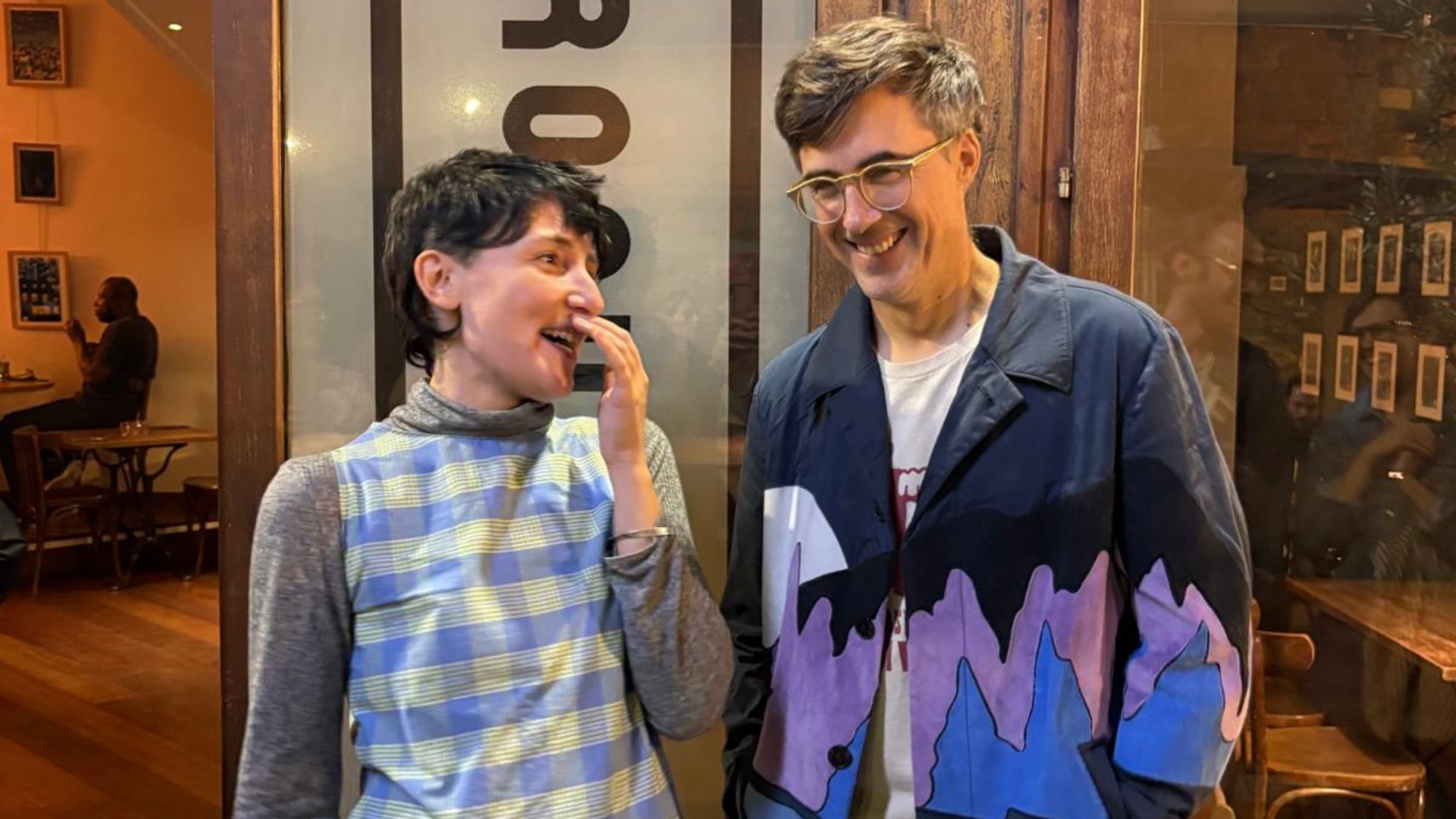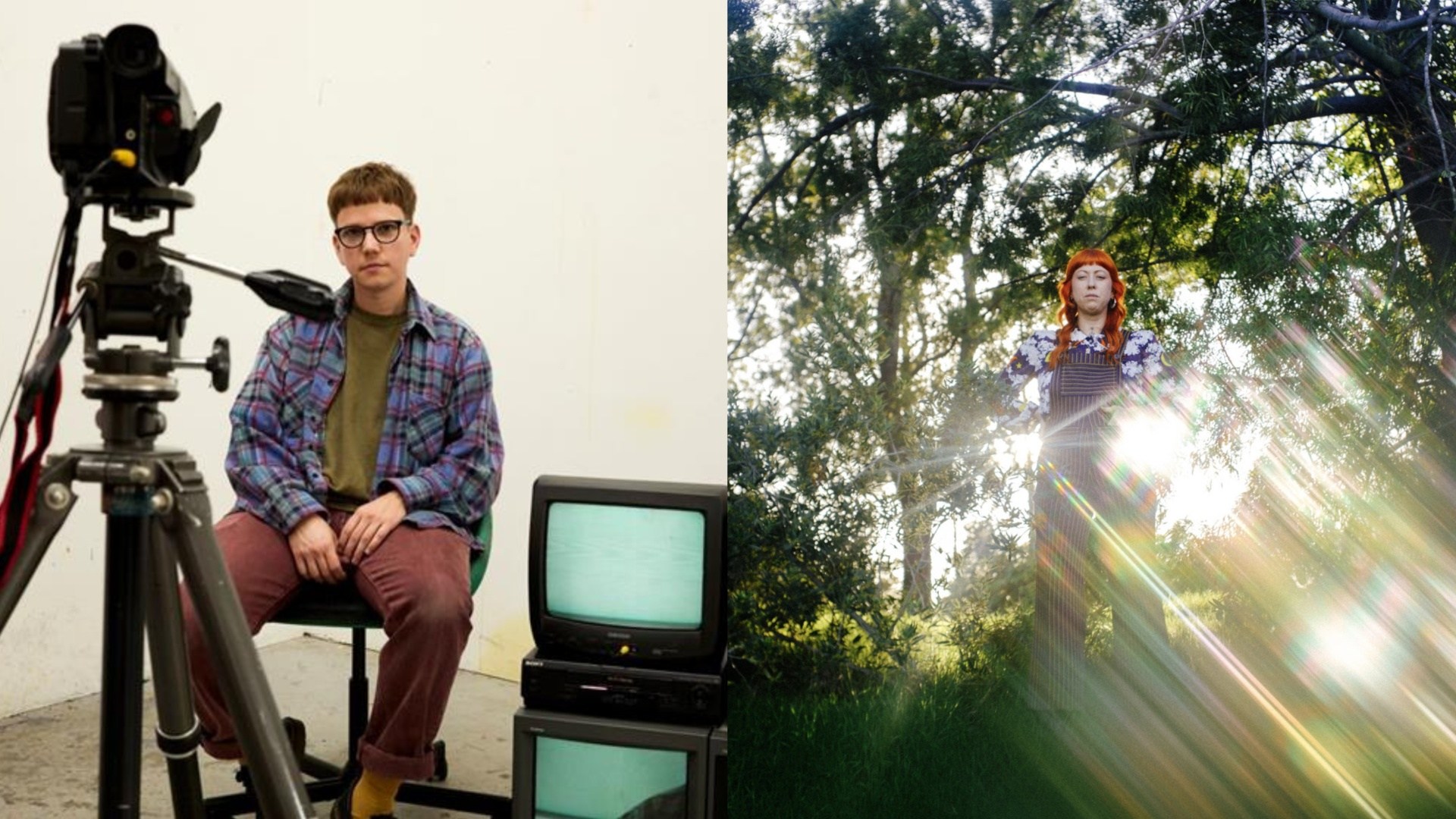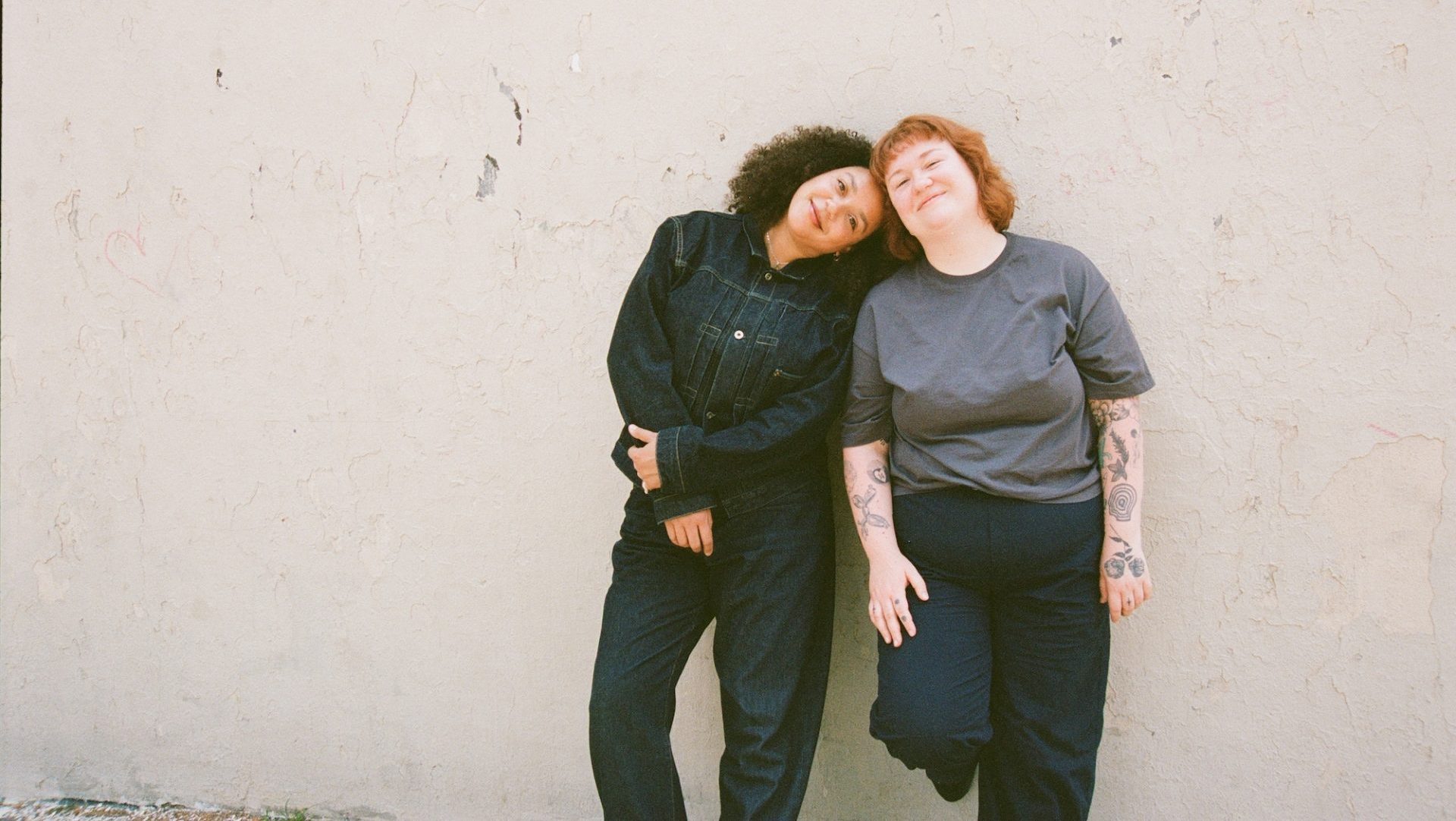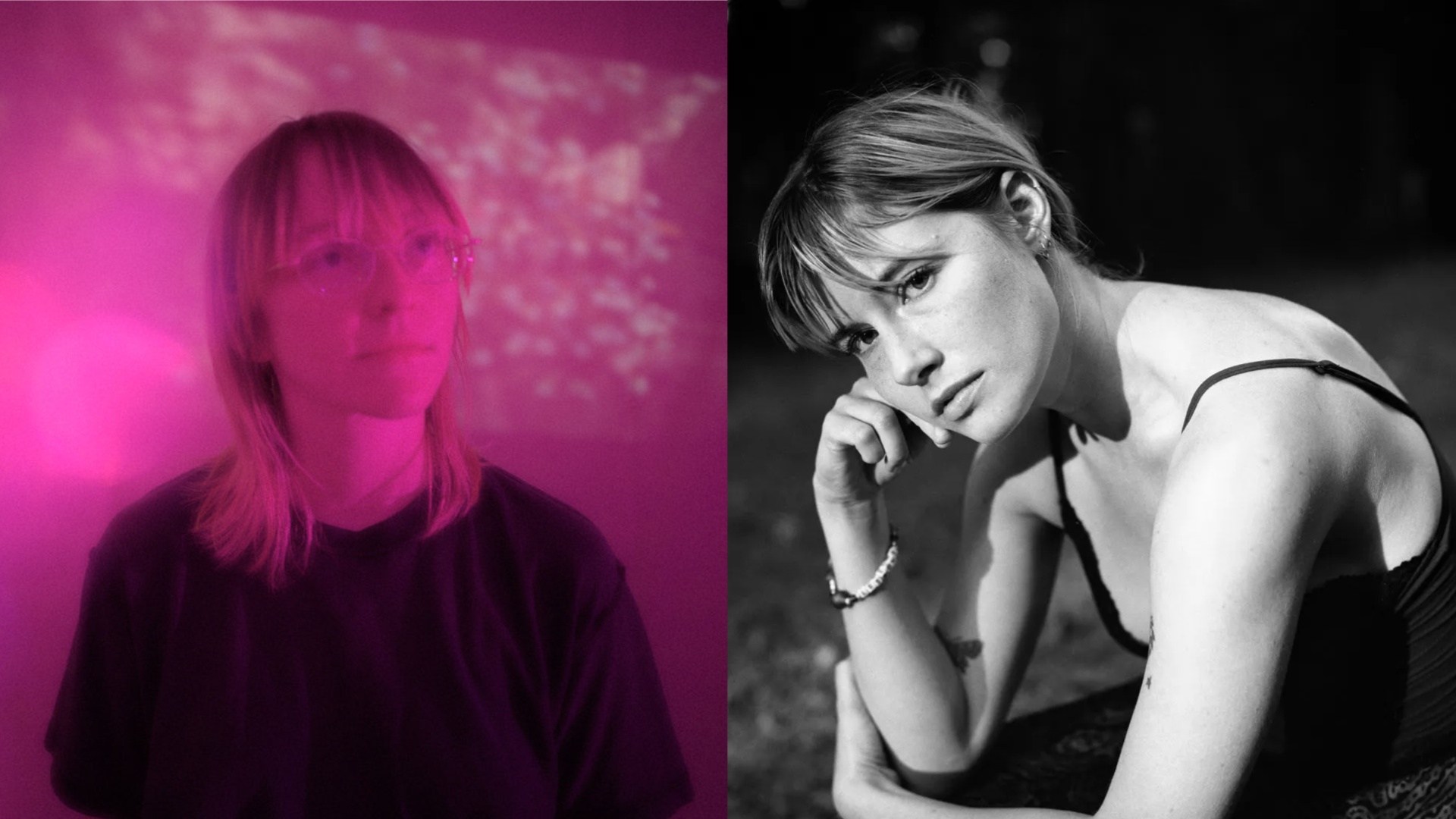

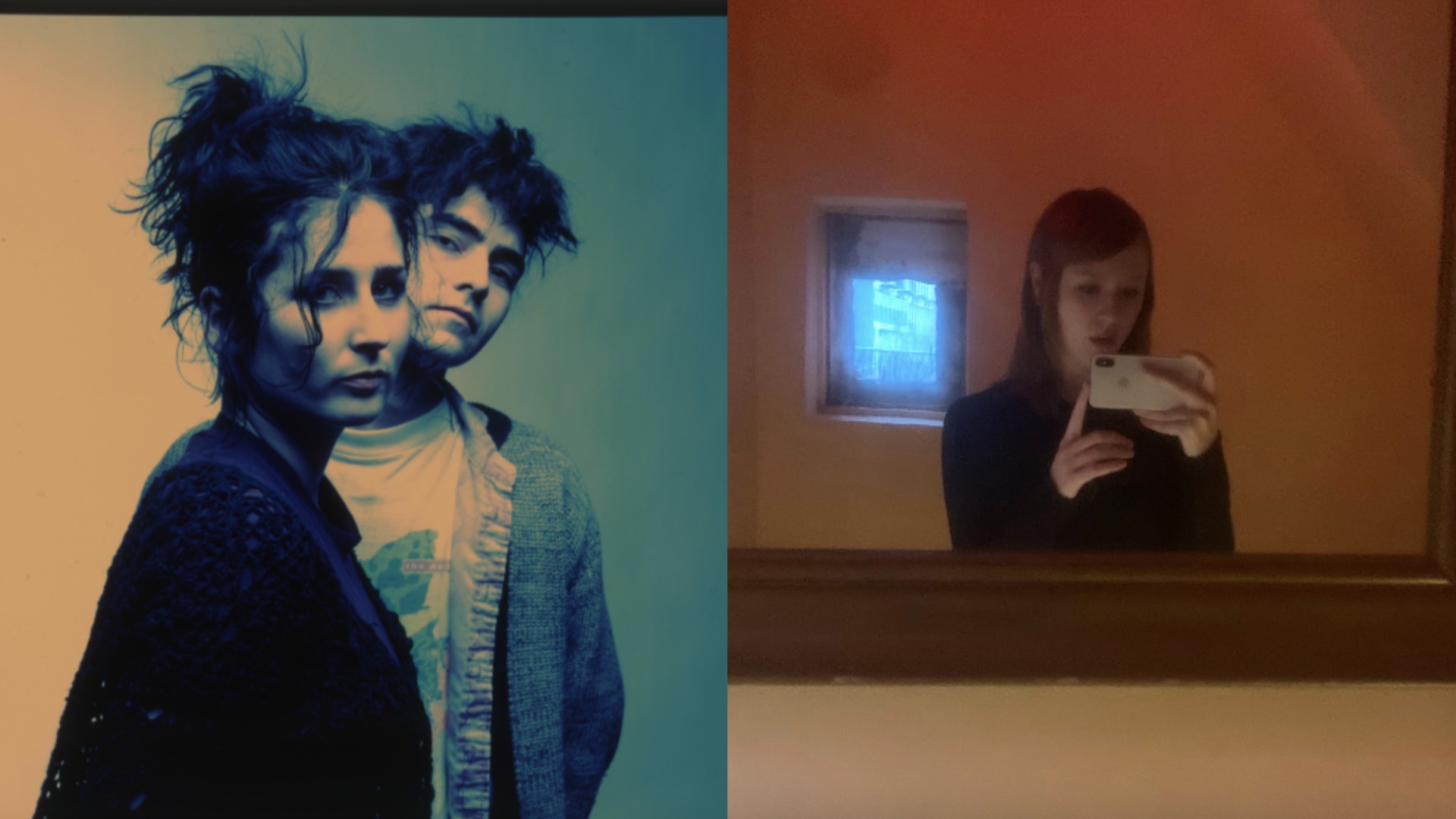
Louise Trehy is half of the legendary dream pop band Swallow, whose record Blow, alongside a version with alternate production, Blowback, were released on 4AD in 1992; Chloe Kohanski fronts the NYC-based dream pop project sweet93. Swallow just released Blown, a repressing of Blow and Blowback, and to celebrate the release, Chloe — a fan of the band — got on the line with Louise to chat about it.
— Annie Fell, Editor-in-chief, Talkhouse Music
Louise Trehy: Where are you, Chloe?
Chloe Kohansky: I am in my apartment in New York, in the East Village. I've been here for nine years now, which is pretty crazy. Where are you?
Louise: I’m in Wales. It’s pretty rural… I miss a lot of things about being in a city. We've got poor transport, but my kids are here now, so I'm pretty established here. It's quite artistic in the visual arts, but not so much [in terms of] music where I live. Well, certainly not in our area of music. It's more folk and things like that. There's a new music club that has different nights, and it has an experimental music night. That's always interesting, where there's no input mixing and just a lot of feedback. But I love things like that.
Chloe: Yeah, me too. That's actually really sick. And I want to say, before we fully jump in, how excited I am to talk to you. Genuinely, I'm so honored, and I'm such a fan of you — your voice, your story, your journey with music. I think it's so beautiful, and really inspiring to me.
Louise: Oh, thank you. Where did you hear of us first then? Because you're probably half my age.
Chloe: Well, what's crazy is that's the power of “online,” because you'll start with a broader band in the shoegaze scene, and you can dip into the shoegaze dream-pop world through them, and then there's this web that they connect with related artists. I feel like the deeper you go, the cooler it actually gets. It's deeper, and it's more experimental. In songwriting, it's always that approach of finding the hook; I feel like there's a rush to get to this certain part of a song, and I find it way cooler to not get there anytime soon and just rock out and find it eventually. The experimental side of Swallow is what really hooked me. Especially, the different interpretations of [Blow] — knowing the lore with Blowback, and trying to decode it on my own was really cool. It got me really geeked, I'm not gonna lie. I think your whole story is so fascinating to me.
Louise: I love your album, and I've listened to it a lot. I think it told me what you and I might have in common. Because there's shoegaze bands that are kind of pure noise, and the vocals are there, but there isn't so much melody. And I think you've got some great melodies and some lovely song construction. You've got beautiful songs.
Chloe: Thank you. That means so much.
Louise: Do you work with somebody?
Chloe: Yeah. I have a writing partner who was a longtime friend and a visual artist [Evan Boutte], and he is not so much a fan of the spotlight. I had a different kind of interesting start with getting into music and I was ready to reclaim it for myself and really see what happens when I'm just in a room with toys. I didn't know music theory and I didn't have an instrument that I'd spent many years playing; the only instrument I've ever really felt that way about is my voice. And it was hard to find people who were willing to craft a world alongside of my melodies and my lyrics, because I feel like that's such a valid and valuable part of what a song is. So, I believe that knowing [him] as a friend and not making music together at all — I was going to his art shows, and we lived in a house with some friends in New York, and he was just a great friend — was sick. So, he's not really trained in music in any way, and just picked up a guitar, self-taught, but he started sharing some tracks with me that were very bare bones, and I was like, "Wait, this is crazy." So we made that album, and that literally happened from us just sending each other ideas back-and-forth. He's incredible. He does a lot of the composing and a lot of the instrumentation. I do guitar, but I'm just using the guitar and I'm not a guitar player; I don't feel like I'm up there, like, slashing out or anything, but I use the chords and the textures.
This is also why I'm such a fan [of yours], because I hear and get so inspired by the layers that you guys were able to tap into. I'm so fascinated by how your voice sits in those layers and accentuates everything, and how it also just feels like you're not competing with the instrumentation, like you're a part of the wave of that. But, yeah, the main gist of it is just me and my friend tinkering.
Louise: It's rare to find that connection. If you don't start out as a group of friends in school or something, it's hard when you've got four separate people and you're a bit lost on your own, unless you can do the instrumentation as well. I mean, Mike [Mason], when he started, he was a keyboard player and he couldn't play guitar, really. He could play with two fingers. But because he was limited, it brought out really good guitar parts, because he couldn't go off and be like a solo virtuoso, and [what he wrote was] catchy, so I really encouraged him to just do it. But, at the time, there was some new technology around, like MIDIVerbs. So, I was putting my vocals through MIDIVerb on our demos, but then, when we went to the studio, we didn't do that. You get a different sound if you kind of sing through an effect, than if you put the effect on afterwards. So, you've got to learn to just experiment. And I really enjoyed that side of it. But if I had your voice, I wouldn't be burying it.
Chloe: No! I love your voice. But thank you, that's so sweet.
I know that Blow and Blowback have a symbiotic relationship in certain ways. Is there a part from either of those, a section of a song or a specific layer, that stands out to you? When you guys were tinkering and creating those records, is there a certain part of that [process] that you have an interesting memory about, or even something that you, still to this day, don't know how you came up with? I feel like that's a part of the process, too — when it's happening and you're like, "Wait, what is that? How did that happen?"
Louise: Yeah, I think when we did "Blow", we couldn't get it right in the studio, so that's why it didn't go on the record. But when we listened to it from the tapes from 4AD, we said, "Why didn't it? It wasn't that bad?" It was a really precious kind of thing, veering off the demos. But I remember doing that, and I think we'd done "Sugar Your Mind," which was like a throwaway kind of pop song, and "Taste Like Honey," and I think when we did that, we really liked that crazy experimentation. We did "Peekaboo" after that, and I think we were just finding our feet then and learning that you could do sort of both — have a bit of a weirdo song, and then have a pop song. We didn't sit and analyze it, and I think we didn't really discuss what each other did either. We worked separately.
We had a Tascam four-track that I would take in a taxi back up to my house and do a bit there, and I’d bring it back to Mike. I actually cannot remember sitting down together and going through things. And we weren't each other's biggest fan club, either. We wouldn't say, "Oh, you've done that really well." We were quite mean to each other, and I don't know if that was kind of competition? We didn't really sit down and work things out, like "Oh, can you repeat that," or "I'm going to sing in this bit, and not where you expect me to go." But, how do you do it?
Chloe: So much of what you just said is so similar to me and Evan, and we've joked about this. I feel like we're able to write the way we do because we are able to be so honest. Maybe it's a little different because you guys weren't discussing it as much, but when you said you were able to be mean to each other and you're not just gassing the other person up constantly, that, I feel, is why [Evan and I] work, because we're not just sitting there, gassing it up. We'll do the most subtle nods of like, "OK, that was pretty sick.” But we also work completely separate.
We lived together in New York for a little while, [but] he moved away and that's when we really started collaborating. We would just send each other things. We were also inspired by how we could compress sessions, because we had both started using Logic. He'd record a lot of different ideas, a lot of different takes of different instruments, and run through things through pedals, and then compress that file, transfer it over to me. I'd download it, open it, and then use my vocal process that I had. So I'm in my room, on my floor, doing all this stuff with the mic, and there's very little discussion about it… I
t's weirdly similar [to your process], so that's really cool to hear, but it also obviously has so many challenges. Did you guys have challenges, too? Or when you were in a space together, like in the studio, did that present other challenges?
Louise: When we were in the studio with John Fryer, we hadn't finished the songs, and I certainly hadn't finished the lyrics. I think I was really anxious about that. And then, when we got there, we decided to put down the music first, and that was a mistake, because there wasn't a guide vocal. I think I was a bit shy, but also I wasn't ready, where Mike thrived in the studio, and he loved the kind of spontaneity of, "Let's just see where this riff goes." And some of the songs changed tempo or pitch, and with those subtle things, I felt like the vocals didn't fit in as they had on demos. So I struggled with performing and I felt completely intimidated. Cocteau Twins had been there, and all these other bands… I didn't really enjoy it, and I wanted to dump the tapes when we came back. Then we had to come back with a record that we're disappointed with, particularly me. And with some of the songs, I think Mike had felt that they had become over processed. I didn't listen to it for a long time. It's only the past few years we got to come together to listen to it.
Chloe: Oh, wow!
Louise: I was like, “Actually, these songs are quite good. It's not as bad as I thought it was.” But also, I think we were thinking we were these real experimental weirdos, but really, we wrote pop songs that had a bit of noise, and I think that's what John Fryer was bringing out of it. And he can get really good sounds, but I think we just wanted it a little bit rawer.
Chloe: I feel like I can understand that, and I think that that's super important, too. Sometimes, the way that it ends up sounding is too clean or too processed, and it can change the entire integrity. That's why I am also someone who has severe demo-itis; like, I am holding on to the demos and clawing and fighting for the demo because there's something so raw and so special that you tap into when you're first bringing those ideas to life, and it does often get a little lost in the process of finalizing it. I do think that's an advantage of music right now, that there is no one way that people are finishing a project. I even have some friends who are, to me, some of the most talented artists I've ever heard, and they don't even like getting their songs mastered or doing that final layer. They want to do this version of it themselves that's still extremely lo-fi, and I would say that’s why the song hits as hard as it does. It can be the smallest song in the world, and it feels like it's right there in your ear, you know?
I read so much about your experience in the studio, and about some interesting moments that you had to navigate, and my jaw was on the floor. I was like, What in the world? Respect should have been given then. I wonder what advice you would give to other artists who find themselves in similar situations. Because I know you were saying, at the time, that you didn't really know how to navigate it, or what to say. I have friends who have ended up in similar situations, so it's still happening. Especially as a woman, especially as a vocalist, and especially as a real soul — like, a person with a real soul that's not coming in with an ego — it's hard if you don't feel like you're being given the space to be heard in the first place. Why even say anything, you know?
Louise: I think, at the time — and this was for playing live, as well — people were used to a certain kind of female singer. Big belters, and those with a kind of a pure voice. Belinda from My Bloody Valentine complained about this in the studio as well, but if you had any kind of breathy delivery, I think some engineers weren't used to those kind of voices, and then they wanted to knock out the breath by getting you certain types of microphones and stuff like that. I think I didn't have the musical vocabulary to speak up about it. I would just say, "Oh, I don't like that," but I didn't know why. Like, I didn't know the tempo had changed 'til I listened. I wouldn't even have that basic knowledge because we were only together a couple of months when we really started songwriting, anyway.
I'd say my advice is to keep your demos, but make sure you're writing down your settings on amps, or anything that you find is a weird sound that you like. Take a picture of your settings so that you can make sure you can replicate the sound again. I think we might have had, at one point, a really crap guitar and we thought we shouldn't bring it with us, but that [guitar] had a better sound on a song like "Taste Like Honey" than the one [we used] on the album. I mean, these little things, nobody would really know, but I think if you've got a producer and an engineer you should sit down with them and make them listen to your demos. And if you've got record company people, find out "What is it you like?" and "Why are you signing me?" Because if you're trying to change that, then maybe you shouldn't be signing me.
Chloe: Yes, and I feel like, so often in those conversations at the beginning, it's like, "Oh, we like everything about you," but then, they want to change everything about you.
Louise: Yeah, I've seen it. I don't know if that happened to you, but there's been singers here that were quirky little folk singers, and then this big machine comes along behind them and then they're in the pop arena. They're still a great singer, but they don't have that edge that they first had. Maybe they prefer it, that they're singing in arenas and stuff, but...
Chloe: Yeah, I've lost all loyalty to “the man” in my brief process with this. I know I'm still getting my footing with feeling like I can advocate for myself. But I love the advice that you just gave, and I think that that's so important to actually just be like, "What about it, specifically, do you like?" And then you can actually hear what they're saying. They can tell you all day long, "Oh, we love it. You guys are so cool." And then everything cool about you gets squeezed out, and it's like, "Wait, what?"
Louise: They love it 'til they don't.
Chloe: Yeah, they love it 'til they don't understand it. It's so crazy to have so many similarities still. You guys were in a studio in ‘91, and even in 2026, [artists are] still navigating this.
How did you feel after the experience of those initial releases? I saw you stepped away for a while, like I think I saw it was several years.
Louise: Well, after 4AD, we were signed by Rough Trade. But the musical landscape had changed, and that period of dream-pop, shoegaze was just done — done with by journalists and most of [those bands] stopped or fell apart. The support, I suppose, just wasn't there.
So I lost confidence in it, and I wasn't enjoying it. And I remember after we were dropped by Rough Trade, we went to a gig somewhere, and it was like nobody wanted to talk to us, whereas before, it's like everybody's your friend and everyone wants to talk to you. And some of them had been friends for a couple of years, and we discussed sort of personal things about having babies — because I had a baby at the time — and then they're just ignoring you. I remember being shocked by that and finding that hard. I was still the same person. It was just so shallow.
And then when I broke up with Mike, I didn't think I could write songs independently, though I wanted to do. I just thought, I've got to get out of this and do something different. So I started writing, and I was doing a fanzine and that was successful. Not commercially, but that was great fun to do, and it was still creative.
And then I moved. Things were happening in London… There were a lot of shootings and stabbings and drug crime where I lived. So, when I met my husband, we moved to Wales. I have this fantasy of having a self-sufficient life and growing vegetables and stuff like that. The reality is, you live in rural poverty, and it's really hard to work and manage children and do that well. And it's also a bit dull at times. I miss the buzz and the stimulation of a city like London. At that time, I didn't listen to music really, except my kids' music, and I wasn't active in going to gigs, as I was completely in a rural area. And, a lot of the time, I was a single parent, so I didn't have time and I didn't have the resources to do [music]. But I don't really remember that I particularly missed it. I was also too busy, but I still loved art.
Chloe: Yeah, and you go into art in the beginning and it’s this thing that’s literally feeding your soul. It's a connection, it's something that's bright and positive and warm. And then you go through a version of it with the industry and it's crazy how it starts to take away your soul, and then you're associating it [with that]. It's all the other stuff that goes with it that will beat [the passion] out of a person that's real and genuine.
What does it feel like reintroducing these albums and this music right now? Is it like new life for these songs?
Louise: That’s a good question. I think when we first listened to [the record again], there were bits we'd forgotten and… You know what it was? It was just that it was the two of us again, just on our own without going through it, and we were laughing at some of the ropey bits, so it was kind of nostalgic. But then we thought, “No, we still stand by these songs,” and we were a bit too precious about it [at the time], and there's some really nice moments. And because it seems like I've been slagging off record labels, in defense of 4AD — the new 4AD — they’ve been absolutely nothing but supportive.
Chloe: When you find that, wow. Because there are so many amazing and positive experiences [you can have] as well, and the ability to have [this] be an amazing collaboration, that's the beauty of feeling understood and time giving you that perspective of like, “Wait, what were we thinking? These [songs] are sick!” I mean, that's how your fans feel about it, obviously.
Louise: I can't think of another record label that would let you do that either.
Chloe: Yeah, it's so cool.
I have to speedrun some questions. Kiss, marry, kill: writing, recording, playing live.
Louise: Killing playing live and marrying recording.
Chloe: I want to know that about every artist ever. I'm like, “What is your favorite part? What gives you life? What makes your skin crawl?”
Louise: Do you like performing?
Chloe: I like performing, but I would say I would probably kill off playing live, and I'm absolutely marrying the writing process. I could live in that for way too long. I've been trying to work on a second album since 2021, so I need to get out of this phase.
Another random question: Do you make your bed every day or do you not make your bed every day?
Louise: That's why my background is blurred.
Chloe: [Laughs.] I don't make my bed. I want to know who is an artist and is making their bed.
Louise: Apparently, if you open the curtains, too, sunlight is meant to be good for bedbugs. They do it in hospitals. So, don't make your bed.