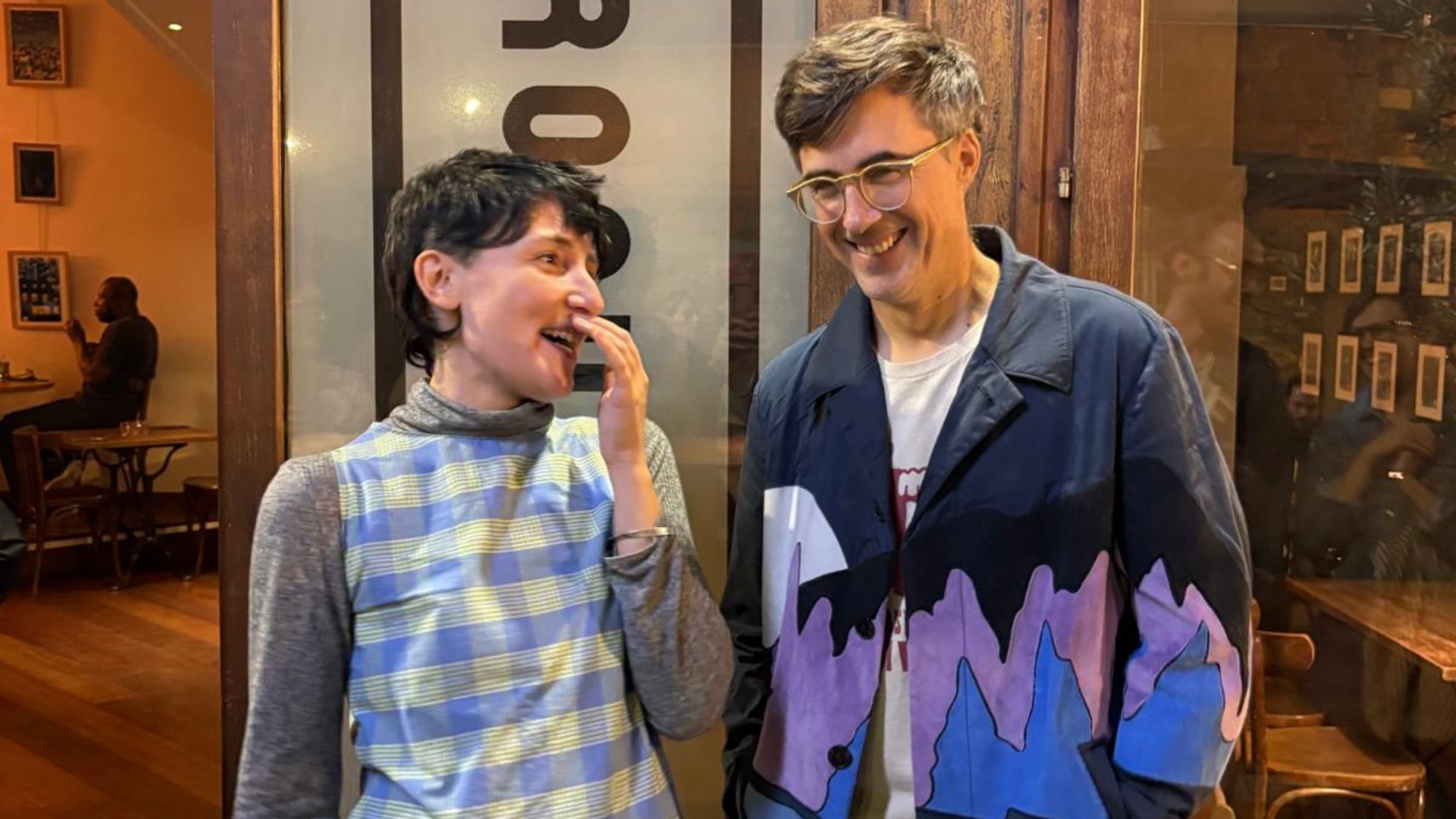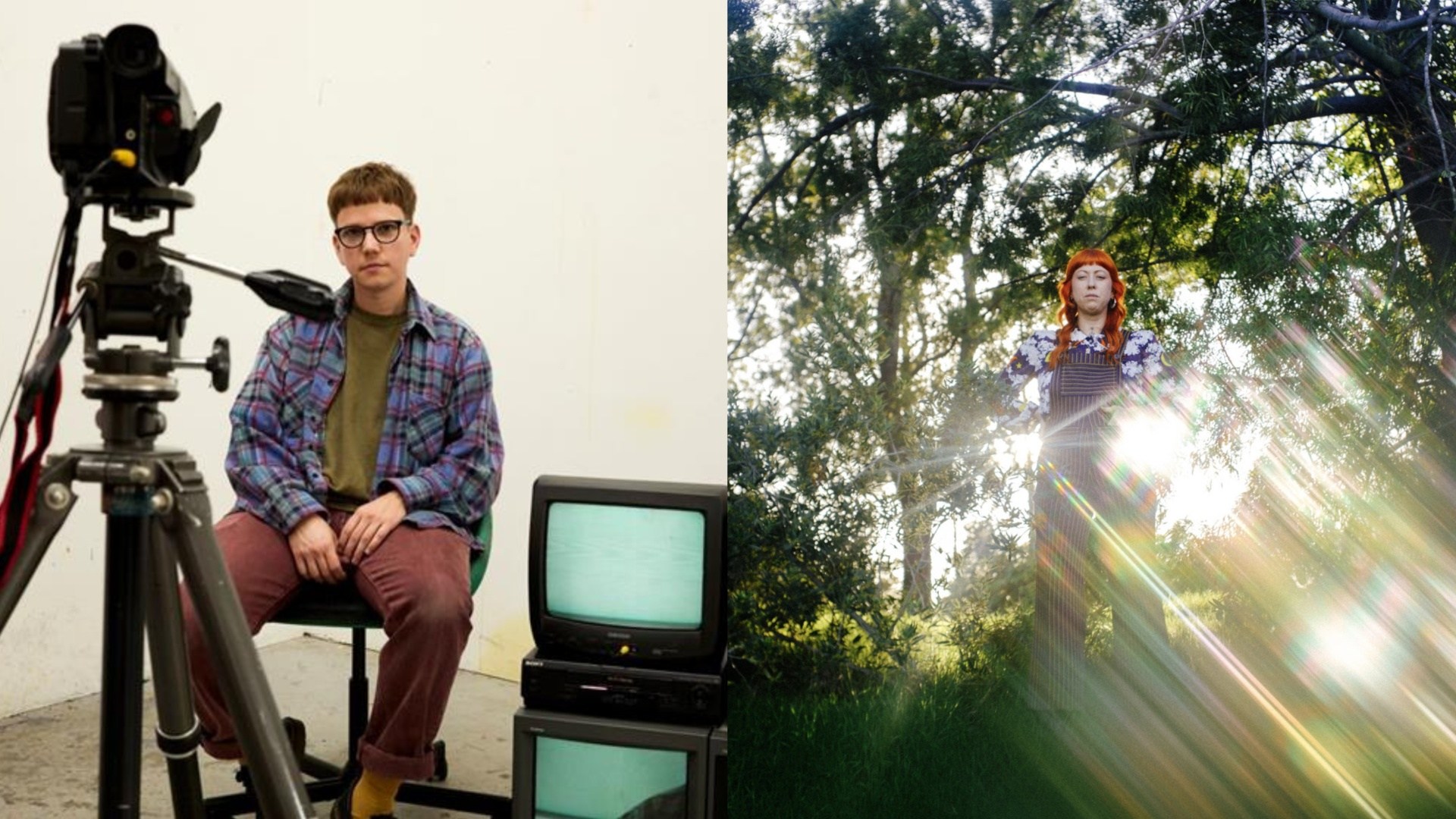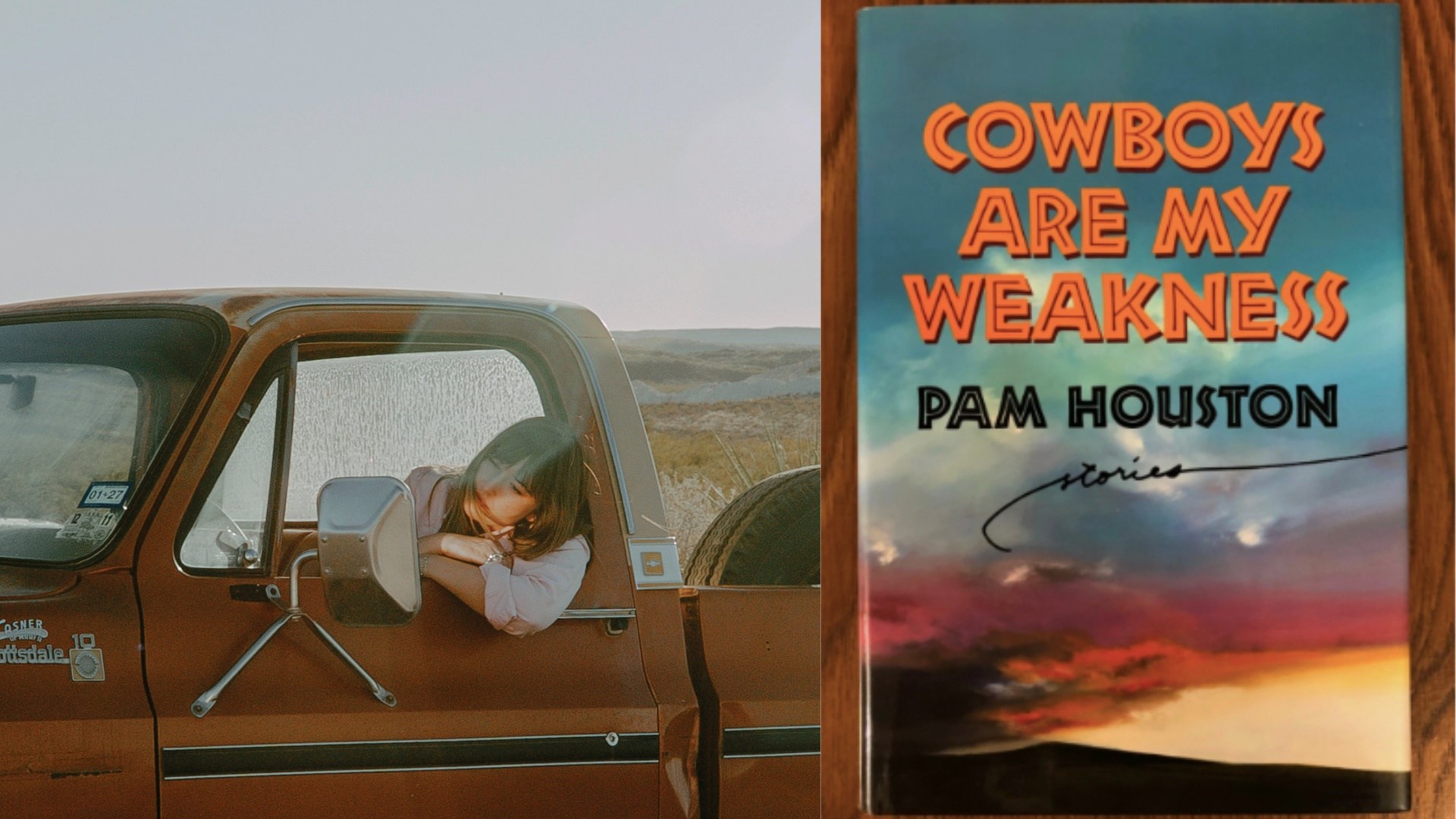
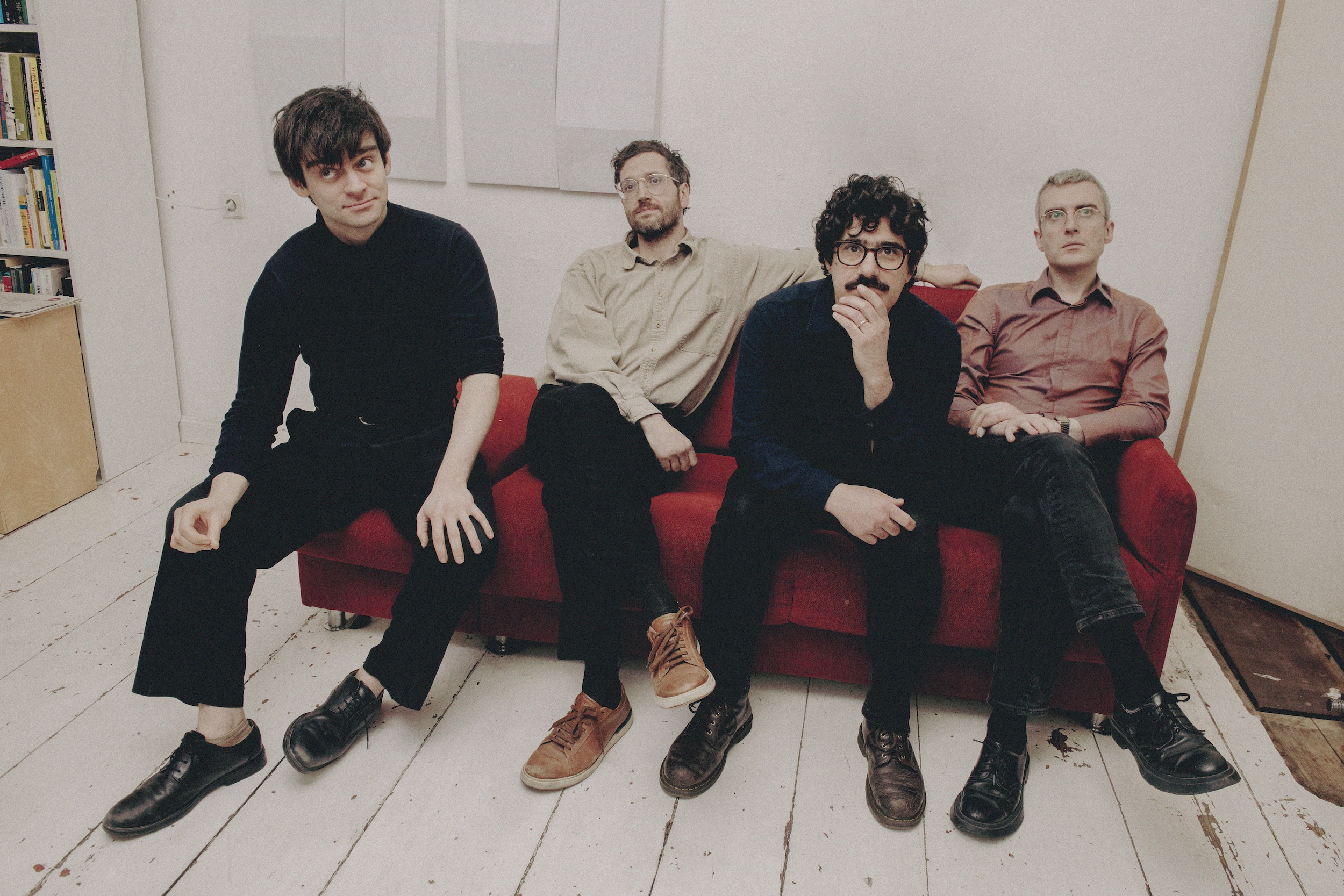
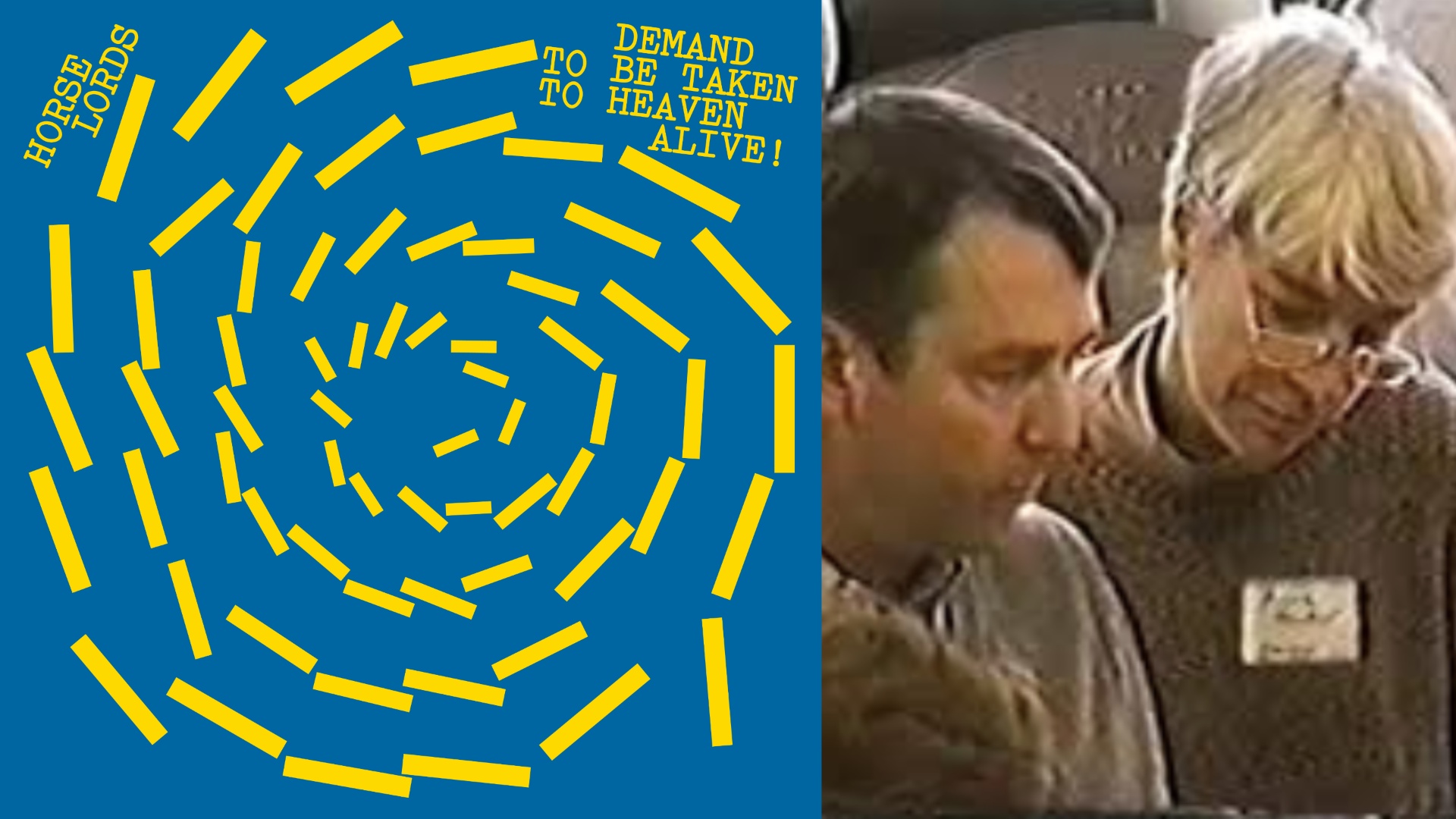
Mood Board is our column where artists share a few of the things that inspired their new record. This time, the Baltimore band Horse Lords tell us how The Headhunters, Jaap Vink, and more helped shape their new record Demand to Be Taken to Heaven Alive!, out now on RVNG Intl.
— Annie Fell, Editor-in-chief, Talkhouse Music
1. The Lee family of Hoboken, Georgia
Our arrangement of “Eureka 378-B” (a song which appears on the Bottom of page 378 of The Sacred Harp, Cooper edition) is based on the singing practice of the Lee family of Hoboken, Georgia, some of few surviving practitioners of the slow, heavily ornamented style (“a lot of squiggles in it”) that was once widespread in both the North and South, and which, ironically, reformers bearing notated tunebooks like The Sacred Harp aimed to extinguish. Here, David Lee demonstrates the style using “Show Pity Lord” (called “Cusseta” in the Denson edition).
2. “Sly” by The Headhunters live in Bremen, Germany, November 1974
The physical distance involved in writing and recording this album made the idea of being “a band that plays music together” feel a bit abstract. An early reference that became a foundational mood board was this Headhunters live video. A sonic and visual example of what a live band should probably aim for. The music and performance speak for themselves, a perfect mix of everything. We saw Herbie Hancock live in 2024. Exquisite show, I will never forget him performing a solo piece based on his technical and personal relationship to the vocoder, all through a vocoder in between top-tier jazz fusion.
3. John McGuire “A Capella”
John McGuire’s music has a rigorous formal cohesion that is very satisfying and inspiring. This piece in particular was an inspiration for the use of voice on Demand to Be Taken to Heaven Alive!
4. Tom Johnson’s Self-Similar Melodies
Johnson’s treatise is a gift that never stops giving. A masterclass of how to take a simple idea and walk with it to a complex destination. Anytime one is creatively stuck, they can randomly open this book and be engaged. A classic, “this will be simple to program and understand” turns into two-days-later learning experiences. We drew heavily from a chapter or two while writing the pieces that ended up on the record with Arnold Dreyblatt. So much so we ended up with an excess of material that didn't work for that project. Those detours ended up shaping a lot of the material on this new record.
5. Jaap Vink
The boiled down themes for this record were rotations and feedback. Asking the question, what does it mean to iterate, change perspective and morph? The electronic systems and concepts of Jaap Vink were essential for how we created the electronic tools that processed our instruments and generated sound. Vink’s approach to systems design is in step with Johnson's tenets of minimalism. How can a simple design, connected in a smart way, permeate successfully? If generative electronic music composition was writing, Vink wrote the book, so how can one not reference the tome?