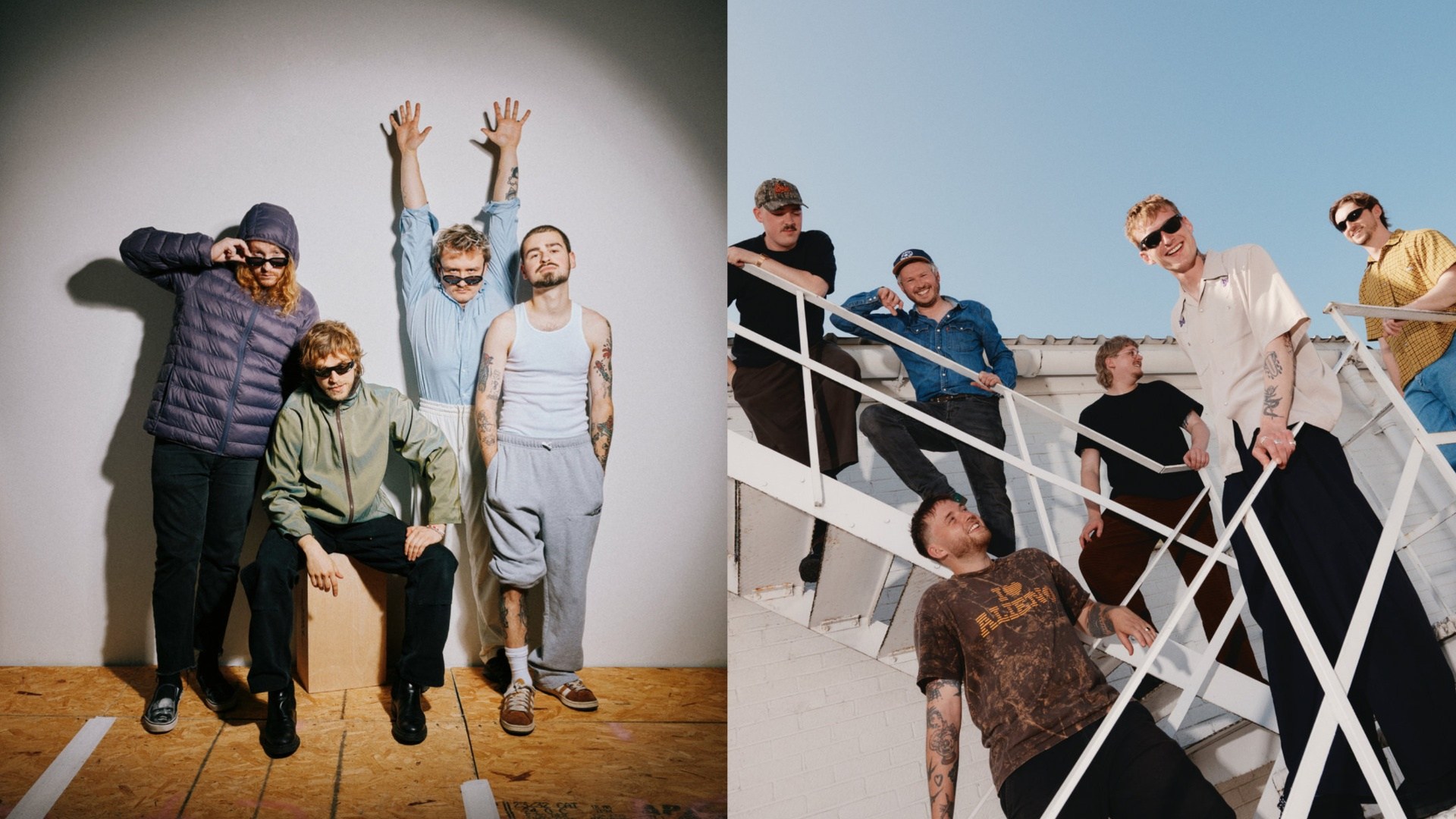
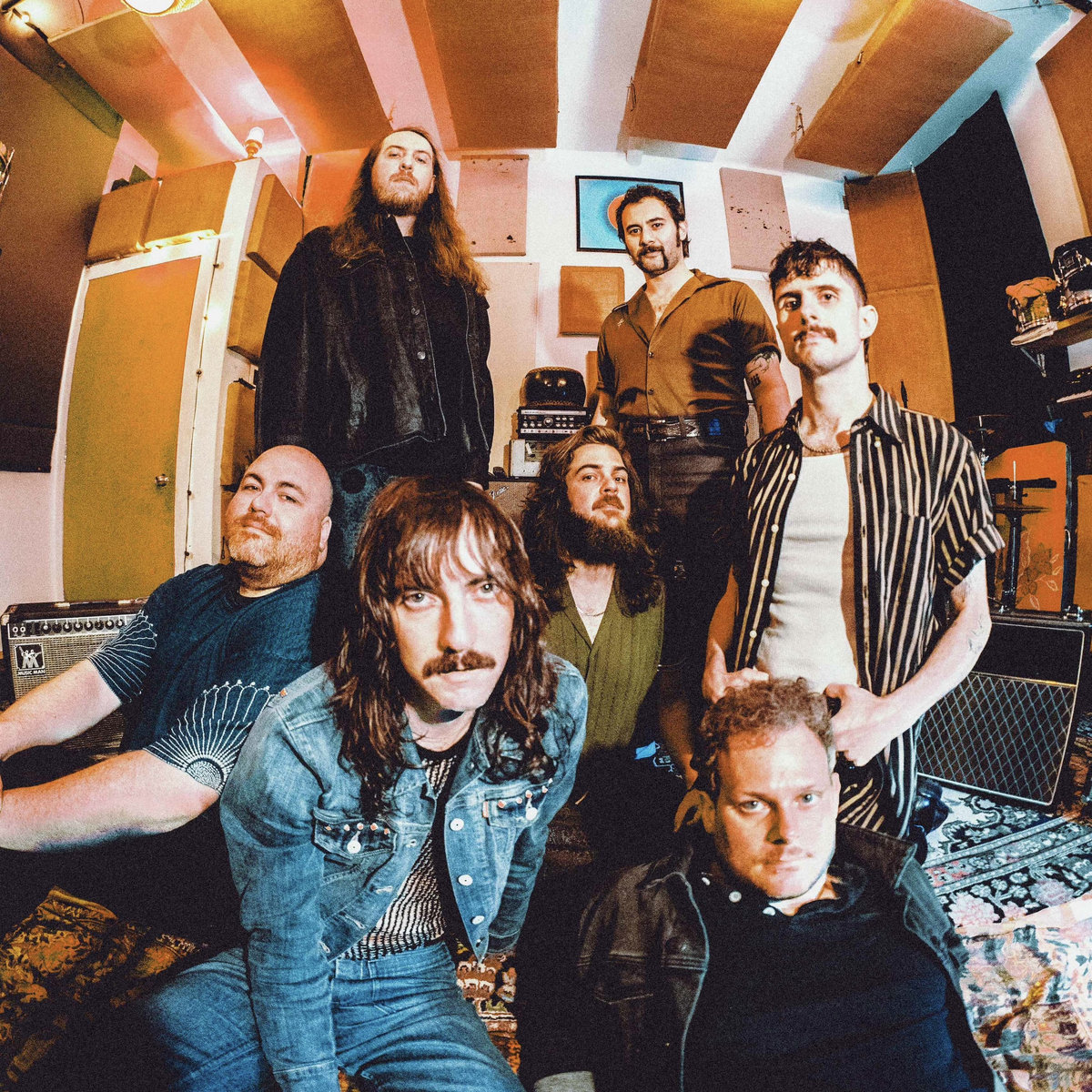
Mood Board is our column where artists share a few of the things that inspired their new record. This time, the Brooklyn band Evolfo tell us how a book about Can, the ocean, a bass from 1974, and more inspired their new record Of Love.
— Annie Fell, Editor-in-chief, Talkhouse Music
1. Sound Home’s TEAC Model 5 Mixing Console
The one consistent thing about the recording process of this record is the TEAC board. Everything we did for the foundational tracking went through this old beauty and into Ableton. The mic setups and who’s playing what instrument varied dramatically, but whatever was happening, the TEAC gave it a hug. There were also many times where the TEAC was my instrument live in the room. Often, I’d setup my organ or synths right next to the mixer so I could go back and forth. Riding faders, sending things to spring tanks, delays, and other effects units while the band was playing. There are 16 channels on the board plus four submaster faders, but at the time we only had eight to 12 digital inputs, so it forced me to make decisions about the sound before it became ones and zeros. That limitation was enough room to fully capture the band but also not overindulge. It gave me space to be reckless with in-the-moment choices while still preserving some level of “clarity” and “fidelity.”
— Rafferty Swink
2. My son
Miles was born in 2023 and I missed out on a lot of the overdub sessions fearing I wouldn’t make the record. Quite the contrary, as the initial seeds I helped plant blossomed, and I was so happy to hear that I was indeed still part of this magical record in a big way.
— Kai Sorenson
3. All Gates Open by Irmin Schmidt and Rob Young
All Gates Open, a book about the German band Can, was a huge inspiration on our process. About five or six years ago, most everyone in Evolfo took a turn reading it. One aspect of All Gates Open which impacted this record was the story of how Can built their own recording studio, Inner Space. It planted the idea of having our own space where we could write, record, experiment, and grow as a group. A couple of years later we constructed Sound Home. This is the studio where we conceived Of Love and refined our group writing process. It would be impossible to overstate just how much this has influenced our recorded sound. Sound Home is like another member of the band on the record.
— Matt Gibbs
4. Paul Jackson’s/My ’74 P Bass
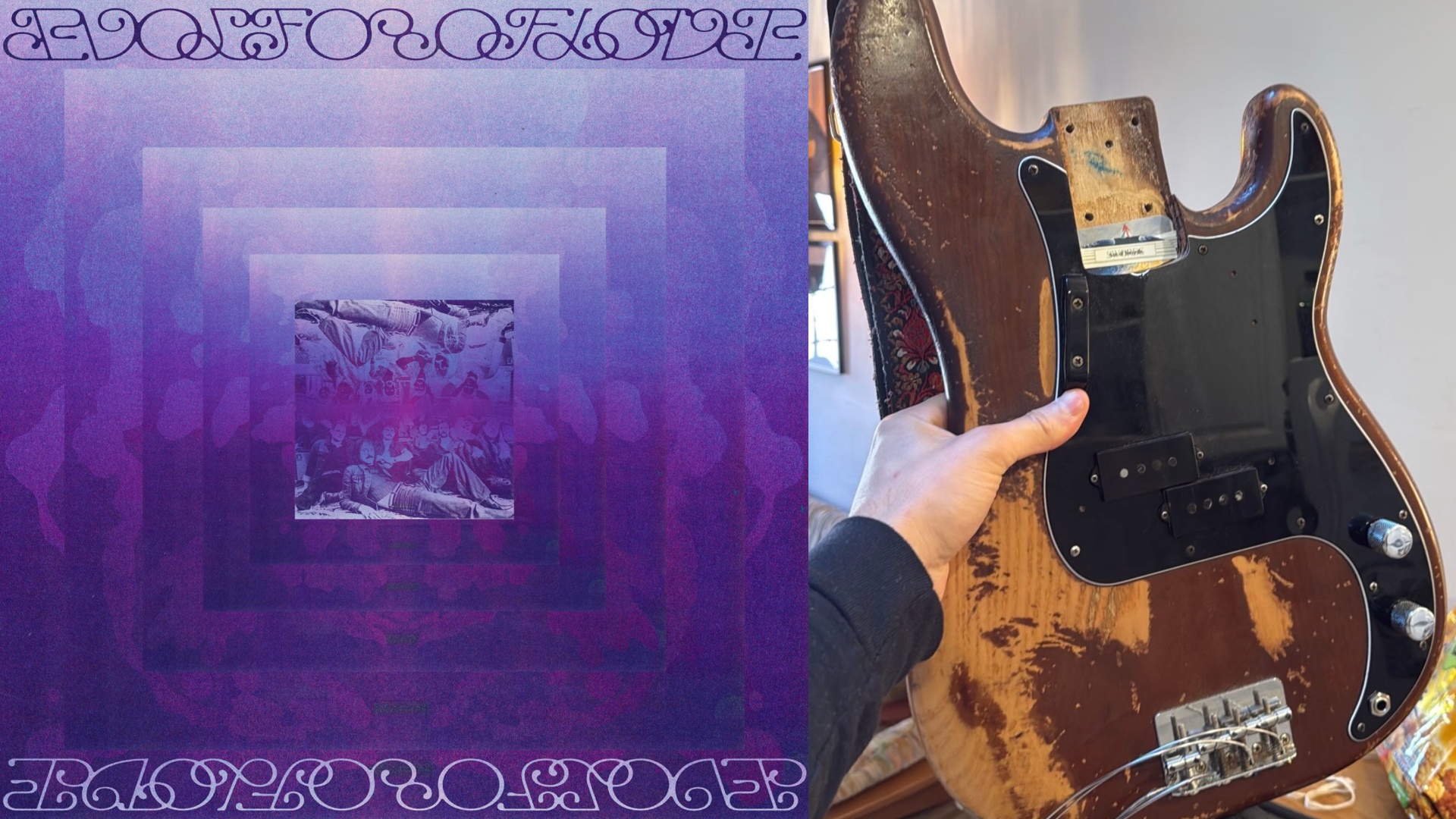
Herbie Hancock’s Headhunters era records have always been a sort of North Star for how I wanted to sound on the bass. In college, Matt drove me out to the suburbs to pick up my 1974 P from a dad selling it on Craigslist for $1000. I never looked back. Just before the making of our record, I found out that Paul Jackson (of the Headhunters) had passed. Somewhere, I saw a photo of him with his bass. I had rarely seen photographs of this elusive session player, or of his bass, despite deeply resonating with his sound. His instrument was nearly identical to mine with the same rare mocha finish and within the same few production years. I was reveling in the cosmic fortune of it all. My ear had made the connection to his sound and then the universe delivered the exact instrument to my young hands. I showed up to the sessions for Of Love with a renewed sense of gratitude for this 50-year-old piece of wood that has held so much gravity and become an extension of my musical voiceover the past 15 years.
— Ron Lanzilotta
5. The Ocean
For me, an image that kept coming to mind was the beach. Something about the endless repetition of the waves dissolving back into the greater ocean and the intersection between land and sea became an inspiration and a jumping off point.
— Ben Adams