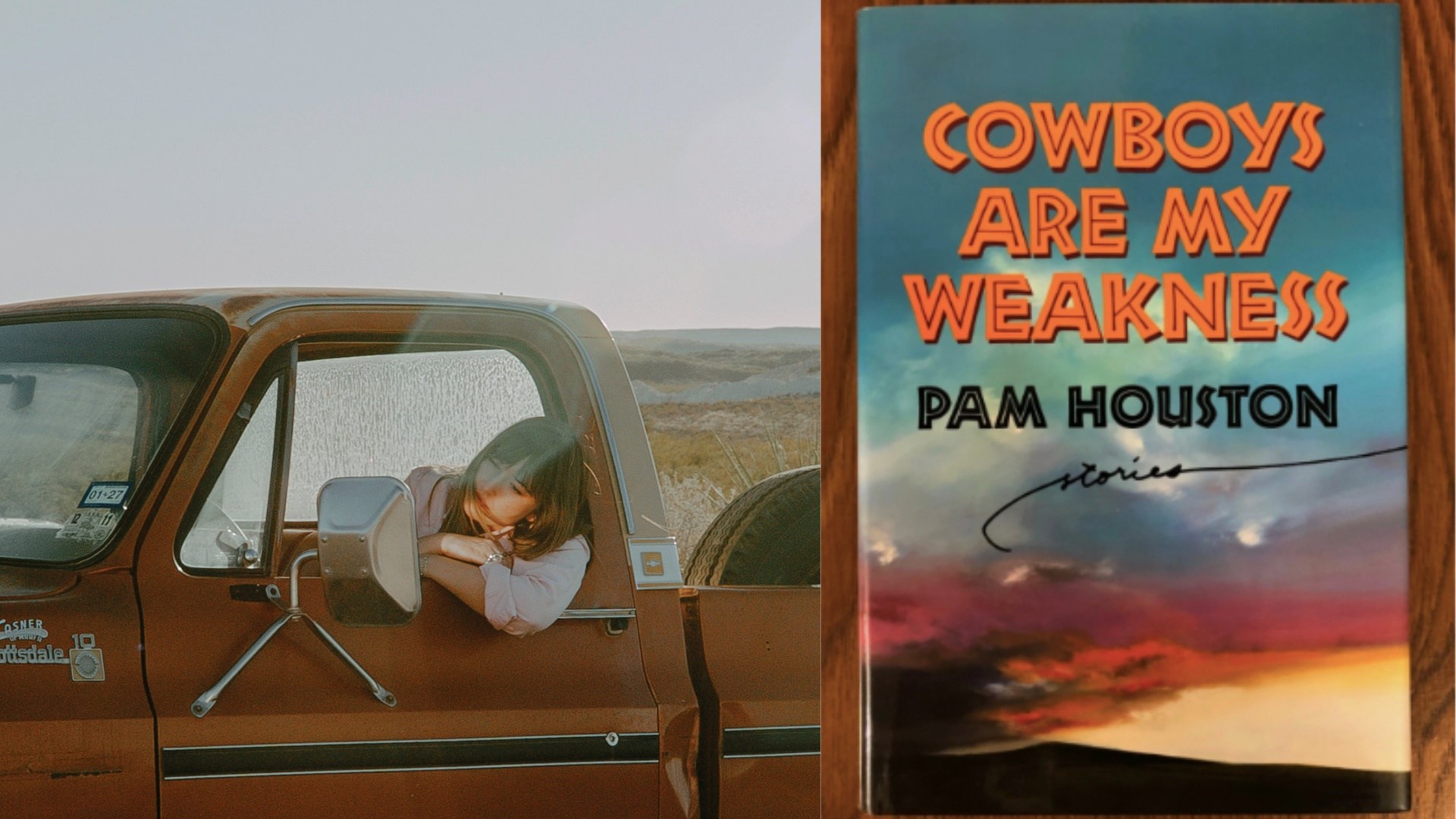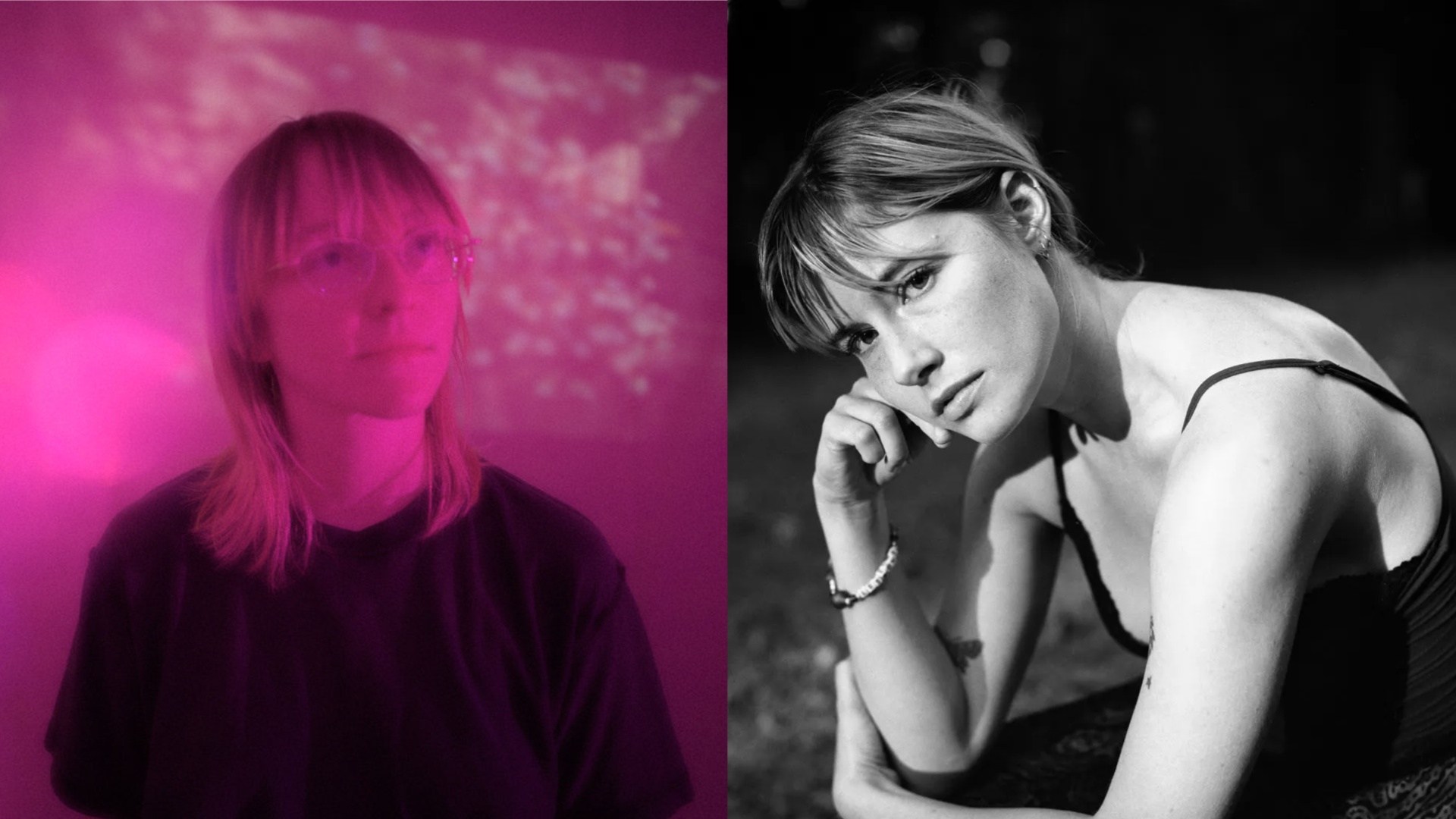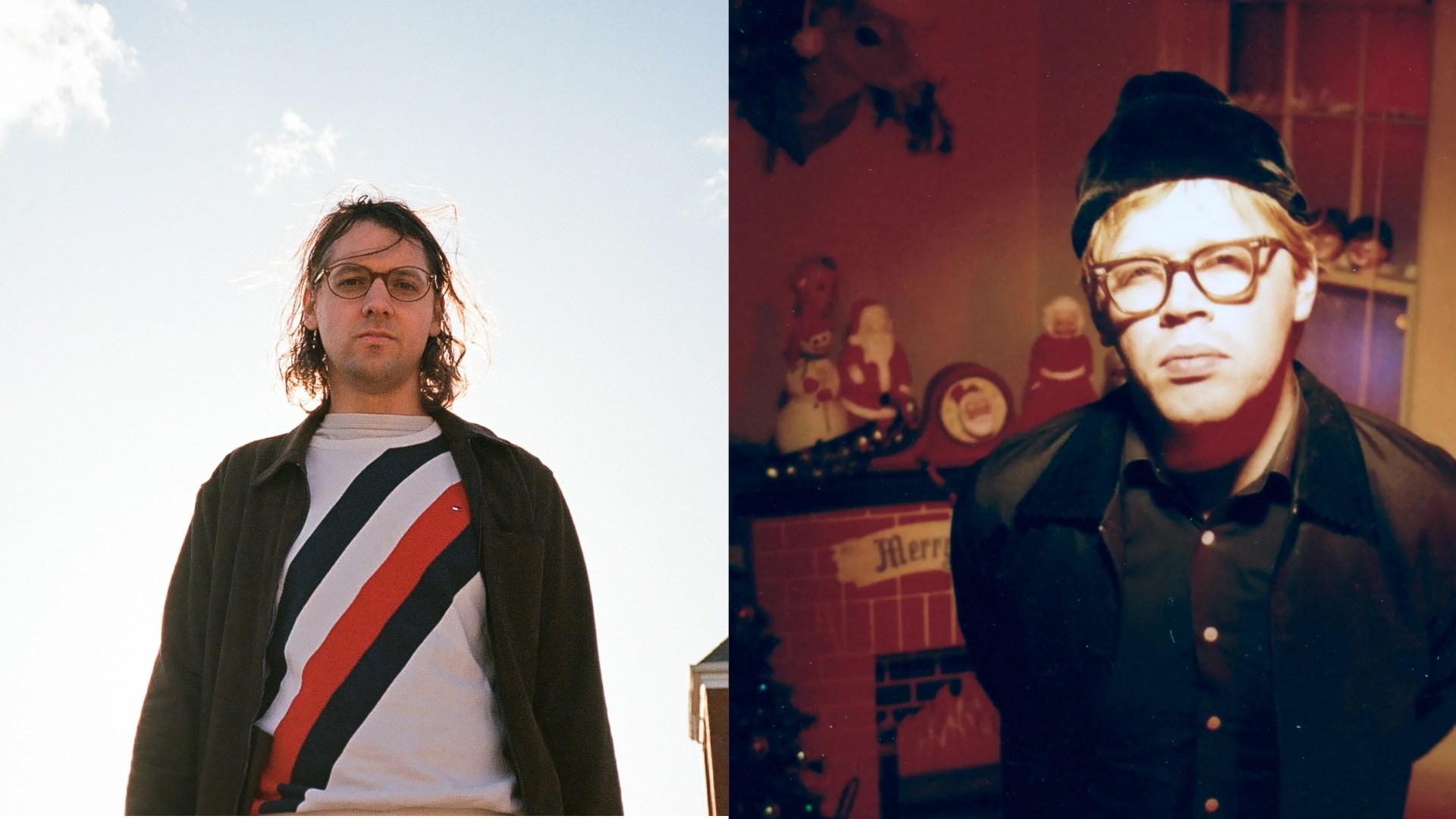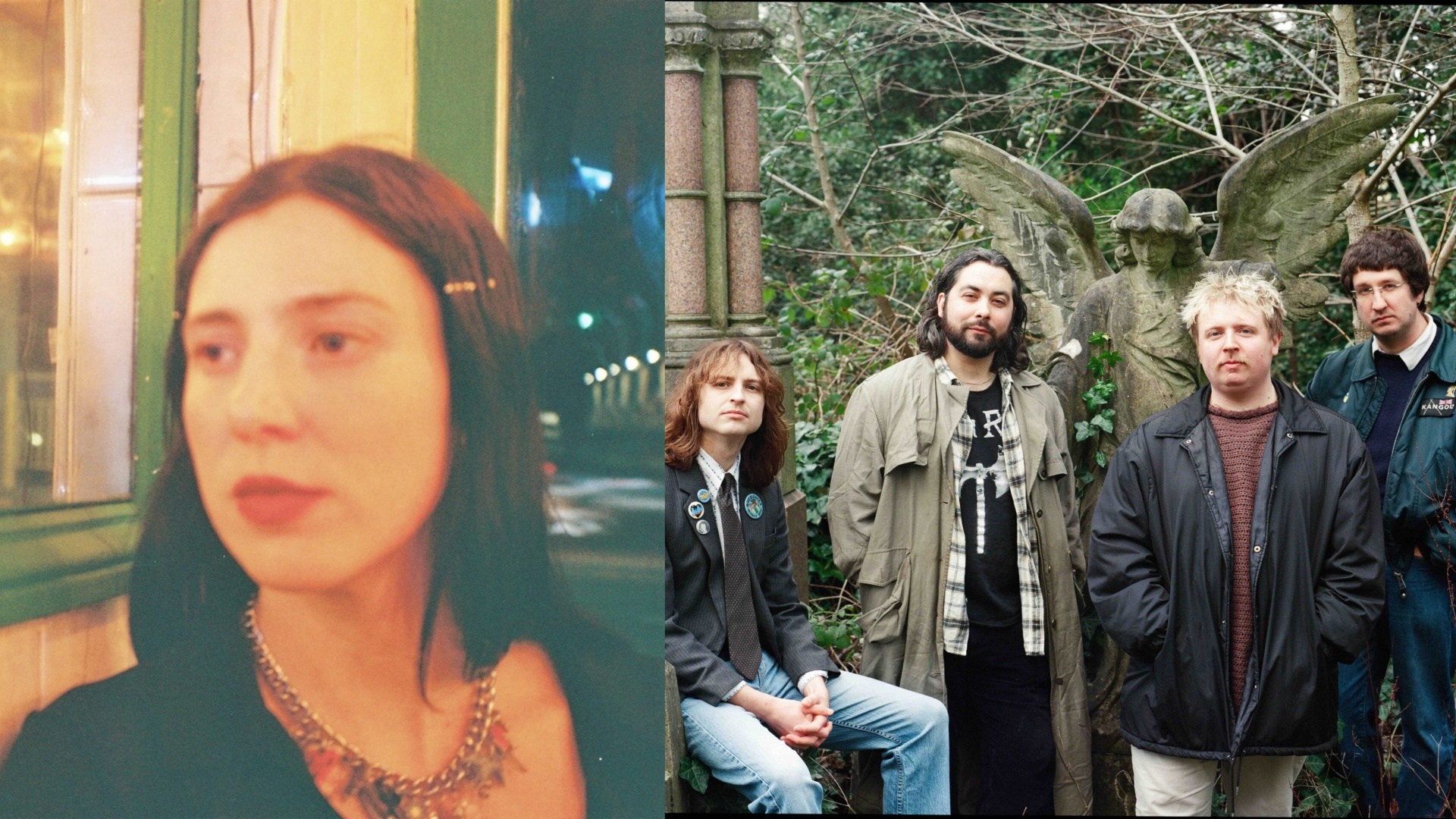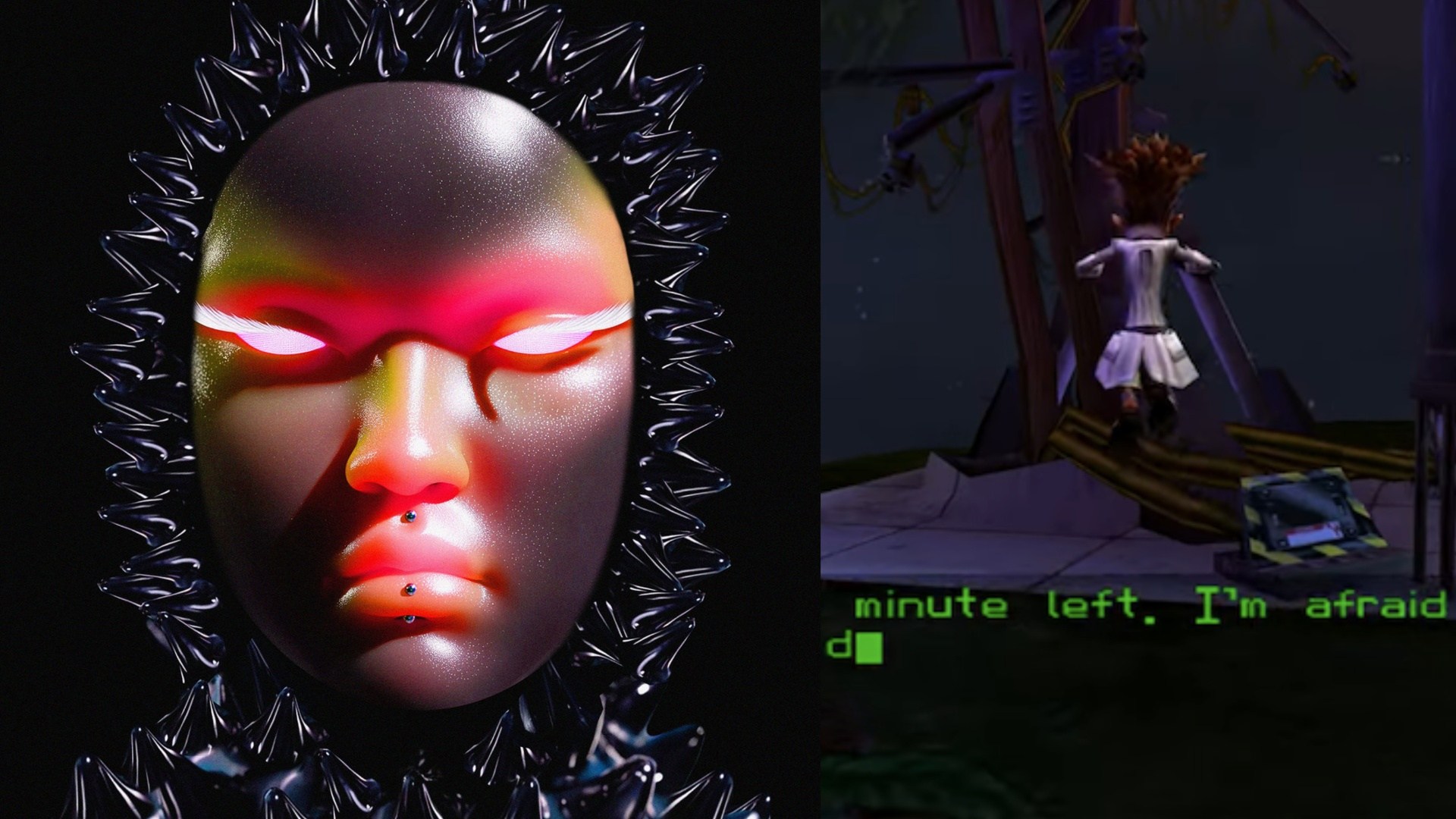
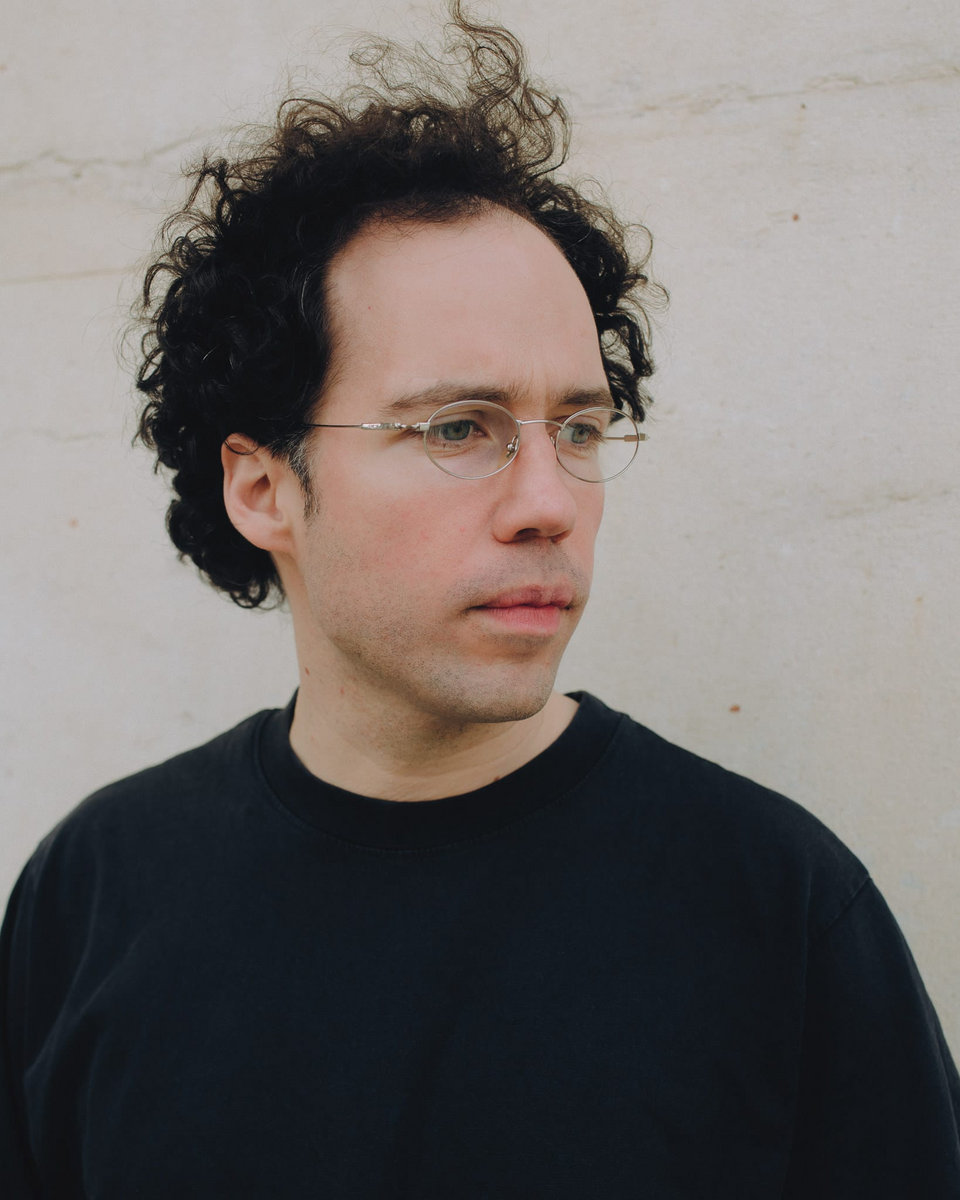
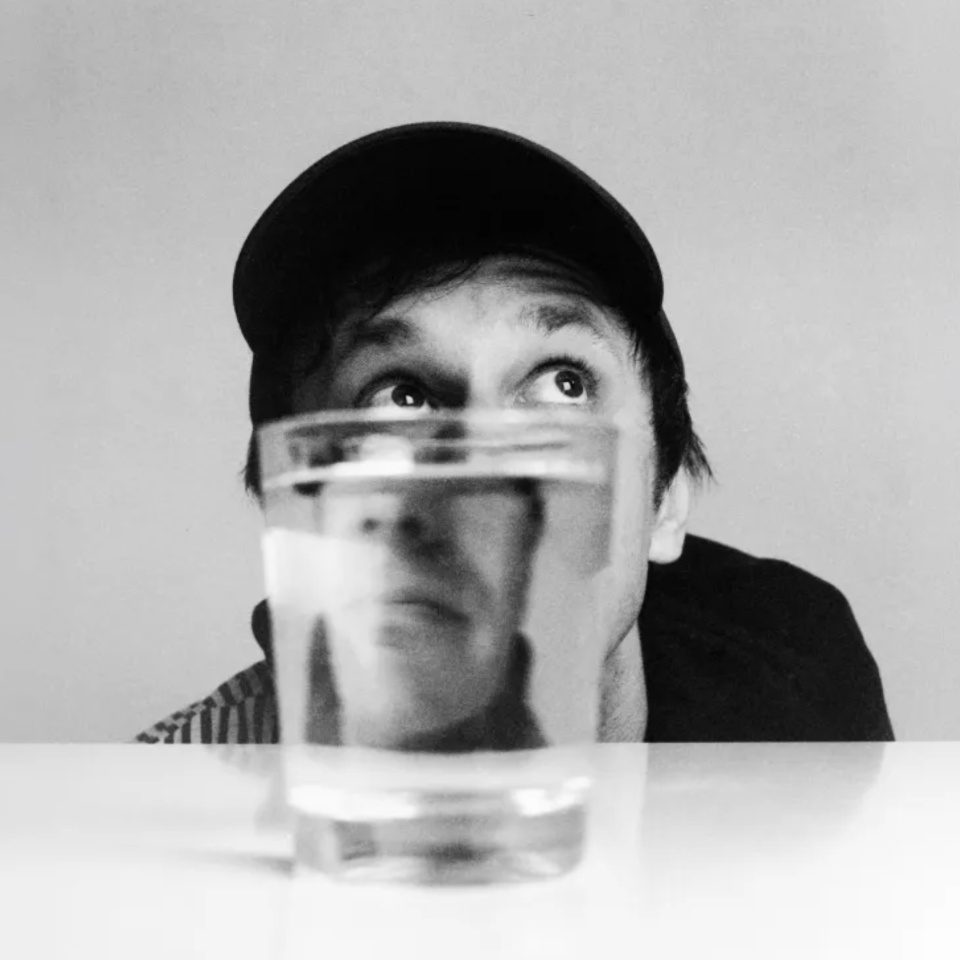
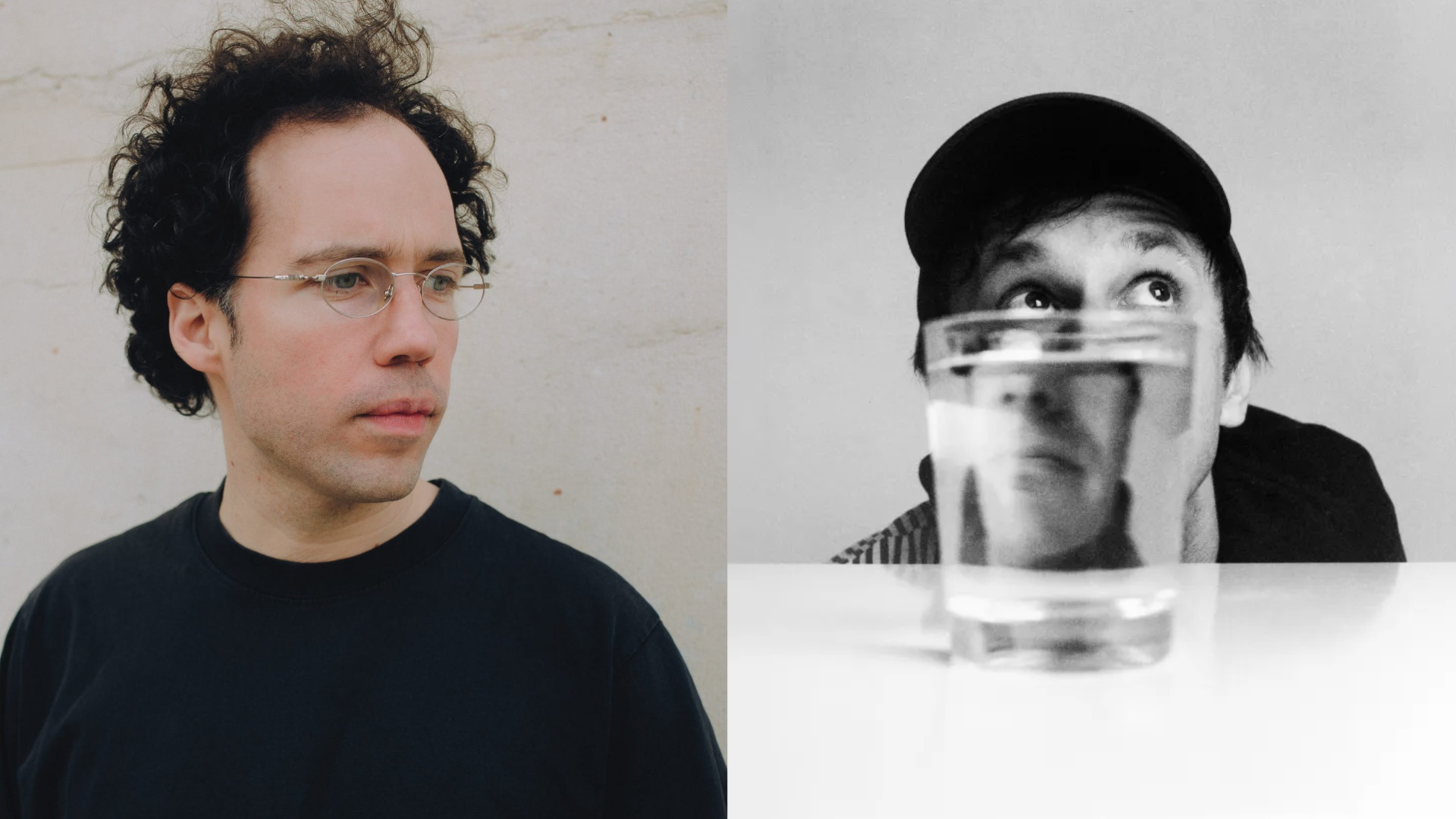
Damian Dalla Torre is an Italian-born saxophonist, composer, and producer currently based in Leipzig, Germany; Martin Brugger is a producer based in Munich, and the co-founder of Squama Recordings. Damian’s new record People Pleaser is out this Friday, and Martin’s new record The Shell will be out on June 26, both via Martin’s Squama label. To celebrate, the two got on a Zoom call to catch up about it all.
— Annie Fell, Editor-in-chief, Talkhouse Music
Damian Dalla Torre: Hey, Martin.
Martin Brugger: How's it going?
Damian: I'm good. Quite weird to talk in English.
Martin: Yes, but also nice. Also it's interesting because, since I run Squama and you're an artist [on the label], I usually talk to you as an artist and you to me as your label representative. So I really appreciate the opportunity to have an artist-to-artist talk. We both have albums coming out. As far as I understand it, both of our albums deal with the process of making music or art more generally, and obstacles towards that goal.
Damian: We just also had the opportunity to talk more about artistic things because you mixed my album some months ago. So I think the border is fluid between label owner and artistic director and mixing and doing music on your own.
Martin: Yeah, that's true.
Damian: And that's what I appreciate about our collaboration, that you're not just a business guy, but also a musician yourself. That makes it a lot easier. There’s an understanding.
Martin: For you, how important are other people in your creative process? I mean, aside from actual skills of mixing or mastering, but more as a guideline or as emotional support or whatever.
Damian: I think the community I have around is really important. From an inspirational point of view, to have people around me that are creative and making albums and playing concerts — just to see how other people do it is really important to me. That's what keeps me going. Because when I see people around me that are doing things, I feel motivated to do it too. And then in the creative process as well, I love to have conversations about music, or send friends my music and get feedback and do the same for other people. It's really nice to have it as a community thing. How do you feel about it?
Martin: Well, to be honest, I do send unfinished music to people, but mostly to people that I know will like it.
Damian: [Laughs.]
Martin: If I send my own songs, it's usually ones that I feel really excited about, and I basically want to share the excitement. I don't send songs to people that I'm not sure about or that I think need more work. Of course, you can ask someone if the bass is too loud or whatever. But when it comes to general energy or the flow of a song, it's very subjective, and a lot of times, at least for me, that kind of feedback is not that helpful towards the goal of expressing yourself in a song.
Damian: I also have my few people I send music to because I probably know that they’ll think it's good. It motivates you to keep going. Sometimes I think it's needed to have some extra motivation, some positive vibes. Because the process for me of doing an album is quite lonesome, and you get lost in certain thoughts and sometimes you can't get out. So it's good to find people around you that keep you positive and motivated.
Martin: Yeah, definitely.
Damian: I was wondering about your new record, were there a lot of musicians involved?
Martin: It was mostly a solitary practice. There are two songs on the record that I worked on with Lily [Mikorey], aka Pillbert. We had done recreational sessions and made some music, and there were two tracks that I thought were a good fit for the album. But the rest was just me playing guitar and fiddling around with recordings from my phone or samples from records.
I mean, I really enjoy making music with others, and I tend to find it more productive and more fun. But there's also a certain space that I can only get in when I'm alone.
The process of this new record was pretty long — there were five years between the first [2020’s Music For Video Stores] and this new album coming out. But in between, I had one album finished and mastered that I scrapped because I felt it wasn't good or honest enough. So this was definitely a long road. But I'm all the happier that it's coming out now. And feedback so far has been positive.
With everything going on in the world, it sometimes feels dull or self-centered to talk about how hard the artistic process is when most people have problems that are far worse. But I guess it's part of it, and it's fun and enlightening to talk about it with others. Also, it may be encouraging to have these kinds of conversations with other artists.
Damian: I think we could probably go on for five hours because, especially for me, doing music… I mean, I started with my first album [2022’s Happy Floating] during the first COVID lockdown, so already at that time, it was a kind of therapeutic process. Of course, at some times it's kind of egocentric, because you spend a lot of time with yourself. But then on the other hand, the cultural situation that surrounds you, the whole situation around the world, flows into the emotions that you put into the music. So there's a lot of aspects in a creative process, not just a technical one, but also a really emotional one.
Martin: Yeah. I mean, when I make music, it's primarily as a recreational practice, just because it's fun and I need it to stay sane. And then the whole process of putting it out — I mean, both of us decided at some point that we want to be professional musicians, and putting it out and promoting it and being visible and vulnerable is just a part of it. You can view it as grabbing attention from other things, but in the end, it's our job. And just like anyone else, we have to make ends meet. That's the way I view it.
Damian: I feels so too, yeah.
Martin: This is your third album coming out. Has the process been different for you? How would you say you have evolved as an artist throughout these three albums?
Damian: I think I definitely got to know me better during the time of making those three albums. I feel like the whole process changed in some points; the technical aspect got better, I got more fluent in the DAW, and some workflows I just internalized and I got much faster. But then I really tried to observe myself during those processes, and I always come to the point where you really end up losing yourself in the detail. I don't know how to describe it — it's definitely a lot of fun, but on the other hand, it's also really hard, some decisions you have to make. You're just confronted with yourself all the time, and at some points, it gets a little too much for me. But that didn't change on any of the three records, that I got to the point that I was kind of annoyed by myself.
Martin: [Laughs.] To that point, I was thinking earlier that maybe the biggest part of being a working artist is learning to live with your mistakes, instead of being perfect, whatever that means. It's definitely been been true for me — I remember not just with my solo project, but with other projects that I always, after mastering, thought I had to change something in the mix because then it'd be perfect, and it always cost a lot of energy and time. But over the years, I realized that learning from mistakes and learning to live with them is what makes you better and more content.
Damian: Yeah, I think so too. I mean, in the mixing process, we had some points where exactly this happened, where I was just trying to be really, really perfectionist. And now after two months, I don't even hear the points I wanted to make better. Or, at least, I see it differently.
Martin: You you grew up in Italy, right?
Damian: Yes.
Martin: Was there a lot of Italian or regional music around when you were little? Or was it also just American or British pop?
Damian: My father was a disc jockey when he was in his 20s and he had a big vinyl collection with a lot of Italian pop or singer-songwriters from the ‘80s and ‘90s. So that was definitely a huge influence. But later on, when I got into jazz, it was at first definitely more artists from US or UK. But then always, you had some relations to the Italian jazz scene, because there were a lot of US artists living in Italy in the ‘70s and ‘80s. And then of course, the Italian jazz scene is also very big. So I kind of always had this understanding that it's somehow connected and not just different scenes.
Martin: Yeah. I just wonder about this generally because in Germany, obviously the production of German traditional music with German lyrics, there was a gap due to the World War. And so for me, unlike like in other cultures, there wasn't German music as a part of the social fiber, the way you would sing songs with your family at gatherings or whatever. For me growing up, it was always American or British music. And I can definitely feel that there is some sort of void. There's no music that I feel that I'm deeply rooted in. You know what I mean?
Damian: Yeah, definitely.
Martin: I was really going deep in my teens into post-rock and indie rock and all of that. But I don't have the experience of growing up with a certain type of music like you would, for example, in the US when you go to church, or in other parts of Europe — like in Italy, where there’s a whole lore from over hundreds of years of regional music.
Damian: I understand. I grew up with a kind of music tradition. I feel like Italian songs have to do a lot with emotion and screaming — screaming your emotions. That's what my father always did: When there were Italian songs going, there wasn't one time where he didn't also scream out, really dramatic. So I definitely grew up with that aspect of music.
Martin: Did you watch the Eurovision Song Contest? Have you seen the Italian…?
Damian: [Laughs.] Oh, yeah. I actually was just in Palermo some weeks ago and we came by a karaoke station in the middle of the street and people were singing the song. People are going crazy. It definitely also has to do a lot with screaming out your emotions. But I didn't quite get why they chose this song to send to Eurovision because actually, the topic of the song is really conservative and traditional. It’s about a hetero couple swearing in front of Jesus that they're going to stay forever together. The Eurovision Song Contest being more of a queer event, I didn't quite get the connection…
Martin: Maybe that's the vibe shift that everyone's talking about.
Damian: [Laughs.] Probably… Are you thinking about playing your record live?
Martin: Good question. Well, actually, not really. I haven't thought about it, one reason being that no one's asked me yet to perform. [Laughs.]
Damian: Somebody asked me today if you're gonna play it live, so maybe we have to talk about that later.
Martin: Yeah. But also, it's very much a studio record. Usually how I work is that I pull out a sample from my phone and I would make some kind of loop, and then I play on top of it with the guitar or synth or whatever. I rarely do more than one or two takes, and that means most of the melodic or harmonic material is improvised. So it's a snapshot of my inner workings, in a way, and I realized that I'm not really interested in just reproducing it live. So if I do play live, I either want to create new music on the spot or just do something entirely different. I could see myself playing cover songs on the guitar. Or listening to CDs and reading out poems or whatever. [Laughs.] It could be anything. But, I mean, in the music economy we live in, of course the audience expects — and rightly so — that what you do live is in some way a representation of what you're doing on your current record. So I'm still torn about how to do it. Do you have any ideas? Have you ever been to a show where you were like, OK, this was really weird, this was something that I hadn't expected?
Damian: Actually, I quite like it if I see artists where the live performance is quite different to the record, that it's not really a reproduction but something different. Maybe you can hear the connection to the record, but they try to make something new of it. I think that's quite interesting.
I also can relate to that because with the three records I made, it's been really hard to reproduce in a live setting, because while making the records I didn’t really think about how to play it live. For me, it's two different fields of working. So I don't mind if it's different.
Martin: I think it's also interesting to find the core of a piece or an album, because you might have all kinds of different instruments on it, but you could also maybe perform the song in its essence just on a piano yourself… I definitely feel that these days, there are less bands with blown up backing tracks out there, at least in the smaller venues. And that's a good direction, I think. I'm really glad to see some sort of rawness and vulnerability be brought back to the stage. Maybe it's a reaction to AI aesthetics. And if that's what comes out of it, then I'm all for it.
Damian: I have a final question. Which dish would you connect to your record coming out?
Martin: [Laughs.] That's a hard one. I would say a walnut, but that’s not a dish… What about you?
Damian: Of course, I asked you a question and didn't think about it myself. But just now, in the moment, I feel like a soup with some beans. A bean soup. I don't know why.
Martin: OK, let's leave it at that.
Damian: Let's leave it at that.
(Photo Credit: left, Maximilian Semlinger)