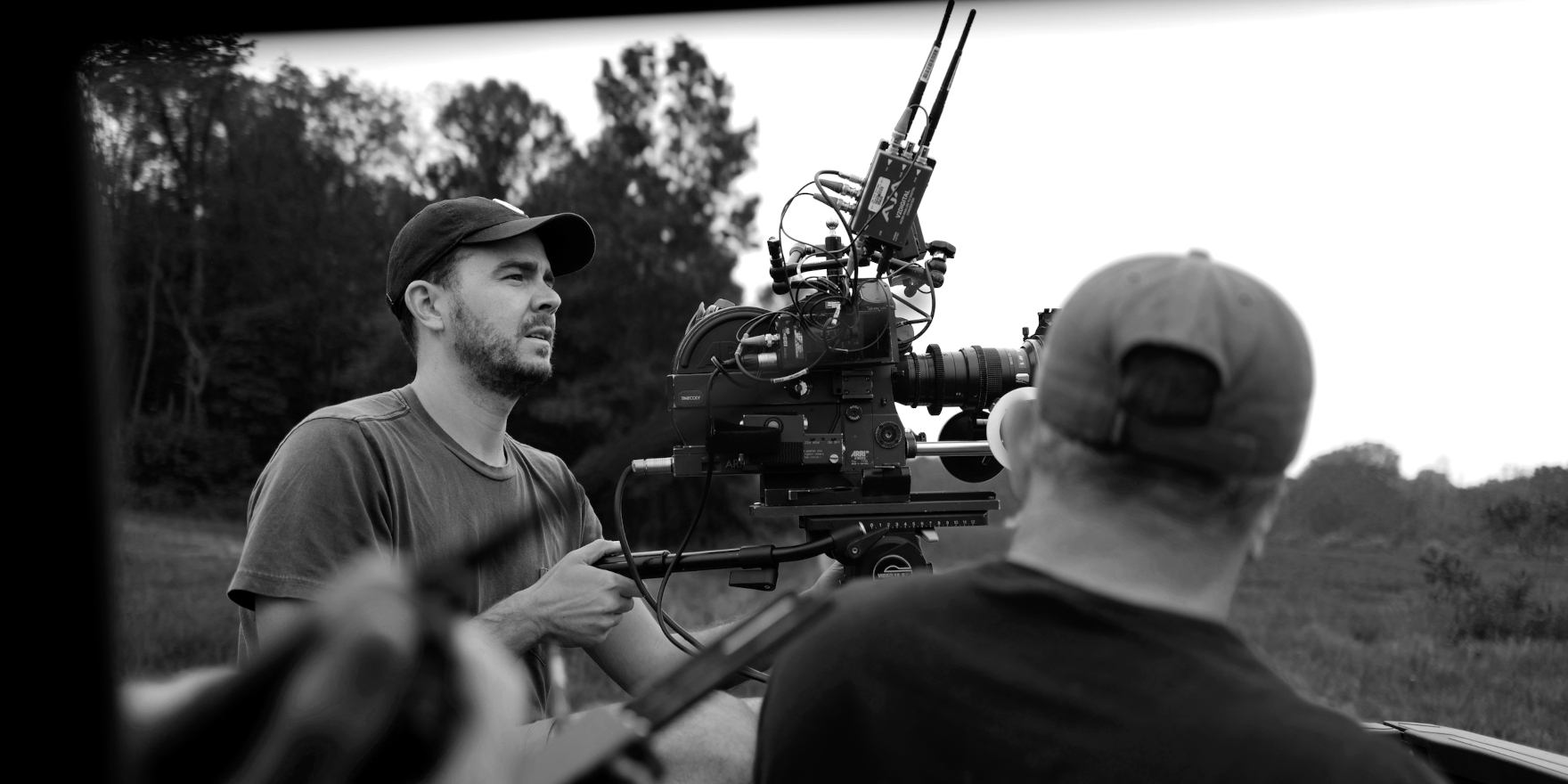
For years, filmmaking wasn’t just my work; it was my shield.
A way to stay busy enough, successful enough, distracted enough to avoid getting too close to the one place closeness scared me most: intimacy.
As a young director and production company owner making ads for Nike, Coca-Cola, National Geographic, and Mercedes-Benz, I lived on planes, in edit bays, and in hotel lobbies firing off treatments before sunrise.
I called it ambition. I called it drive.
But underneath, it was something else:
A fear of emotional intimacy in my fractured dating life, and eventually my marriage, dressed up as work ethic.
By every traditional measure, it worked.
I was thriving.
I wasn’t lonely. Well, not exactly. I had great friends at work, collaborators, crews I deeply cared about. But I wasn’t letting anyone all the way in. Not where it counted.
Behind the awards and campaigns was a growing numbness I didn’t know how to name; a quiet ache I outran for years.
I didn’t know how to sit still.
Because if I did, I might’ve had to feel what I was running from: the gaps, the distance, the ache I felt in my closest romantic relationships. I might’ve had to ask why I was hiding.
It wasn’t until a few years ago, when my wife and I faced infertility, that the dam finally broke. There was no shoot, no deadline, no adrenaline rush that could protect me from the grief. For the first time, I couldn’t work my way around emotional intimacy; I had to sit in it. With myself. Alone. Often isolating from my wife. I had to feel it. Let it undo me.
It hurt more than I can describe. But it also broke something open in me that needed to break.


Processing my grief led me into two of the most meaningful projects of my life: The Baltimorons, the 2025 SXSW Audience Award-winning feature directed by Jay Duplass, and Selah, a documentary I directed on traumatic grief that I’m now finishing in post-production.
Two films I could have never made if I was still hiding behind work. Two films that came from facing life, not escaping it.
Instead of just being a career, filmmaking had become my escape hatch from intimacy. Now, it is transforming ever more into something else: a way back toward deeper connection.
When I look back, I can now see why so much of my early success felt hollow. I was trapped in what I call soul-crushing work. Not because the clients were bad or the projects were unimportant, but because the work demanded a version of me that stayed safe, controlled, guarded. A version that could bond with a team, but struggled to let down my guard in my marriage. A version that was relational at work, but emotionally distant at home.
I wasn’t listening to anything except my own ambition. I let the industry’s definition of success drown out the questions waiting for me at home. And it nearly cost me the ability to love the work or the people I loved most.
Soul-crushing work happens when you betray what you know to be true for what looks good on paper. The solution wasn’t quitting filmmaking. It was changing the way I approached it from the inside out.
When I was 14, filmmaking was the most natural thing in the world. Skateboarding videos. Stupid sketches with friends. Editing VHS tapes late into the night just because it was fun. No clients. No budgets. No pressure. Only play.
For years, filmmaking turned into my job, my brand, my identity. It was no longer enjoyable or fun. It also stopped being personal. I’d spent so long using film to connect with audiences and colleagues that I forgot how to use it to connect with the person closest to me.
So I made a conscious decision:
Slow down.
Move back to Baltimore.
Take smaller, more meaningful projects.
Coach other filmmakers.
Reclaim the hobby, not just the hustle.
Now, filmmaking is a friend again, not a master.
For a long time, commercial filmmaking was my shadow career. It looked close enough to my passion for storytelling, but kept me busy enough to avoid telling the scariest story: the one happening inside my own marriage. The one I wasn’t sure how to write, or live, or face.
The goal isn’t to hate the shadow. The goal is to recognize it, honor it for what it taught you, and then move beyond it.
My time in advertising taught me invaluable skills. But it took stepping away from it emotionally, spiritually, and financially to hear the deeper calling underneath all the noise.
Today, my life is “boring” compared to what it once was. I walk my dog. I spend slow mornings with my wife. I make films that move me. I coach filmmakers who are brave enough to want something deeper than just another credit or career milestone.
I ignored those inner questions for a long time. Now, I try to live by them. I no longer want a life that looks impressive from the outside but feels hollow on the inside. I want a life that lets me be close, really close, to the people who matter most. A life where intimacy isn’t something I avoid through work, but something I welcome, even when it’s uncomfortable.
I want a life that’s rooted.
A life that’s awake.
A life that matters, even if nobody’s handing me another award for it.
A simple life isn’t boring. A simple life is sacred.
And if you’re feeling exhausted, disconnected, or numb …
You’re not crazy.
You’re not weak.
You’re not alone.
You’re just ready for something deeper.
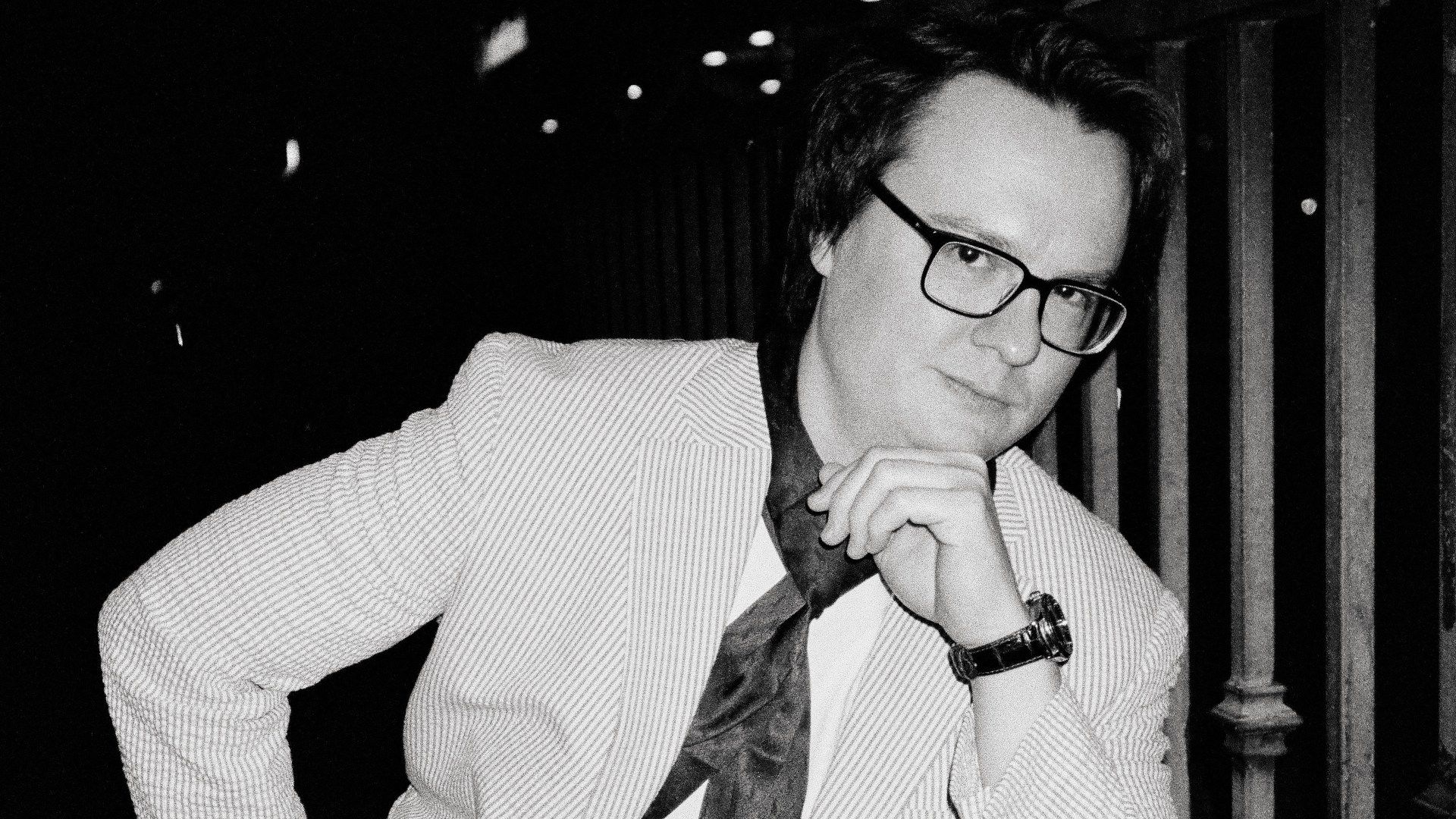
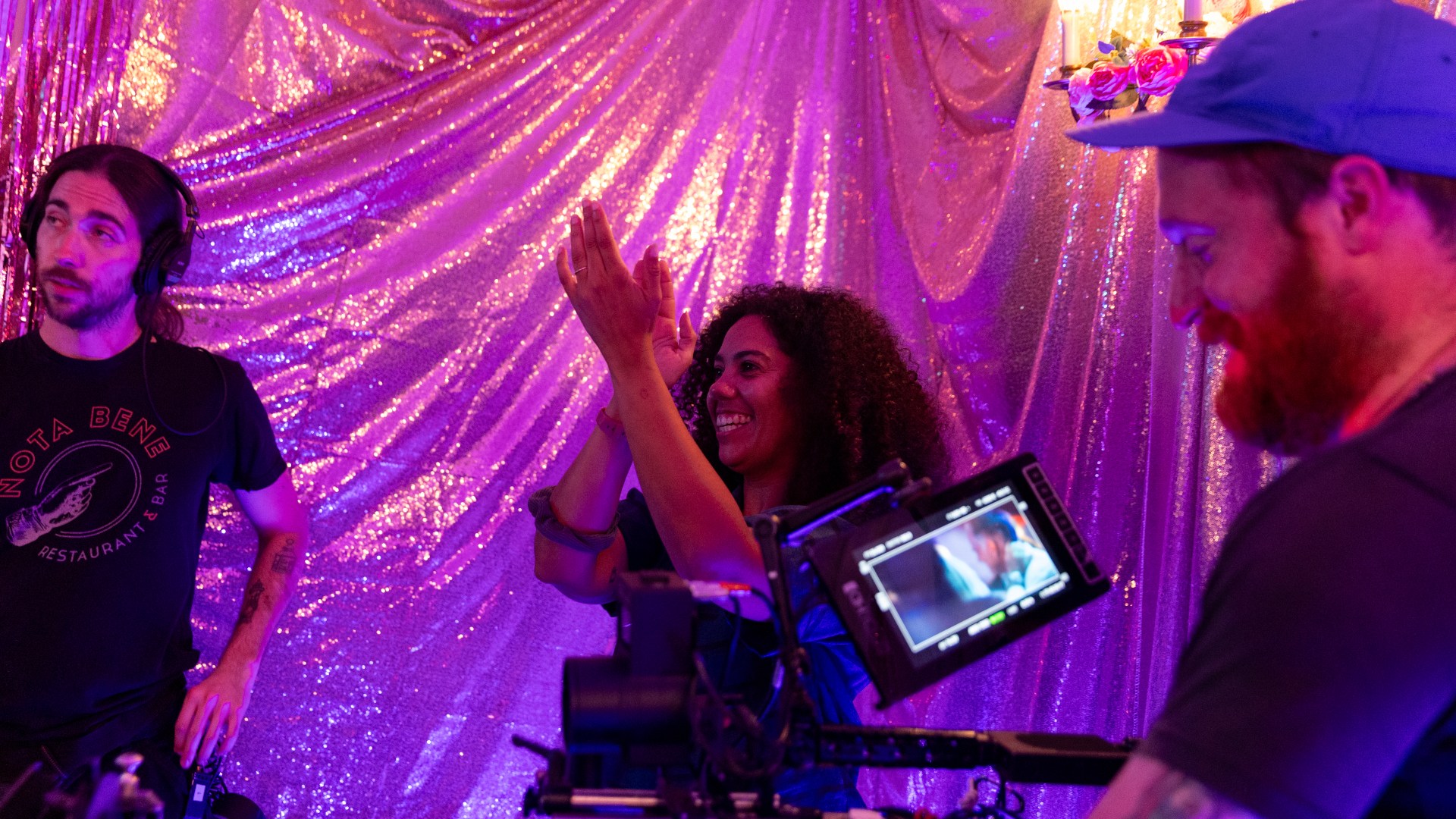
Featured image shows Jon Bregel on set; all images courtesy Jon Bregel.