
People talk a lot about sex in movies and how we should represent it. Especially now that the most explicit images imaginable are so easy to find online. Some filmmakers have responded by doubling down and leaning into hypersexualization. The result, in my opinion, couldn’t be less erotic. It feels like trying to jump-start a dead car.
This is all to say: it’s a tricky time to make an erotic thriller, a genre that derived its power from transgression and quickly became a mechanism for testing the boundaries and constraints of social norms. In 1992, Basic Instinct’s explicit sex scenes yielded outcries for censorship. In retrospect, I wonder if these sounded more like a death rattle. (I was born a few years later, not to brag!)
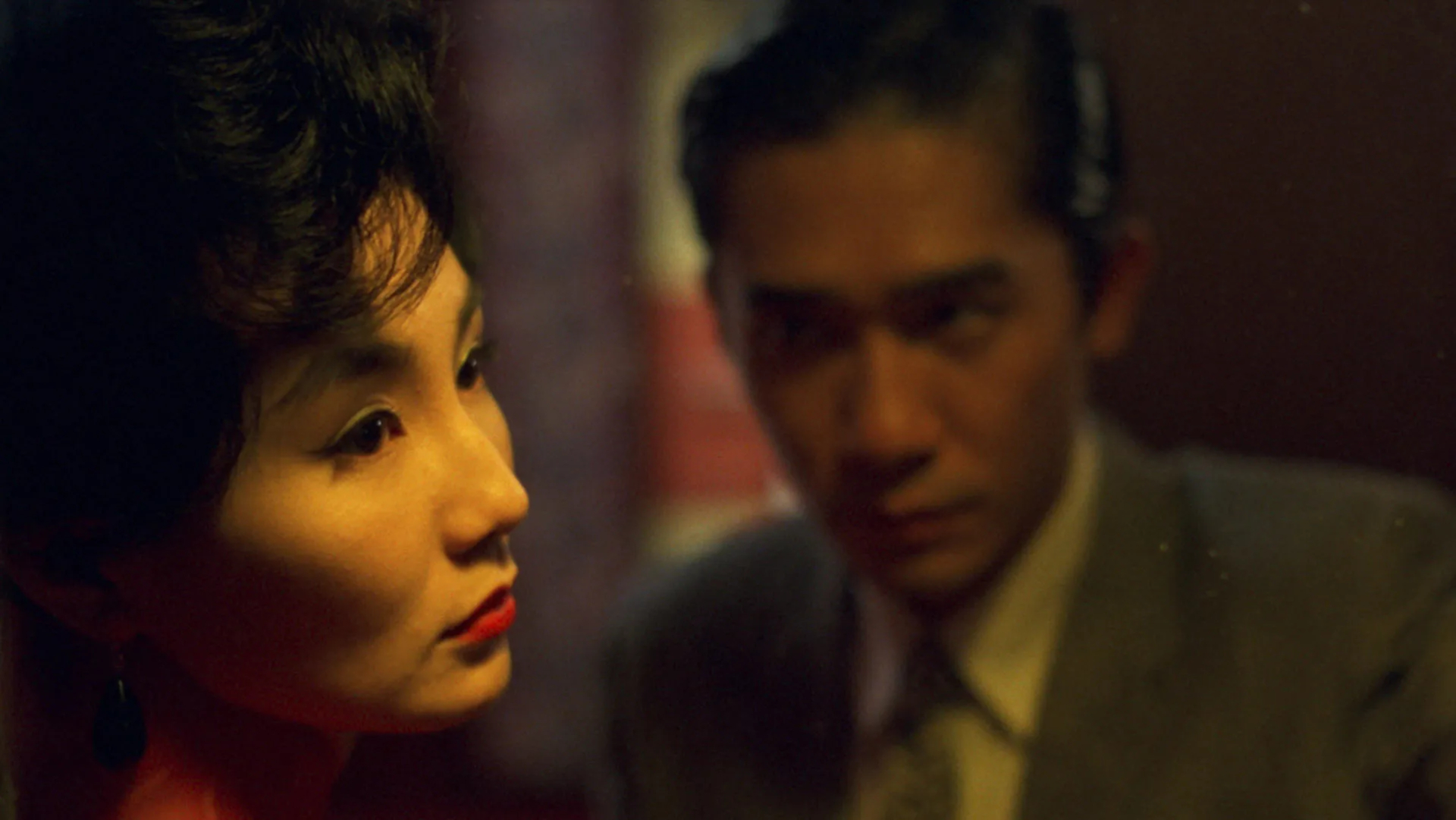
How do you make an erotic thriller in a world where prohibition is dead? When making my first feature, Night Nurse, instead of the classic erotic thrillers of the ’90s, I decided to take my cues from films like Wong Kar-wai’s In the Mood For Love, wherein the two lovers do not even kiss.
I rewatched In the Mood for Love while I was in the final stages of editing Night Nurse. It was a stupid decision, as everyone knows there’s nothing worse than watching a masterpiece when trying to picture lock. The film is commonly referred to as one of the most romantic and erotic movies of all time, but in my rewatch, it struck me above all as tragic. I found that the perception of romance blossoming between the protagonists was a result not only of the film’s famous restraint, but also of the ambiguity surrounding Mr. Chow and Mrs. Chan’s true feelings. Do they love each other? It’s impossible to say. What seems more certain is that their spouses – who are the ones actually having an affair – are participating in eroticism and romance. Our protagonists exist, in that sense, on the outside of love.
This ambiguity is mainly constructed through a series of role-play scenes in which Mr. Chow and Mrs. Chan imagine and enact adulterous encounters between their respective wife and husband. Aside from one moment in which Mr. Chow seems to confess that he has developed real feelings for Mrs. Chan, the majority of their relationship is represented either in the context of these performances, in a shared creative project (they meet in a hotel room not to have sex, but to work on a martial arts serial), and in the infamous slow-motion encounters in hallways and stairwells, under the weeping violin, brief moments of contact that make infinite room for audience projection. The closest the two characters ever get is when Mrs. Chan cries on Mr. Chow’s shoulder.
The film could be said to be much more about the use of fantasy as a coping mechanism for rejection, heartbreak and loneliness than it is about romance or love. Unless we are referring to doomed love, which would place the film alongside Bonnie and Clyde or The Honeymoon Killers, no-exit romances and movies that also substitute role-play for intimacy. In Bonnie and Clyde, the title characters’ heists take the place of sex, filling the void left by Clyde's impotence. In The Honeymoon Killers, the lovers role-play as siblings in order to enact their crimes. Desire survives because it is either couched in fantasy or never has to become real. Both of these films, however, end in spectacular violence and, ultimately, death. In In the Mood for Love, the characters continue to live inside their fantasy, where something might have happened, but never did and never does. Which fate is worse, I guess, depends on your perspective on death.
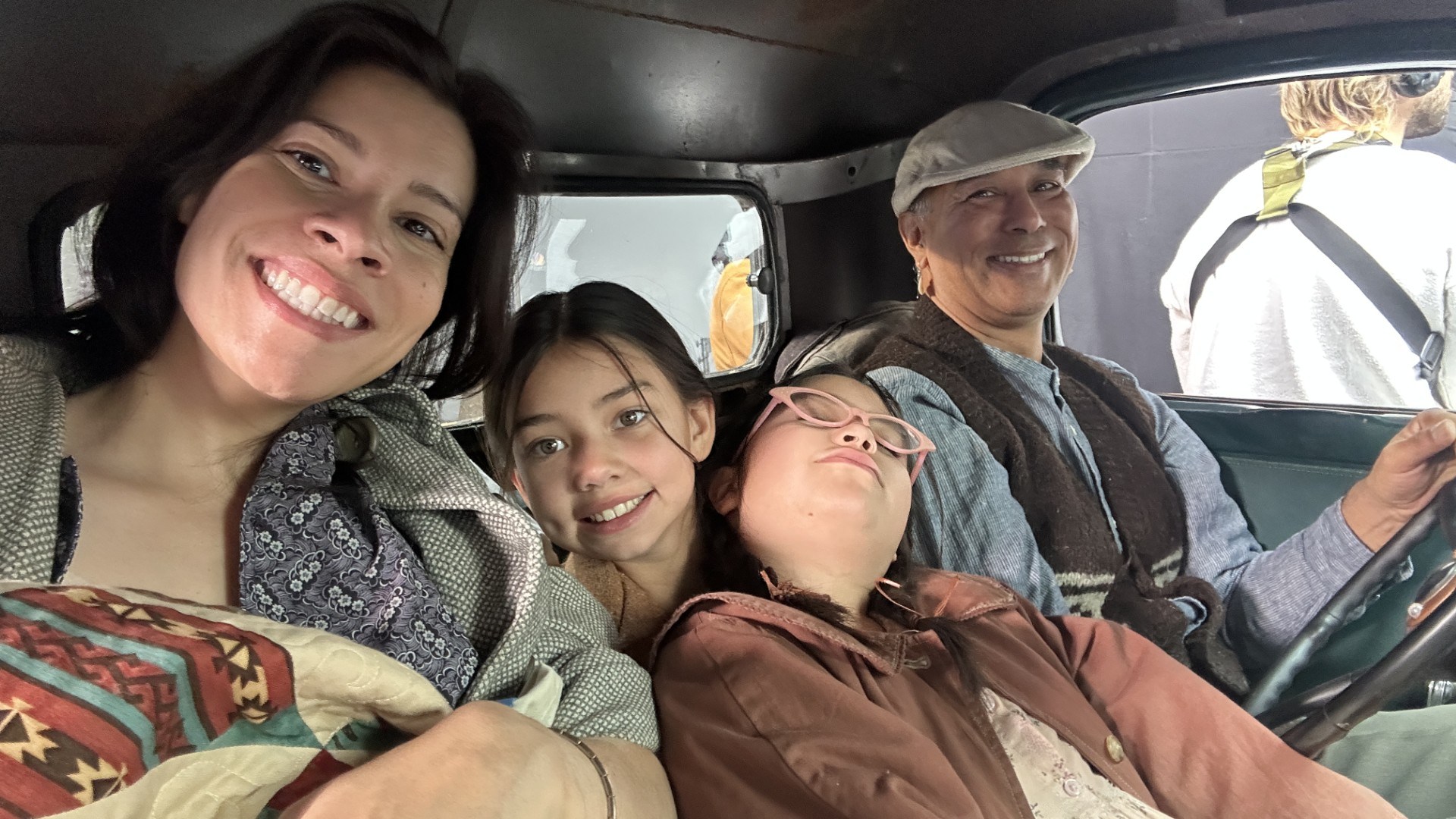
While making Night Nurse, I was interested in a similar kind of substitution. The film centers on an impotent older man and a young nurse who spend their nights performing scam calls together, wherein the calls gradually become their own love language. They repeat the same script over and over, and with each call, the words begin to mean something different. By pretending to be someone else, they come closer to the untouchable center of their desire.
People seem to be concerned, even off-screen, about whether eroticism nowadays is dead. Anyone with a pulse knows that it’s not. It just may be that we’re experiencing the numbness of a nymphomaniac. We’ve passed consummation, passed climax, and then some. What's disappeared is not eroticism, but a particular model of eroticism built on prohibition. What remains for us now is fantasy – the endlessly regenerative power source of libido, as any true romantic will tell you. May we, like Mr. Chow, continue to mistake this for romance until something more beautiful comes along.