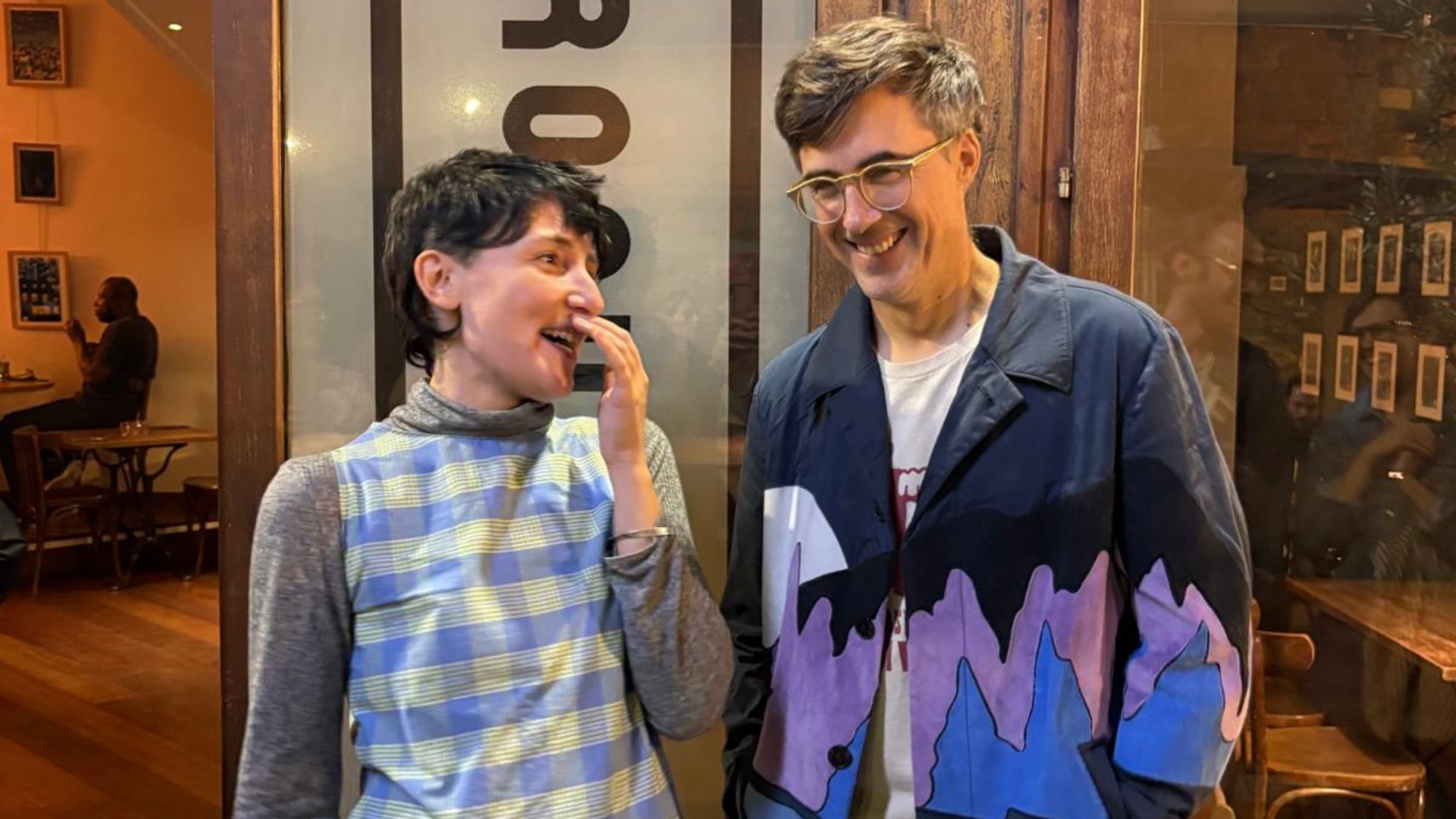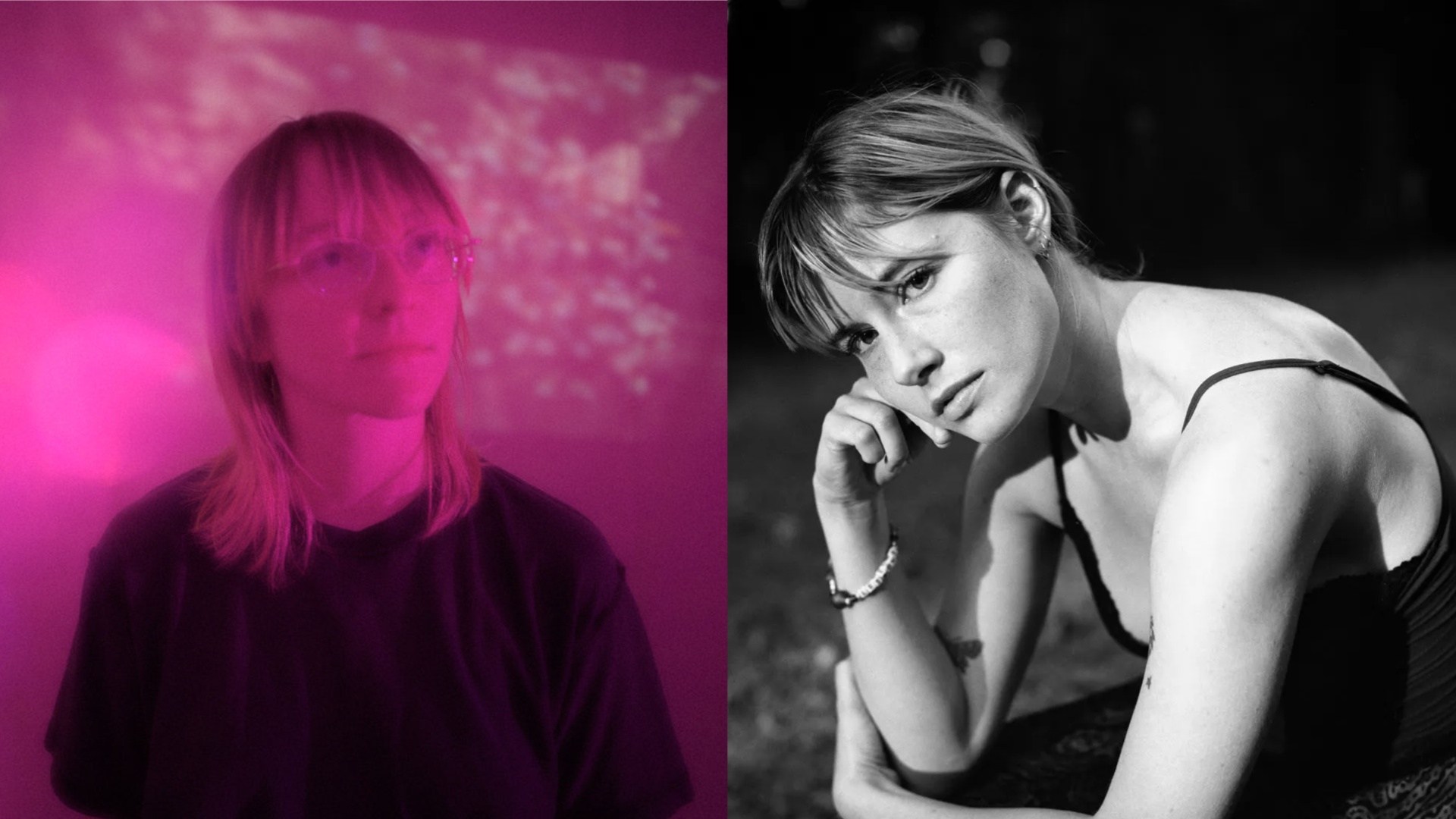
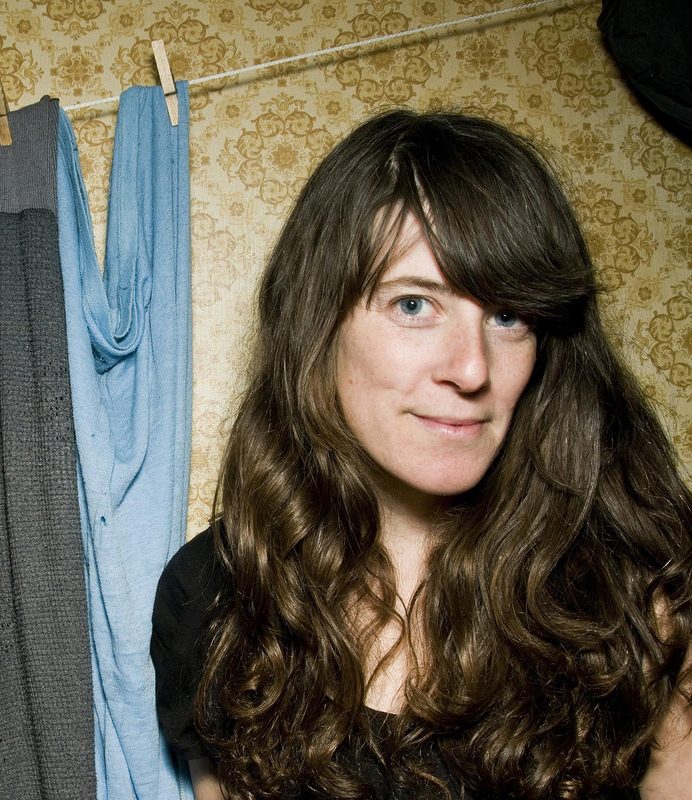

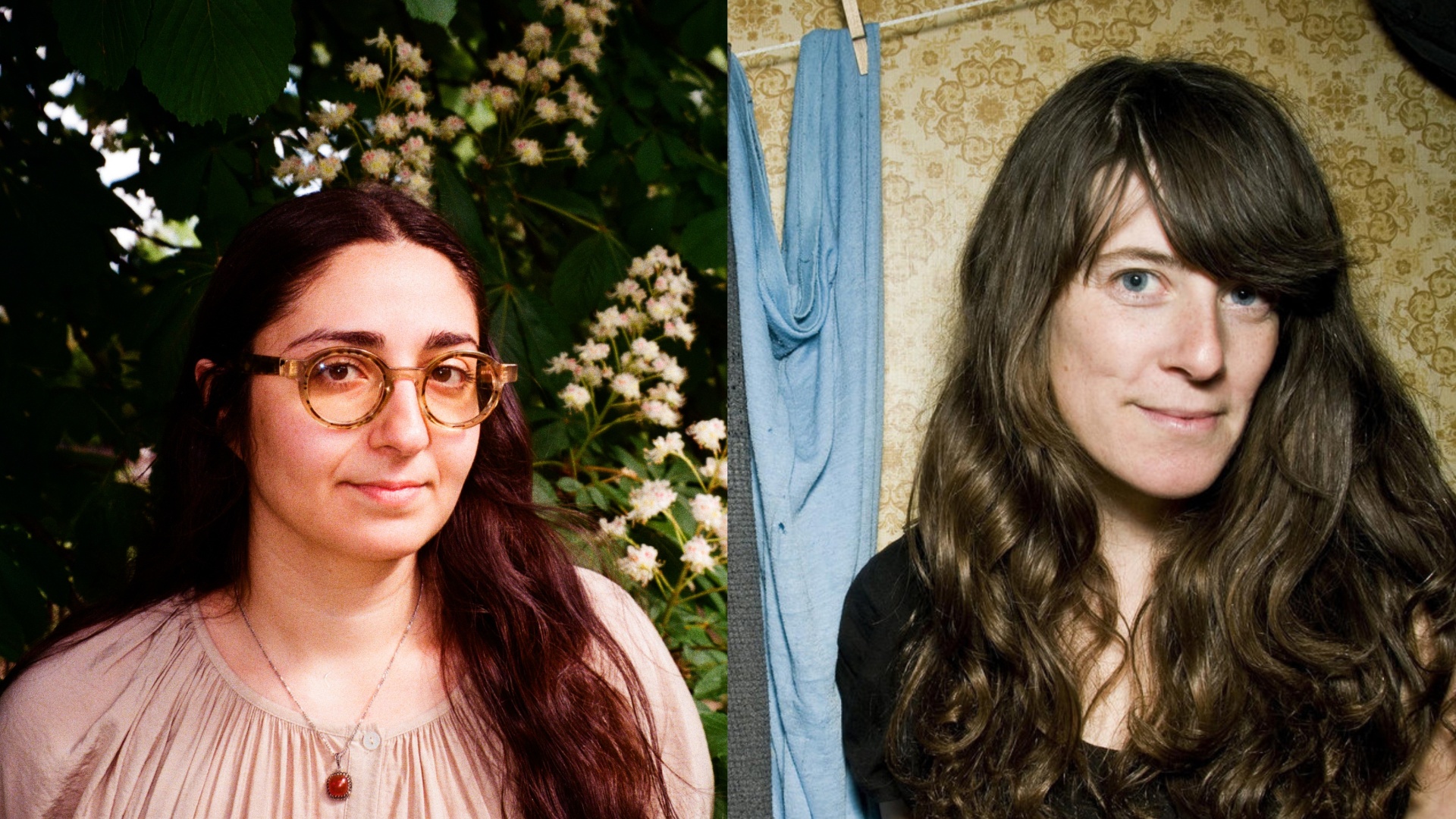
Ava Mirzadegan is a singer-songwriter based in Philly; Julie Doiron is a singer-songwriter based in Montreal. Ava’s new record, For the Light, is out now on Vital Recordings, and to celebrate the release, she and Julie got on a call last month to talk avoiding self-sabotage, the attention economy, and more.
— Annie Fell, Editor-in-chief, Talkhouse Music
Julie Doiron: I think my whole “career,” in quotation, I was afraid of success in some ways. I would always kind of self-sabotage. I would wait ‘til the last minute to promote. Also — I wonder if this is abandonment issues or something — but for many, many years when I would go on tour, I wouldn't really let my friends know ahead of time until I'd arrive in the city. I would write to them when I'd get to the city, “Oh, by the way, I'm playing tonight. No worries if you already had plans.” Whereas, if I told them two months before and then they didn't show up, maybe I would feel sad that they didn't come. It was ridiculous, and in a lot of ways, it was selfish because I didn't even let them know until they already had plans. But I was scared. I still do things like that, though now I think with social media now, people tend to see as long as we promote it. But I hate using social media just for promoting, because if we didn’t have to spend our time doing promo, we could actually spend more time writing and playing music.
Ava Mirzadegan: Yeah, it's exhausting. It's hard, too, when it doesn't feel like the thing itself can stand on its own anymore. There's all this extra stuff you have to do. As you were talking about self-sabotaging, I was thinking about how I am the same way. Something that I'm really good at for other people is being their biggest cheerleader. I used to be a publicist, I used to run this tiny tape label where I got so many people to write about my friend's music, and I got it placed in all these big blogs. And then when it came to my stuff, I was like, Well, no one's going to want to talk about this. I'm going to send five emails and not really post about it. So, this piece that we're doing right now feels like me taking a step towards putting in that effort for myself and not self-sabotaging.
I think about [how] Linda Perhacs put out a record and people didn't find it for another 20 years. Or Sibylle Baier, who recorded a record quietly in her home and never did anything with it, but then 40, 50 years later, people found it and really connected with it. Sometimes I tell myself that that's the ideal way to make music, because all you have to worry about is, did I create something that I'm proud of as an artifact? I've worked in music for a really long time, and I think it's affected what I think of as “doing it right.” So even though my ideal version of making stuff is the things that I write for myself in my room and maybe the few people who find it, then I have this voice in my head that's like, Did you post a Reel? Did you try to go on Instagram today? And I feel like it's taking away from what should be time spent just creating. I would love to be in a place where that stuff doesn't even come into play. It'd be amazing if all of us just decided, “Hey, we're not going to do this anymore.” We're just going to connect with each other and have it be more of this interpersonal thing rather than feeling like it's about an economy. It’s like we're all vying for everyone's attention, where we could all just share it.
Julie: I guess it would be along the lines of making a record and then having it be discovered 20 years later, if we wanted to opt out of trying to do promo all the time.
Ava: Yeah. But then again, then we won't get to see the people who connect with it…
Julie: Exactly.
Ava: I had a funny thing, too, with this record that I put out, where I felt like I did a bad job with it. I didn't send out a whole press release.
Julie: What did you do?
Ava: I just kind of threw it up online. I reached out to a few people that I know, who have written things about it. It's going to be really select pieces. I only reached out to a few people because I didn't want to do the whole thing of, I don't know, almost feeling like you're buying attention.
Julie: It’s hard, doing it for your own record. If someone else is doing it for you, then it wouldn't feel like that.
Ava: Yeah, it's hard to do it for yourself. I also probably could have given myself more time to pitch it around to people and see if anyone wanted to put it out. But I kind of felt like I needed to do it at that moment exactly, or else I would never do it.
Julie: And it's such a personal record, too, that maybe it does feel like this one makes sense to put it out yourself. And you put it out on Mother's Day. I mean, you would have to explain that instead of me trying, but I interpreted it as based on the theme of the songs. You're singing about the loss of your mom, right?
Ava: Yeah. I actually described it to someone recently — maybe it was my therapist — you know when a kid makes their little finger paintings and it's their way of being like, “See, I love you so much!” And it's this tiny thing that will never amount to what you've done for that child, but it's their way of being like, “I see you, I appreciate you!” In some ways, it felt like this [record] is my little finger painting. I'm never going to be able to capture what that relationship was. And I think I might be trying forever. But then again, I think I write the same song over and over again.
Julie: I think we all do. [Laughs.]
Ava: It's the themes that we're drawn to, the things that we're grappling with… Do you feel like you've written the same song more than once?
Julie: I feel like I've written four songs over and over again.
Ava: [Laughs.]
Julie: Maybe five… I don't know that I've written musically the same song over and over, but I think that I tend to sing about the same emotion many times, for sure. And I think when I'm trying to vary it, when I'm trying to branch out — like I know that I did make a conscious decision to try to write songs expressing my gratitude for being alive or having nature. There's a bunch of songs I've written, like “Beneath the Leaves” and “By the Lake” and “Glad to be Alive,” where I'm trying to counter all the sadness. Because I didn't want to just be melancholy all the time. In my day-to-day life, I'm not that sad. I have moments where I'm sad and I have moments where I have a hard time with things, but then I have moments where I'm laughing and I think things are beautiful. So I guess I write two types of songs: sad and gratitude.
Ava: Do the songs feel like a reminder? Do you ever turn to them if you're feeling down, like, Oh, yeah, I was happy once?
Julie: One of the things that I think is nice is, when I do my live shows I tend to ask for a lot of requests of songs I've written, and a lot of times those ones do get requested. I find that's helpful, too, because usually it'll be someone in the audience that that song really was meaningful for them, so then I'll be like, Oh, yeah! That song is actually a nice reminder of this certain time or that these things can exist, gratitude and happiness and joy. It's nice to know that I've written those songs. But I wouldn't feel right singing all just happy, “Hey, the sun's shining again today!”
Ava: [Laughs.] I mean, I think there is a depth. Even when you sing those songs about feeling joyful or grateful, I take them with a grain of salt. It almost feels like you're saying, “Yes, but—” I had this creative writing class and we got in this debate where the professor was asking us, “Do you think something bad needs to happen to a writer? Do you think they need tragedy in their life for their writing to be good?” I remember at the time, I was listening to a lot of Carrie & Lowell, the Sufjan Stevens record about his mom passing — and this is pre-my mom dying, I just was always drawn to these sadder songs — and I think in the moment I decided that you do need to have the breadth of human emotion for this stuff to feel even more potent on either end. I feel like as we all grow and learn, joy on its own isn't always as meaningful as, like, you had a really hard week and then your partner surprised you with something. That feels so much more powerful. I think when you are talking about these things that are light and joyful, knowing your other work, I feel even more moved by it.
Julie: Thank you. I feel like more people than I realize feel this way, but even when I'm feeling really great or like I'm on top of everything, I still feel completely shocked when I meet someone who seems really happy. You know what I mean? Like when I meet someone who seems genuinely like they had a great childhood and they're solid and they don't seem to be stressed, I'm always like, Does that actually exist? So I think it's the same as when you hear a song that's just all rainbows and not even a single cloud, you're like, Does that exist?
Ava: I even feel the same thing about if there are people in my life who want to keep things light always and never talk about the stuff that is actually bothering them. I'm like, “But we all know it's there! We could all just talk about those things that feel heavy!”
You have this line, “I don't need a confirmation, I don't need to know the answers, there’s suffering all around.” I think about that; there's always going to be something bad, but there's also always a lesson in that, too.
Julie: I have no idea why those lines came out like that. When I was writing that song, I was stacking firewood in the garage in the house where I was living and I was sensing that I was going to be moving out soon. I was making the decision as I was writing that song, and I think I was just realizing that there is suffering all around. And it's just moving through this [feeling] and not having to necessarily talk about it or to know the answer. I know there’s suffering… I think that everything we can do as humans with empathy is to just be honest and caring and loving. I've always been really into small talk with strangers. I've always been good at it. I feel like it's an important thing. I refuse to go to the self-checkout. I will still stay in line if I have time, because even that's been scientifically proven that those little interactions can help with things like depression. Those are easy ways to make connection with humans… I work at a pool as a lifeguard part time, and I love making small talk with the swimmers. I love chatting.
Ava: That is what being human is. I think we've all kind of lost touch with it. I always try to talk to everyone. I make friends on the train — I'll never see them again, but I love doing that.
Sorry, I keep referencing lyrics — this one's not yours — there's a Frightened Rabbit lyric where he says, “In this life, I'll make tiny changes to earth,” and I think about that a lot. He was a very depressed man. He was very sad about a lot of things. I think maybe he felt the heaviness of the world and realized, “Maybe that’s all I can do, the little things.”
Julie: They are important. I remember I had a yoga teacher who said, “A little bit often equals a lot.” I think what you're doing with the money that's going to Red Crescent [Ava has been raising money for the Red Crescent through sales of her For the Light tape], that's a really sweet thing and a good way of raising awareness. If we’re doing acts that can connect, then I think that we can feel less helpless and more hopeful.