My brother Bobby, my sister Ellen, and I were raised by loving parents in a Philadelphia row home during the 1960s. We were a tight-knit family. On Fridays, we’d eat supper with Dad’s parents, and on Sundays, we had dinner with our maternal grandmother, “Nanny Shirley,” who was elegance and warmth wrapped into one. But there was never any mention of our maternal grandfather. Not a story. Not a photo. Nothing.
When we were about eight, Bobby and I tiptoed to Mom to ask for the lowdown. Dad quickly stepped in. “He’s gone, and your mother doesn’t want to talk about it.” Gone where? Dead? In prison? Was he an axe murderer? Our imaginations ran rampant.
For the next 10 years, we had plenty of questions, but few answers, and the answers we got only deepened the mystery, so Bobby and I went to the one person who knew – Nanny Shirley.
She was tight-lipped at first, but after a vodka, the story flowed. His name was Yale Parker. At least, that was the name he gave himself when he turned 18. No one knew his real name. Born around 1910 in New York City, Yale had ancestors on his mother’s side who came over on the Mayflower, and his father was a wealthy Jewish entrepreneur who went broke in the Great Depression.
Shirley married Yale when she was 18, after knowing him for just a month. They set up home in Yonkers, New York, and quickly had two children, my Aunt June and my mom, Bette, two of the nicest women in the world. According to Shirley, Yale was irresistibly charming, handsome, funny and magnetic. So much for the axe-murderer theory. He scraped out a living working in New York City nightclubs, and may even have been a “connected” guy.
And, yes, Yale was still alive. He owned a big Cadillac dealership in Connecticut. How’d she know all this? “Well, he calls me every month or so, and sometimes he even comes to visit. Please don’t tell your mom.” Shirley obviously still loved the man.
She then showed us a photo of her and him at a New York City nightclub, taken in the late 1930s. Finally, we see our grandfather.
Holy shit, he looks like Al Capone! Yale seemed like a good guy. So, why did Mom erase him from her life? Shirley took a gulp of her vodka and said Mom and Aunt June worshipped their dad, but their lives fell apart when Yale “up and disappeared” when they were about 10, never to come home again. Well, that explains it. Thanks, Nanny Shirley.
Wait! Not so fast. That was just the tip of the iceberg. Over the next hour, Shirley told us jaw-dropping, bizarre stories about Yale that were too crazy to be true. We assumed she must be exaggerating. Maybe it was the booze. The only way to know was to confront Mom.
I elected Bobby to lead that conversation. It wasn’t easy, but Mom finally came clean, taking Nanny Shirley’s stories to another level, revealing things not for the faint of heart. As we listened, it was clear Mom despised Yale, and forgiveness was never going to be part of this story. Worse, it seemed as if she blamed herself for what he did.
When I was about 21, I told Mom I wanted to meet Yale. She wasn’t keen on the idea, but eventually agreed, perhaps thinking it could help bring some closure for her. So, with my future wife, Debi, we drove our junker to Danbury, Connecticut, to meet my long-lost grandfather at his sprawling Cadillac dealership.
Except, it wasn’t sprawling, and it wasn’t a Cadillac dealership. It was an unpaved used car lot with about five cars for sale in a sketchy part of town. In the middle sat a dilapidated trailer. Wary of the situation, I asked Debi to wait in the car while I checked out the trailer.
I knocked twice. No answer, so I stepped inside and had a front row seat to a vision that would last a lifetime. Let’s just say Yale was “involved” with a woman on a desk. Talk about first impressions! He looked up, our eyes met, and I made a beeline for my car. Hiking up his pants, he ran out of the trailer, yelling for me to stop, promising the deal of a lifetime. He thought I was a customer. When I told him who I was and why I was there, he knew it was his day of reckoning.
We had a long conversation. In colorful terms, he filled in many pieces of the puzzle, and somehow the story became even more complicated than what Mom and Shirley had known. He said he understood how my mother felt, but was unapologetic, even proud of the life he’d led.
As Debi and I were about to leave, Yale pointed to my car and said, “That’s a real piece of shit.” I told him it burned more oil than gas. “Wait here. I’ll be right back.” He went into the trailer, and I looked at Debi with raised eyebrows, hoping he’d emerge with keys to a better car. Instead, he handed me a quart of motor oil. “This’ll get you back to Philly.” At that moment, I understood the charm, the audacity and the emptiness underneath. This was a story that needed to be told.
From the time I was a teenager, I wanted to write movies – not books, movies. I was a good English student, and my high school teachers and college professors told me I was a really good writer, but not the kind who could make a living at it.
So, I made a “common-sense” decision – became a business major in college and then went to law school, but I promised myself that one day I would put aside my career and write movies. I had so many stories bubbling in my head, including the Yale “extravaganza.”
Flash forward 25 years, and after a fairly successful career as a financial professional, my screenwriting career was about to become a reality. Everyone believed I was crazy, but a promise is a promise. I had many stories to tell, with my family’s saga front and center, but I knew that story would need a more “seasoned” writer. I had to learn from my mistakes. So, over the next two years, I wrote two screenplays, both of which received some critical acclaim, were eventually optioned, and one was made into a film. It was now time.
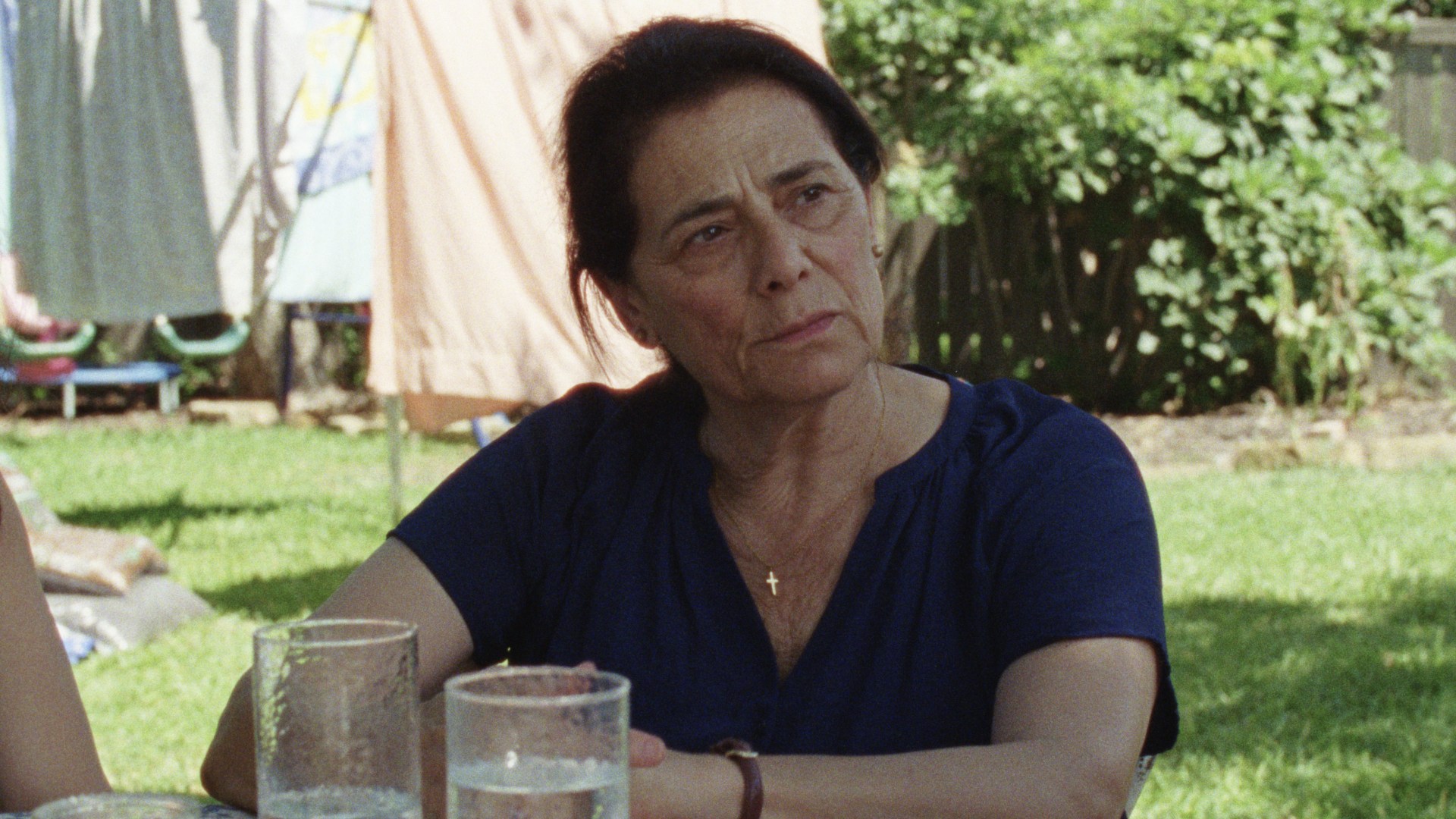
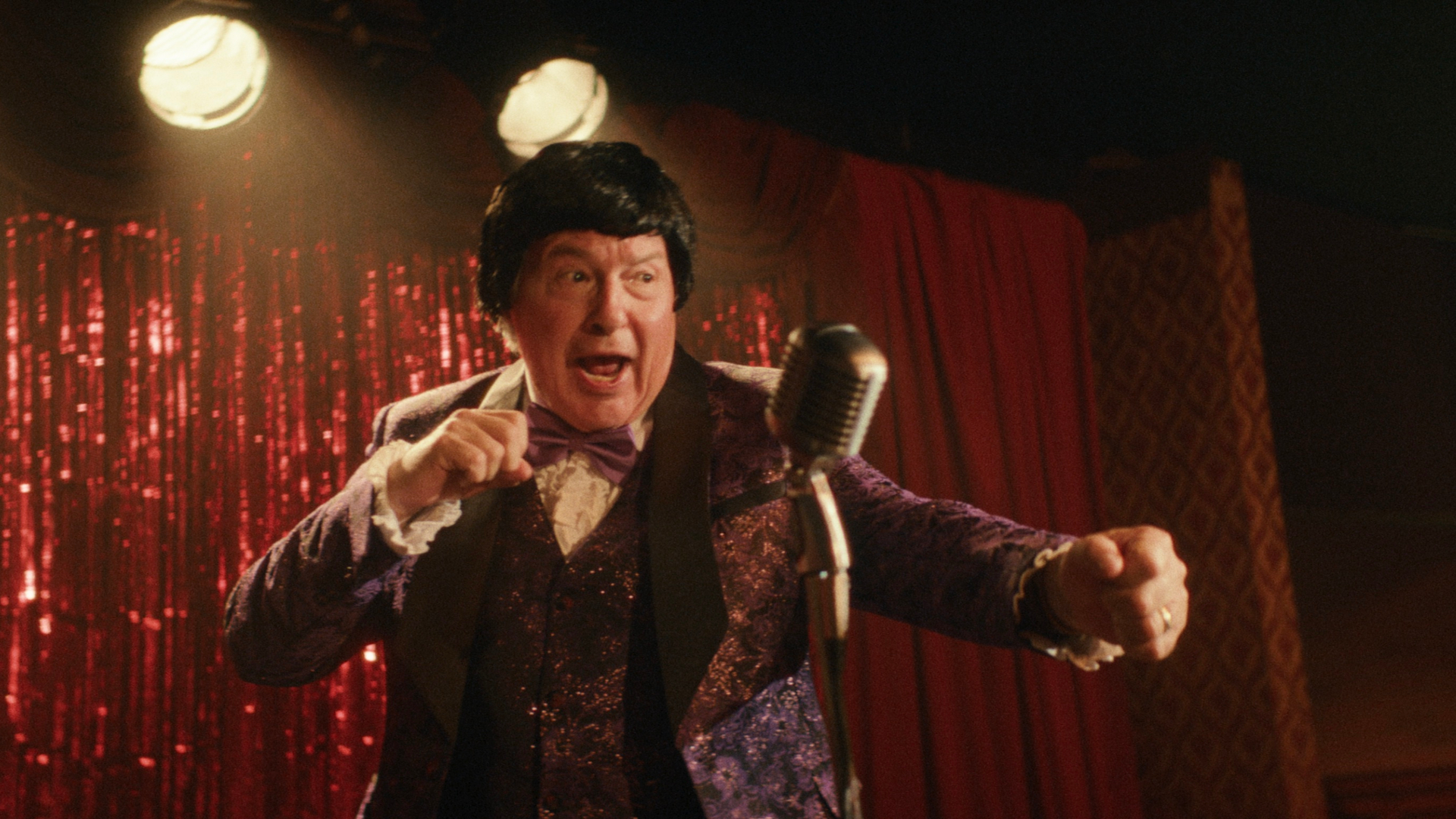
The first hurdle was deciding who the story would be about. The obvious answer was Yale, but that would have been the easy way out. Yes, the film bears his name, and he is a major character who steals many scenes, but the true protagonist is a combination of Mom and Aunt June. The movie is about their lifelong struggles as daughters of a charming, funny man who could love no one but himself. Maybe even a sociopath.
Writing it was very difficult. At times, cathartic. It took nearly three years to complete a draft I could send to my agent, but before I would do that, Mom needed to bless it. She was about 85, and I had no idea how she would respond. Surprisingly, she loved it. Said she laughed and cried. She hoped she would live long enough to see it on the big screen.
Indie film director and producer – and now dear friend – Jay Silverman bought the script, and for the next three years, I sat with Jay and his team, refining it over and over. The rest is history. Jay, the actors, and the entire crew made a film everybody can identify with, even if there aren’t any “Yales” in their families.
Mom passed away in 2023, just short of her ninetieth birthday. True to her word, forgiveness never happened. Even though she never saw the movie, I believe the screenplay helped her come to terms with the fact that none of what Yale did was her fault. If the story gave her even a measure of peace, then writing it was worth everything. I like to think she’s looking down, smiling at her children, grandchildren and great-grandchildren, so proud of all of us, but at the same time, grateful that Yale’s blood doesn’t run too deep.