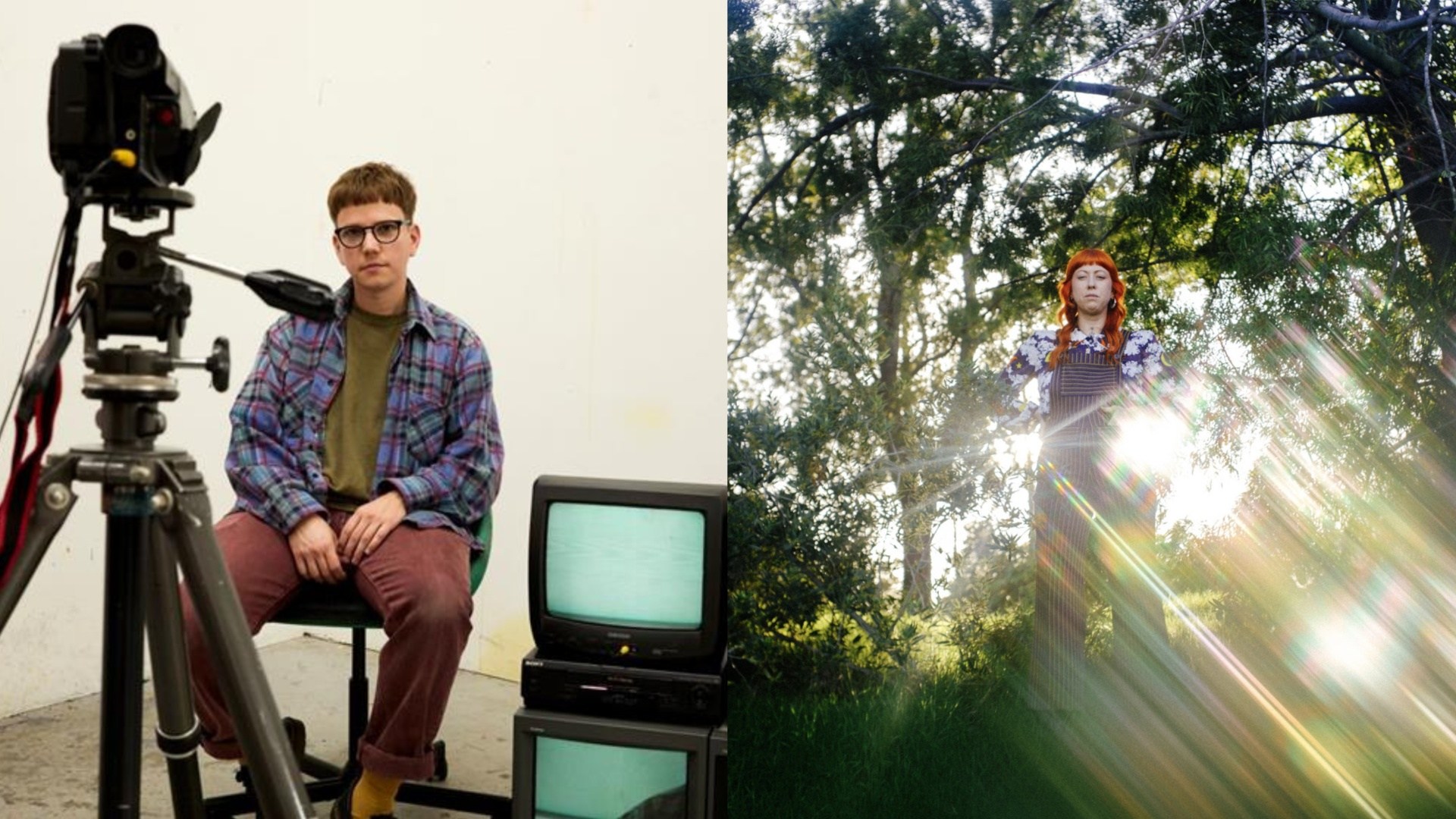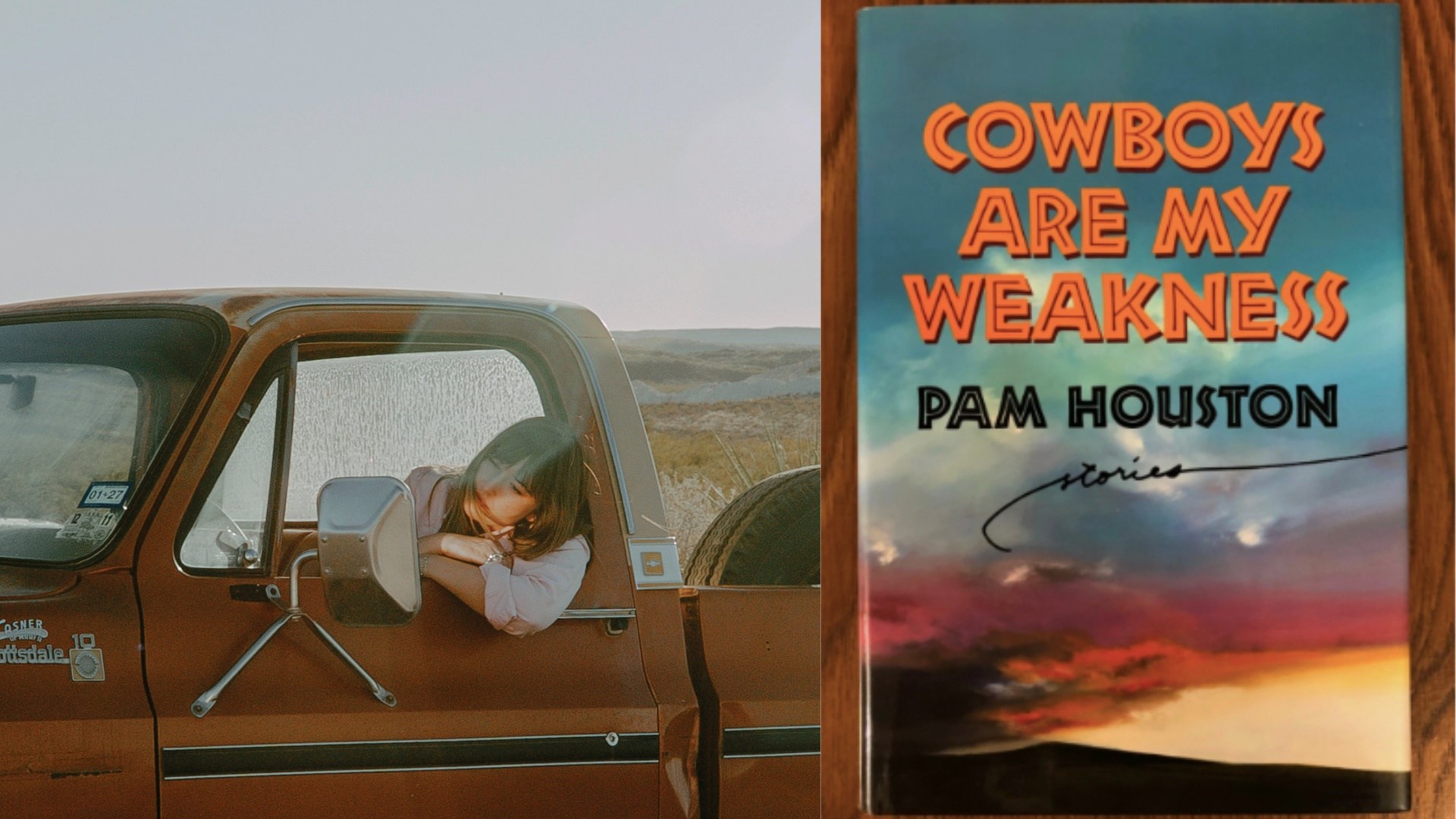
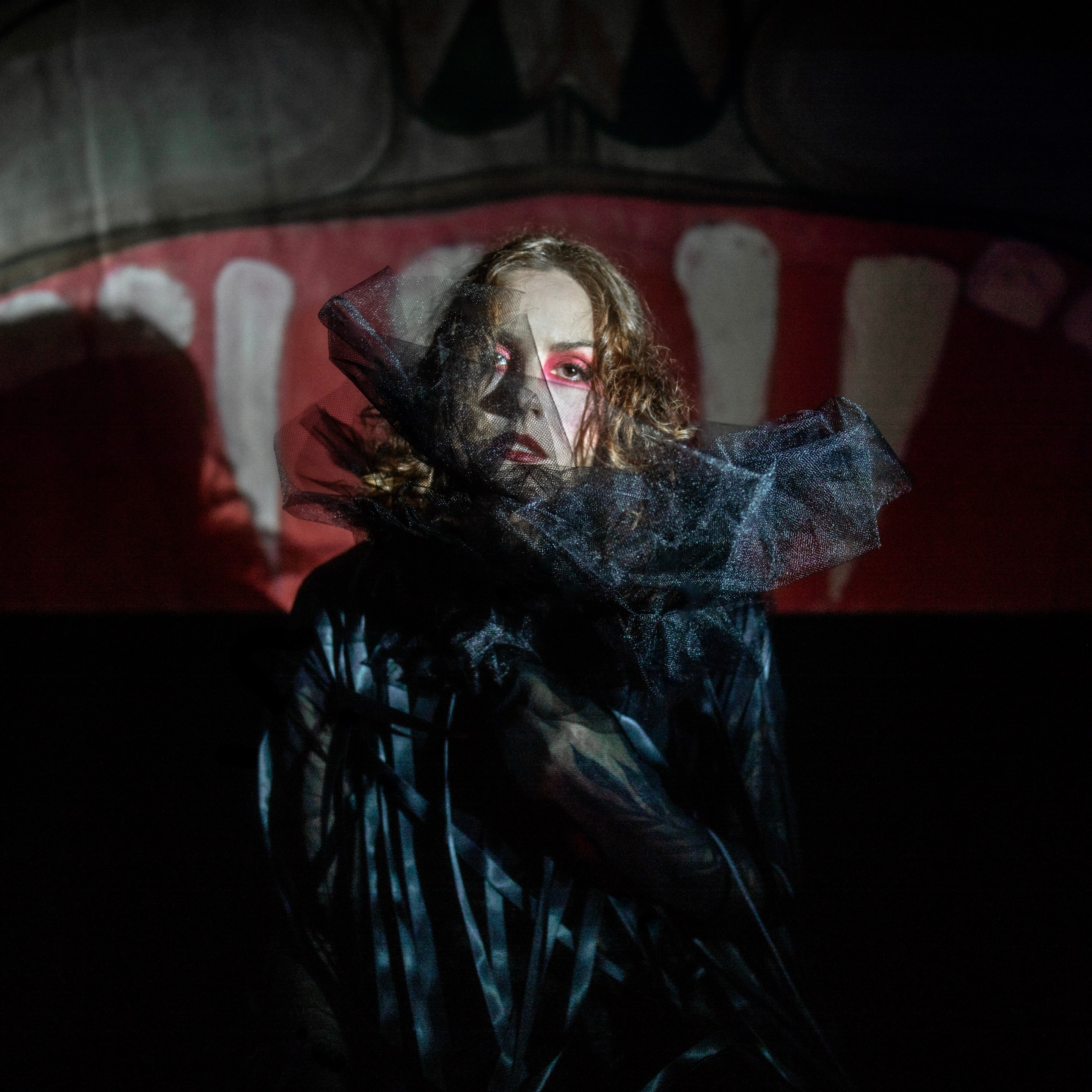
Mood Board is our column where artists share a few of the things that inspired their new record. This time, the Portland-based singer-songwriter, poet, and visual artist Emma Ruth Rundle tells us about how Ottessa Moshfegh, Artemisia Gentileschi, climate change, and much more shaped her new record These Killing Times — out now on Errant Child.
— Annie Fell, Editor-in-chief, Talkhouse Music
The visual world: this mood board will touch on some aspects of our world and artworks, ideas, books, and films that have influenced the album’s themes both lyrically and visually.
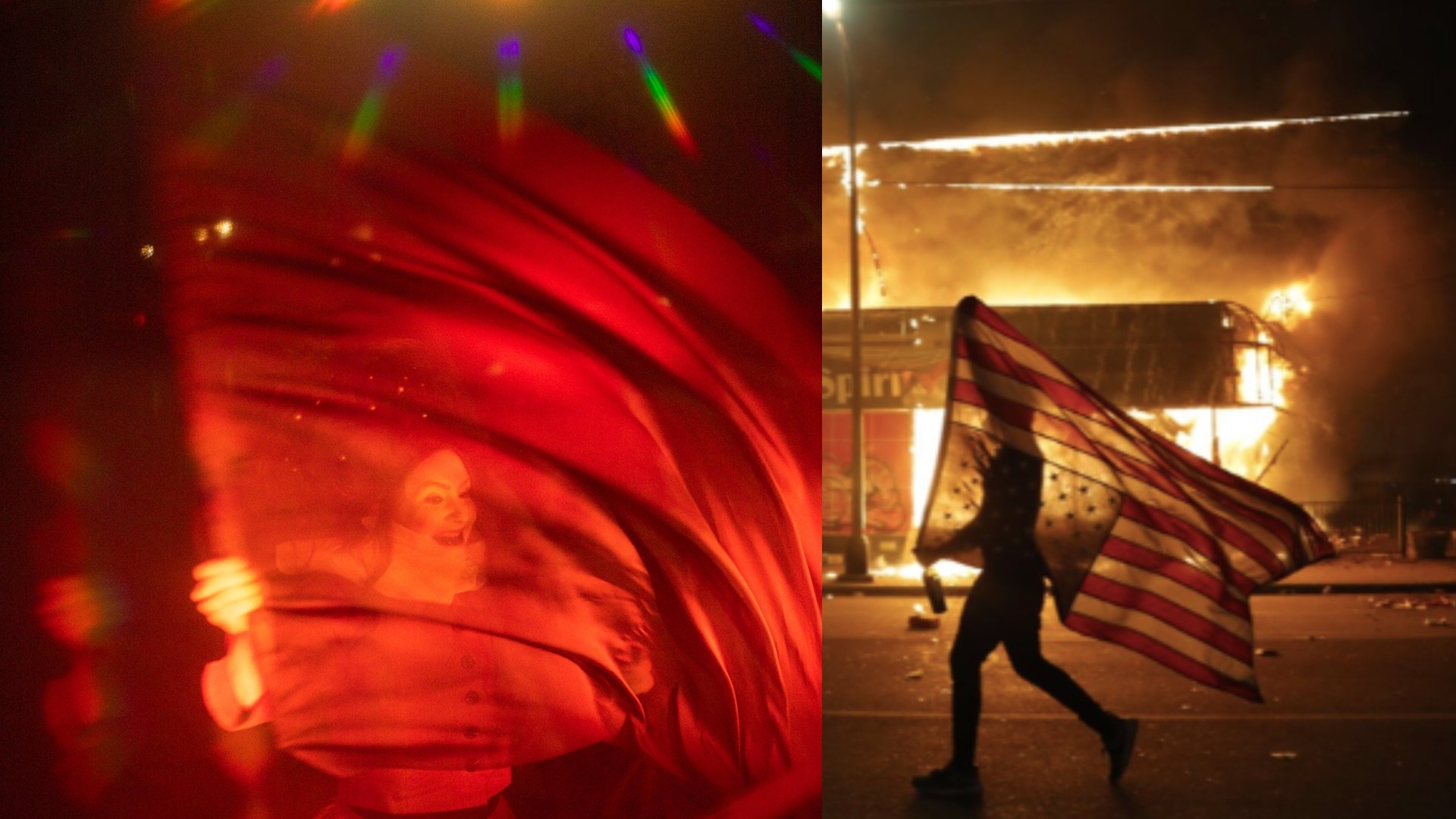
1. Flags
Emblematic of teams, nations, ideologies and movements — I choose this photo for the cover of the album as representative of violent times we are living in. The banner of These Killing Times, if you will.
2. Love, queerness and gender, and bodies in the world, in art, and in politics
Sally Potter’s Orlando was a film I saw as a kid which really spoke to me, both on a visual aesthetic level and on a spiritual and sexual level. It was a heavy reference for the video we made for “God’s Picture.” I cannot include all the queer icons and images I would like to in this section. But I do recommend everyone read anything by Olivia Laing, especially Everybody.
3. Female rage as a response to patriarchal control and violence
A headline regarding Roe v. Wade and an absurd book about the male Christian perspective on abortion serve to represent my point here, the consequences of which are deadly — and on the right some of what I look to as what might be an appropriate response to these systems as depicted in two works, Gone Girl and The Slaying of Holofernes by Artemisia Gentileschi. I don’t know a single person who grew up in a female body who does not see this painting and feel a deep resonance with its emotion.
4. Examination of power and social criticism in fiction and art
Bosch is one of my favorite painters as of about two years ago due to the deep layered and somewhat vitriolic criticism of society I glean from his work. This painting, The Extraction of the Stone of Madness, seems especially appropriate today and I recreated it for the album artwork. Lapvona is great read and was also a huge inspiration on this front — these works helped direct and guide my choice to place a lot of the visuals in a fantastical, quasi-medieval era.
5. Climate catastrophe, Fire and the Hellmouth