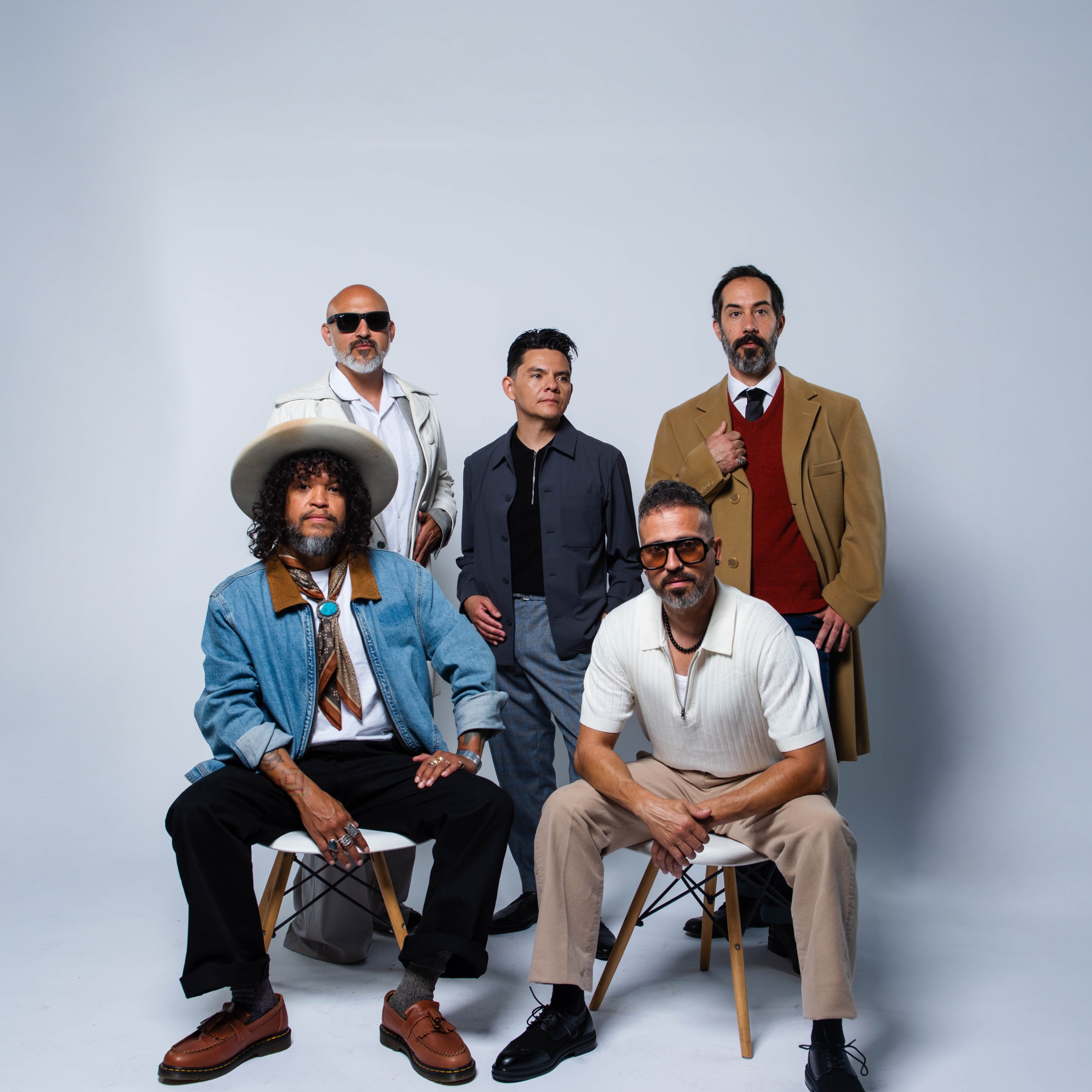
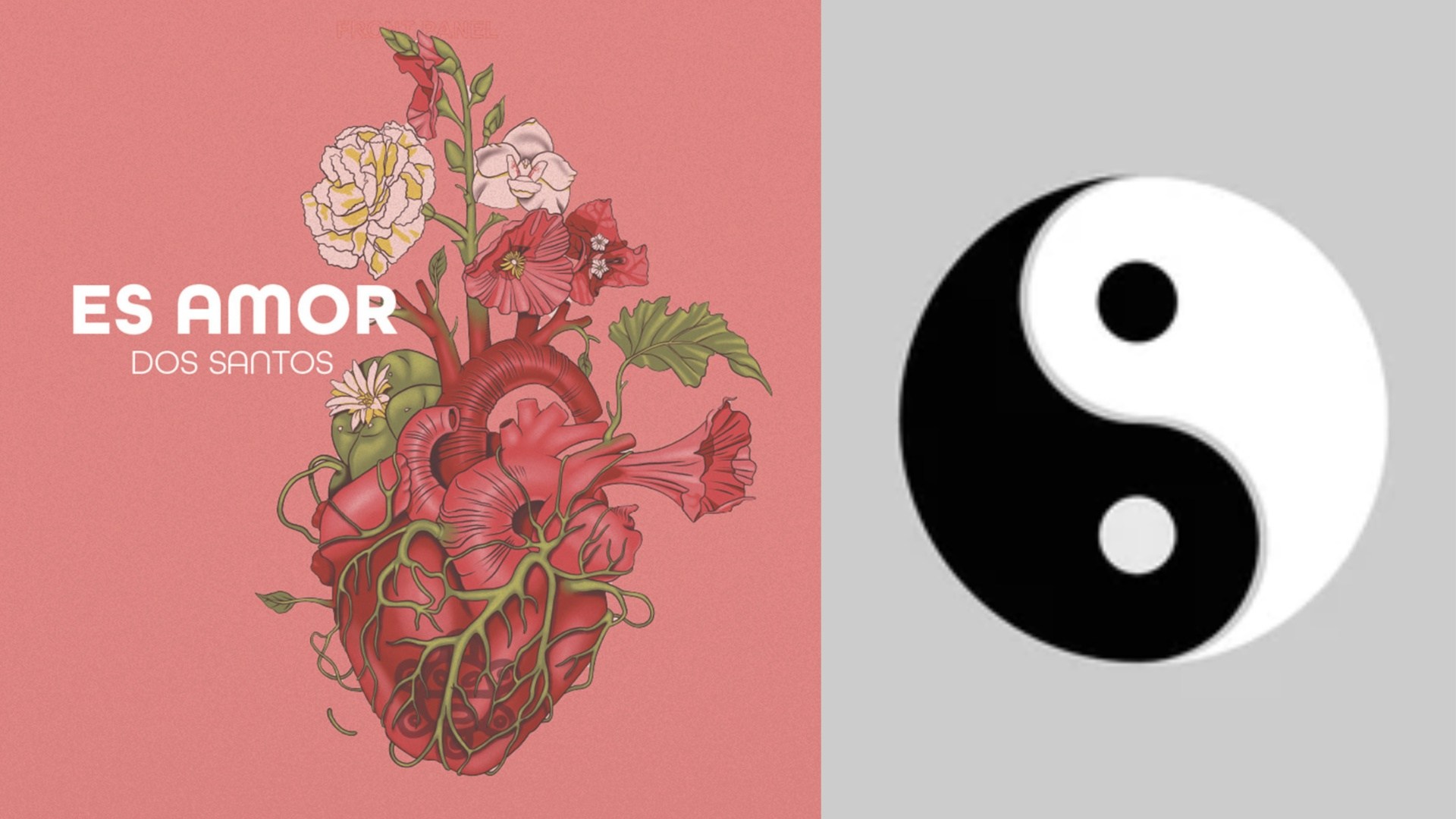
Mood Board is our column where artists share a few of the things that inspired their new record. This time, the Chicago quintet Dos Santos tells us about the importance of finding harmony and space in the making of Es Amor — out today on Otherly Love.
— Annie Fell, Editor-in-chief, Talkhouse Music
1. Décima
I helped craft some of the lyrics on the record by integrating my original poems and décimas (traditional ten-line poetic stanzas found throughout Latin America). This was incredibly meaningful for me, as these pieces referenced important people in my life who were key in helping me develop my own poetic voice, people who made me see life in a different light. In a way, this also made the record feel like a new beginning — truly bringing to bear our friendship, emotions, and creativity in an honest way that made the entire project of writing and recording organic, true, like a ritual.
— Jaime Garza (electric bass, jaranas, leona)
2. Space
From the backyard to the dancefloor… While Dos Santos has always challenged conventional songwriting structures, making this record was a deep reminder of the importance of simplicity. For me, it was about keeping steady and grounded in rhythms, grooves, pockets, and spaces where you feel you can live in and not want to leave, like the backyard hang with aunts and uncles, blasting grupero dance music. You want to stay in that space — of rhythm, of connection, of rootedness.
— Daniel Villarreal (drums, percussion)
4. Harmony
I’ll always consider myself a student of music and for me, my own experiments in Latin Jazz have provided the perfect context for continued learning and exploration. With improvised music in general, while each player has the freedom to create on their accord, the ensemble needs to be in harmony, or at least always be in search of it. While not strictly-speaking improvised music, the writing of Es Amor did come out of a similar process. Rather than writing songs independently, we got together in the room and sounded out ideas until we found moments of harmony — those moments are what became the songs you hear now.
— Peter “Maestro” Vale (congas, percussion)
4. My Father
We decided to collectively write the material for the album, yet toward the end of the process, we realized we still needed a few more numbers to round things out. I broke with protocol and suggested I’d try and write on my own, as our time together was limited. And so, I did. At home, alone, in the dead of winter, Chicago, I came upon a melody that embraced me and wouldn’t let me go. I tried setting it aside, convinced that it was not “mine,” that I had not summoned it, that it sounded too familiar. I was right. It was the ghost of my father in the form of a song he penned when I was a child. He passed not too long ago, and so the choice was either let it go or honor his memory. I chose the latter — “Es Amor” is that song.
— Alex E. Chávez (vocals, keyboards)