I'm done with the anti-hero. Don't get me wrong, I loved them. I really savored all their imperfections, their human foibles, their darkness – lots of gritty darkness that felt like my own personal rebellion. Living out fantasies, the ones you could never actually act on in real life but could exorcise through a character in a dark movie theater, then walk away lighter. Any Tarantino film, ever, I ate it up. Uma Thurman in Kill Bill – unbridled revenge played out fully and with abandon. And Walter White – ah, so delicious! With the whole world against him, he turns to a life of crime to make ends meet, and also – let's be honest – to make sure that other guy who stole his ideas doesn't get all the glory. The list goes on: Tony Soprano, Saul, Dexter – these characters formed the zeitgeist of an era. Honest, grown-up, saying “fuck you” to the establishment and giving us all permission to be angry. To take what was ours. To stop being nice if it meant being the last one picked – the loser.
Yeah, the loser. Sound familiar?
:max_bytes(150000):strip_icc():focal(766x318:768x320)/uma-thurman-kill-bill-061825-dda1254573954ee2abfa20fac59f5102.jpg)
No one could have predicted that in real life the leader of the free world would become just that kind of anti-hero. Saying whatever he wants, to hell with morality, ethics, civility. And somewhere in there, I just … stopped. Stopped wanting to live out that fantasy, because it wasn't a fantasy anymore. It was the news. All that gritty darkness stopped feeling transgressive and just felt like more of what we were already drowning in.
Then one night I was reading to my kid – our bedtime tradition. They had brought home a book called Rain Reign. I was in from page one. A main character, Rose, who has everything stacked against her, but ultimately chooses what is right anyway. Who doesn't seek revenge for the very real wrongs already visited upon her young life. Who follows a strong moral code – maybe to a point of rigidity. But god, that rigidity felt so refreshing when it seemed like no moral code was being followed anywhere else. By anyone. I didn't want to analyze it, I just wanted her to win. Because she was good.
That moved me more than anything I'd experienced in years of morally complicated protagonists, and I wanted my kids to feel that. To root for someone like this, not the complicated ones doing bad things and going down in a blaze of glory. Someone making a quiet, painful, heroic choice with no parade at the end of it. And yet … I wasn't sure if that character would be embraced in that moment. I hoped, but I doubted. So I put the book down for a while. I kept working on other things, projects with complicated and morally challenged characters. I still believed in redemption – real, true, earned redemption – but I wasn't sure the world was ready to root for simple goodness yet. And then there was a second term, and Rain Reign started pulling me back. Quietly at first, then insistently. It felt like maybe now this was no longer a “what if” for me, but something necessary.
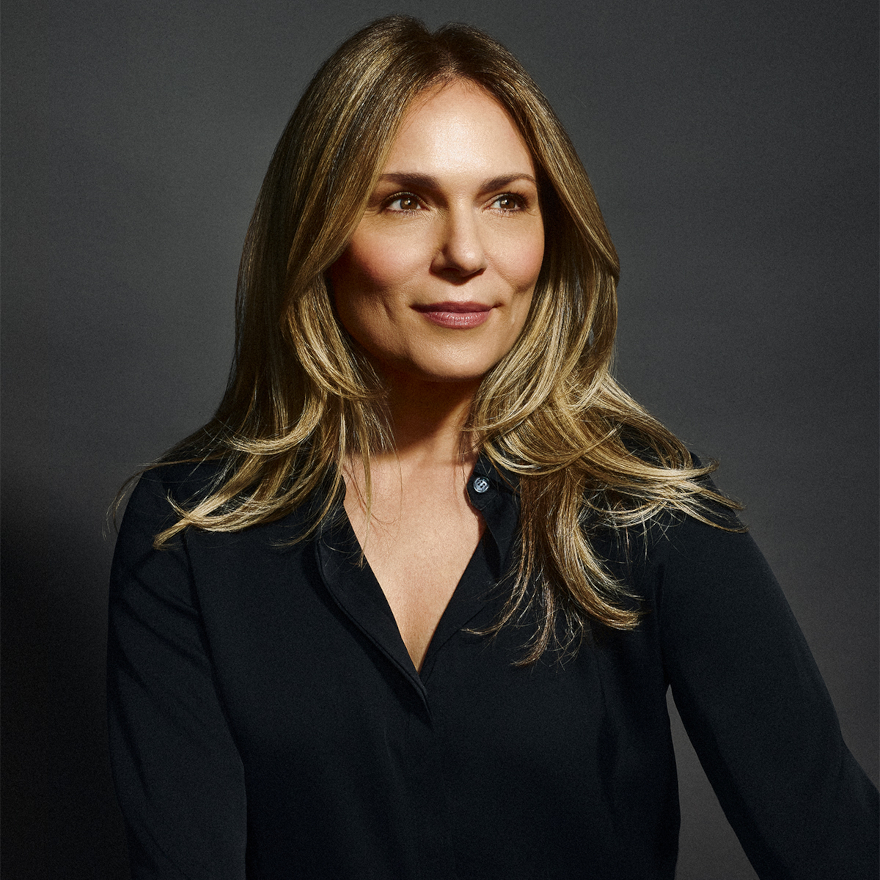
So I jumped in, fully. Secured the option from Ann M. Martin and started building a team to produce it. I wrote the script and I hoped to direct. I decided that this was something I really needed to put out in the world. For me. For my kids. As some small glimmer that proves we can choose right, even when it's hard, even when it costs us, even when nobody's watching.
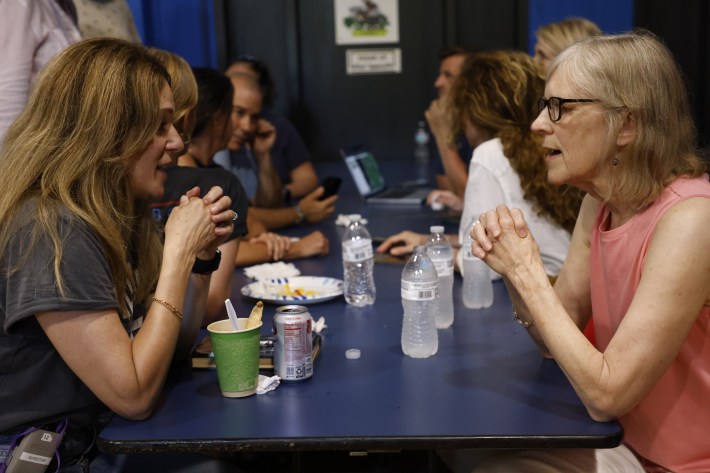
Most films do not follow a straight line to be born into existence, and Rain Reign was no exception. But there was something different about this one. When people read the script they were moved. And I thought, well maybe – just maybe – the tides are turning. Maybe people are also craving some hope in our humanity, like I was. And that is how we started to build the caravan, bit by bit. Financiers, cast and heads of department who said yes, because they too saw something in this story that moved them. A community of people who felt the way I do.
But as much as people were saying yes to the script, getting into the director's chair was a fight. There were conversations – uncomfortable ones – about whether a first-time director could carry this. Whether I should step aside. And I understood it, I really did. But I also knew there was no one else who had lived inside this material the way I had, who understood it in their bones the way I did. So I held on. And by the graciousness of some incredible people who believed in me and took a chance, I got a resounding yes!
And then my mom got sick.
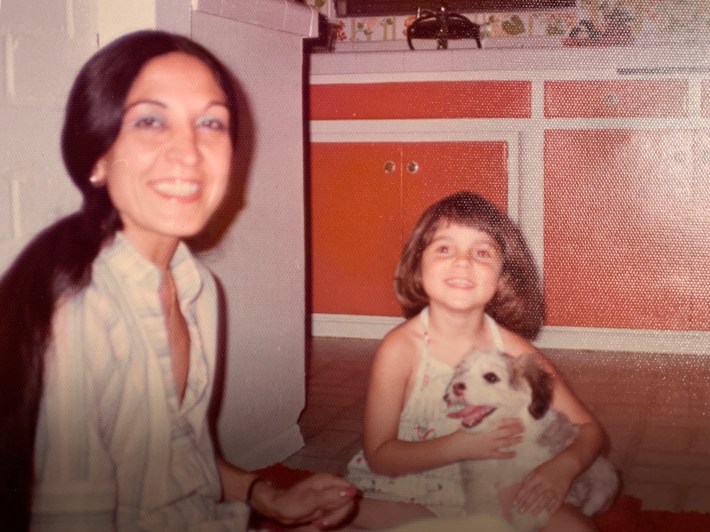
Right as we got the green light and were going into pre-production, I got the call from my dad that my mom was going back into the hospital. She had suffered strokes many years ago and was wheelchair-bound and could not speak, even though she understood everything. My dad had cared for her for years, with the help of some extraordinary caregivers. Her lungs were filling with fluid and she wasn't doing well. My kid and I flew right away to be by her side. My husband and son, along with my sister and her family, got there as fast as they could. My mother made the decision herself to go off all supports and let nature take its course. It was pretty selfless – she didn't want my dad, still vibrant and healthy, to live his life burdened by her care. She felt it was her time to go. And from that moment forward, she slowly let go of the people and the life she loved with the same ferocious passion with which she had lived. We sat with her in hospice, singing and laughing and crying and conveying to her how much we loved her and what an incredible source of love and moral conviction she had brought to our family.
My mom, not unlike Rose, had a terribly difficult childhood. But she was the kind of woman who took that hardship and turned it into goodness. She was an incredible mother. She was a teacher her whole life, who gave and inspired everyone around her. And right before her last stroke, which really compromised her mobility and her ability to speak, she became a rabbi.
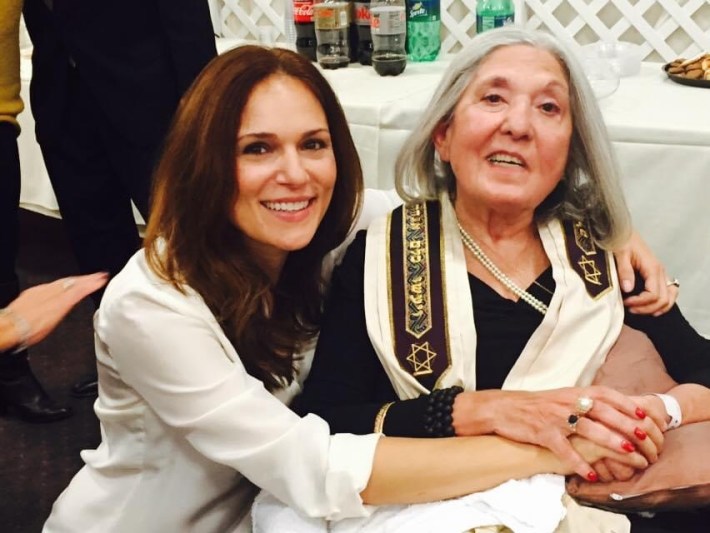
It's because of my mother that I have been drawn to characters – women, especially – who have been thrust into challenge and difficulty, but instead of descending into anger and aggression, they pivoted and chose the moral path. That is what my mother taught me.
A few days before my mom passed, when she was still alert, I read her the entire screenplay for Rain Reign. I acted it out for her. She told me she regretted that she wouldn't see it made. She loved it. She told me it was going to be “A-MAZE-ING.” And then two nights before she passed, my producers called. They had given me space to be with her, but we were moving forward on pre-production and they needed to know, would I mind writing the casting notice and choosing the scenes that we would have Rose do for her auditions? I did that sitting next to my mother's side.
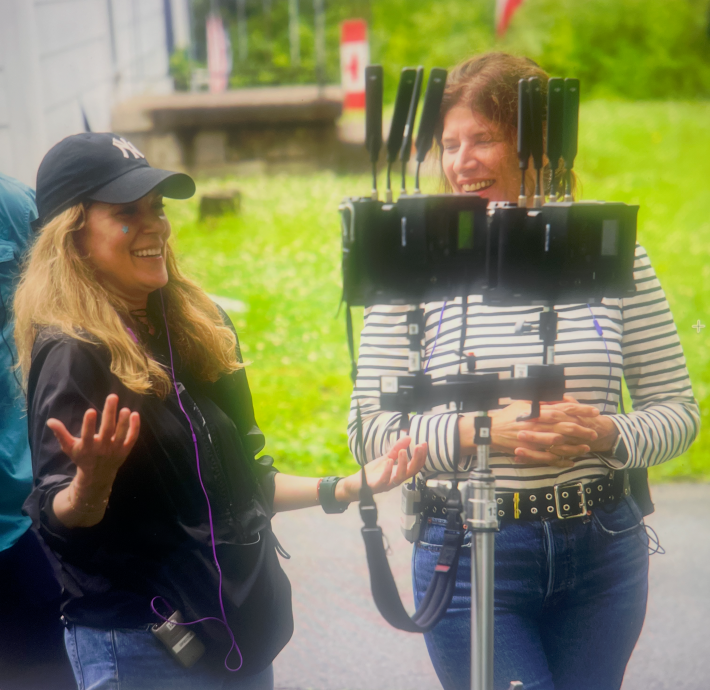
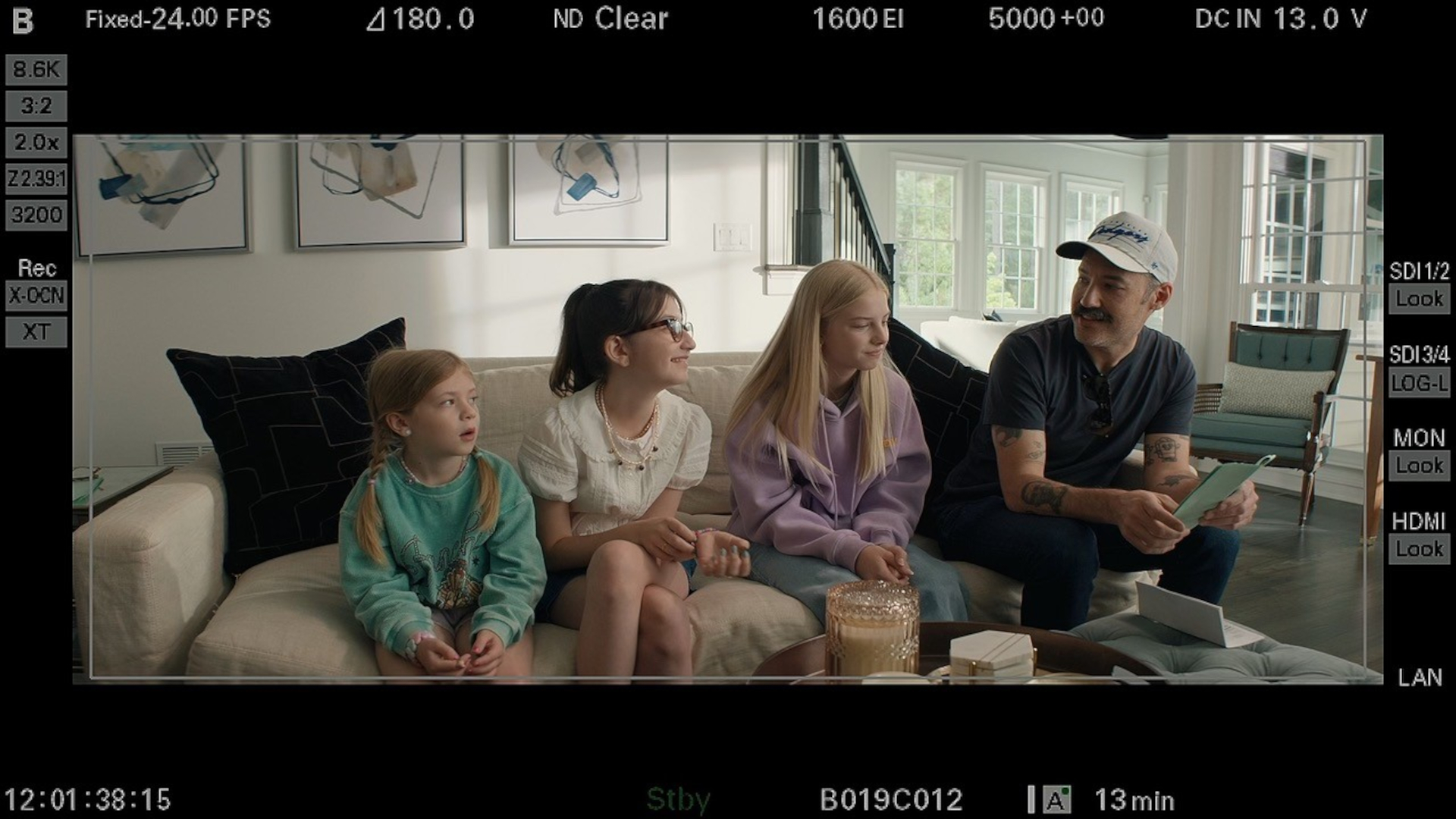
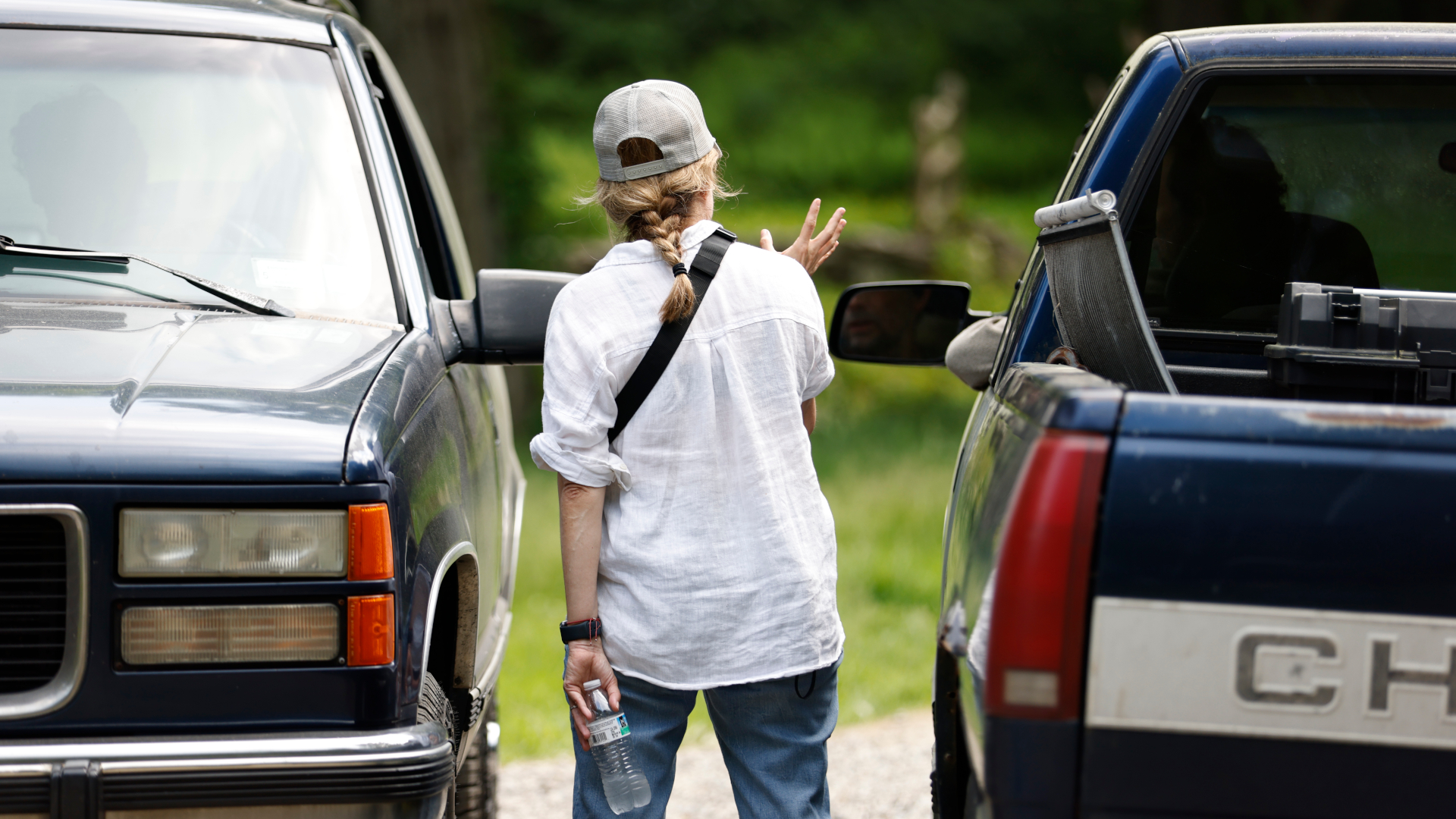
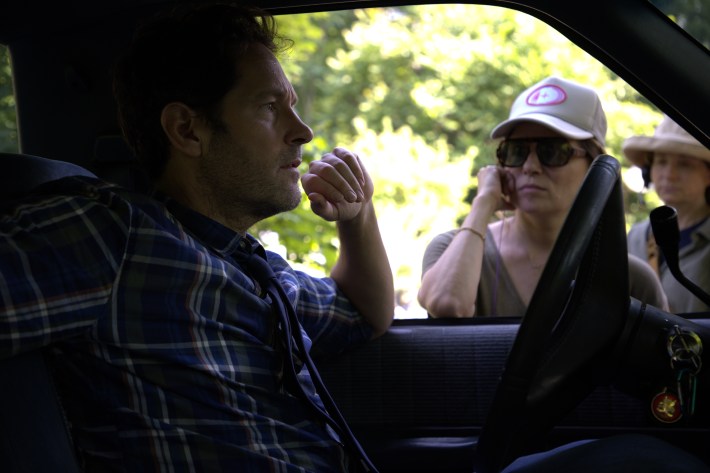
Grieving the loss of my mother and walking into the role of director for the first time was a wild experience. The excitement and disbelief that this was actually happening, combined with the crushing grief of losing her. But instead of pulling away from the grief, I leaned into it. I decided that everything I did would be in honor of her and of this story. A young girl thrust into hardship, choosing the difficult but right path. I tried to infuse the film with that sentiment every single day. Right before we went into production, Paul Rudd told me that the director sets the tone – I took that to heart. I wanted everyone – the cast, the crew, the P.A.s – to feel respected and part of the creation of this project. We were a community in service of a shared goal. I allowed the memory of my mom to give me strength, even when it was hard. I learned from her how to take a difficult and sometimes harrowing situation and infuse it with love and empathy and kindness. And that is how I made this film.
My mom didn't go out in a blaze of glory. There were no headlines, no reel of greatest hits, no dramatic final act. She just chose goodness, every single day, until she couldn't anymore. A quiet but monumental life. And somehow that felt more heroic than anything I'd watched on screen in years. She was the anti-anti-hero. And she was mine.
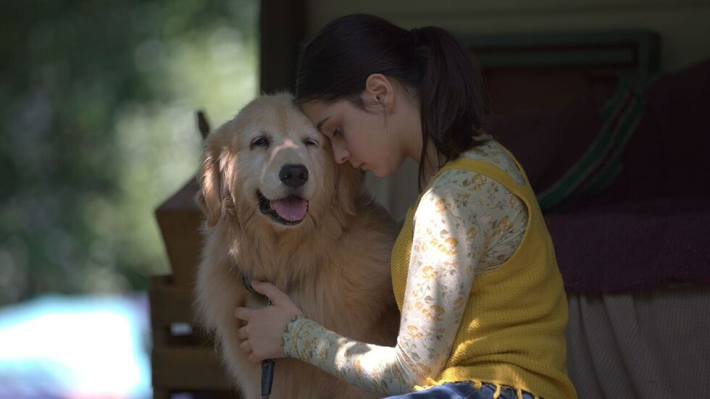
So here we are. To me, choosing an empathic moral protagonist isn't a regression to naivety, it's a genuine decision to put goodness on screen for everyone who’s hungry for it. When decency is assumed, the anti-hero feels dangerous and exciting. When decency has vanished from public life, being a good person starts to feel almost radical.
I wonder if the zeitgeist is changing. I wonder if audiences are ready to root for someone without ambivalence. I don't know, but I'm compelled to try.
For my mom.