
If you were to graph my relationship with family comedies, it would start extremely high early in my life. I still consider myself lucky that I got to see movies like Uncle Buck and Home Alone during their original theatrical runs. Even movies that haven’t quite stood the test of time, like Vice Versa or Don’t Tell Mom the Babysitter’s Dead, were unforgettable moviegoing experiences for me. I loved sitting in the theater next to my parents, laughing at jokes with them, watching them laugh at jokes that went over my head, then asking about those jokes on the car ride home and watching them awkwardly bob and weave around the answer because the joke was obviously sexual in nature – the PG of the 1980s was very different than the PG of today.
When I got into my twenties, the graph took a steep dive. I considered myself far too hip for the Daddy Day Cares and Cheaper by the Dozens of the world. Those movies were for little kids and their boomer parents. It didn’t matter that they starred some of the biggest comedians of all time – comedians I genuinely loved. In my mind, those movies just weren’t for me.
But then I had kids of my own. And just as the graph started to climb back up again, those kinds of comedian-driven family movies more or less disappeared. If I wanted to laugh in the theater with my kids, I had two options: take them to an animated movie, where most of the material was aimed at the audience whose feet didn’t quite reach the floor, or take them to a giant superhero movie where the comedy mostly existed as tension-breaking one-liners sandwiched between city-leveling action set pieces. The kind of family comedy I grew up with – built around comedians, chaos, and a packed theater full of collective laughs – was suddenly gone.
It’s hard to say exactly why these movies stopped showing up at the multiplex. Streaming probably had something to do with it. Maybe people now get their comedy fix from short-form videos algorithmically served to them while sitting on the toilet or lying awake in bed in between doom scrolling. I also hear a lot about the death of the monoculture. We used to collectively laugh at the same things, but now everyone exists inside their own content bubbles. There are so many voices telling us what’s right and wrong, what’s offensive and what isn’t, that it can sometimes feel impossible to find common comedic ground anymore.
When I got the opportunity to make a family comedy with Nate Bargatze, I instantly related to the subject matter because it mirrored so much of my own life. The Breadwinner centers around a classic role-reversal premise: a stay-at-home supermom gets the opportunity to launch her own business, and her car-dealer husband decides to stay home for a few weeks and take care of the kids and house himself. He thinks it’s going to be easy, but it ends up being way harder than he thought.
After our second daughter was born with special needs, my wife and I naturally divided responsibilities. I became the sole income provider for the family, and because my job is often all-consuming, she became the one holding down the fort. And she really held it down. Not only did she manage all of our daughter’s appointments and therapies, she somehow also became president of the PTA.
Don’t get me wrong, I’m very present in my kids’ lives – but just like my wife doesn’t know who runs marketing at Sony Pictures, I don’t know the name of my daughter’s dance teacher. I’m sure I’ll hear it again at the recital, but I can promise you that I will immediately forget it again, because I’m 45 years old and my brain is basically at capacity.
I do sometimes feel self-conscious about our stereotypical “gender roles” – especially considering my wife minored in women’s studies – but it’s not like I’m going to quit my job to prove a point. Instead, I’ve chosen the easier path: make a theatrically released family comedy for a major movie studio that also functions as a love-letter to stay-at-home parents. I want you to know that I see you, and I’m fully aware that it’s one of the hardest, most underappreciated jobs on the planet. The best way to show that, at least in a comedy, is to force the paycheck-earning parent into the other’s shoes and watch them fall flat on their face.
Maybe the family comedy never actually died. Maybe it just got pushed to the side for a while. At least I hope so. Because sitting in packed test screenings for The Breadwinner, hearing parents and kids laughing together, reminded me of the feeling I had when I was a kid. There’s something uniquely powerful about collective laughter, especially when it happens across generations. A good family comedy doesn’t just entertain children. It gives families a shared language. Shared references. Shared memories. And in a culture where everyone increasingly experiences entertainment alone, that kind of shared experience suddenly feels a lot more valuable than it used to.
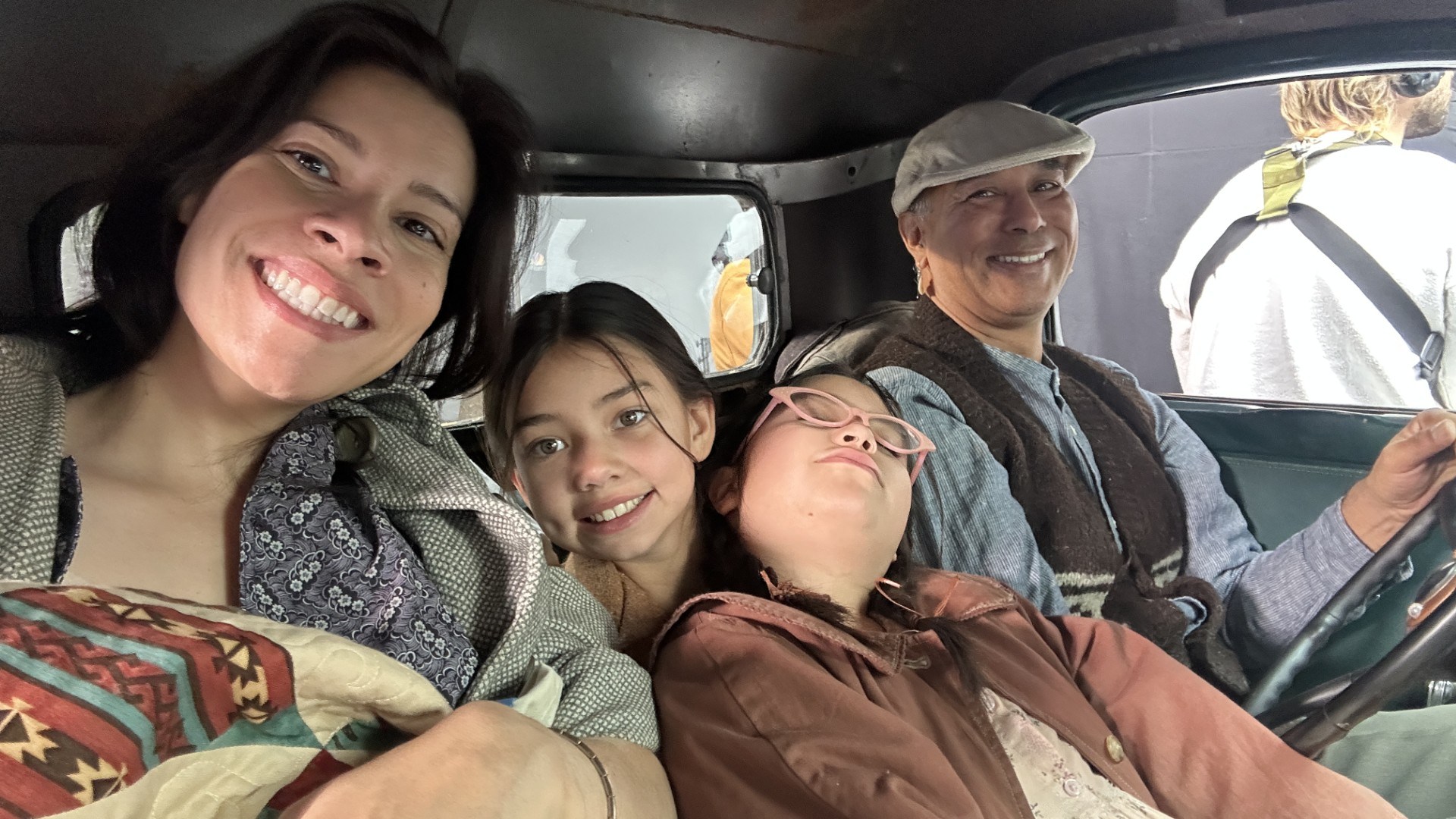
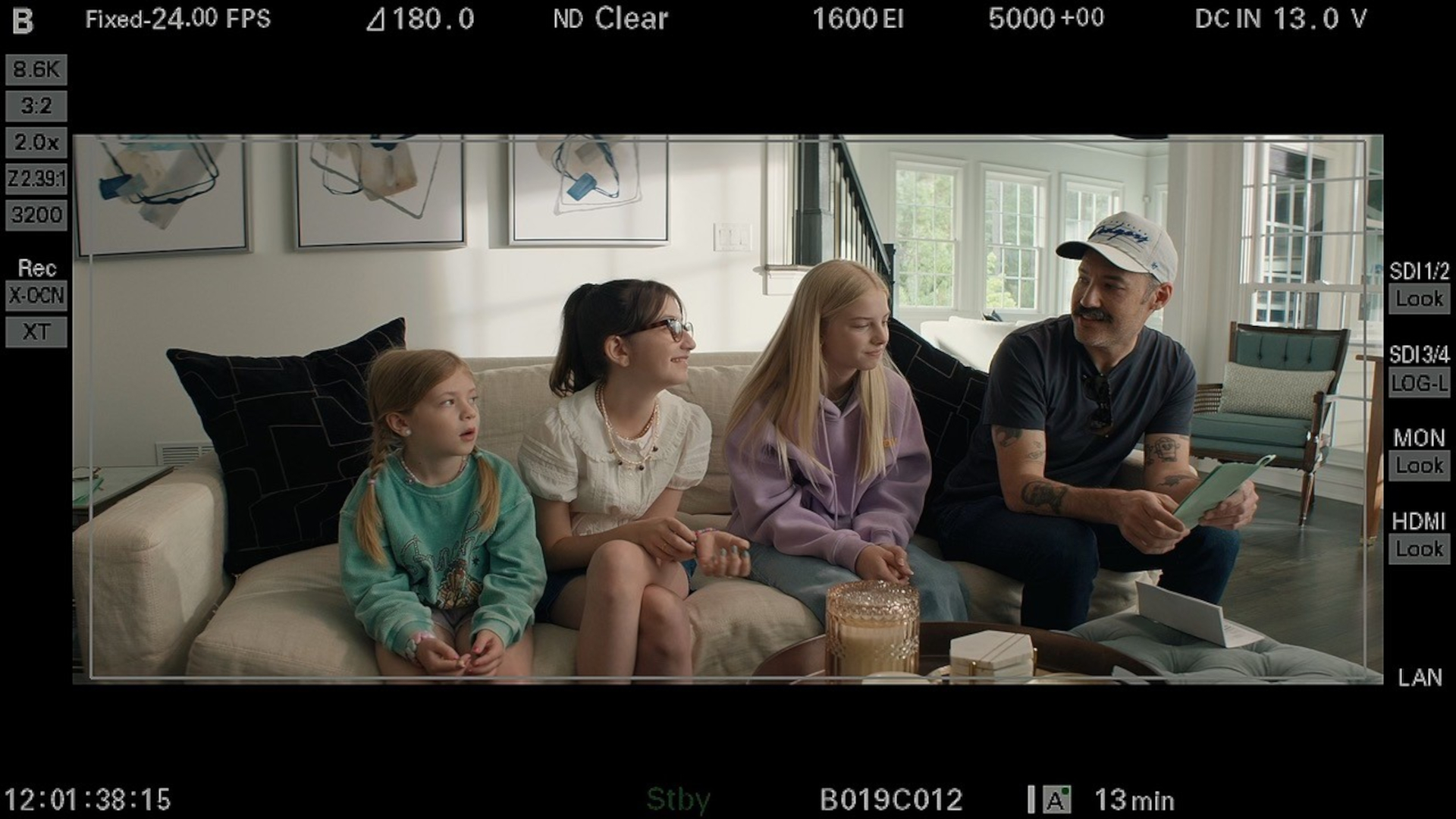
Featured image, showing Eric Appel and actors Charlotte Ann Tucker, Birdie Borria and Stella Grace Fitzgerald on the set of The Breadwinner, is courtesy Eric Appel.