While I was writing the script for my new movie, Wetiko, there was a murder near my house in Mexico. It shook me. It made the themes of power, fear and survival feel immediate and real.
After finishing my first feature, Tyger Tyger, in Los Angeles during the pandemic – amidst Black Lives Matter protests and a city unraveling – I felt the walls closing in. I packed up my dogs and flew to the Yucatán, hoping to disappear into quiet while my film was released. Instead, I stepped into what would become Wetiko.
Not long after landing, my phone buzzed with WhatsApp invites from Western spiritual seekers – self-proclaimed “goddesses” hosting ayahuasca retreats in Tulum villas for thousands of dollars. The influencer aesthetic overlaid sacred Maya land, commodifying rituals into filtered photo ops. It looked beautiful on the surface, but something darker lurked beneath. If Charles Manson had Instagram, I thought, this is how he’d build a cult.
Europeans were buying cenote land from Maya families who had lived there for generations, turning sacred underworld portals into vacation properties. It felt like a quieter, more insidious Conquest, hidden under hashtags and pastel marketing. I couldn’t stop thinking about what it must feel like to be a young Maya, watching your culture sold for likes, your ceremonies turned into content. Wetiko was born from that discomfort and anger.
A “Wetiko” or “Wendigo” is a spirit of endless hunger that consumes everything. It felt like the perfect title for what I was witnessing – and soon, what I was living.
While writing the script, I rented a guesthouse in Playa del Carmen from Roberto, with whom I lived for six months. We became very close, and my dog loved his dog. I spent those months writing Wetiko. One afternoon, a man working with Roberto yelled to me, “Did you hear a gunshot?” Roberto had seemingly killed himself. The police came, took the body, and never asked a question. A news article later read: “Man robbed of $70,000, commits suicide.” It turns out it was murder, covered up through corruption. I stayed at the house with Roberto’s dog for three nights, unwilling to wash the blood from its fur for fear of tampering with an investigation. There was no investigation. No one came. And the only contacts I had were the two men involved in the crime.
A couple days later, I packed everything in the middle of the night and fled into the jungle.
I found refuge with a Maya family I had met in the middle of the Yucatán jungle. It was land that their families had lived on for hundreds of years – under palapas, in hammocks – surrounded by monkeys, javelinas, ocelots, deer, and the breathing pulse of the jungle. Communicating in Yucatec Maya through drawings, gestures, and shared silences, they taught me how to see in darkness, how firelight keeps your eyes adjusted, how to hear the jungle as it moves.
They told me about the aluxes – small spirit guardians – and a bruja nearby who could curse you if you looked her in the eye. Felipe, the father, kept three alux figures he’d found in caves when he was younger – guardians of his cornfields, handled with reverence and ritual. Their world was full of spirit, unfiltered by screens or demands.
I asked if they’d be part of Wetiko, and they agreed. They had never left that road, had never seen Tulum. They lived in harmony with the jungle. I asked them if we could shoot the film at their family community compound of palapas, and they agreed if I would help them build a roof on one of their palapas. I was prepared to live there forever or fly home, then my producer called to confirm financing. I would not be leaving for months now.
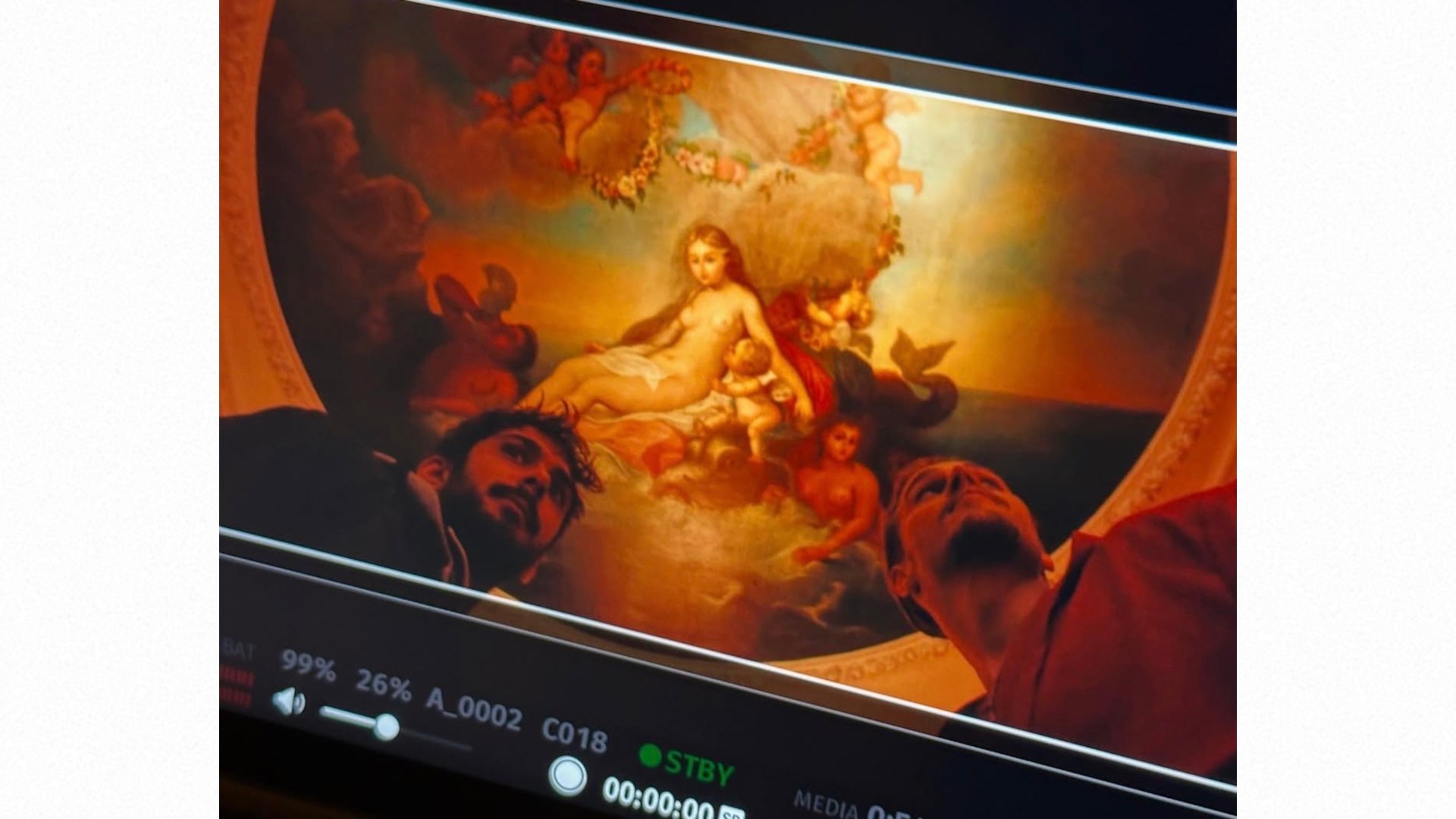
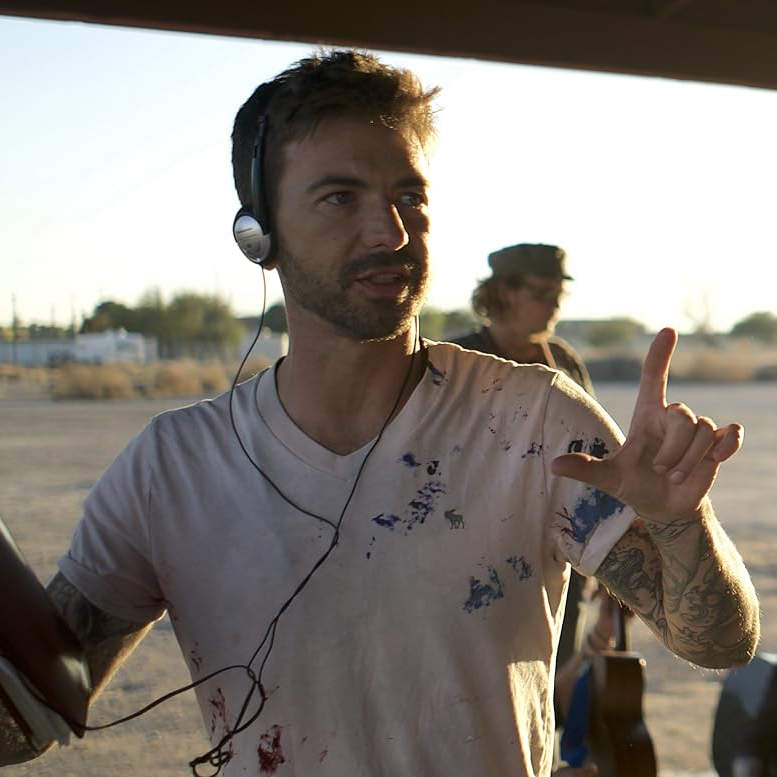
We began prep. I refused to let technology violate their space – I didn’t want drones hovering over their cornfields, replacing sacred dawn rituals with cold efficiency. We scouted, shot look-book photos, walking the tightrope between documenting and exploiting.
Soon, strange things began to happen. A moth flew into my ear, rattling violently, and I poured olive oil inside it. It went dormant for an hour, then woke up. I screamed, repeatedly slamming my hand to my ear. The family surrounded me and said in Maya, “The only way to kill the moth is to pour your urine inside your ear.” I did. It worked. And later, when it was flushed out of my ear, it was dead. Surreal, symbolic, and an incident that made its way into the script.
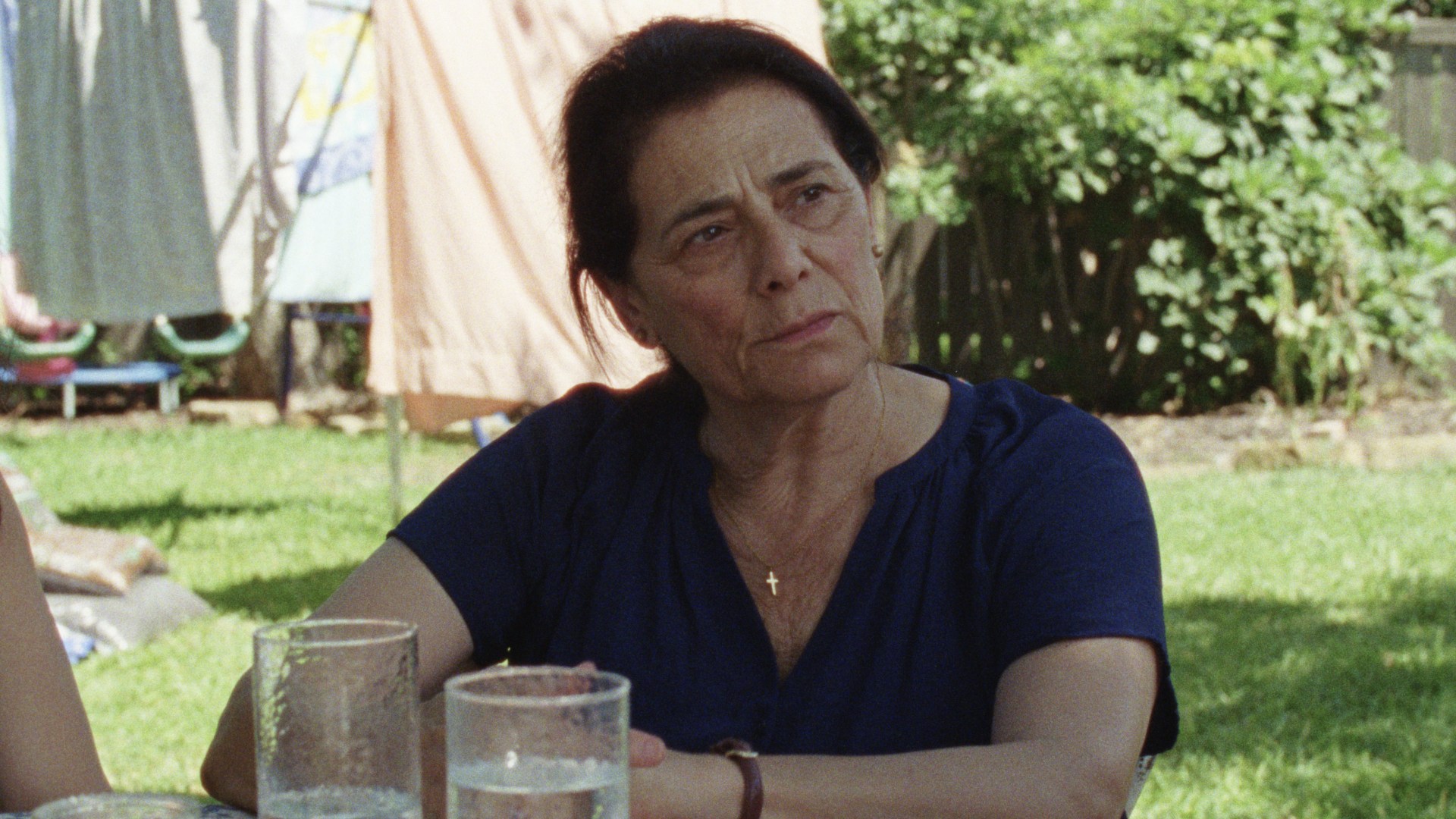
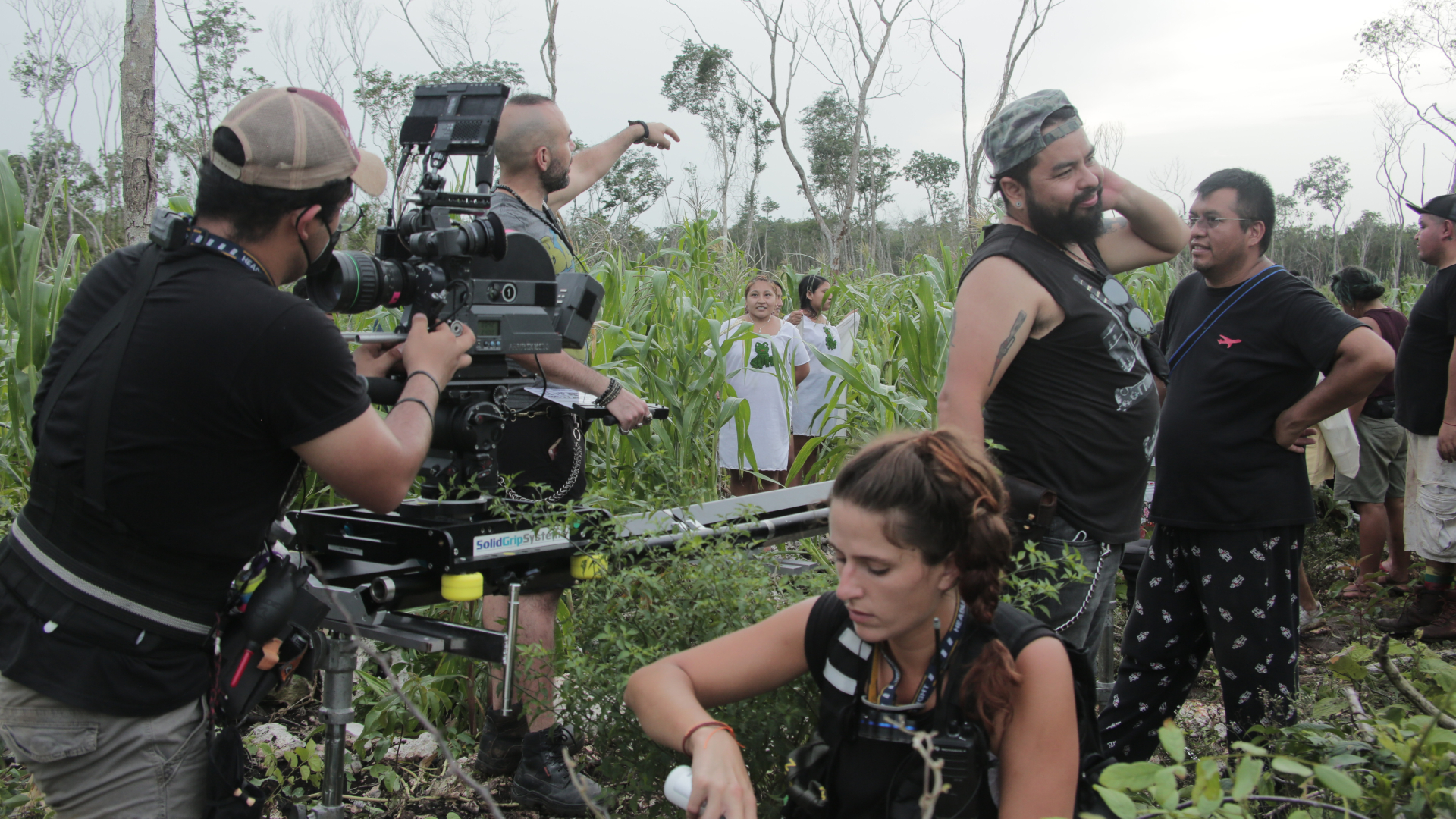
We shot on 16 mm in jungle cenotes with Juan Daniel Garcia Trevino, Neil Sandilands, Dalia Xiuhcoatl, Jordan Barrett, Barbara Regil, and Felipe's entire Maya family of the Marías. I assembled an all Mexican and Mayan crew. But the Maya family and Felipe became not just our cast, but also spiritual anchors.
Felipe warned us: this cenote wasn’t just protected – spirits owned it. We had to vacate at certain hours (12 a.m. to 1 a.m.) or risk encountering dangerous animals outside of this region that come to protect these aluxes, such as snakes and Amazonian giant centipedes. We saw them. A grip was bitten, but the doctor didn’t know what it was. He quit the next day.
Our film slate and storyboards vanished in the cave and were never found again. Felipe said the aluxes took them. The slate calls the camera to life; the storyboard gathers everyone’s focus. To those spirits, these were not objects – they were creating movement and energy.
Crew members began to unravel. A sober unit production manager disappeared for days, returning unrecognizable and spiraling into addiction, stealing props. Cameras glitched in ways that the manufacturer confirmed should be impossible, as if the jungle itself were interfering.
COVID swept through the crew, but spared Danny and me. The Maya men fell ill, and the matriarch said it was because their daughters had been removed for safety. We brought them back. She recovered overnight. None of the daughters fell ill. The men healed.
We filmed scenes inside influencer-run retreats, capturing spiritual capitalism as we stood within it. Neil, playing a cult leader, didn’t understand the exploitation dynamic – until a German tourist bus interrupted a scene, demanding a “real Maya ritual.” I told him to stay in character. We captured it on Super 8. At the end of the film, a German man says, “It’s like they open a channel for us to take what we need.” Neil’s shock was real – it sealed him into Wetiko’s spirit.
The film follows the Popol Vuh hero twins as they descend into the underworld to face a false god. I didn’t fully grasp the weight of invoking these sacred stories until later, realizing we’d opened doors we weren’t prepared to close.
On the final day of shooting, the jungle claimed its due. I collapsed with a mysterious fever that lasted for days. It wasn’t COVID. It wasn’t anything our on-set doctor could identify. I burned, rolled in fever dreams, while the cast and crew quietly prepared for the worst. The Maya believed I’d been cursed – that the land demanded payment for what we’d captured. The matriarch and our doctor worked side by side, administering injections and prayers.
When I finally awoke, sweat-soaked and empty, I asked my producer: “Did all the film make it to Mexico City?” “Yes,” he said. “Was it all blank, or did we capture the images?” I asked. He laughed and said, “Of course, it looks beautiful.” If he’d told me every frame was blank, I would have simply nodded, knowing that the jungle might not have allowed us to take anything.
That was the state of mind Wetiko left me in – a film that became the thing it was about, pulling us into the underworld and demanding we leave something behind.
Wetiko became a spiritual reckoning – a confrontation with the contradictions of art and commerce. I made the film for the Maya people, as an outsider looking in, but I still wrestle with whether we introduced too many cameras, too many actors, too many lights. Did Barbara Regil’s presence, her trailer, ignite desires in the young Marias, planting future dreams of wealth and celebrity? Dreams that would rob them of the pure happiness they all had in them.
Making Wetiko was like living inside its own story. The jungle became the set, and the set became part of the jungle’s spirit. It was a beautiful nightmare, demanding spiritual accountability – a price I paid in ways I’m still processing.
Yet something with good energy carried Wetiko through impossible barriers. In the end, this was an experiment, one that is still ongoing … If this film has an impact on audiences, which draws in money, where does the Wetiko spirit land in all of that? The art of this art-film is one I must let go, so it may live on.