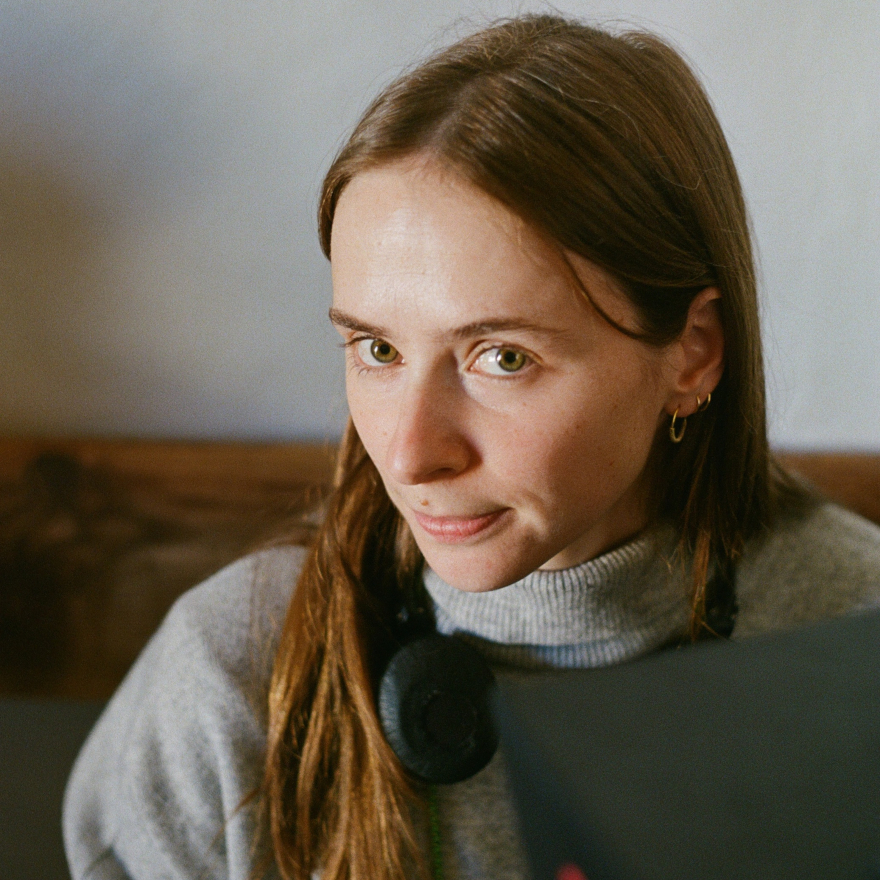
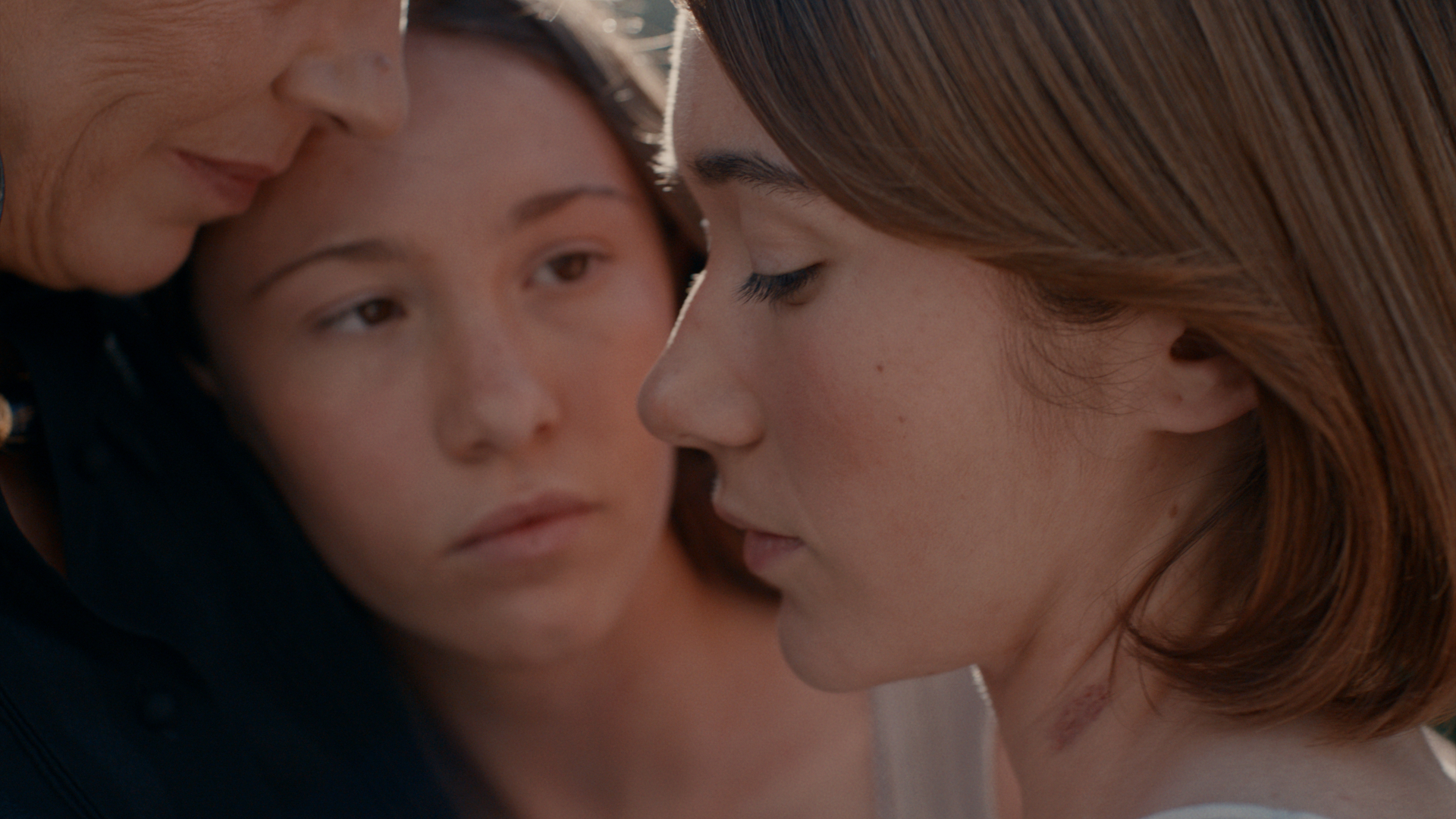
After my brother came to the screening of my new feature Forastera at SEMINCI in Valladolid, Spain, he asked me why I had lied in the Q&A when asked if the film was autobiographical. I looked at him strangely: “What do you mean? I made the story up.” His eyes narrowed and he smiled. “What about the language stuff? That's autobiographical.” Of course, he was right, and of course, I was too nervous up there to even consider the question carefully. The language stuff he was referring to is perhaps the most personal element in this film; where I feel the closest to the protagonist, Cata.
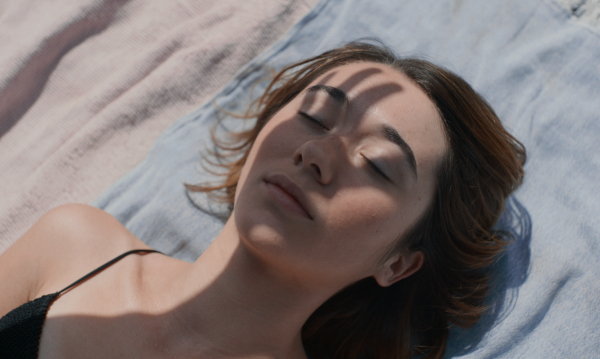
I am fortunate enough to be bilingual, fluent in Spanish and English. Though Spanish is my mother tongue, I learned English at a very early age, attending an international school from the ages of four to 18 in Madrid that taught entirely in English. At school with friends and at home with my siblings, we would speak Spanglish, mixing the two with no particular rhyme or reason; usually dictated by whichever word came to us sooner. All things considered, my primary language was always Spanish growing up. Even though being bilingual has always been a part of who I am, I hadn’t reflected on how it affected my identity until I started living abroad. “You’re Spanish? You don’t have an accent!” That comment used to fill me with pride, because it’s true, I hardly have a Spanish accent when I speak English. It’s allowed me to conceal or camouflage certain aspects of myself. It’s a marker of my privilege, too. As I get older, and the more time I spend living in the U.S. (14 years now), for whatever reason, I feel a greater sense of self-betrayal; like somehow I’m less Spanish because I have no accent. Like I’ve abandoned a part of myself in adapting to another language. I kick myself when I catch myself meeting someone for the first time and pronouncing my name in English instead of saying it the Spanish way, Lucía, with that charming lisp. Now, I take any chance I can get to speak Spanish here in Los Angeles. That nostalgia for my native language, that need to reconnect, is in part what drove me to write this film, and to set it in Mallorca, Spain.
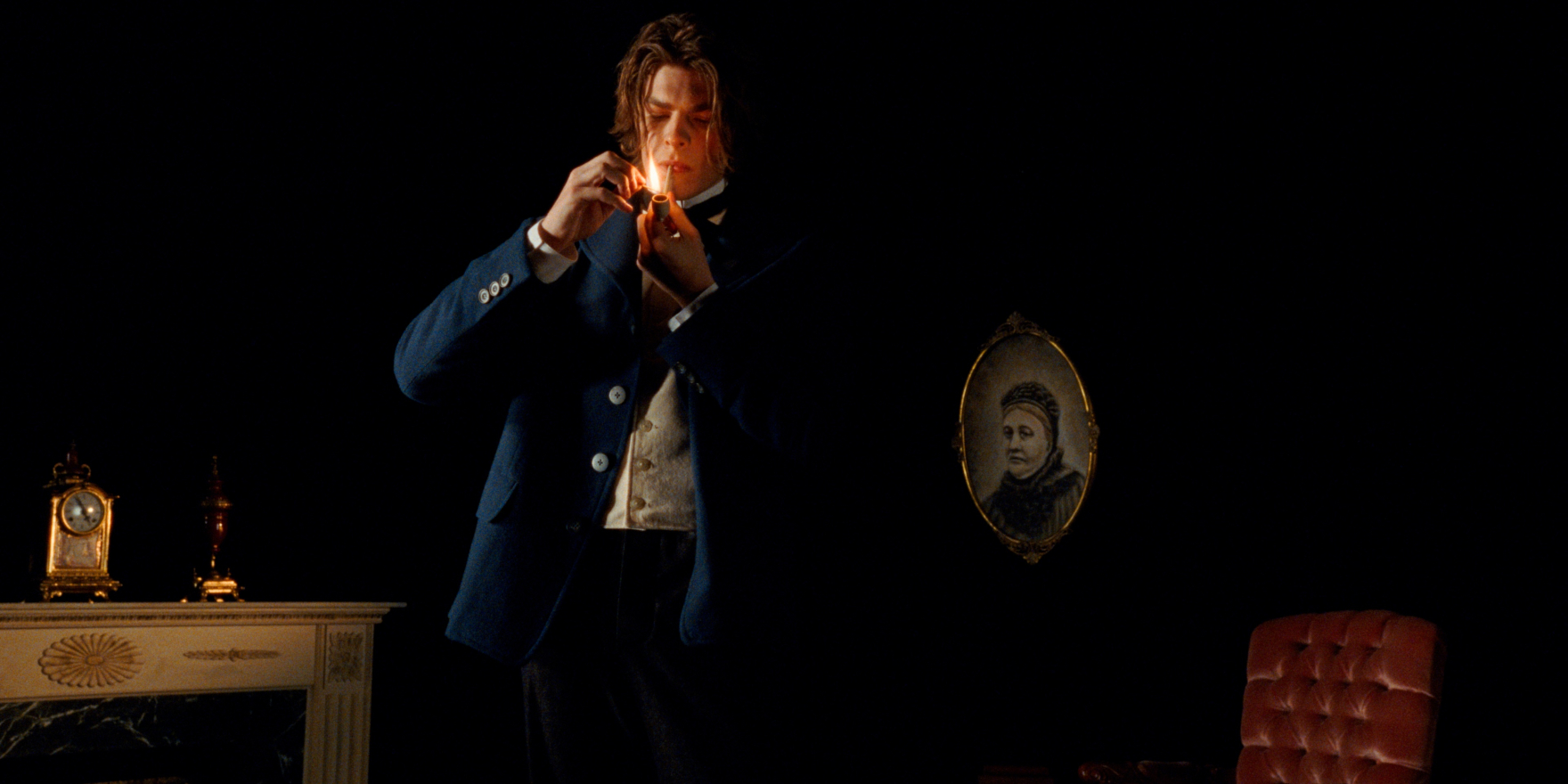
In the film, Cata speaks Spanish, Mallorquín and English, depending on who she’s with and what she wants. She may be more or less proficient in these languages, but she can communicate in all of them. It was an element I incorporated early on in the development process. I thought it would be a great tool for Zoe Stein, who plays Cata, a character who, as a way to grieve the loss of her grandmother, plays pretend at home and undergoes a transformation of self. Cata jumps from Spanish to Mallorquín, wielding more power, connection or compassion through language, as needed. This code-switching distorts her sense of self. With Max, the Swedish boy she’s seeing, her limited English only allows her to connect so far; she doesn’t have the words to explain what she’s feeling, what she’s seeing. And when she tries to go deeper, it proves to be too much, less emotional and more analytical. As she begins to use Mallorquín at home with her grandfather, who spoke the language with his late wife, Cata is able to shapeshift into a new dynamic, an untapped self. She’s empowered, protected by this dialect, able to play and expand her imagination. But the same thing that creates the illusion can also ground it. And even though she steps into this new character through language, what is left unsaid between them holds greater meaning.
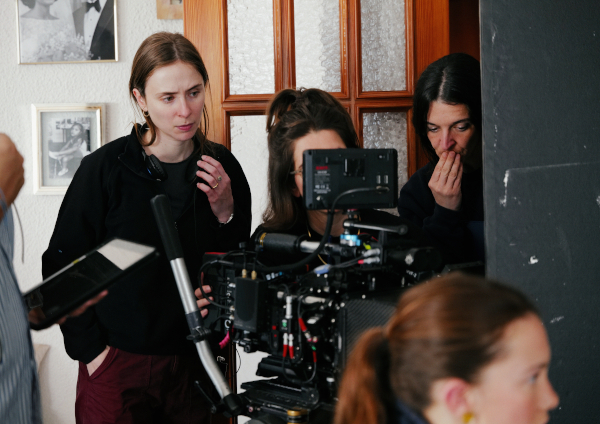
My sense of belonging is blurred partly by the mixing of languages I speak. I’m not the only one who feels like a stranger when they return to their hometown, and I’m sure I’m not the only one who also gets the “You’re basically American now,” comment from some friends. Ten years ago, my Spanish life and my U.S. life were compartmentalized and easily differentiated because I would attend university – NYU – in New York and come back to Spain for extended periods. Now, I’m a Spanish filmmaker living in the United States. These two parts of my life are completely intertwined, never just one or the other.
I remember clearly when a colleague told me I’m not the same person when I speak Spanish versus English; that I had different personalities depending on how I was communicating. I was surprised, self-conscious; it felt like an exaggeration, but they kind of had a point. Language does change my personality. It changes my attitude, my confidence, who I connect to, the space I’m willing to take up in a room. I’m fluent in both, but I really struggle when I need to stick to just one, the simplest words escaping me at times. For example, any time I sit down and write, I need to have Google Translate open just to translate certain phrases, words or expressions that I’m constantly trying to reach for. Even explaining what my own film is about feels different in both languages.
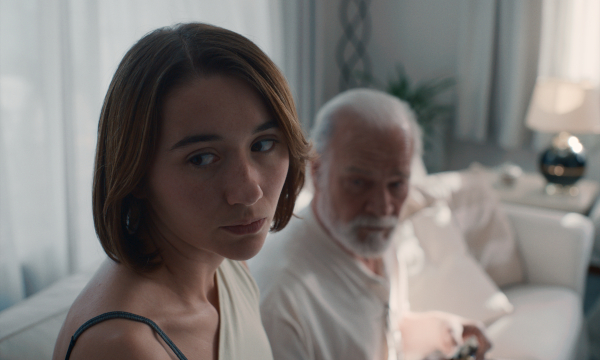
Living abroad, starting a life elsewhere, means missing certain people, places, events … So, what about myself am I leaving behind when I speak a language that isn’t my native one? What traits am I gaining? I feel more at ease in Spanish and more productive and organized in English. Is it also true in my writing? Do I read as being more formal in English? Si estuviera escribiendo esto en español, ¿qué cambiaría? Mi voz es la misma, pero quizás ciertos aspectos de mí resaltan más …¿y cuál se acerca más a mí? Who’s more me? I’m genuinely funnier in Spanish, I promise! Maybe it’s all just perception. If I really start thinking about it, I can’t clock the differences.
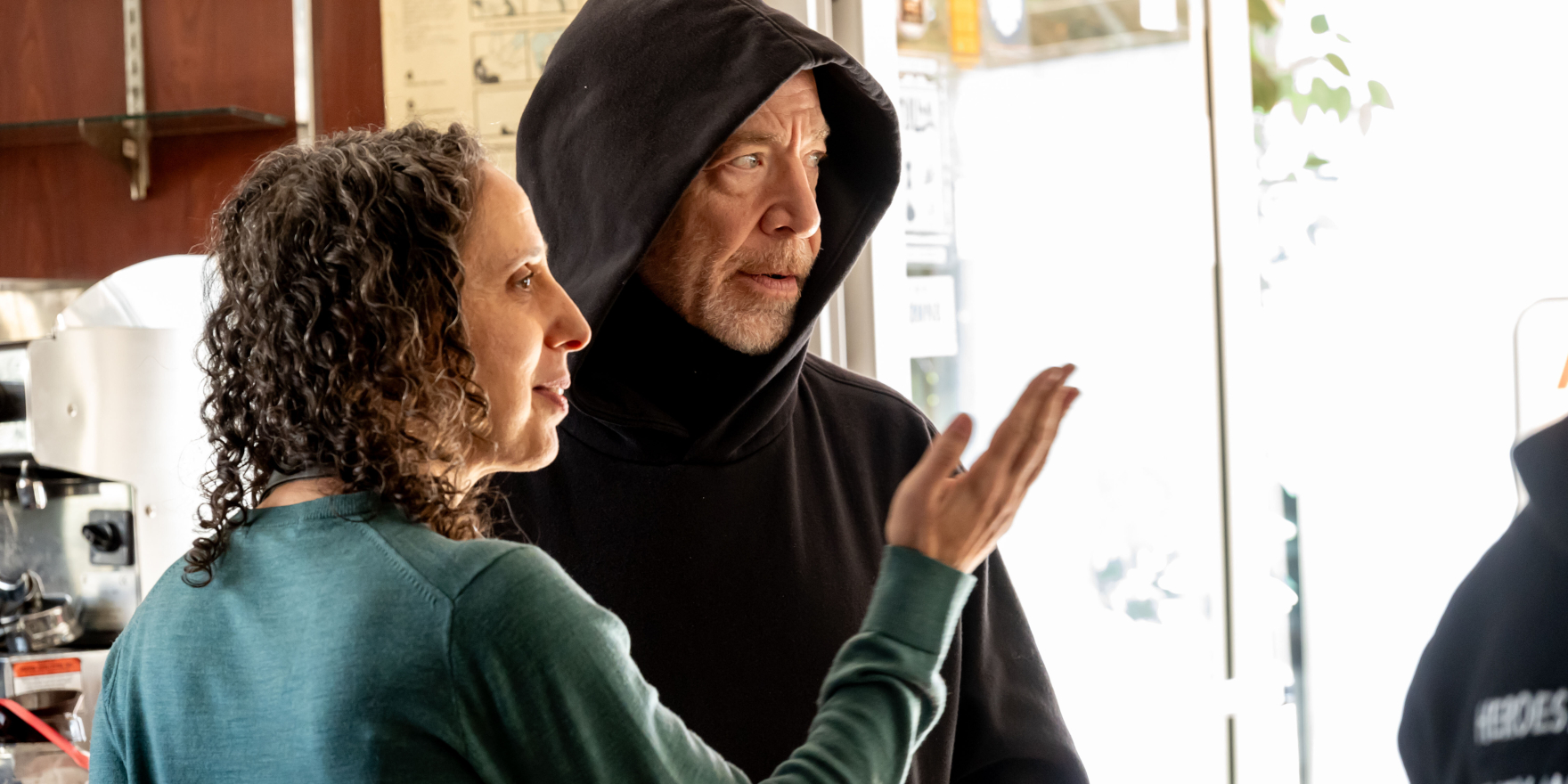
For any insecurities it has raised in my sense of self, speaking multiple languages has made me more empathetic, more resourceful; it’s enriched my life in every aspect. I learned some Catalan to make this film. I even learned some Italian, editing Forastera in Rome. I would’ve picked up a little Swedish, if the post-sound team in Stockholm didn’t speak perfect English. I loved being on set for this film and pulling from different languages to direct. Sometimes it was Spanish, others English, and often Catalan. It may seem messy to some, but I found it quite freeing and inclusive, kind of like the Spanglish I speak with my siblings or my oldest friends. It is genuinely a privilege to be able to communicate like this, and surely something I will carry into future projects.