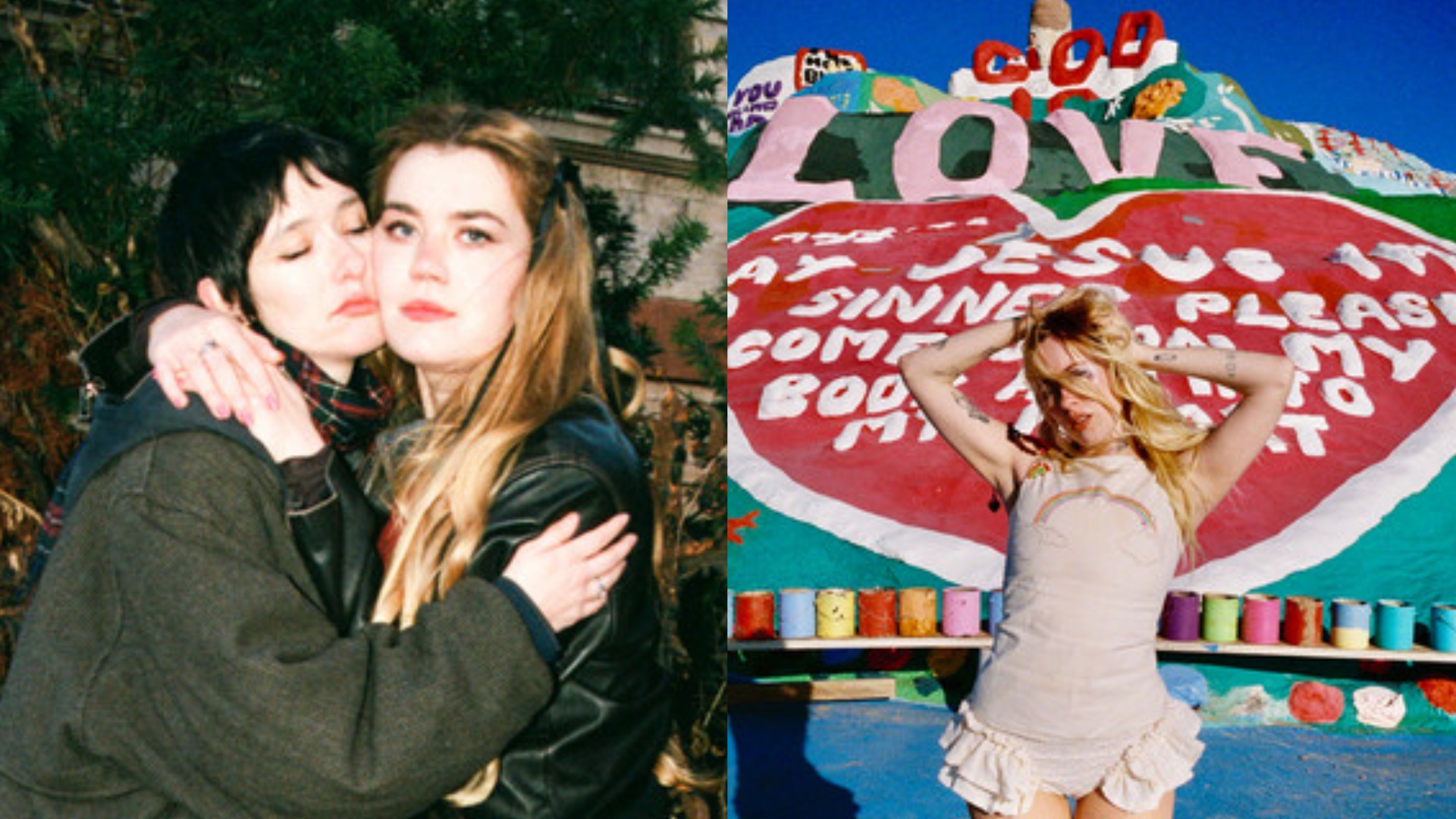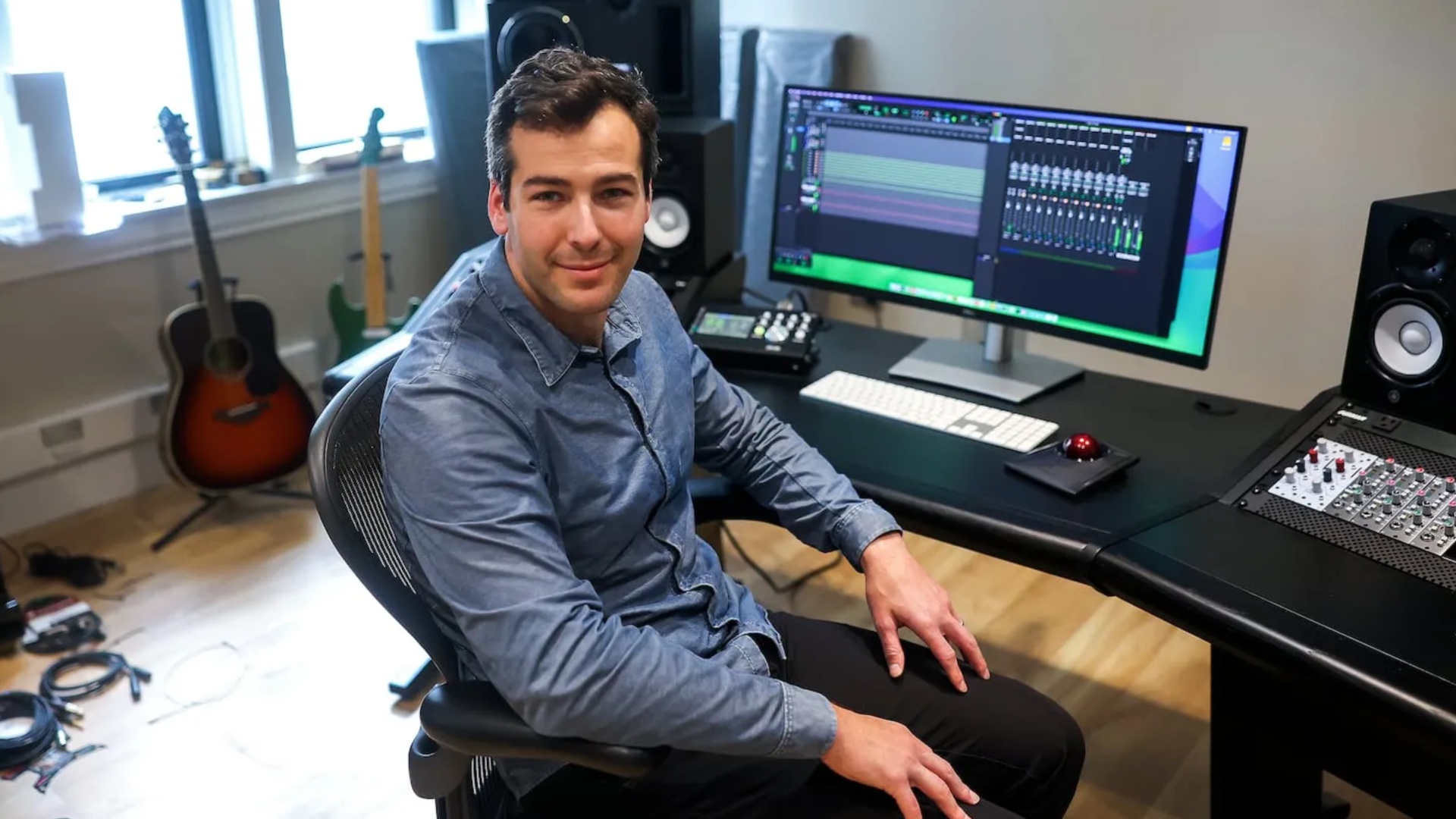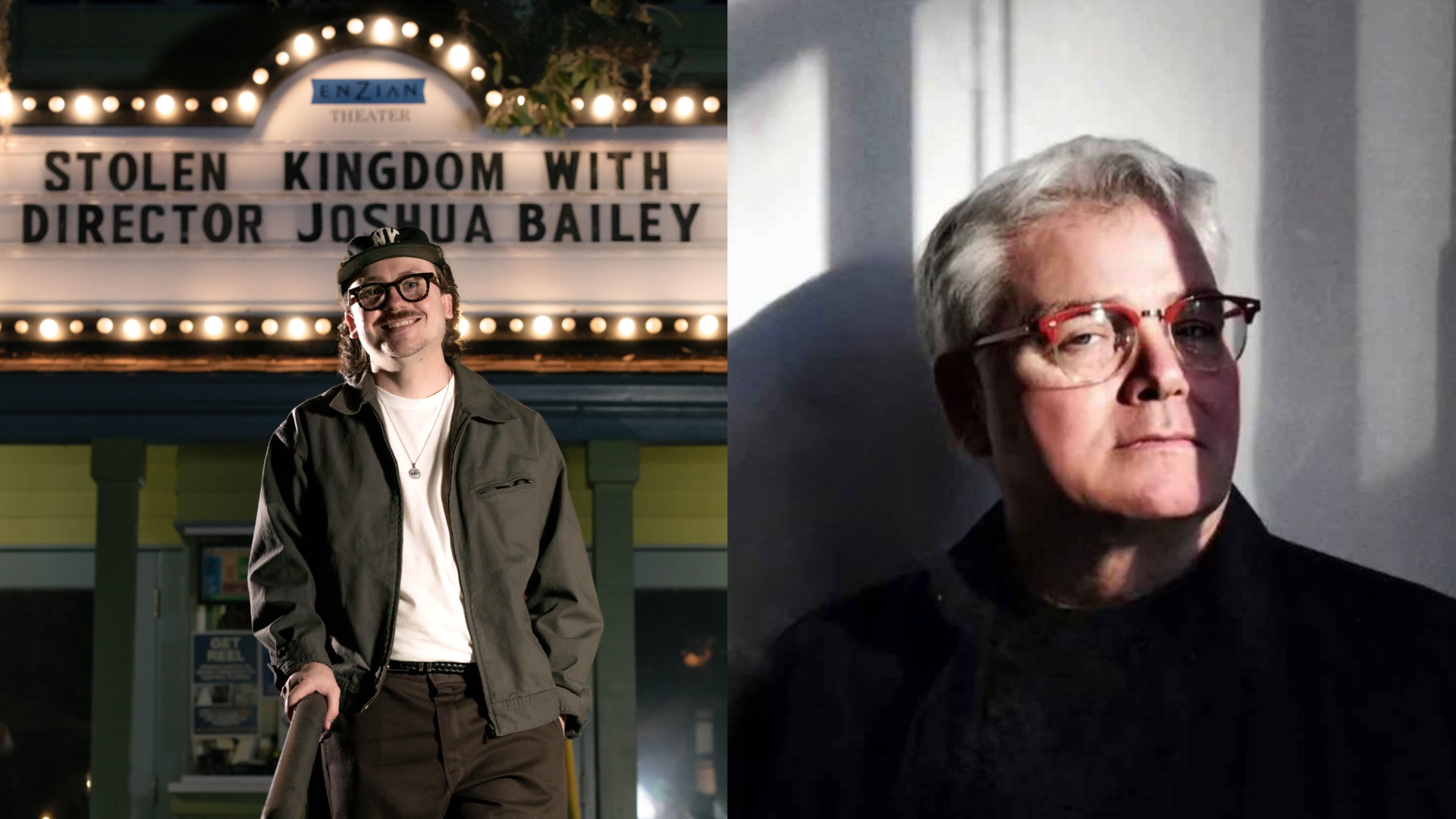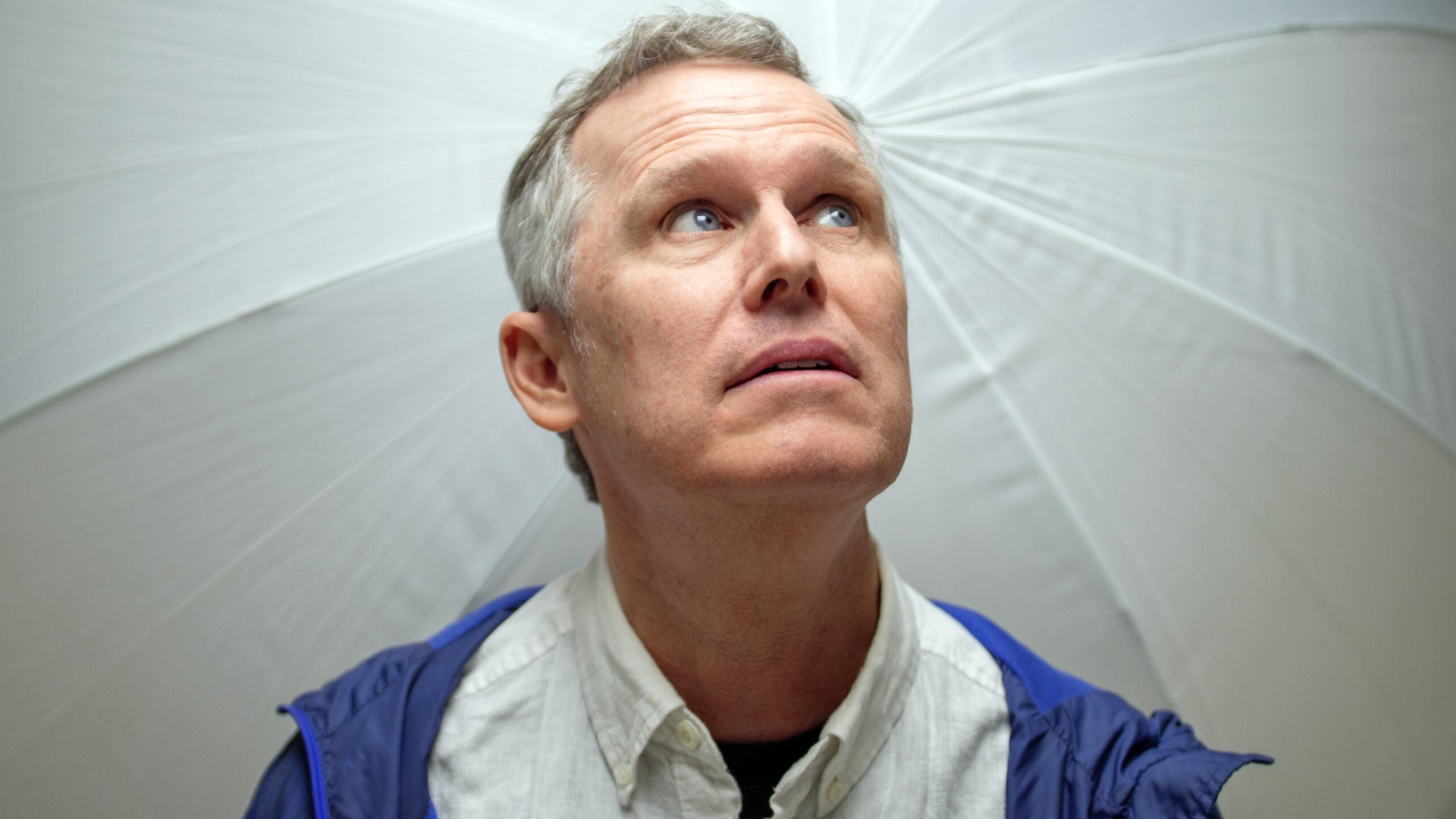
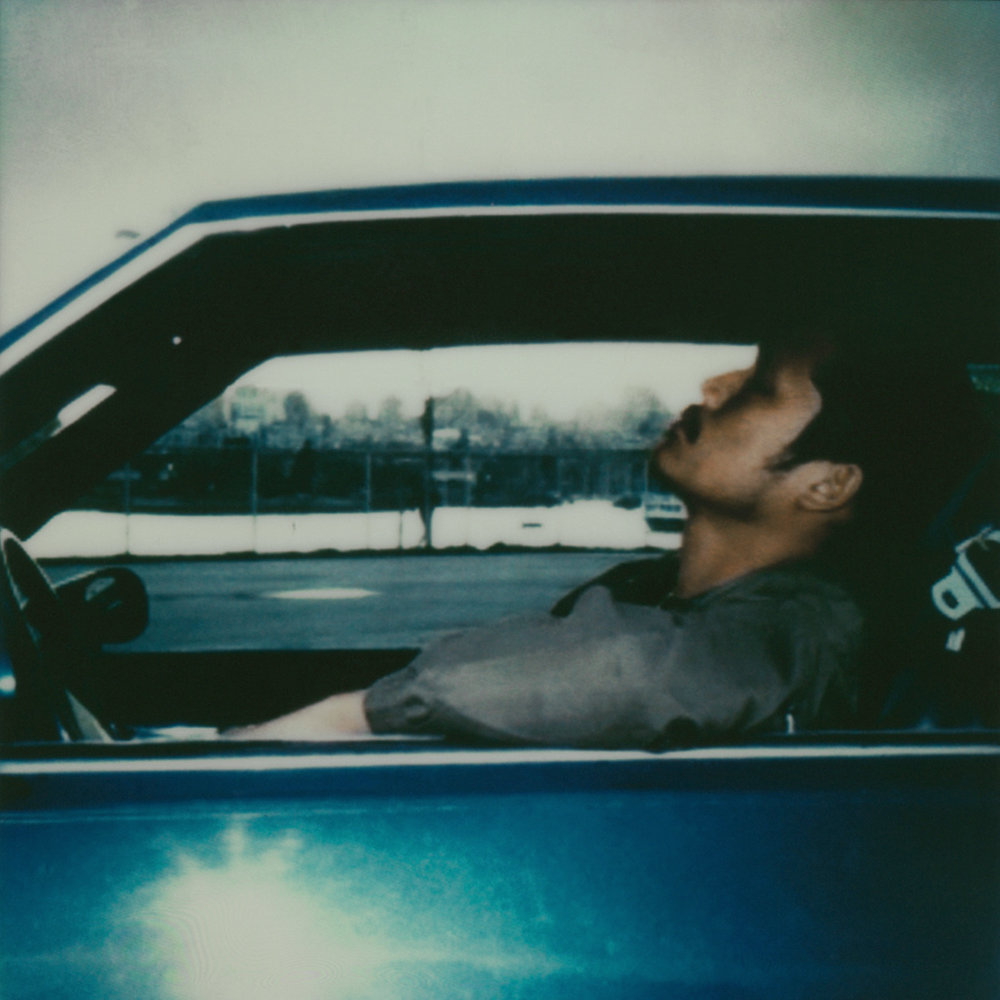
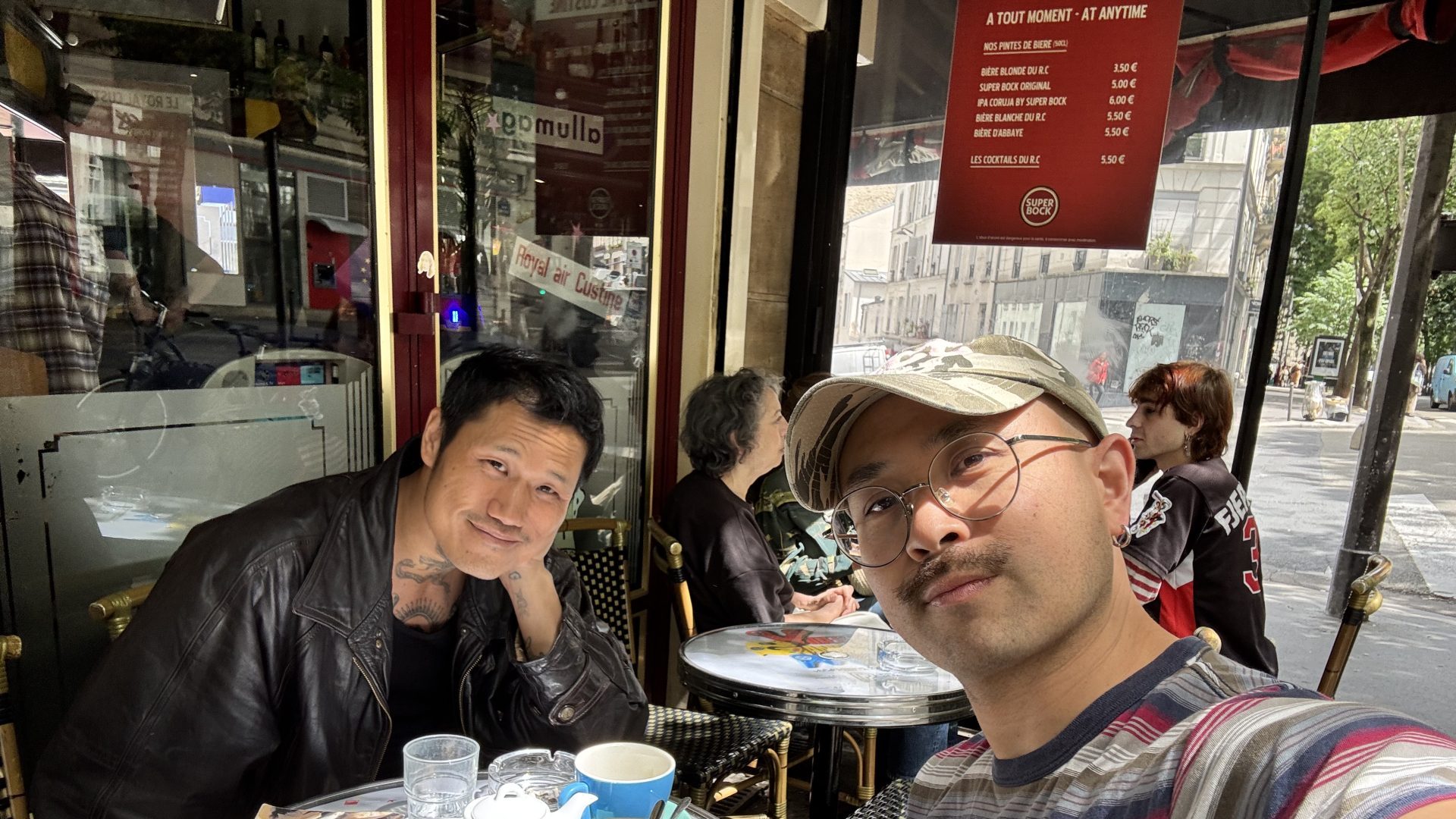
Andrew Thomas Huang is a writer-director and visual artist who’s directed music videos for Björk, FKA Twigs, Kelela, and many more; Alex Zhang Hungtai is a Taiwanese-born Canadian musician and actor who formerly released music as Dirty Beaches and now performs under his own name. To accompany his double album Orion/Mother — which came out last month on American Dream Records — Alex released a short film called At the River Styx, directed by Brian Echon. To celebrate it all, Andrew and Thomas got together to chat about ancestry rituals, the unconscious, and more.
— Annie Fell, Editor-in-chief, Talkhouse Music
Andrew Thomas Huang: Alex, thank you so much for inviting me to speak with you. I've been a fan of yours for a long time, and there's so much to talk about.
Alex Zhang Hungtai: I'm so grateful that you agreed to do this. It's been so good to meet you in person, and then to have this opportunity to share with the public what our casual conversation was about in terms of ancestry rituals, working with the unconscious, and all that good stuff… It's a real honor.
Andrew: One of my first introductions to your work was the film you made back in 2018 for “Pierrot.” You were in the LA River and you were speaking to your past self, or your inner child. Ancestry was a huge part of that work, and I think that's why I really took to what you were doing. And as I've followed you over the years, I've admired how — I know that you are a musician, but I have always viewed you as multifaceted and a living embodiment of your craft and your art and your spirit. And so I think that dialogue with ancestry was something that resonated with me as another diasporic Asian person. I'd be curious to draw connections to that and your latest film.
Alex: I think the “Pierrot” music video/short film started after I read Psychomagic by Alejandro Jodorowsky. Just to contextualize: Alejandro Jodorowsky is a filmmaker, comic book artist, performance artist, and kind of a polyglot. The Psychomagic book was about how to address certain traumatic experiences using theater, music rituals, witchcraft, Zen Buddhism, Jungian psychology all mixed into one. I was incredibly inspired by it, but it also made me realize my entire trajectory through Dirty Beaches was not so different from his approach. It really was an attempt to address a father wound that I had as a child, not knowing who my father was, not having a close relationship with him, and then finding all these old photos of him as this teenage delinquent with a pompadour haircut, with motorcycles, hanging out with his boys, smoking cigarettes. There's even a photo of him performing in Taiwan in a doo-wop band.
Andrew: Oh, my god. Can you share that? I’ve got to see that.
Alex: Yeah, I can definitely share that. So I found all these photos and I was just like, Who is this man? I had no idea who my father was, the life he led. And he really hated the experimental music I made. So the Dirty Beaches album Badlands was an imagination of — I knew that when they discovered Elvis and they all had pompadours, motorcycles, were chasing after girls, he had this dream of being a singer. But that dream ended after one summer and he was just like, “I'm going back to construction. This is not valid.” So I used those photos and constructed a whole story and a persona, basically dressing up as him, and then performing the kind of music that I thought he could somewhat relate to, or imagine what he would sound like. And that was the starting point. But I had to inject a lot of my influences and my taste into it as well, because otherwise it would just sound really cheesy, like a throwback. That in itself was like a ritualistic performance. I went from washing dishes in Montreal to a globe-trotting musician, almost magically. It was like the spell was lifted or something.
Andrew: Wow. I read Psychomagic as well around that time, and it also left a big impact on me. And I think that's actually what I loved about “Pierrot” — I felt like I wasn't just watching a film, I was watching a ritual. That's what I like about your work in general; the veil between art and life feels extremely thin and permeable. And I think that’s what Jodorowsky did so well, reveal the magic of living through theater and letting the theater of life transform our lives through the ritual act.
Alex: Yeah. He made two films back to back in his old age in the 2010s, Endless Poetry and Dance of Reality. Both films address his childhood in Chile, and it's crazy because he involved his entire family. He had his son—
Andrew: Playing him, right?
Alex: Brontis [Jodorowsky’s eldest son] played his father, and he had his younger son play him. And then I think his grandson played the childhood version of him.
Andrew: I also remember in Dance of Reality, he was, towards the end of the film, burning visages, both of political leaders that took hold of his family, and also of his father, if I remember correctly. But this idea of immolation and burning, I can't help but think of — tying “Pierrot” to your latest work — fire and returning to the LA River. Can you talk about the transformation between 2018 and now, and how you approached this latest River Styx work?
Alex: The 2018 “Pierrot” ritual was after I did DMT and became completely sober. I quit everything other than cigarettes. The joker, trickster archetype was prevalent in that video, so I think subconsciously — even though I couldn't really understand what I had witnessed during the DMT trip — it became a prayer of some sort, an internal dialogue with this unknown entity in my psyche. And then fast forward eight years later to this current video, I felt like fully embodying the shadow jester trickster persona to address… it wasn't as much as the funny clown, but more like the sad clown that crystallized through lived experience, and feeling like a self-fulfilling prophecy. I enacted a ritual where I involved some kind of trickster figure in a performance where I didn't fully understand where this was going, until eight years later after personal life changes and struggles, I fully was able to acknowledge the comedy-tragedy of repeating your traumas over and over and over again until you realize this is a deep, deep wound. And no matter how hard I tried to get out of this vortex, it was actually dragging me back into it in order to face this wound that I was not willing to acknowledge.
So the immolation in this current video, On the River Styx, was metaphorical about a lot of things. Like the dissolution of a marriage — I burned a groom’s wedding suit. There were a lot of props involved, but I didn't want to focus too much on the props. [I wanted] just to kind of have them as wishing stars, charms. But then they were all set ablaze and smashed into pieces by a hammer.
Andrew: Yeah, it felt like a funeral. Also, the hammer breaking these objects almost felt like a curse-breaking.
Alex: Yeah. It was almost like a determination to really embody who I was always meant to be, no matter how hard I tried to avoid being kind of this wandering spirit drifting from place to place. No matter how hard I rebelled against it and tried to settle down, in the end, it just unveiled itself. It was just, “This is your fate and you should just live it up.” [Laughs.]
Andrew: It's interesting this is such a full circle image. Because thinking about your dad's photo, there's a bit of destiny and a loop in becoming the wanderer that you perceive in your father.
Alex: Yeah. It was like I created a fictional character to understand a man that I didn't really understand at all throughout my life. It was a desperate attempt to reach out to him non-verbally — trying to reach him emotionally and psychically. So I created this fictional narrative. But then the fictional narrative is like the shadow; the persona took over my life as I became a touring musician. The fiction became nonfiction. I became someone that was actually drifting in and out of people's lives, and out of relationships and homes and not being able to settle down. Which was why I ended Dirty Beaches, because it was like reliving the trauma. So much of it is about the childhood wound of abandonment by my parents, and recreating abandonment — whether it was abandoning partners or being abandoned by partners — just reopening this core wound. So this ritual is kind of an acknowledgment, in a way, to make peace with it.
A lot of it was also by chance. I was at a Goodwill and Salvation Army in LA and I found all these props — I found an American eagle with an American flag, a snow globe of the Eiffel Tower, a fake Grammy award made out of plastic.
Andrew: That's pretty funny.
Alex: I smashed everything into smithereens and burned everything. It didn't matter what my projections or dreams were, or identities or relationships to geographical locations. Even religion. Because I really like this quote in Zen Buddhism where it says, “If you see Buddha on your path, strike him down.”
Andrew: And how do you interpret that?
Alex: Kind of like, when you're so determined on your path even Buddha cannot make you deviate from it. You're so sure of the path that you're supposed to walk that even Buddha cannot persuade you and you must strike him down.
Andrew: This is really random, but I listen to that podcast This Jungian Life a lot. I forget what the episode was about — I think it was about being stuck, in fairy tales or folklore or myths where the protagonist gets so frustrated being stuck that they strike the door that won't open, or they commit almost the physical act of blasphemy striking down a sacred object, and that actually is the thing that opens the door for them. It made me think of that.
Alex: Totally. I think I listened to that episode as well. Also, one of Jung’s apprentices, Marie-Louise von Franz, had written a lot of books on fairy tales and archetypes, which I find really interesting. It's almost like folklores and traditional rituals are a kind of ancient tech that you can practice in order to recognize these symbols in your unconscious, to access the collective unconscious. I think rituals like incantation or chanting with music or dance have this trance-inducing power where you can access this uncharted psychogeography. It's like the dark lands of the mind.
Andrew: Yeah. I think “psychogeography” is a great word. It applies to your work a lot, especially in the quality of wandering, but also in your practice of improvisation. When I hear you play your music, it is like you're taking us on a psychological landscape.
Alex: Yeah, because I'm not classically trained, so a lot of it involves a lot of listening. My main practice basically is to deal with uncertainty. That's something I’ve devoted myself to for over a decade now. When you don't know what you're doing creatively or musically, there's this intense sense of self-doubt. I hear voices, in my own head, telling me, “You already played this. You already did this. You don't know what you're doing. You have no clue.”
Andrew: And then how do you respond to that?
Alex: It was like sink or swim. I did kind of career suicide tours, where I would force myself to play improv saxophone on an entire tour when I've never had any prior experience. I put myself in this risky position where, if I'm an imposter, if I'm a fraud, then I would have nothing to say and I would be exposed during the performance and people would boo me off the stage. And then I would end my career right there, and just find a real job.
Andrew: How much of that fear manifested, and then how did you push through it?
Alex: It's like I completely transcended — because there were certain nights where the self-doubt was so severe and crippling I would be sweating cold sweat while playing before and during, and I had my eyes closed the whole time because I was so scared to look at the audience. And then when I opened my eyes after I've finished playing — thinking, This fucking sucked, this was so bad — I see everyone giving me a standing ovation. And vice versa, where I have my eyes closed and I feel like I'm flying and I'm playing so amazing, I'm shredding, and then I opened my eyes and I had cleared the entire room.
Andrew: That's so funny.
Alex: Yeah, it was hilarious. After that tour, I realized reality is not what I think it is, and it is not what the audience thinks it is. It is somewhere in this shared middle ground. Some people hate it, some people love it, some people are indifferent. And none of us actually know what the true reality or the value of that music is. You risk putting your reputation and your entire existence on the line to hope that you can express something that's genuine. Sometimes we fail, sometimes we succeed. It's hard to say night after night on a tour, but when you succeed, it's almost like you bridge this impenetrable wall and you connect with people. I played at this church in New York and this guy came up to me after the show and he was like, “Hey, I'm not a weirdo or anything, I actually don't know your music that well, but I just wanted to let you know that after your concert, I went outside and called my brother who I haven't spoken to in 10 years and I apologized. You did that to me.”
Andrew: That's crazy.
Alex: That was one of the best comments I've ever received. It was incredibly healing. That tour was also right after my father died, so I was really in deep search of my relationship with music and realizing that my motivation for making music in Dirty Beaches was all because of a comment he made. My father had told me, “You're never going to make it as a musician. Nobody's going to care. You're not going to survive.” So my entire artistic existence was to spite him, to prove to him that he was wrong. Until he died, and I lost all motivation to make music.
Andrew: When did he pass?
Alex: In 2018. Then I didn't have anyone to prove to, basically. But that tour, forcing myself to play improvised saxophone, really helped me discover the love for improvisation, but also the love for music and the psychomagic homework that I still practice to this day.
Andrew: That's really powerful. Hearing that context makes me really think about “Pierrot” and River Styx — they're both funeral pieces, but they're also rebirthing pieces as well. Again, they're beautiful films, while also serving as ritual acts.
Alex: Totally. I agree with you 100%.
Andrew: They feel like the two ends of this chapter.
Alex: I want to give a shout out to the director, Brian Echon. He shot both videos and, as a friend, he witnessed the change over the last eight years. So when I called him up in LA like, “Hey, would you help me document this ritual?” He came through, brought his cameras. It was just me and him, no crew, and we went down to the river. So deep shout out to Brian. I really appreciate his friendship. It was so vulnerable. I cried a little bit — but thank god it was landscape shots, so you can't really see me, especially with all that makeup.
Andrew: I think that is actually the ultimate accomplishment of being a filmmaker, to be a witness and almost like a doula. And I think that the intimacy shows that; you can tell in the way it's shot and the pacing that it was just you guys. Céline Sciamma says that art is just the transmission of intimacies, and I think what is really clear is not just the intimacy between you and these objects that are transmuting your lived experience, but also the intimacy between you and the person behind the camera. I never formally studied film —I only recently learned about Cassavetes — but I think when you watch Cassavetes films, you can tell that what's unfolding in front of the camera is almost unrepeatable magic. And I feel like that's what is powerful about this piece. I think you guys accomplished that…
Something that I've been asking myself lately is: we all talk about wanting to be seen — I always talk about wanting to be seen — but is being seen overrated? Are we putting too much emphasis on that? I'm asking myself because I both so desperately want that, and at the same time… sometimes I don't know.
Alex: No, I think it's a real concern. I think that, like most good things, it got weaponized by shitty people who are trying to manipulate others. I think the word, being “seen,” being “heard,” is completely valid for people who actually feel unseen and unheard. But in the hands of, like, a narcissistic sociopath, then it could be twisted and used against you as a weapon. I don't think it's overdone. I think that it's a real issue and a really important term in our pop culture lingo. It should be part of the vocabulary. It's just unfortunate that once things go mainstream, people just throw it around like it's nothing.
Andrew: I've been seeing a lot of discourse online about how the Asian American pursuit of representation in media is a neoliberal distraction from the fight for class equity and true economic justice. And I think that resonates with me. There's always something so… embarrassing about being Asian American. [Laughs.]
Alex: [Laughs.]
Andrew: It's so cringe. But I also can't escape it. And there's so much embarrassing about being American. But I also believe that the best thing we have here is at least the political discourse and the vocabulary and the language to talk about justice and to talk about these nuances and complexities of being diasporic and sharing struggle between communities. I think that we are kind of the sea foam of waves of immigration over the past couple centuries, and I think that being on the bleeding edge of this collision of cultures has made us important voices. And at the same time, we can't forget that we are fighting for people who have less than us. It is our job to fight for those who don't have what we have. And I think that's where the Asian American conversation gets lost, when we become so petty.
You know who actually really captured this? Cathy Park Hong. She wrote a book called Minor Feelings, and I think she captures really well the Asian American experience. She describes it as being like “a urinal cake that's being slowly pissed on.” Like, not life threatening, but enough to be degrading. And she goes into her own autobiographical experience being in art school, but she also talks about real, true violent attacks on Asian people through the centuries, everything from Rock Springs, Wyoming, to that elderly man that got dragged off the plane not long ago. She really captures well the injustices. And I think we do have some Asian American leaders who are saying some really great things and are in step with people fighting for Black liberation. But I think that in general in film, I think we in North America have a long way to go. The machine will never let us say what needs to be said. Which is frankly why I've been making the work I've been making lately as a response to that, because I have my own gripes about the film industry. But, sorry, I'll step off my soapbox now.
Alex: No, I totally agree with you. I feel like that's the main fundamental difference between Asian cinema and Asian American cinema. We’ve talked about W.E.B. Du Bois’s “double consciousness,” where there's one consciousness where you understand your culture, you see yourself through your own culture, and then there's the other consciousness, which is like a surveillance camera where you're constantly surveilling yourself and you view your own language and culture and food and customs through the dominant white American gaze. Critiquing the food that you eat, the way you talk with your parents, and certain values that you have, and you're constantly censoring and camouflaging yourself so you can blend in. It's like Asian American cinema is forever trapped in this representation curse because you have to think about how you want to be perceived because you can't be viewed as individuals. Every time you’re on the big screen, you're representing your entire fucking race. You don't have the freedom to play a serial killer or a drifter or a biker — which, all of these exist, weird Asian Americans who are just walking around in America, living all kinds of lives. But we always have to be someone that works in a laundromat or a doctor or a lawyer or the asexual comedy relief best friend.
Andrew: Yeah. I think this is what was so compelling about the image of your dad as a greaser in Taiwan. Because that rebel archetype was expansive, both of who your dad was as a young person — a wanderer — and then that image became your calling, to step into that role.
Alex: Yeah. But before I did the whole Dirty Beaches thing, a lot of Asian American kids came up to me and told me after shows, “You helped me discover certain things about my family, I found all these old photos of my dad,” where they look fly as fuck wearing bell bottoms and going to discos in the ‘70s, or wearing leather jackets and stuff. It's just not part of the mainstream culture of Asian American identity, because we're always portrayed in a certain way.
Andrew: And it's not just the hairstyle or the fashion, it's the erotic energy. To see young Asian diaspora exhibit their sexuality and their vibrancy and self-expression at a time where it was not visible — this is where visibility matters, right? Seeing that type of vibrancy ignites your own curiosity to expand and step into your own vitality.
These stories are still rather untold, and what I really love about your work is the way you embody ritual and narrative, and the way you transform the world around you through your way of moving through it is really one of a kind. I think this River Styx piece is really incredible, and I'm excited to see what you do next.
Alex: I appreciate that. Thank you. It means a lot to me coming from you. Andrew, thank you so much for taking the time.
Andrew: It's been a pleasure and I can't wait to reconnect somewhere on the planet.