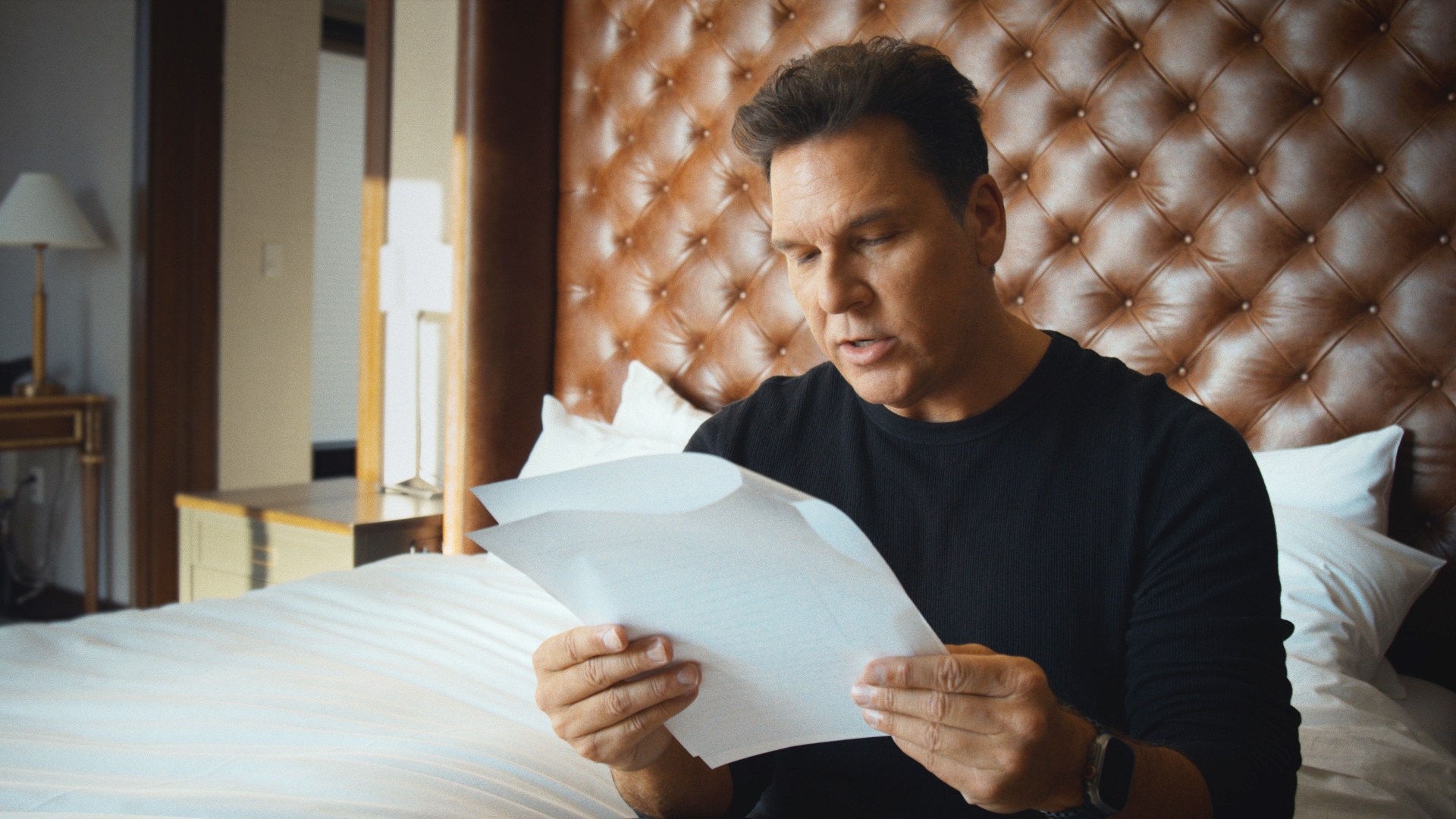
Every film has shadows. Shadows are a natural part of lighting and are almost unavoidable. However, sometimes a filmmaker will use shadows in a way that is significant to visual storytelling. Terrence Malick falls under this category. While shadows may be in most shots due to the absence of light, Malick chooses to focus on the shadows, making them the subject of the frame. Rather than focusing on characters roaming through the grass, Malick often points his camera their shadows, creating a sense of whimsy and conveying new meanings. What does Malick's infatuation with shadows mean? Is he showing us that these characters are separated from themselves? Is he trying to communicate a unison with nature? Like most of Malick's films, the interpretation is left open to us.
Video Essay: Malick’s Shadows
With Terrence Malick's Song to Song in theaters now, Jacob T. Swinney's video essay looks at a recent motif in the director's films.
Related Stories
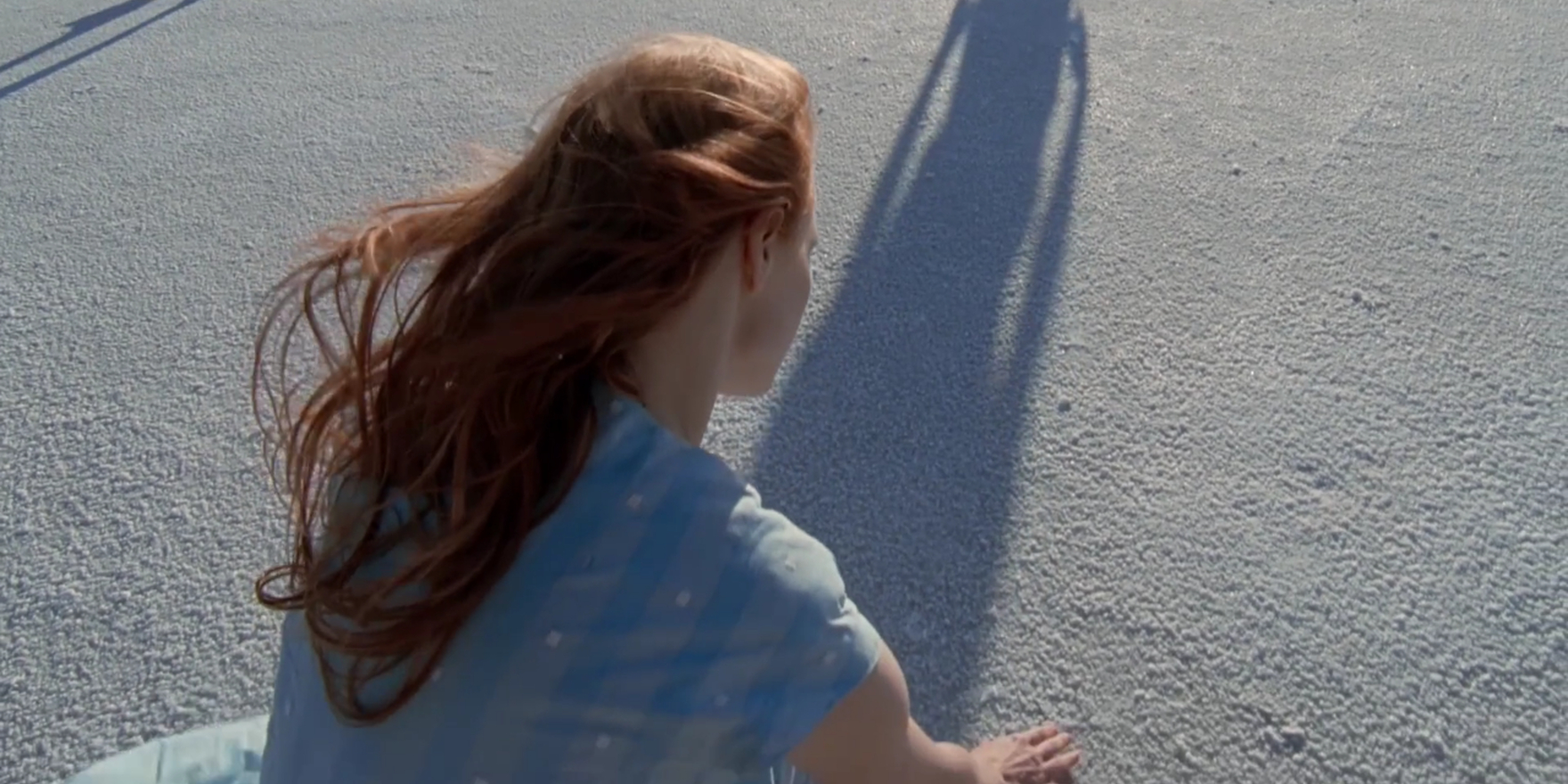
Two Halves of a Chalky White Pill
Writer-director Chris Merola, whose debut feature Lemonade Blessing is out now, on life and filmmaking on Lexapro.

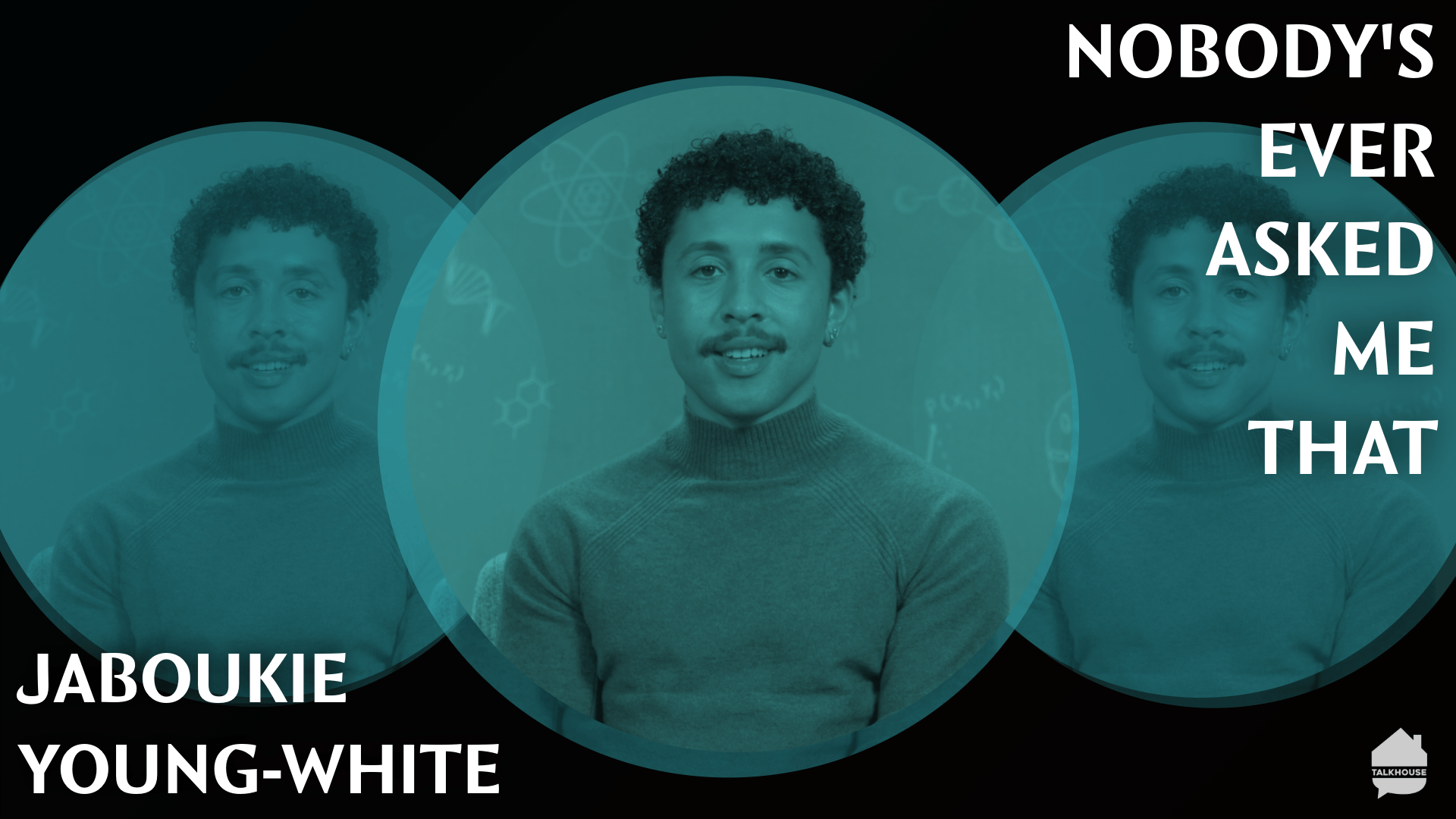
Nobody’s Ever Asked Me That: Jaboukie Young-White
The popular comedian and actor, who can now be seen in The Love Hypothesis, goes deep on dreams, duppies and dung beetles.
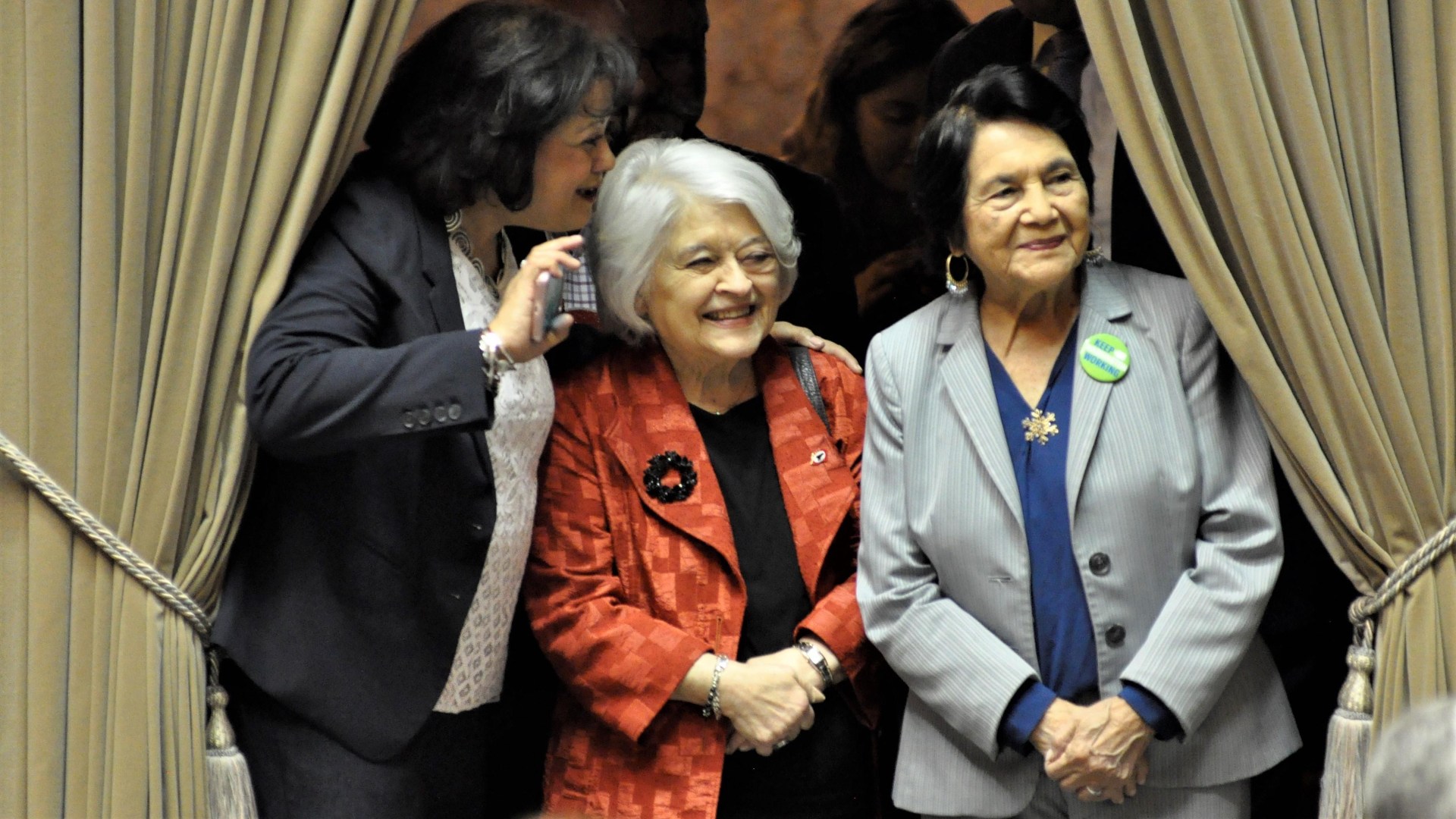
Notes on a Dedication
In 2025, when Travis Gutiérrez Senger finished ASCO: Without Permission, he dedicated the film to his mother and grandmother ...
Three Great Things: Clark Duke
The popular actor turned writer-director, whose new movie Stranglehold is out now, chooses an eclectic trio of favorites.
The Genetics of a Film
Writer-director Melody C. Roscher shares the poignant real-life story behind her new film, Bird in Hand, which is in theaters now.
Three Great Things: Dane Cook
The stand-up comedian and actor, the subject of the new documentary Funny Money, chooses a trio of personal favorites.