It’s interesting how almost all of us feel completely alone in what we’re going through – as if it’s a feeling only we in the whole world have experienced. It could be happiness, grief, a crisis, or something entirely mundane.
I felt exactly the same way when I began writing Sauna Sickness.
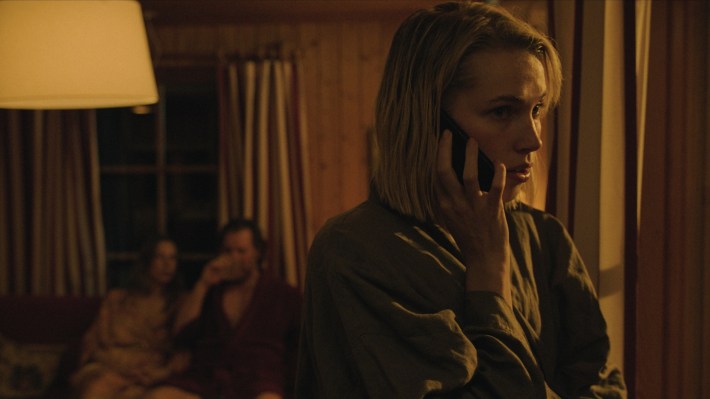
I knew what inspired me. I knew the subject I wanted to highlight and that I wanted to communicate it visually – in the form of film. I didn’t want to explain it with words. I wanted the audience to observe, experience, and form their own understanding of the issue. At the same time, I was terrified. Would anyone understand? Would anyone relate?
It often feels that way – whether the situation is a personal experience or writing a script.
In my case, it was extra scary because both the film and I, while writing it, were trying to understand how self-doubt and emotional dissonance had affected me – after a personal experience of emotional abuse. It was uncomfortable, sad, confusing, frustrating and sometimes even laughable. I had started to feel like an unreliable narrator of my own life.
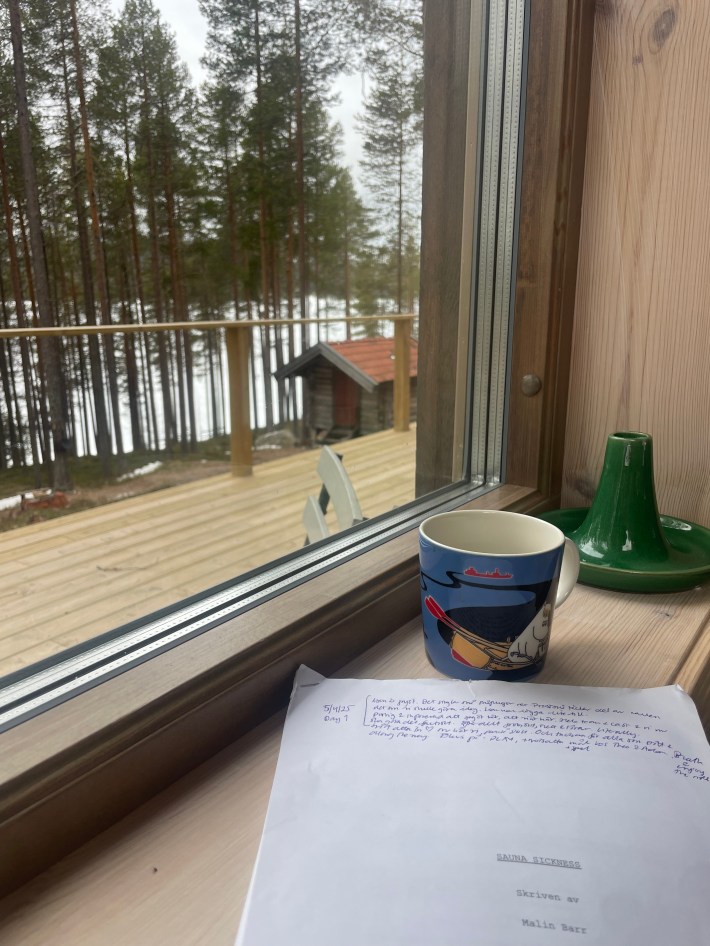
But it’s when you dare to share something personal that you realize how many others feel the same way. A specific story – but with a universal theme. That’s where recognition happens. Laughter. Tears. Anger. Frustration. That’s where the conversation begins. And that, in my opinion, is one of the greatest opportunities we have as filmmakers: the magic of allowing people to share a common emotional experience. Hopefully even a physical experience, in a movie theater.
Writing a script is one thing. Producing it is another.
I’m an actor and screenwriter and Sauna Sickness is my first film as a director. I’ve co-directed before, but this is my project. My vision. Suddenly, I’m the one leading. I’m “the boss,” as my fantastic first A.D. calls me. And even though I’m incredibly excited, I’m nervous and I take every moment I can to prepare, watching every film I can find and reworking my shot list again and again to make sure every scene and every frame really serves a purpose – and really needs to be in the film.
And then – suddenly – I become a producer, too.
It’s January and I’m staying at a friend’s house north of Los Angeles. I evacuated here when the fires started to ravage the city. Amid the chaos of fire alerts and news flashes, one of the film’s main producers burns out. It’s almost laughable. But above all, it’s tragic and – of course – extremely challenging for the project.
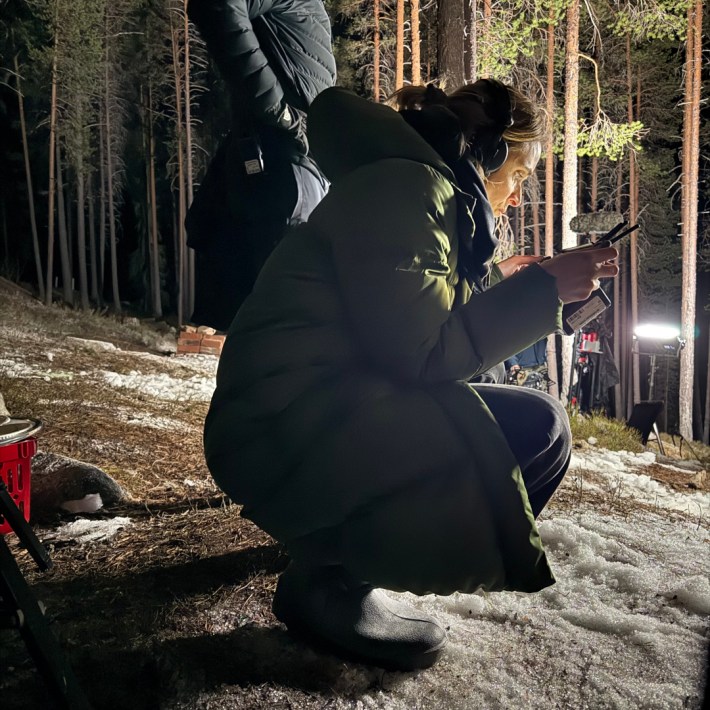
Now I not only have to focus on directing, but also drive the project forward and find a new team. It feels overwhelming, almost impossible. I doubt myself. Should I give up? Am I an idiot for pushing forward? Should I just wait – shoot next year instead?
It’s not the first time it’s felt hard. This project has not been easy. We didn’t get the production funding we applied for. We lost crew members. We were told the script didn’t work, that the female lead was crazy and that the male lead was the one to pity. If the story is personally inspired – does that mean I’m crazy?
I doubt myself. My vision. The project’s quality. Maybe it sucks?
I let myself fall into the dark hole for a day. Then I crawl back up.
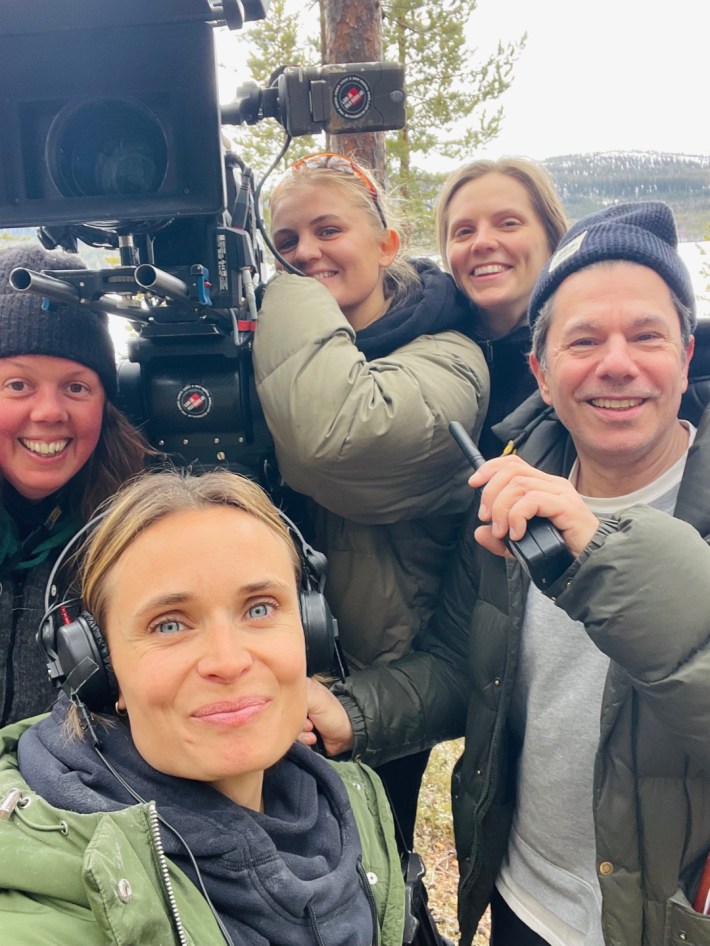
I remind myself of all the things I’ve won and everything we’ve built in pre-production: amazing actors and creators who are passionate about the film and whom I’m so excited to work with. Regional support. Generous local forces in Lofsdalen who have offered help with everything from food to shoveling snow. Private investments from the U.S. and Sweden.
I remind myself that it’s always hard – I just have to hang on a little longer. I tell myself it will be worth it. You can sleep when you’re dead. At the same time, I promise myself never to do it like this again. Honestly, I don’t know if I fully believe in myself, in that aspect. I carry, in my own eyes, a sometimes inexplicable refusal to give up. I’m persistent, sure, but it’s something more than that – I can’t explain it.
I need to make this film. For myself. And for everyone who has already said they relate deeply to it.
The Last Meal
It’s the last day at Sundance and I’m ecstatic, but also completely exhausted. Maybe five-and-a-half hours of sleep per night for a week, only canapés for lunch and dinner and endless mingling and screenings. It feels insane, but I am almost tired of talking about the film – but I also don’t want to go home.
The bus winds up through the mountains to the small town an hour away from Park City that is actually called Sundance. The place where Robert Redford founded the institute and the festival.
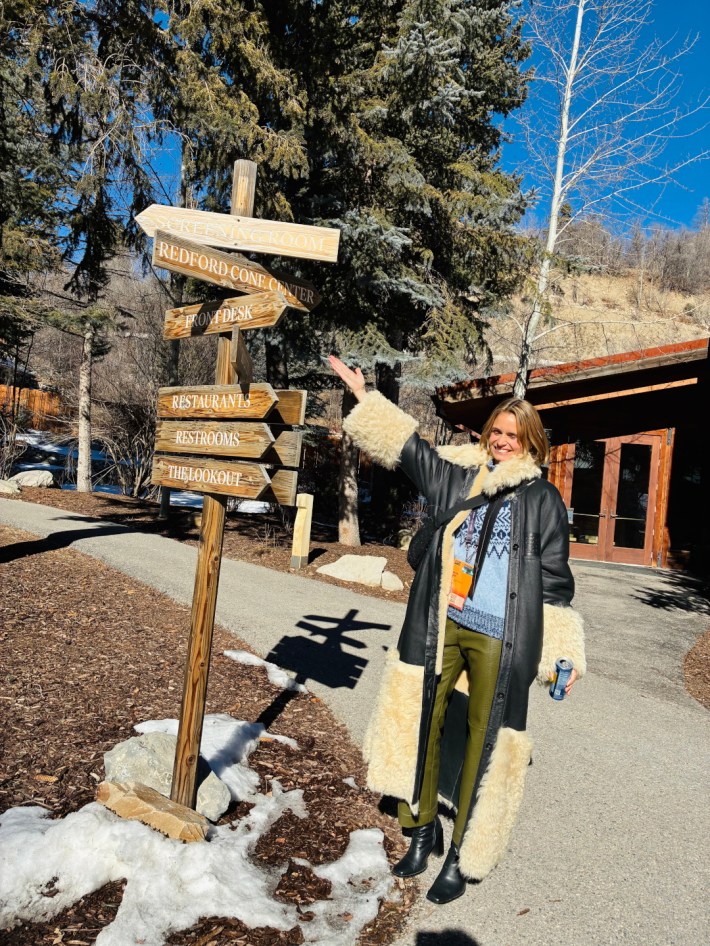
It’s the directors’ brunch. According to Sundance leadership and programmers, it’s the best event of the week and their favorite. You can feel it in the air. And you can see it. White tablecloths cover the round tables set up in the spacious barn-like building, which also serves as a film studio and rehearsal space. Just outside the window, a bubbling stream and a ski slope are visible. I sit wide-eyed, surrounded by a large group of directors I admire. On one side of me sits a 21-year-old filmmaker from New York. On the other side, one of Sundance’s first festival directors – and Robert Redford’s right-hand person.
What am I doing here? I suddenly think. I pinch myself and focus once again on Kim Yutani, Sundance’s current sharp-minded director of programming, who warmly introduces Amy Redford, Robert’s daughter.
Amy begins by saying how difficult it is to fill the void after her father, Robert Redford, who used to give this speech every year and looked forward to it with joy. Big shoes to fill. Now he’s no longer with us. She says she will keep it brief.
As I listen to her voice, which almost seems to float – carefully chosen words, poetic yet both personal and specific – I lose track of time.
She talks about the drive behind every filmmaker. About how creative and strong we must be and how much we must believe in our own visions despite all the “no’s” we get. About how our family doesn’t understand and often questions whether we shouldn’t just look for a different job; about how we’re a little crazy; about how we turn a deaf ear and continue anyway and ask family and friends for money – even strangers. We rewrite, we pitch, we struggle, we tear our hair out, because we know we just have to get this film made. And then somehow – we finally assemble our team and our actors and we shoot. We edit, do sound, color, music. We submit the film to our dream festival, hoping that someone will understand and feel all that we’ve felt ever since we started writing it. About the microscopic chance of being selected – a needle in a haystack.
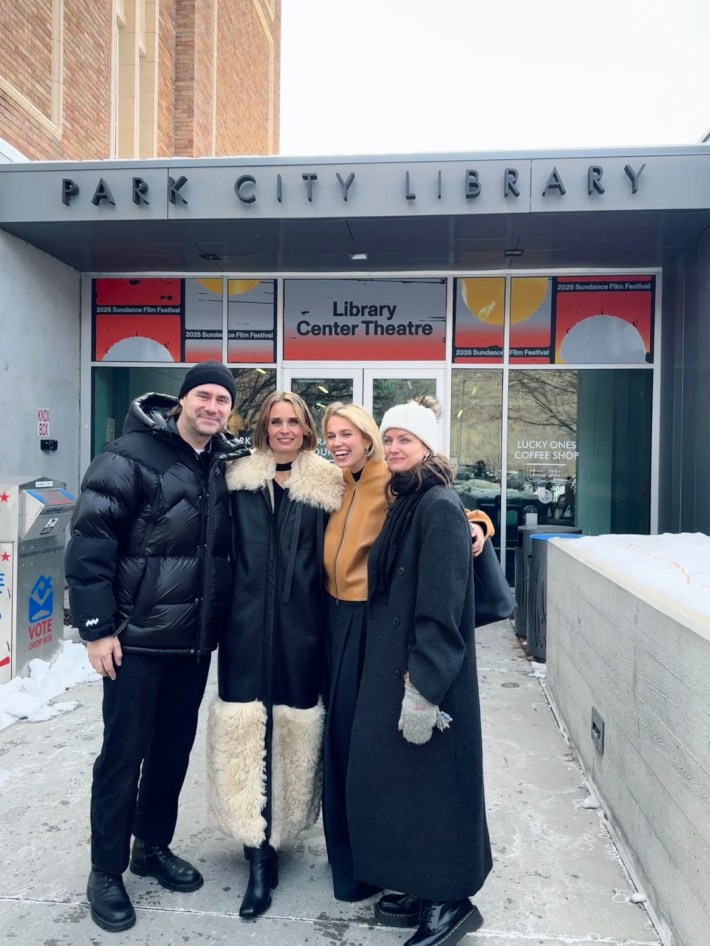
And then she says: You are the needle in the haystack. Your film is playing at Sundance.
I feel a tear run down my cheek. It feels like she’s speaking directly to me. For the first time, it lands fully. I’m here. The film is here. It sounds crazy, but in the process from idea to development, production and post-production, I’ve barely stopped. Barely taken it in, barely breathed. Now the tears fall – of joy, pride – and of relief. I feel understood. Heard. Seen.
When the applause breaks out, I suddenly become aware of time and space again and feel a little embarrassed by my reaction. I look around. Her short speech has hit everyone just as deeply. And suddenly, it doesn’t feel like we’re just sharing a festival experience. We’re sharing a common feeling – an emotional experience.
It may sound cheesy and probably obvious to a filmmaker, but maybe even we need a reminder sometimes – that this is exactly it – the greatest power of film. To remind us that we are never as alone as we think – not in our relationships, not in our creativity and not in our doubts.
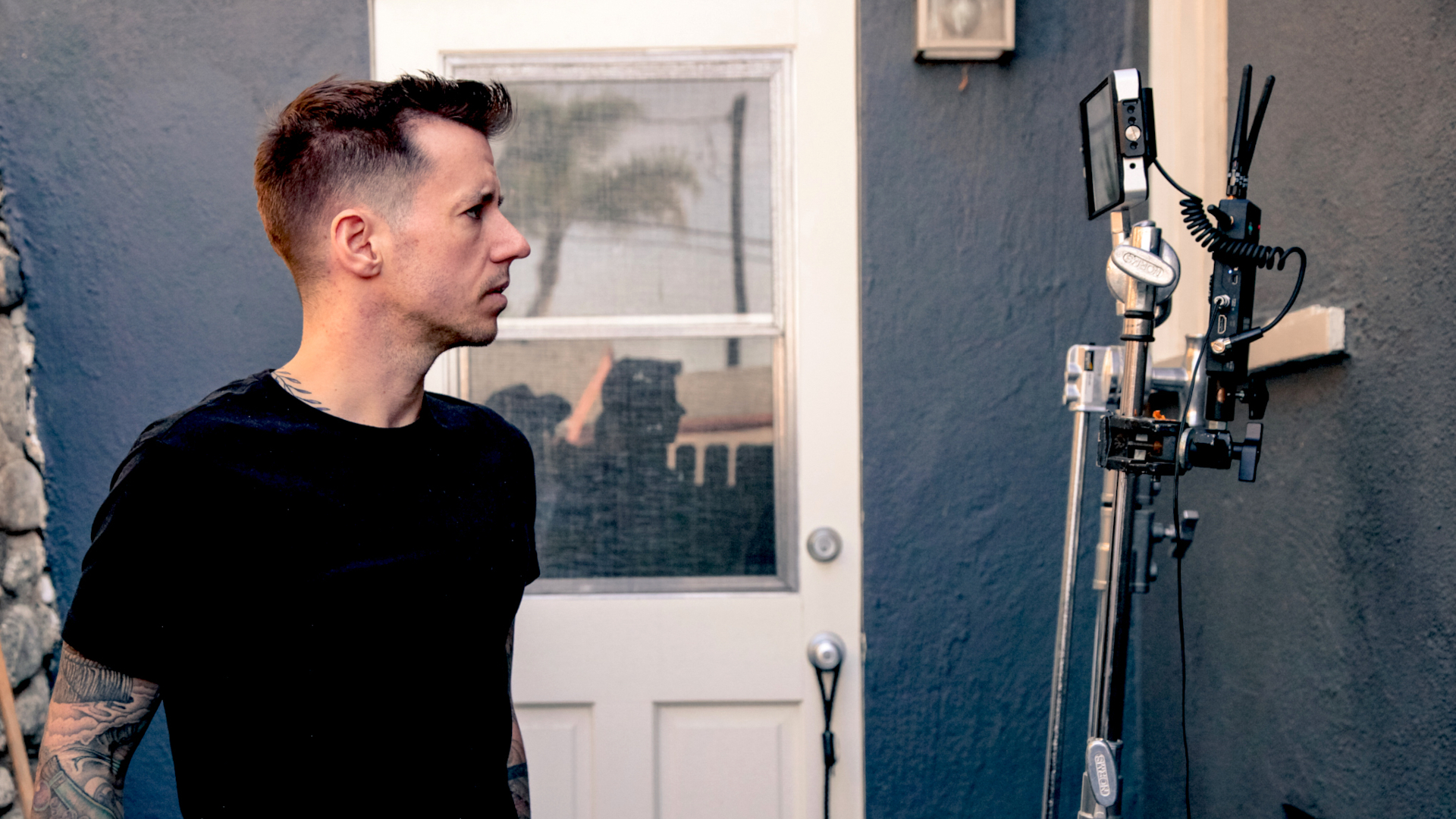
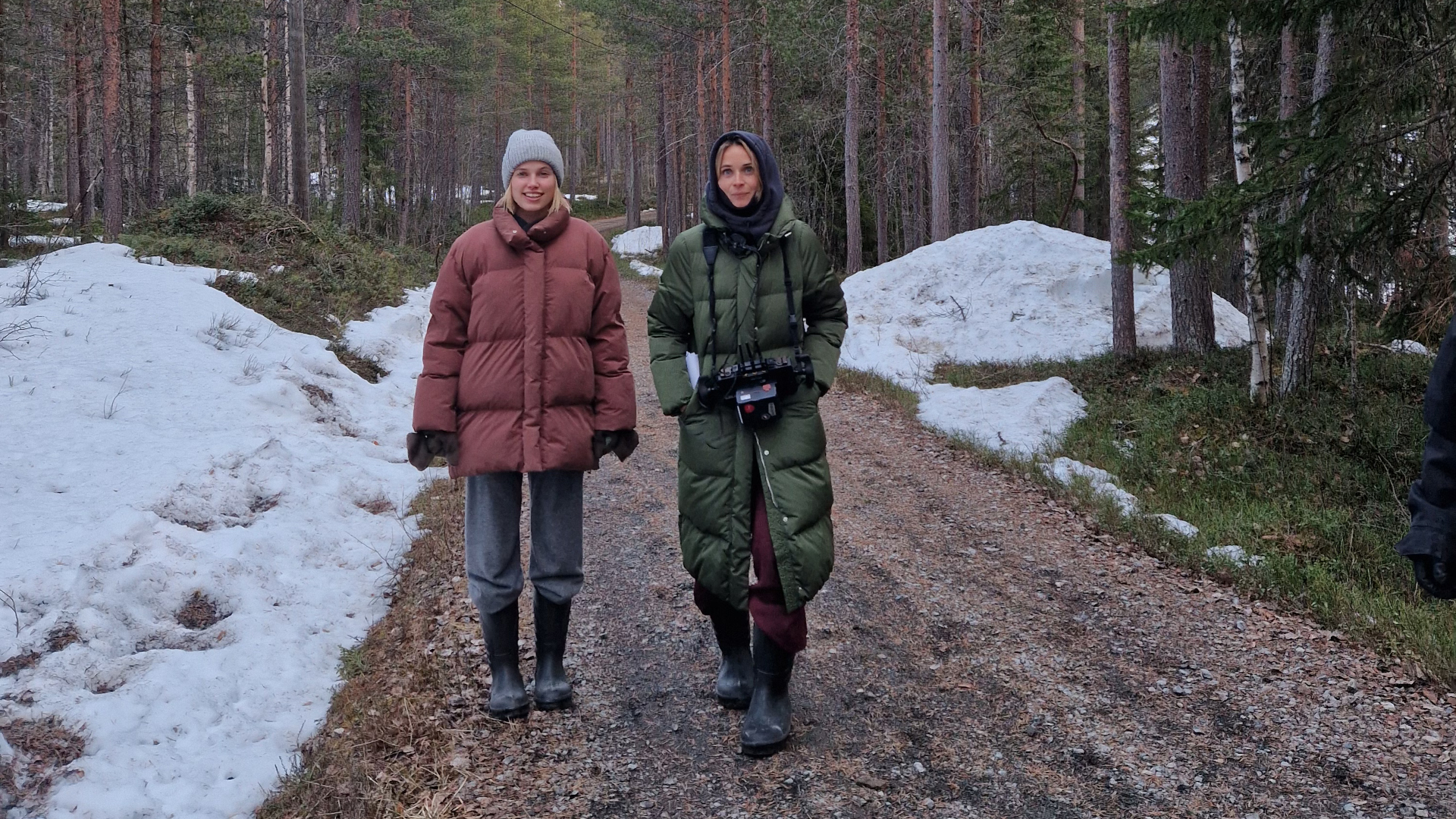
Featured image, showing Malin Barr and actress Thea Sofie Loch Næss during the making of Sauna Sickness, is courtesy Malin Barr.