The Making of SPIDERLAND by Slint – feat. Brian McMahan, Britt Walford, David Pajo and Todd Brashear
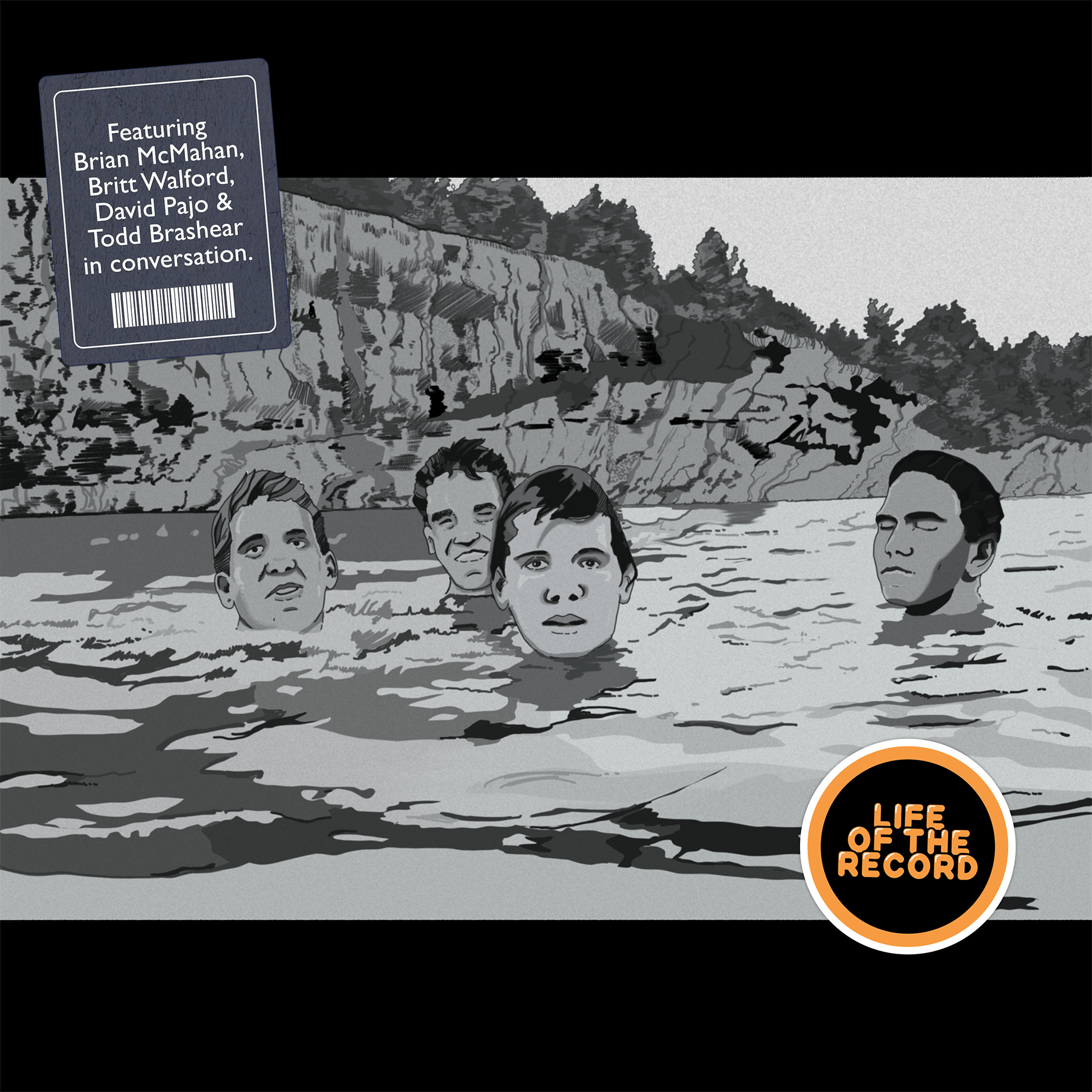
For the 35th anniversary of Slint's landmark album, SPIDERLAND, we spoke to Brian McMahan, Britt Walford, David Pajo and Todd Brashear about how it was made. Coming of age, the Louisville scene, vulnerability in punk and the power of the practice space.
For the 35th anniversary of Slint’s landmark second album, Spiderland, we take a detailed look at how it was made. Brian McMahan and Britt Walford first connected over a shared love of punk rock, growing up in Louisville, Kentucky in the early 1980s. They began forming bands when they were young teenagers, including Languid and Flaccid and Squirrel Bait. Another band, Maurice, was formed around this time and they began working with guitarist David Pajo. When Maurice ended, Walford and Pajo continued playing together and brought in bassist Ethan Buckler. After they performed at a unitarian church service where McMahan was in attendance, he joined the band soon after and they became Slint. They had befriended Steve Albini from playing shows with his band Big Black so they asked him to record their debut album. Tweez was self-released by their friend Jennifer Hartman in 1989. Buckler was unhappy with the sound of the record and decided to quit the band so Todd Brashear took over on bass. They recorded a single with Albini that caught the attention of Touch and Go Records, who signed them to a deal for their second album. After spending a summer working on new material, they recorded at a commercial studio in Chicago with producer Brian Paulson. Spiderland was eventually released in 1991. In this episode, Brian McMahan, Britt Walford, David Pajo and Todd Brashear describe the underground music scene in Louisville that first drew them together. Walford discusses the hours they would spend in his parents’ basement, woodshedding songs and coming up with arrangements. As each song would start as an instrumental, he describes how the vocals would be an afterthought that the band usually wouldn’t hear until they were in the studio. McMahan describes his reluctance to be the singer of the band as he preferred to work in isolation on a 4-track and come up with mostly spoken word sections to fit the music. Pajo talks about his paired down approach to guitar and how he developed a clean sound that was a reaction against the heavily distorted guitars of the punk and hardcore scene at the time. Brashear talks about being an early fan of the band, jumping at the opportunity to be their new bass player even though bass wasn’t his primary instrument. The many hours they spent in the practice space working up the songs allowed them to track the record in a single weekend. Even though the band ended up breaking up before the album was released, Spiderland went on to become a touchstone of the underground music scene, reaching far beyond their Louisville community. From counting out odd time signatures, to a surprising emphasis on dynamics, to embracing vulnerability in punk, to the coming of age themes that made the record so relatable, to the liquid courage that was required for the cathartic “Good Morning Captain” vocals, to battling anxiety and depression during a difficult stage of life, to the enduring friendships they’ve been able to maintain over the years, to the power of the practice space, we’ll hear the stories around how the album came together.