
It is one of the most memorable tropes in Hollywood: a character falls from a high ledge and the camera follows them down, down, down. Often, the camera accompanying the character on his or her descent is a sign that said character will survive the impact (or their fate will at least be left ambiguous). Of course, there are exceptions to this rule. Films like Dredd and The Lord of the Rings: The Return of the King force us to stay with the character through a fatal fall in order to express the magnitude of the situation. But what if you were to play these falls in reverse? How would falling in reverse change the feel of these plummets? Oddly enough, it creates something rather sublime. Perhaps it's the fact that, instead of witnessing death, we are watching something close to the opposite, close to rebirth.
Video Essay: Falling in Reverse
What happens if you take one of cinema's most recognizable tropes, and then turn it upside down?

Related Stories
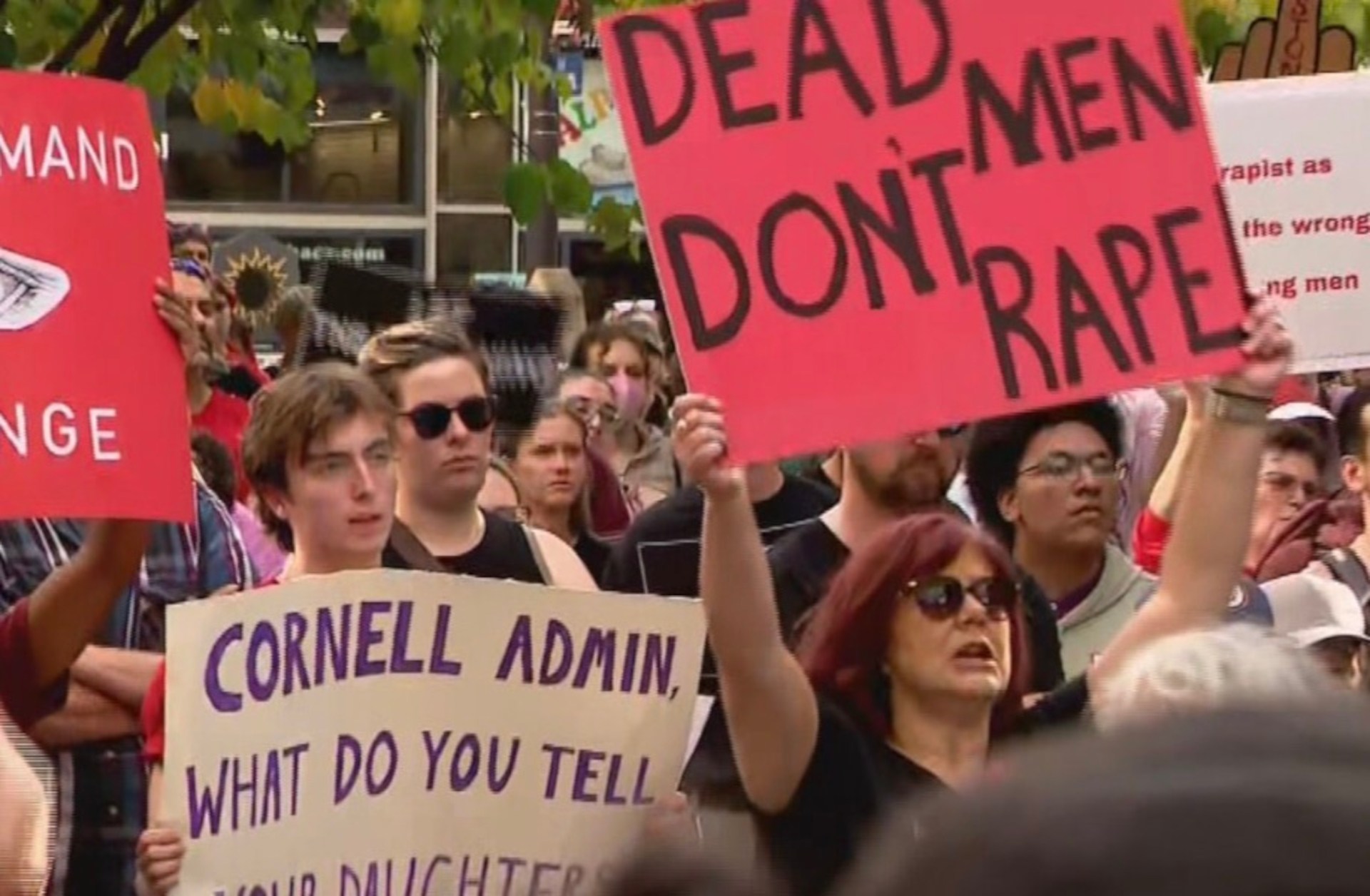
Is It Protest or Is It Entertainment?
After attending a Cornell Seven demonstration, filmmaker Sophia Dunn-Walker shares some strong feelings on protest in the age of social media.
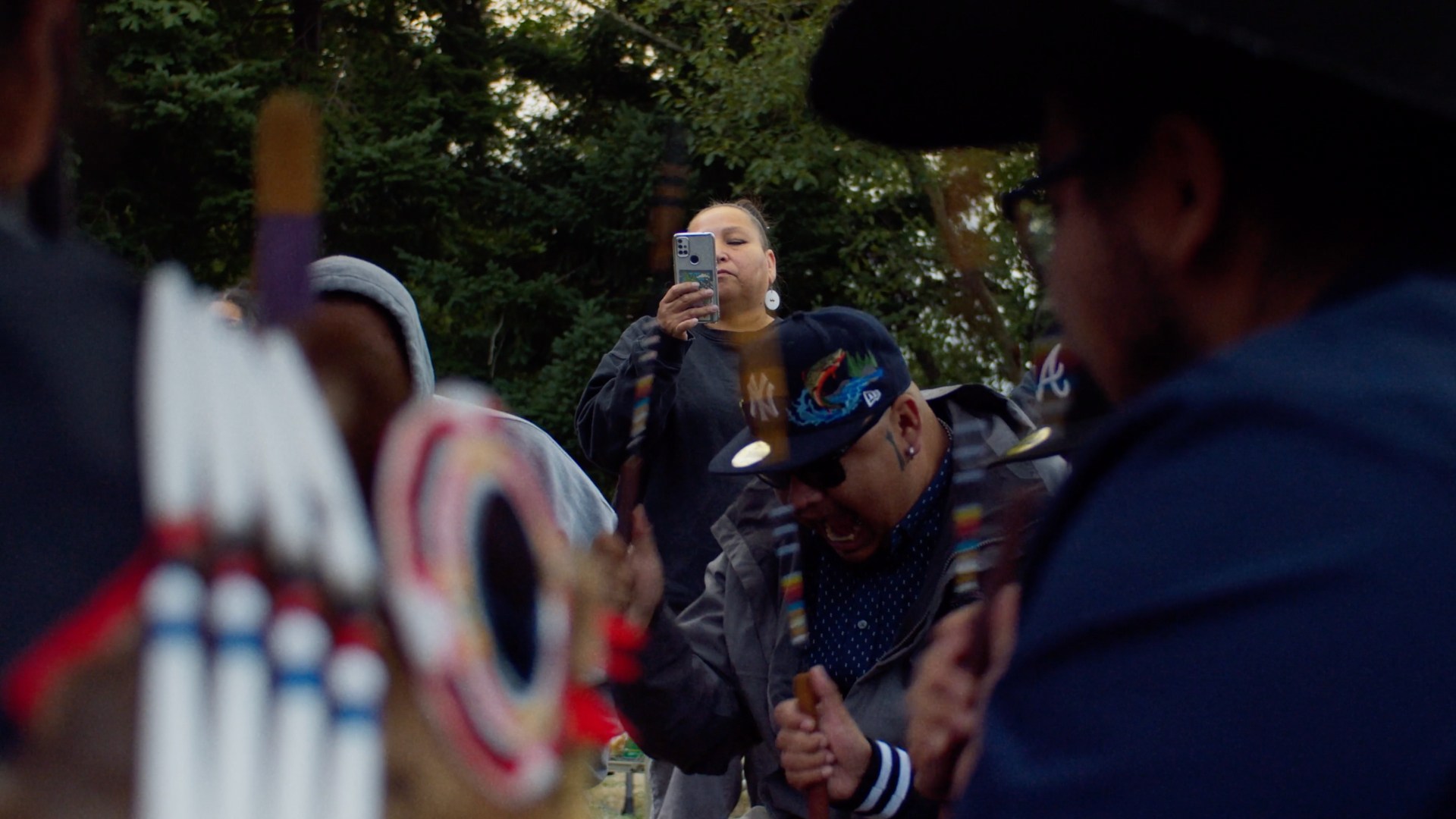
A Love Letter to Powwows
Sky Hopinka shares the backstory to making his latest film, Powwow People, which is out now in theaters.
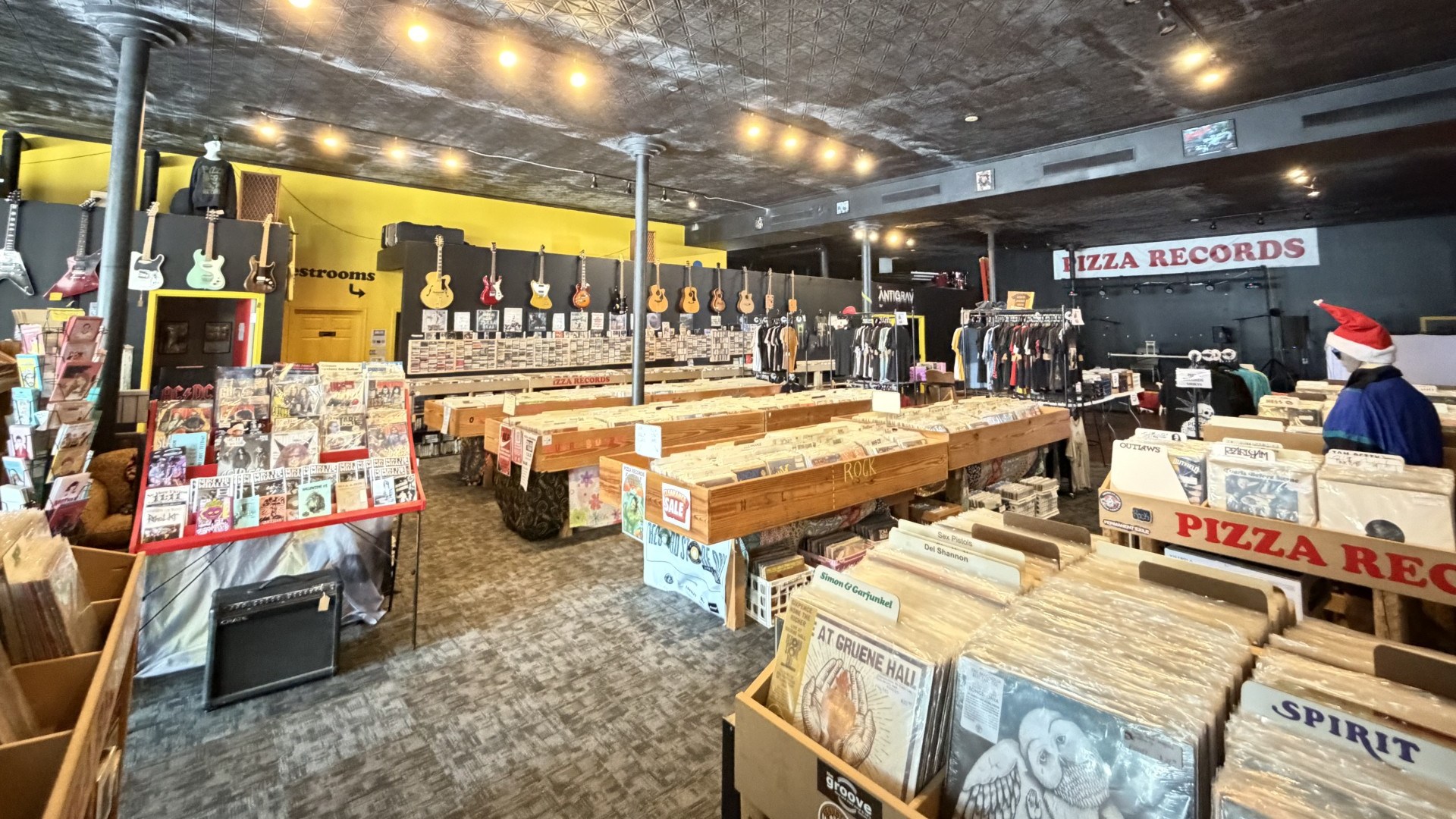
The Record Store That Accidentally Became My Film School
Holler director Devin Smock on how he found community, collaborators and inspiration at Pizza Records in Jacksonville, Illinois.
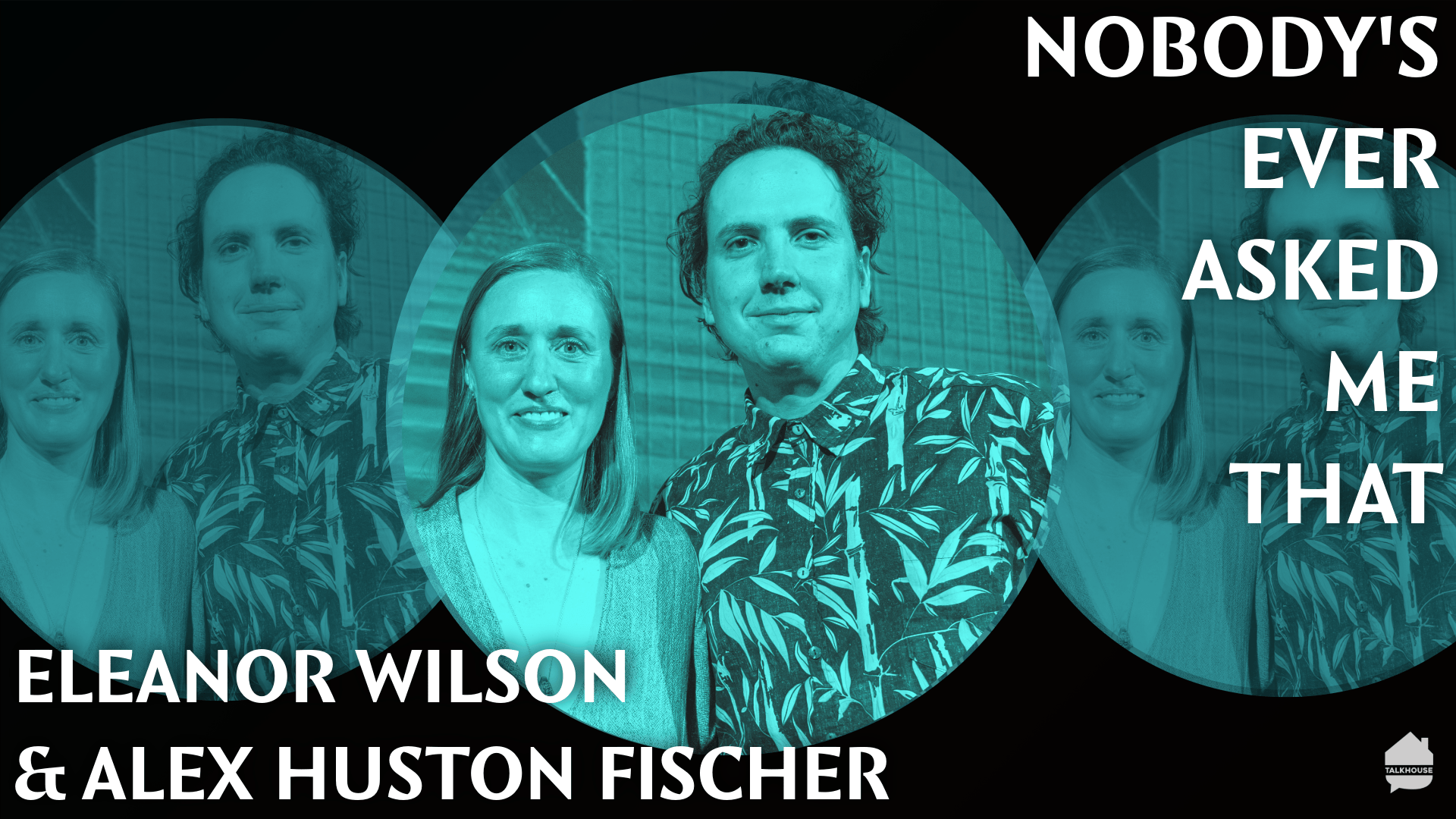
Nobody’s Ever Asked Me That: Eleanor Wilson and Alex Huston Fischer
The married writer-directors behind Sundance crowdpleaser Wicker, which hits theaters on Friday, discuss night terrors, magpies, mullets and more!
Stories of Beauty and Strength
Native actress and producer Cara Jade Myers on her deeply personal connection to her new film How We Stand, which is currently playing festivals.
Three Great Things: Garth Jennings
The director of the new concert film Pulp: What Do You Do For An Encore? on the joys of classic Lubitsch, his sons and unbridled enthusiasm.
