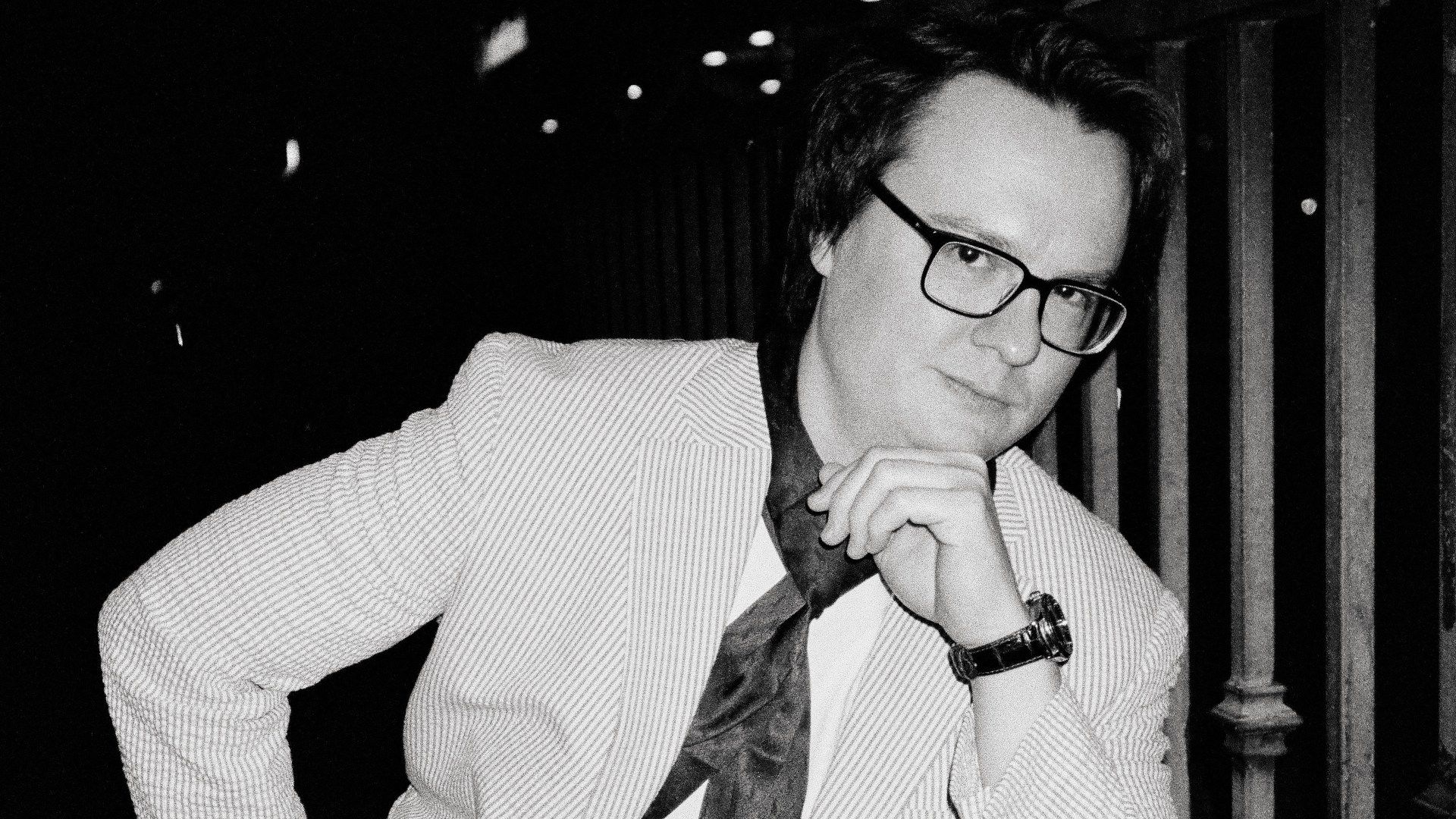
In Téchiné’s world, people exist outside of categories, simultaneously trapped inside and liberated into their own beautifully specific bodies, ideas, thoughts, desires.
Around the ages of 22 and 23, I was finding my identity as a queer person, and as a cinephile was discovering the work of André Téchiné. It was the perfect time to do so, as in the ecstatic, multi-layered narratives of this eternally undervalued French master, desire is as unpredictable as the wind, and you never know who’s going to hop into bed with whom. It was exhilarating to encounter these mysteriously complex and evocative webs, and in retrospect Téchiné's work likely made even more of an impact on me than the gay films coming out of America and Britain at the time. To this day, in my own work, I often ask myself, simply, “What would André Téchiné do?”
It was only after seeing a handful of his films from this century that the true, cumulative magnitude of Téchiné’s career achievement started to fully reveal itself to me, and I'm increasingly baffled by the lack of attention paid to this extraordinary artist. Téchiné’s films are as intricately novelistic as they are unquestionably cinematic, as dense and layered as they are brisk and lively, his camerawork as jaw-droppingly complex as it is entirely invisible, and his narrative turns as surprising as they are organic. In his movies, people are mysterious pieces made whole, alternating between confusion and determination, thought and feeling, mind and body. His is an intensely physical cinema, with little apparent room for the soul, even as his ecstatic eye turns his earthlings into dancing angels and desiring ghosts.
My entry point into André Téchiné’s work was via his richest period, the 1990s. I was led there by the writings of Jonathan Rosenbaum and Armond White, the two critics most responsible for my early 21st-century (and early twentysomething) deep dive into Téchiné’s work (and my international cinephilia in general). I first saw Thieves, followed by My Favorite Season, and only then, Wild Reeds. Taken together, these three masterpieces alone would constitute a complete and magnificent body (bodies, a recurring theme here) of work. Thieves, especially, which I consider one of the best films ever made, shocked me with its interplay of time fragmentation, humanism, genre mashing, narrative depth and breathless pacing. I couldn’t believe one movie could be so complicated, so smart, so inexhaustible, so sexy. What a charge to discover that a work could be both cerebral and visceral, a perfect sculpture cut from rock. At its core could be found a mysterious and throbbing sexual energy, a force, indeed, at the center of all of his work; an internal, unconscious impulse connecting – or not connecting – body to body. While the characters often trapped themselves into cages of their own making, it was the possibility that was downright liberating, especially to someone coming from the cleanly binary world of American religion.
There are those who feel Téchiné has been in decline in the 21st century, but witnessing him carve his novelistic impulse down to its rawer, handheld essence in films as varied as Changing Times, The Witnesses and The Girl on the Train has been to watch a senior artist push through to the other side and find a new, exhilarating freshness. In no film is this more apparent than in Being 17, his latest, one of the most underrated and underseen of 2016. More than even the narratively expansive The Witnesses, it's here the Téchiné of the '90s meets the Téchiné of now, resulting in a kind of Wild Reeds for 2016. It is equally great.
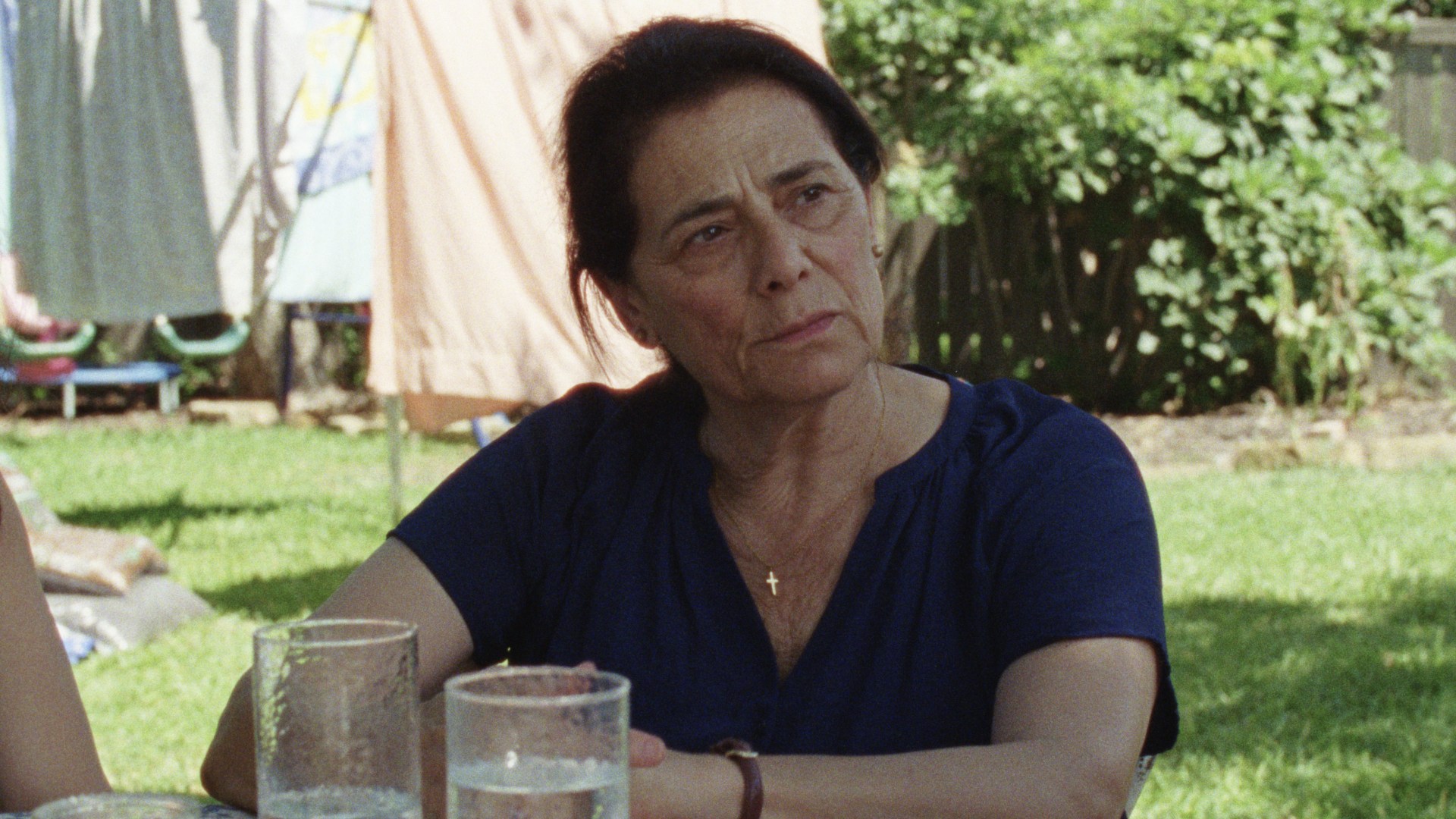
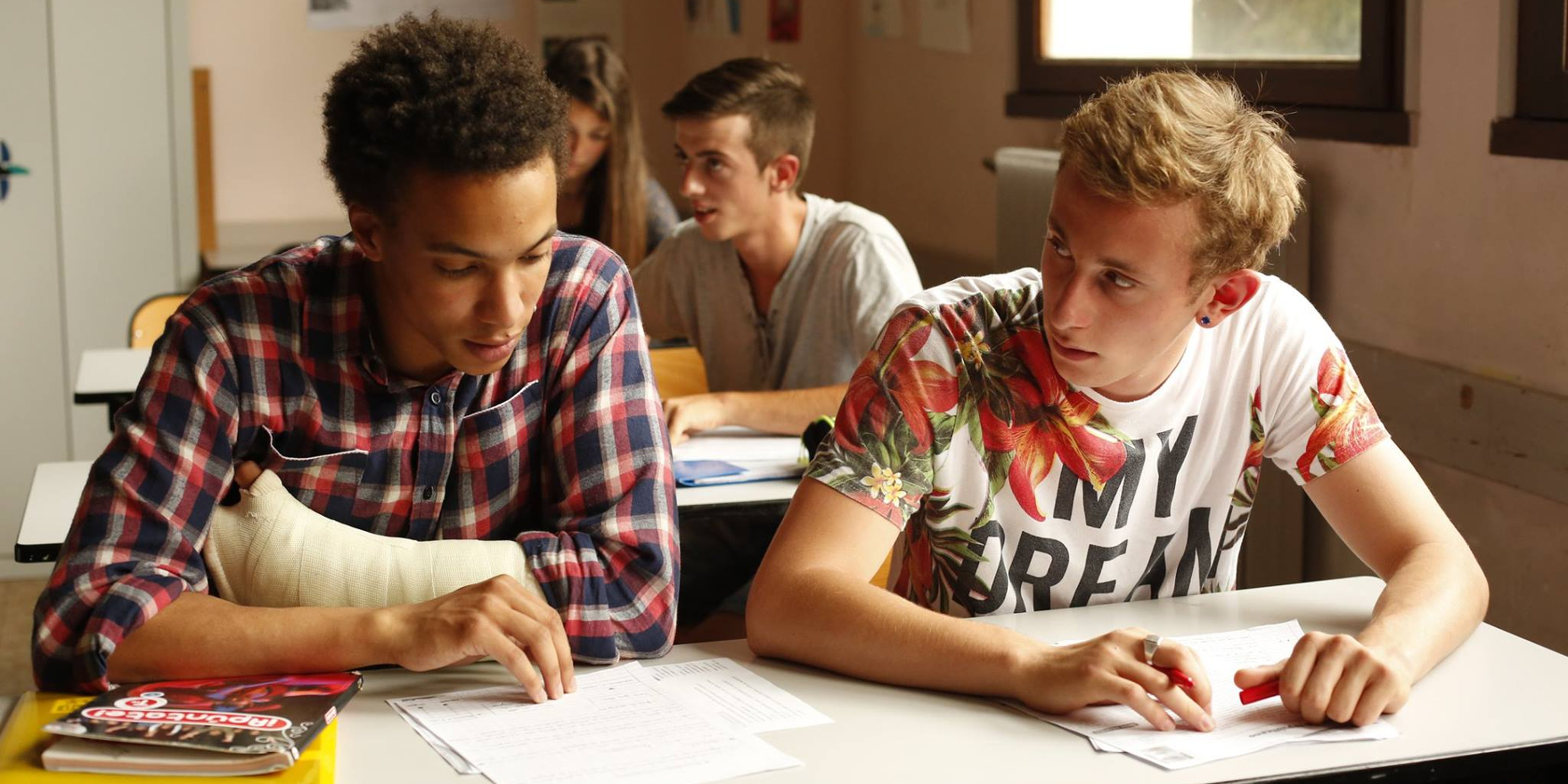
Set in the Pyrenees mountains in the south of France, Being 17 chronicles the relationship between the awkward, queer Damien (Kacey Mottet Klein, one of the performances of the year) and the mixed-race, masculine Thomas (Corentin Fila), two high-school students locked, at least partially, within societal expectations of how young men should behave. Both are also enduring parental challenges: Damien lives with his vibrant mother, Marianne (Sandrine Kiberlain), the town doctor whose military husband is away on deployment, and Thomas, adopted by farmers, is struggling to care for his sick and pregnant mother, Christine (Mama Prassinos). Against this narrative backdrop, Thomas’ at-school bullying of Damien is simply a catalyst for a further, tremendously moving physical and emotional exploration between the two boys.
A version of this movie directed by someone other than Téchiné would likely involve loads of sentiment, superficially tracking an effeminate young man and his hyper-masculine counterpart, their emphatic clashes building to a treacly, overdramatic resolution which brings the two together. How Téchiné navigates this rocky terrain is fascinating, the film as a whole exemplifying what makes him great. On paper, the setup and clashes within the narrative do flirt with cliché, but as handled by Téchiné and co-writer Céline Sciamma, every moment holds within it a specificity that prevents it from feeling hackneyed. Further, the deeply evocative location places the viewer viscerally inside their physical space. And in one of Téchiné and Sciamma’s most impressive and nuanced decisions, the story expands to provide us novelistic glimpses into the family lives of the boys. Again, where a lesser film might have attributed the main characters’ aggression to more stereotypical oppressive domestic environments, the parents one-dimensional and sidelined, in Being 17 the warm yet complicated family portraits provide the radiating light that guides the boys toward reconciliation. By its ecstatic conclusion, punctuated with fire and a kiss, Being 17 blossoms into one of the most optimistic, life-affirming films of recent years.
“I don’t know if I’m into guys or into you.” This startlingly humanist line, spoken midway through the film, gets to the heart of Téchiné’s singular contribution to cinema. It’s beyond bi- or pansexual. In Téchiné’s world, people exist outside of categories, simultaneously trapped inside and liberated into their own beautifully specific bodies, ideas, thoughts, desires. Desire. This physical empathy provides the electric and vital arc of Téchiné’s films, an antidote for and respite from confusing and complicated times.