I want to listen like a kid listens to the prattle of adults downstairs, unable to make out more than their tone...
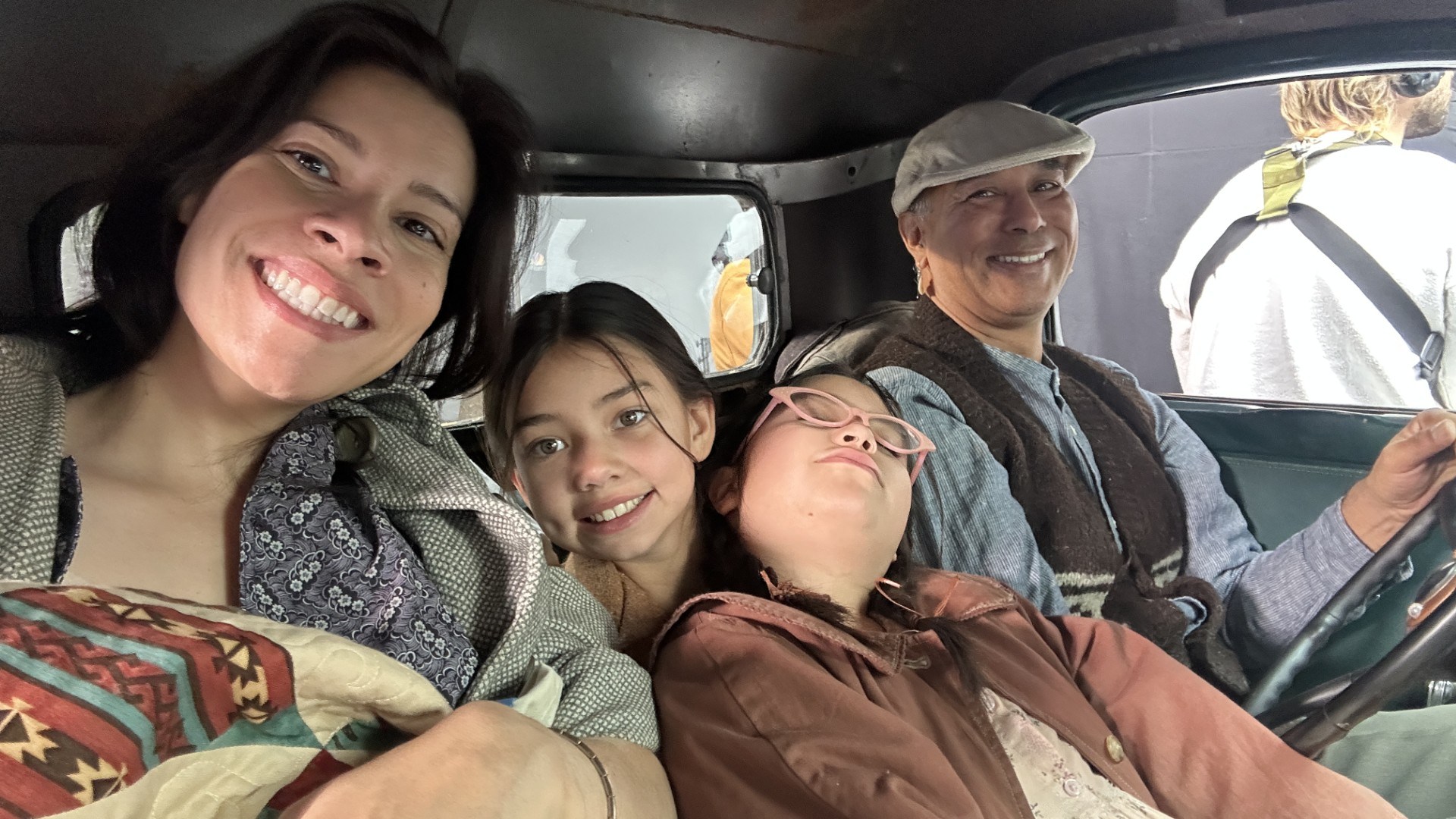
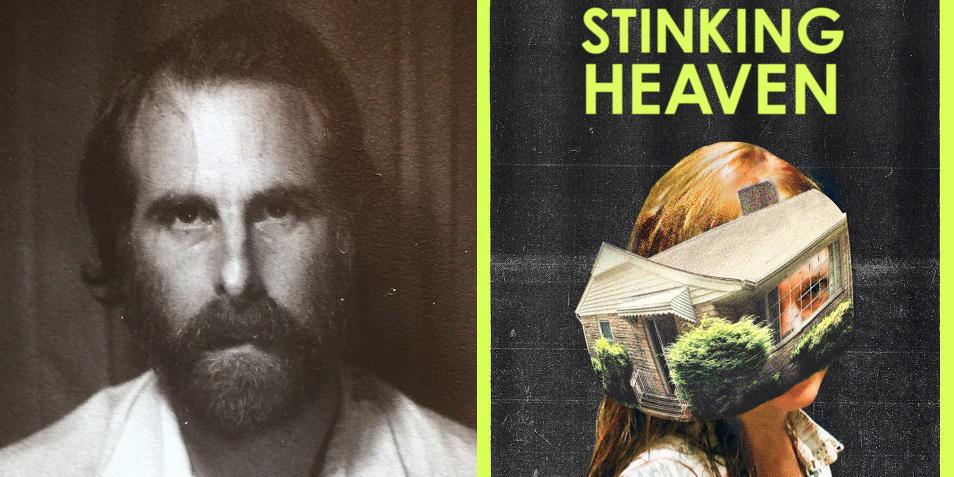
“Married couple Jim and Lucy (Keith Poulson, Deragh Campbell) run a commune in the early 90's for sober living out of their suburban New Jersey home. The motley members eat, bathe and work together selling homemade "health tea" out of their van. Although there's constant bickering and plenty of fires to be put out, Jim and Lucy have managed to establish a haven for these outcasts. But the harmony is interrupted when Ann (Hannah Gross), a recovering addict and the ex-lover of one housemate, arrives. Ann's insidious presence sends the members spiraling out of control, resulting in paranoia, drug relapse and eventually death.”
It always disturbs me when movies strive for that clarity (typically through dialogue and narrative) that is inaccessible to me everywhere else. It feels crude and condescending and makes me look for an equivalent — one that I can never find except in falseness — in the messy day.
A Woman Under the Influence by John Cassavetes changed the way I believed narrative cinema could be made. The film was fragile and temperamental and relentless, both formally and narratively. How should I read it? What is it saying? Where is the message? It felt not only unburdened by the typical weight of those questions but also as though it existed prior to them, an event like other events on this side of the fiction, not simply an exercise in manifestation. It operated by rules that felt very similar to the rules of engagement in life, more particularly of social orders collapsing as they inevitably do. There is more than a grain of that essential disorder in Nathan Silver’s Stinking Heaven.
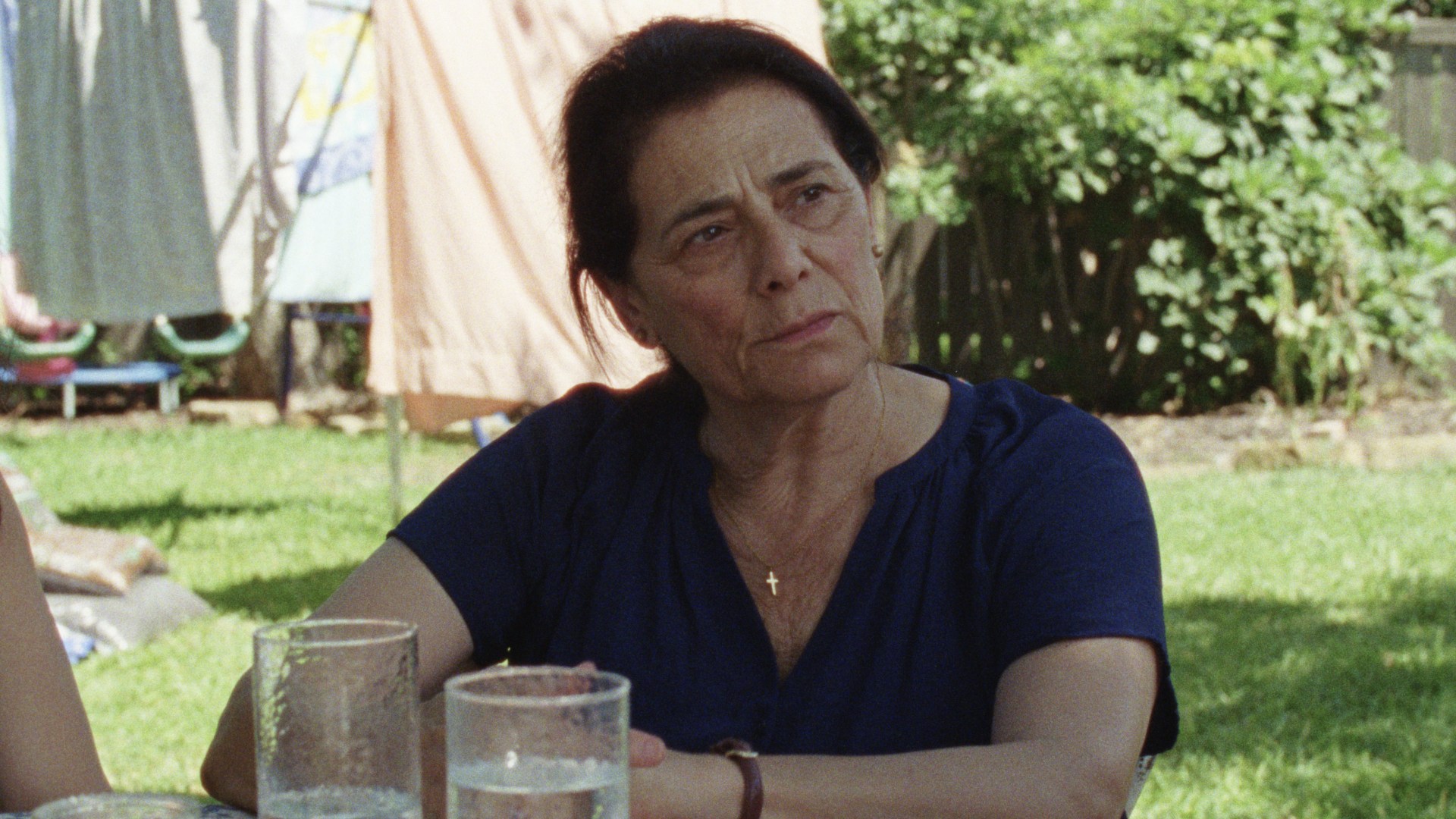
Laden with an organic, low-contrast color, tilting toward magenta with soft green fringing on overblown highlights, Stinking Heaven was shot on an Ikegami HL-79E, a 1980s broadcast camera. Texturally, it has the humility of home movies but without the sense of narrative appropriation. The camera’s native aspect ratio is 1.33:1, which translates to the standard 4:3 television aspect ratio of the era. Although a brief contemporary trend in independent cinema, the effect here feels uncontrived. It seats the mood of the film in an adjacent generational restlessness, that of soft post-seventies comfort and frail familial order superimposed onto the 1990s suburban New Jersey of the story. That formal mechanism creates something of a buffer from the messy realism, and that buffer, that dissonance, makes the movie function and is reiterated in the layers of its performances and their fluctuating believability.
The occupants of the home, a cultish sober-living collective, perform reenactments: psychotherapeutic exercises in recreating their problematic pasts. The film flirts in a devious and important way with our larger belief in cinema as a recreation of something, as a recording of or reference to a thing happened or one imagined (as opposed to a formal experience that is created and dies in its viewing). But it is the realism of the chaos of the interactions, using incidental dialogue and oblique, environmental sequences, which provides Stinking Heaven with a space we can occupy between the false and the real — much of what a recorded, constructed, fictional narrative actually is. That is where its honesty is found — in opposition to the conceit of honesty common to the typical, earnest performance couched in a fantasy increasingly indistinguishable from the ordinary. The film feels arbitrary and unconstructed one minute, then bends itself to an intentional falseness (the recreations) past where the spell of believability breaks. It is between those two extremes, the truth and the lie, that experience is found and perception lives and so the film feels alive (and, at times, dangerous because of it).
Most memories are made only of snapshots, little more than a sense of the thing. I have an aversion to narrative. I want to listen like a kid listens to the prattle of adults downstairs, unable to make out more than their tone, on edge for that out-of-place rise in the pattern of the humdrum that signals wrath. When it’s not found or after it has passed, I am comforted in a way the clarity of their words could never comfort me. The act of living, the act of memory…neither plays by the rules of clarity. There are moments in Stinking Heaven when we become uncertain whether the characters are recreating, or acting (a triumph of the film). It is that flirtation with the false that makes the experience real, more than a replication of experience. All the while, the movie peddles replicas in its content, and frames lives as the reckless improvisations that they are. The camera is restless and searching the entire time, studying the thin veneer of progressivism. It is equal parts horror and intentionally flawed family portraiture. Then it dips into a sweet, cultish madness, a circling babble of voices, faking order and health because the act is all that is left.