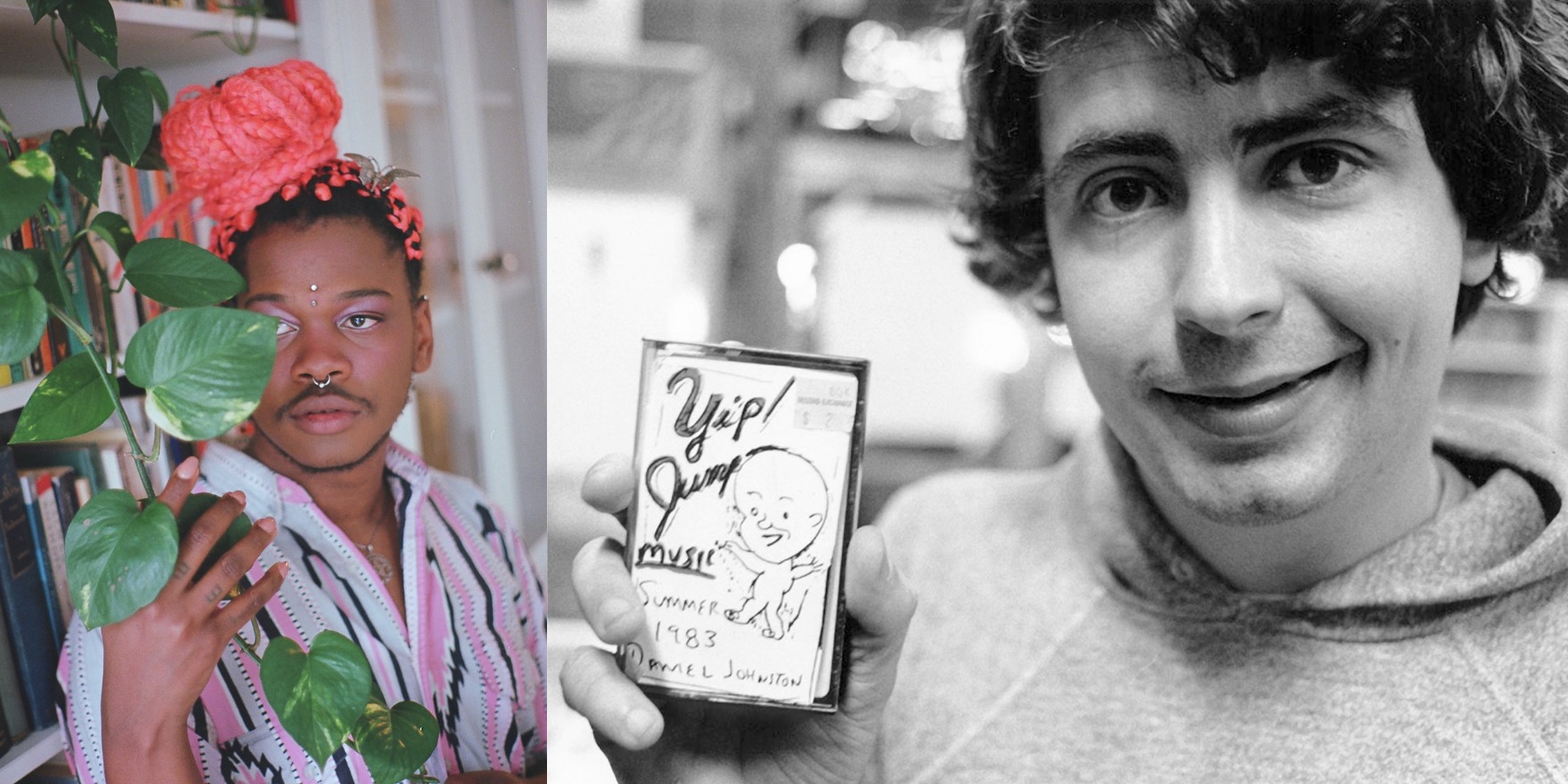
I’m not sure music made much sense to me before Daniel Johnston.
I don't really remember when I first discovered him; if I had to guess, it was sometime around middle school. I like to call this point of my life my musical renaissance. Sixth grade was the year I convinced my mom to subscribe to this new thing called Rhapsody, aka basically the only streaming site at the time (this is pre-Spotify, can you believe?). I’d go down musical rabbit holes and listen to every recommended artist on the pages of the artists who I was already obsessed with. I assume this is how I came across Daniel Johnston, which is weird to think about, because I’m not sure an artist like Daniel would have been successful had he debuted in the digital streaming age.
I think I was exhausted by overproduced music early on. I think in a subconscious, too-young-to-explain-my-taste kind of way, I realized production can muddy lyrical and emotional intention. This was made even more apparent to me once I started to visit local studios and saw how it was nearly impossible to translate the bedroom sincerity of my songs at the time — something I still struggle with, as only two of my five “studio” albums were recorded in an actual studio. I’m sure the first time I heard Daniel Johnston, I felt seen. The lofi bedroom recording, the high pitched androgynus yelp, dissonant chords: He was doing all the things that I wanted to do, but mainstream music was telling me I shouldn't. He was a revelation and a beacon of hope, and continues to be that for me to this day.
Johnston’s death feels symbolic to me. Bedroom pop is seen as an aesthetic now-a-days, when its beginnings were bred from necessity. More so now than ever, the legacy of Daniel Johnston must live on. I don't want to live in a world where potentially one of the best artists of our generation could feel discouraged because of a lack of resources or mental health issues. Where can introverted and mentally ill artists have their art taken seriously without the need to compromise their own comfort in a studio because of the technical recording skills they lack? When will we ever stan another artist that only needed a field recorder, an organ, and a guitar to pull at your heart strings? What Spotify playlist would that even fit into?