I think it does mean something to call yourself a “New York artist;” I think when you’re based in New York, the way that you relate to music is kind of in a specific rhythm, even if the music you make doesn’t literally reflect the rhythm of the city. When I was in Western Mass, it was really, really easy to write songs, because there was so much space. So you could fill in whatever it was you were thinking about for the song easily, because there was space for you to fill. But in New York, everyone is trying to figure out their own space and kind of living on top of each other. So being a New York artist relates to how you carve out space for yourself in a place that’s already densely saturated — specifically with people that usually do what you do also.
I absolutely feel like my music is at home in New York. But a big thing about New York is: increasingly few of the “New York artists” I know are actually from here, both in the sense that we displaced a lot of people years ago, and also how many people that grew up here don’t even feel like the New York that they grew up in exists anymore. So insofar as New York is a construction that people outside of it talk about in certain tones, I feel like major cities, like New York, are understood as abstractions — and very specific abstractions by the people who live here. The music that I make is pretty abstract, and because what I make is coming from the point of view of trying to understand those abstractions within the music I live here, I think that’s pretty New York-ish.
The thing I love about being an artist who lives in New York is how its aesthetic feels really straightforward even if it’s hard to understand. The city’s an abstraction, but the way to get around that is to be like, “You go here!” Or, “I do this!” Rather than like, “It could be that… I don’t know…” There’s a dreaminess to places that aren’t so densely packed. But the dreaminess works someplace else here. Maybe it goes more internal for me.
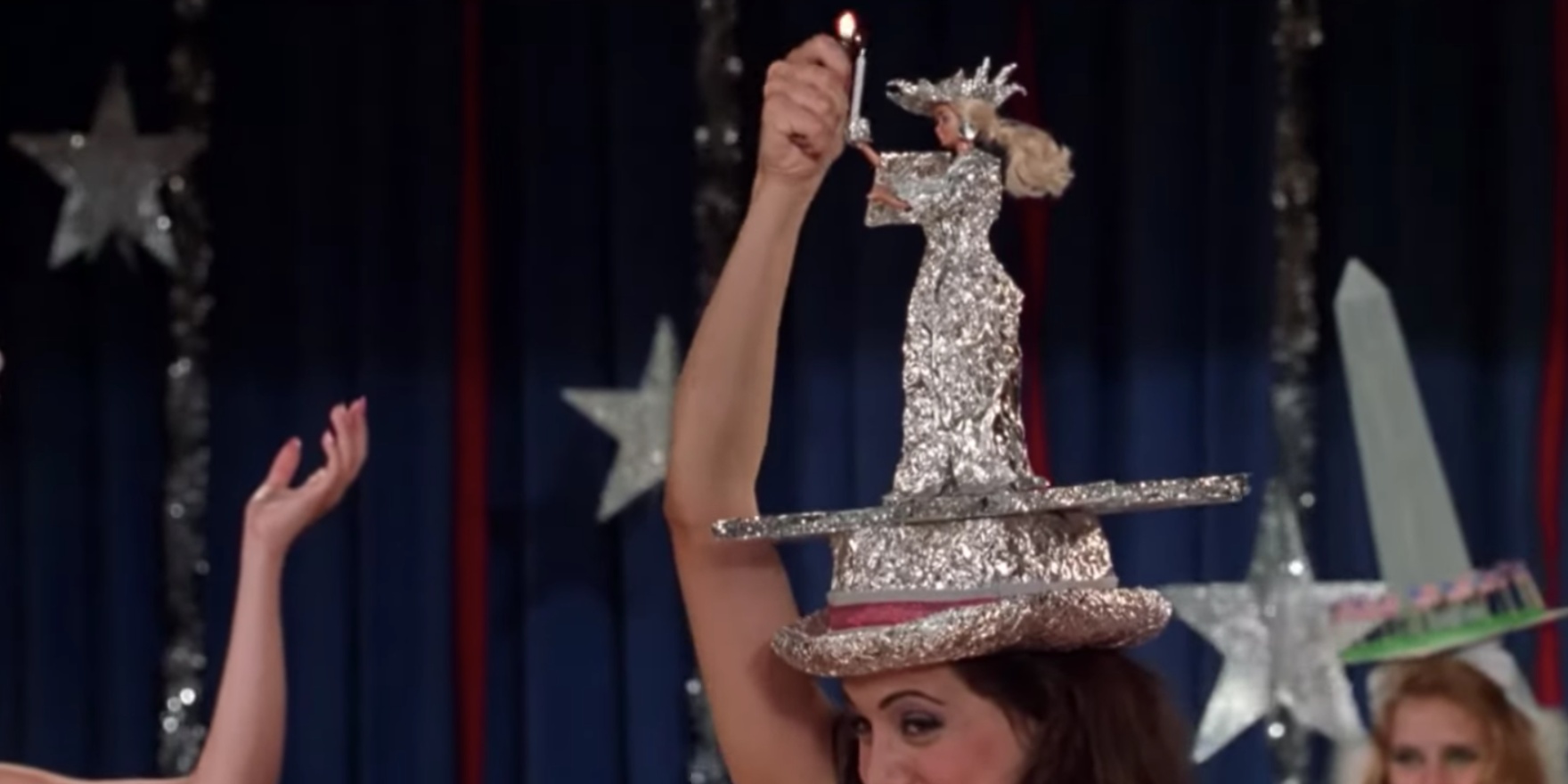
If you’ve ever seen Drop Dead Gorgeous, Brittany Murphy’s character — her desire does a really funny thing to New York where it turns it into, like, a gift shop. It’s a little tragic, but also, if you don’t live here, it’s completely understandable to think about the city that way. Because an understanding of how New York works is basically impossible if you’re only here for a day. It’s a little forbidding, because it’s like — what are you gonna do, buy stuff? Whereas my New York is not buying stuff. My New York is, Why is that guy singing over there and why does it sound so good? Or like, Where did my favorite bodega go? The romance of the city is very specific: to want New York to be something is kind of what she’s doing, which is normal and beautiful. But then once you actually love something, you can’t really conceive of it like an object like that. It breathes, you know?
I think the romance is the fact that you can’t understand all of it; you can’t walk all of it in a day; the cultural legacy of New York is gigantic and almost unthinkable. As soon as you say one definitive thing about it, you can become aware of every way that what you just thought was wrong.
As told to Annie Fell.