The Angulo brothers give us the sense that if you’re not in awe, you are not paying attention.
I'll cut to the chase and say I think you should see The Wolfpack. Actually, go to the theater and order some popcorn and see this film. I don’t much believe in reviews in the quantitative sense, but more the dialogue that ensues after seeing any particular movie – something that seems rarer and rarer in the over-determined age of Rotten Tomatoes. The only reason I bring that up is that this film speaks to the power of cinema itself, imagination, and art imitating life and life imitating it back.
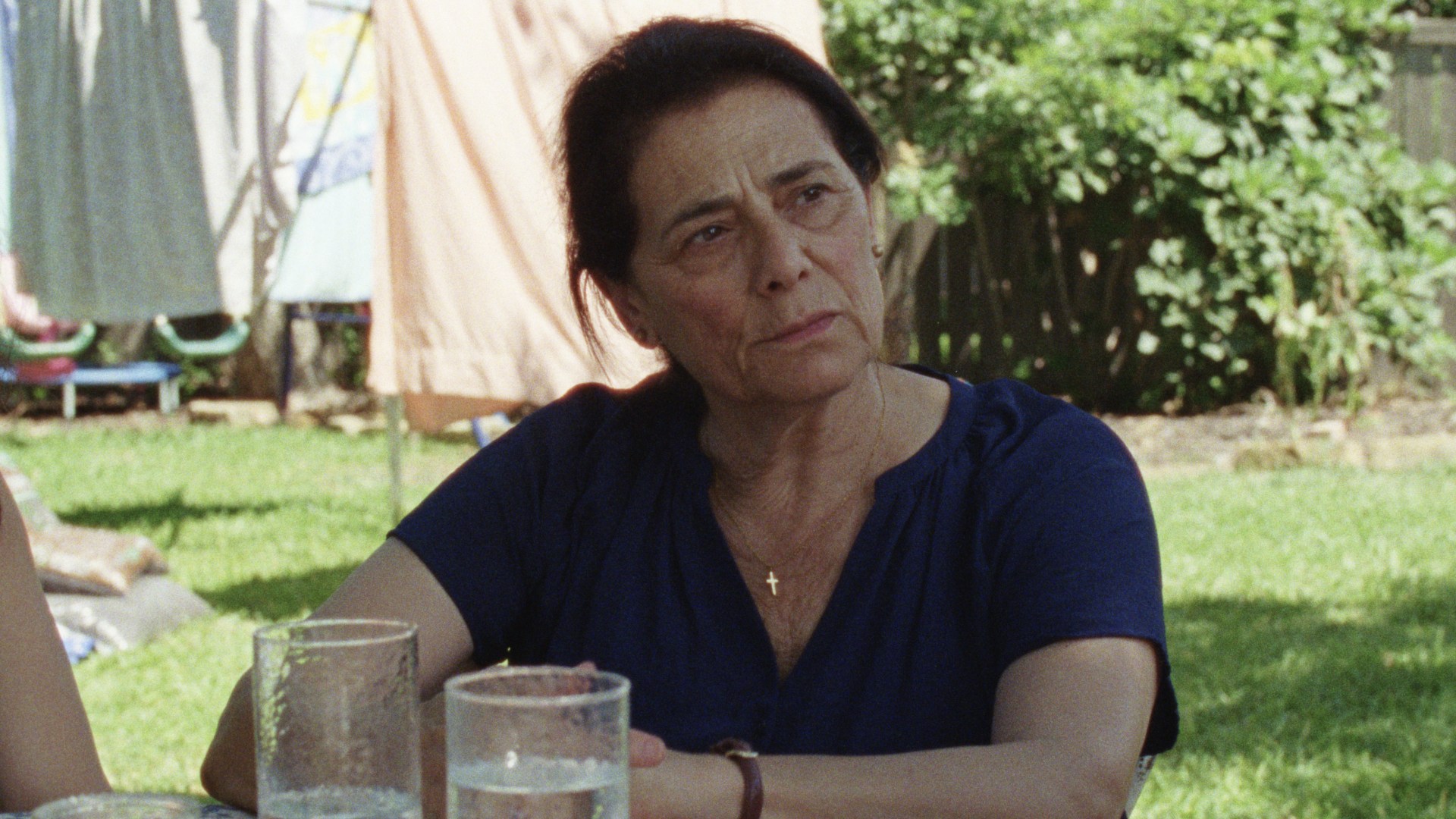
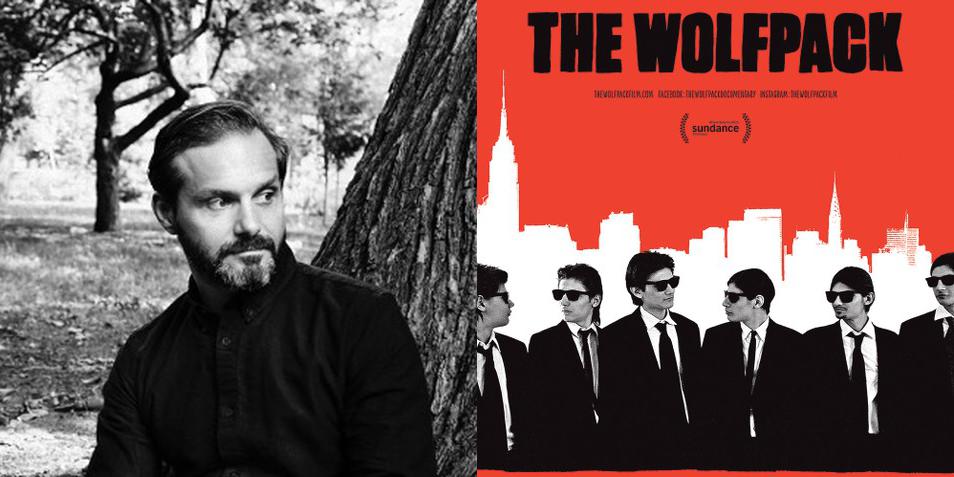
Director Crystal Moselle has found a fascinating group of subjects for her documentary; along with the editor, Enat Sidi, she has constructed a beautiful, sensitive film that explores all sorts of questions about context, where we come from, how we grow up, and the source of creativity in general. The filmmakers don’t force-feed us information, but allow us to watch, search and observe its subjects, the Angulo family, living their specific lives in their specific context. The viewer participates in piecing together their past, how they came to be in their strange situation, and ultimately how they broke free from it.
The Angulo brothers – Bhagavan, twins Govinda and Narayana, Mukunda, Krisna and Jagadesh – were essentially closed off from society in an apartment on the Lower East Side of Manhattan by their father’s form of idealism, which was born out of the family’s economic circumstance and what seems to be his fear and mistrust of the world in general. He and his wife had bigger ideas and expectations, but things didn’t pan out, and they ended up, in effect, in a bunker, cut off from society aside from their fragmented view of New York City. Fear seemed to be an operative theme – fear of life, fear of love, fear of change perpetuated by their father, which could either be seen as protectiveness gone awry or an extreme form of control. The brothers, who most of the year – sometimes the whole year – were not allowed to leave the apartment (and never unsupervised or without their father unlocking the door), learned about the outside world through the movies that they watched. Tarantino seemed to be a big influence, particularly on their personal style, but their collection of films numbered in the thousands – they even had their own Top 25 lists. The brothers spend their childhood re-enacting their favorite films using intricate homemade props and costumes made from such material as cereal boxes. They have no friends aside from each other, and no internet; they seem to live on welfare, and are homeschooled by their mother. They feed their imaginations with film, which provides an escape from their isolation and loneliness. One day, one of the brothers sneaks out, and the power dynamic in the house is upended by that one choice as simply as it was created by their father’s choice to isolate them so many years ago. The boys now have to figure how to integrate into the outside world without losing each other and the bonds they have created.
What Moselle has done here is quite a feat – she has made a film about how movies liberated the brothers’ imaginations, while the film itself simultaneously liberates them from their isolation. Through her integration and interaction with them, she gives them a place to speak and express themselves apart from their familial context. She doesn’t need to search, she simply observes and sits back, letting the brothers be themselves. And these brothers are special in terms of what’s presented on screen – they are bright and can make something out of nothing; they are pure filmmakers, some of the most independent you might ever see. Having grown up completely isolated, they are articulate, sensitive, full of love, and generous in spirit. They created their own world out of necessity, and movies were their companions, a medium through which they learned to imitate the life they couldn’t live outside.
It’s beautiful to watch them in awe of things that many take for granted, such as going to the movie theater, the scale of a tree in a New York City park, or the taste of an apple. The Angulo brothers give us the sense that if you’re not in awe, you are not paying attention. It says something about the world we live in, one that has retreated inside with the ease of the internet. Our social lives are digital, our groceries can come from an app, our movies are seen more often at home or on a computer screen, and these are considered luxuries. The Wolfpack reminds us that the luxuries are outside – tasting that apple in that orchard, walking through the park, going to the movie in the theater. Outside is where life is, at least much more of it. The human spirit is a curious thing – what destroys some, bounces off others. These brothers have used their curious upbringing and their creativity to liberate themselves from the fear imposed on them, and it’s a testament to vitality. Movies were the vehicle.