But more than anything, this book allows you to clarify the mystery of the Grateful Dead: what went right, what went wrong and why.
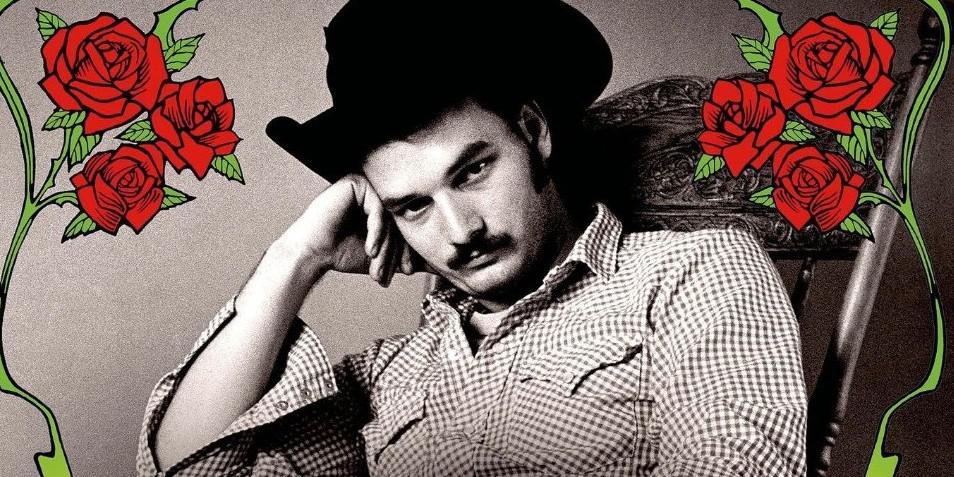
Bill Kreutzmann, one of the band’s two drummers, is the least recognizable member of the Grateful Dead — especially after 1975’s Blues for Allah, at which point fellow drummer Mickey Hart’s giant personality and omnivorous percussion appetites started to build and eclipse Kreutzmann’s presence. The other members of the band are perhaps more distinguished — bassist Phil Lesh studied with Stockhausen, the accursed keyboard seat featured standouts like Keith Godchaux and Ron “Pigpen” McKernan, and singer-guitarist Bob Weir wrote some keepers. And then there’s late singer-guitarist Jerry Garcia — Jerry is the Grateful Dead, and he’s the only reason many of us are there, if we’re going to be brutally honest with ourselves. But Bill Kreutzmann? I have always admired his drumming — especially during the comparatively brief period in the early ’70s when he was the only drummer in the band. Still, I never had a sense of who he was as a person, or even as a musician, in a philosophical sense.
Deal: My Three Decades of Drumming, Dreams, and Drugs with the Grateful Dead is a good book. It’s not a great book and it’s not a bad book. On the whole, it’s well constructed and well edited, and it’s honest, it’s revealing and at times it’s even moving. But this is a book for Deadheads, the converted and the curious. It covers a lot of the stages of the Dead’s career — we get nice details from all their early California headquarters, their early records, those early shows, when they fired Mickey Hart the first time, when Mickey came back to the band, their trip to Egypt in 1978 and so on. It focusses an even amount of energy on all eras of the band, so we get a lot of ’80s and ’90s info which is lacking in other books because, frankly, the music from those periods is… challenged, shall we say. (For instance, check out this incredible music video for 1987’s “Hell in a Bucket.”) I really can’t remember reading any opinion or even a comment by Kreutzmann about much of this at all. So that itself is amazing.
Kreutzmann was there from the beginning — in fact, he claims that he was the original Deadhead! There’s a great passage in which he talks about seeing Jerry play banjo for the first time:
It was an amazing night. He had the whole place totally under his spell. I sat right in front of him spellbound. Right then, I became the first Deadhead because I said, ‘I’m going to follow this guy forever.’ I really did say that to myself, and I’d never said that about anything or anybody before.
I think those of us who are touched can relate.
A lot of Kreutzmann’s opinions about the Dead and their music are surprisingly frank. For him, the band is all about Jerry’s songs and Robert Hunter’s lyrics. He says outright that he felt that some of Bob Weir’s songs kind of trudged along. He thought “Lost Sailor” was kinda stupid, and that the cowboy songs were silly but fun to play; he didn’t really think that singer Donna Godchaux ever fit into the band; he thought keyboardist Vince Welnick (who played with the band for the first half of the ’90s) was mediocre; he was outraged when Mickey Hart came back to the band… on and on. In a way, he’s kind of like your average Deadhead — I bet a lot of people who love the Dead might agree with many of these assessments.
There are some odd tics, like whenever he mentions that someone has died it’s followed by “darn it.” But maybe if you knew Kreutzmann you’d be laughing, because maybe he talks just like this.
We get a sense that even though the Dead protected the stage from the insanity of their business and all the money that was pouring in, they did not protect the stage from drugs. And increasingly, the peaks, those beautiful moments in the band that we’re always seeking, started fading out. During the final years of the band they weren’t even talking to each other! They would finish a tour and not even say goodbye to each other. You can hear this in the music.
But more than anything, this book allows you to clarify the mystery of the Grateful Dead: what went right, what went wrong and why. Hearing Kreutzmann’s voice is a surprise and a pleasure — not unlike some of those shows the Dead played in the ’60s and ’70s.