There are times when I try to decide what I consider to be the first concert I ever attended. I have vague memories of seeing Sharon, Lois & Bram as a toddler. Then there was the night my dad took us to see James Brown on what would be his final Canadian tour. Late Canadian R&B act Jacksoul opened for him, so I guess that makes it a legendary evening. I wouldn’t have known—I was in fifth grade and I thought MxPx was the coolest band in the world.
The one show that I still consider to be my first was at the Elora Legion Hall. It was the final show of our high school’s “biggest” ska band, and the kids came out in droves. I was a 13-year-old ninth grader and I didn’t know anyone because, from grades four through eight, I was bussed to a different school. Apparently, I was considered gifted.
Knowing very few people, there was no question about starting a band once I entered high school. It was imperative that once you learned to play an instrument, you found somebody else and started making something. It was as if on our first day of school, we were all handed pamphlets that said: “Start a band, write some songs, and start playing shows.”
Once I found a few others and the first two steps were taken care of, we had to figure out where we could play. This would usually mean a community center, a Legion Hall or the house of anyone whose parents were out of town. Once a venue was figured out, finding other bands would lead to some interesting bills. The Sonic Youth-style band would open up for the Protest The Hero-style band, who were on right before the kids who did Sublime covers. The irony of it all was that in a community full of country fans, there were never any country acts. The genre that you saw most consistently was, simply, metal.
Not being a metalhead myself, I was something much worse: an “indie kid.” At the time of my adolescence, even just being different in my town was considered confrontational. I liked bands like the Strokes, Kaiser Chiefs, and I was a huge Born Ruffians fan. I wore skinny jeans, a purple polyester jacket, and t-shirts that I made myself. Though I wasn’t alone in my chosen aesthetic, it wasn’t that weird for my friends and I to get random slurs (or change) thrown at us from passing trucks filled with hockey players. Their message was always clear: This place belongs to us, not you.
So, at this show at the local legion hall, in front of the crossed Canadian and British flags, I watched a bunch of 13 to 17-year-old kids mosh to a bunch of Underoath covers and skank to “Crack Rock Steady.” It was exhilarating. It was the most energy I’d ever experienced or seen at a concert before. It was kids I knew from school getting onstage and igniting a crowd to dance. It was so jubilant—beautiful, even. A bunch of kids who grew up surrounded by cornfields got to live out their punk-rock fantasies for one night. It made us feel like we had power in a place that was not our own. It’s moments like this that we like to call “sacred.”
When we learn how to write, the first thing that children are usually taught is how to write their own names. It teaches us very quickly that through creation, we are staking a claim to a space. We are carving out our identities through what we write, draw, sing or strum. In a harsh, unforgiving world, we are still able to write our names in the sand as if to say: “I was here.” In the universal sense, we know this is just a losing battle against time and space. Nature grows over the statues we build and causes the paint on our houses to peel. Knowing we cannot win the battle against death, we hammer out little victories in between. It’s as simple as learning to write your name, or if you’re ambitious, starting a metal band in Elora, Ontario.
I write this thinking about how in so many ways, I still had it easy growing up as a straight-white-cis-dude in a small town. There are countless things that I never had to deal with, but a sense of belonging wasn’t always easy to find. For a town of its size, Elora has a very supportive arts community, and is now home to a fairly respectable music festival (Riverfest.) I still carry a torch for all the metal bands that I listened to in high school. They touched on all the things that made me want to make music—it makes a community, it’s defiant, it’s cathartic, and, above all else, it’s loud. Whenever I’m back here, I think about all the kids that now walk those same halls that I did. I just hope that, right now, they’re sitting in their bedrooms writing songs, starting bands, and trying to write their names in the hopes that someone else will see them.
Godspeed.
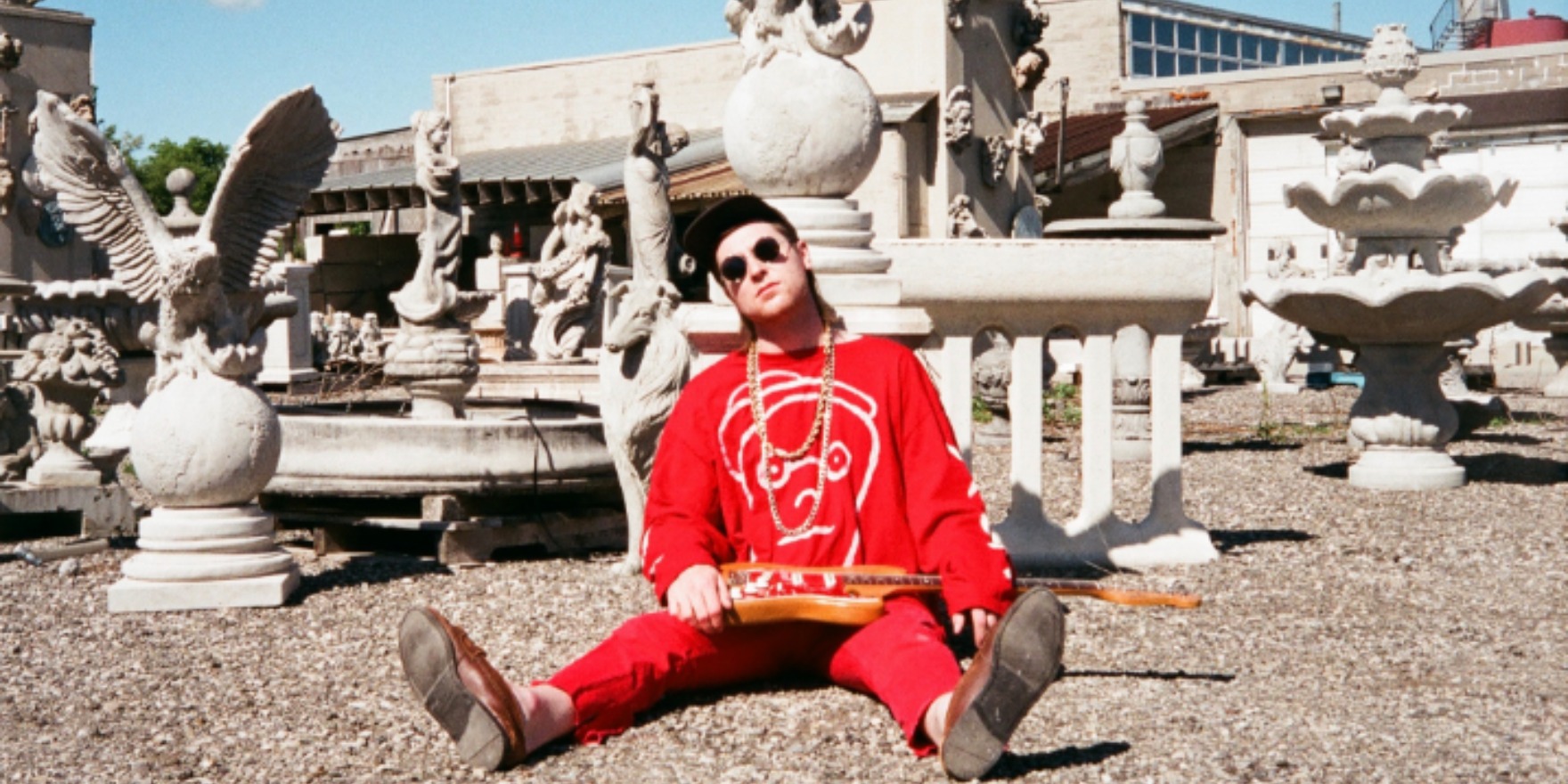
—Billy Moon
This October, you can catch Billy on the road:
10/11: Pittsburgh, PA — Spirit
10/12: Washington, DC — Slash Run
10/13: Charlottesville, VA — Twisted Tea Branch
10/15: Raleigh, NC — Slim's
10/17: Greenville, SC — Radio Room
10/19: Savannah, GA — El Rocko
10/27: Toronto, ON — Horseshoe Tavern (w/ Ezra Furman & Omni)