When I was five years old, I learned the subtle art of rubbing my genitals up against inanimate objects. I fell in love with pretty much any hard surface I was introduced to. My “Favorite Place” (as I called it) was the banister in my grandparent's home. I would just hump that thing on Easter Sunday like there was no tomorrow. Thankfully my kind, loving family never made me feel ashamed of these desires and would rather just try to distract me into stopping. Hence my ability to talk about these things and laugh at them, publicly, as an adult. Eventually I did learn that this was a private act, and somewhere along the way I also learned that it was indeed something to be ashamed of. (Thank you to the Patriarchy, Freud and the Catholic Church.) I had absolutely no indication that any other women masturbated (not in sex ed class, or on television, or in books ...), so I assumed I must be an [insert negative derogatory words used to scare women into being quiet and powerless/defenseless little baby “creatures” of desire].
Feminist studies have helped me to unlearn the compulsive shame surrounding female desire, but I've actually learned far more about how sex functions in the real world from independent, foreign, arthouse cinema. While I’ve been disappointed by most mainstream depictions, I’ve never been let down by Catherine Breillat's or Claire Denis' take on the subject (Breillat's Fat Girl and A Real Young Girl are seminal). While I (unfortunately) identify as a straight woman, I often relate more to the desires and relationships depicted in Queer Cinema. In my eyes, the films of John Cameron Mitchell and Jamie Babbit are formidable for their multi-dimensional portrayals of sexuality.
One of most challenging things to capture on screen is exactly what women think about when they masturbate. Most depictions have no idea how to show this because they 1) don't care to, and 2) it's nuanced. I've heard women talk about masturbating to the thoughts of how many office supplies they own, to rape fantasies (both giving and receiving), and to just general moods. Women often have the most contradictory desires. My favorite part in Claire Denis' Let the Sunshine In is when Juliette Binoche's character, Isabelle, confides to a friend that there’s only one way the married banker Vincent (Xavier Beauvois) could make her orgasm: “I’d think, ‘He’s a bastard,’ and I’d cum. Or I imagined him with a whore. Or with his wife. So ugly with her lifeless face, a real cadaver. Him fucking her out of pity made me cum.”
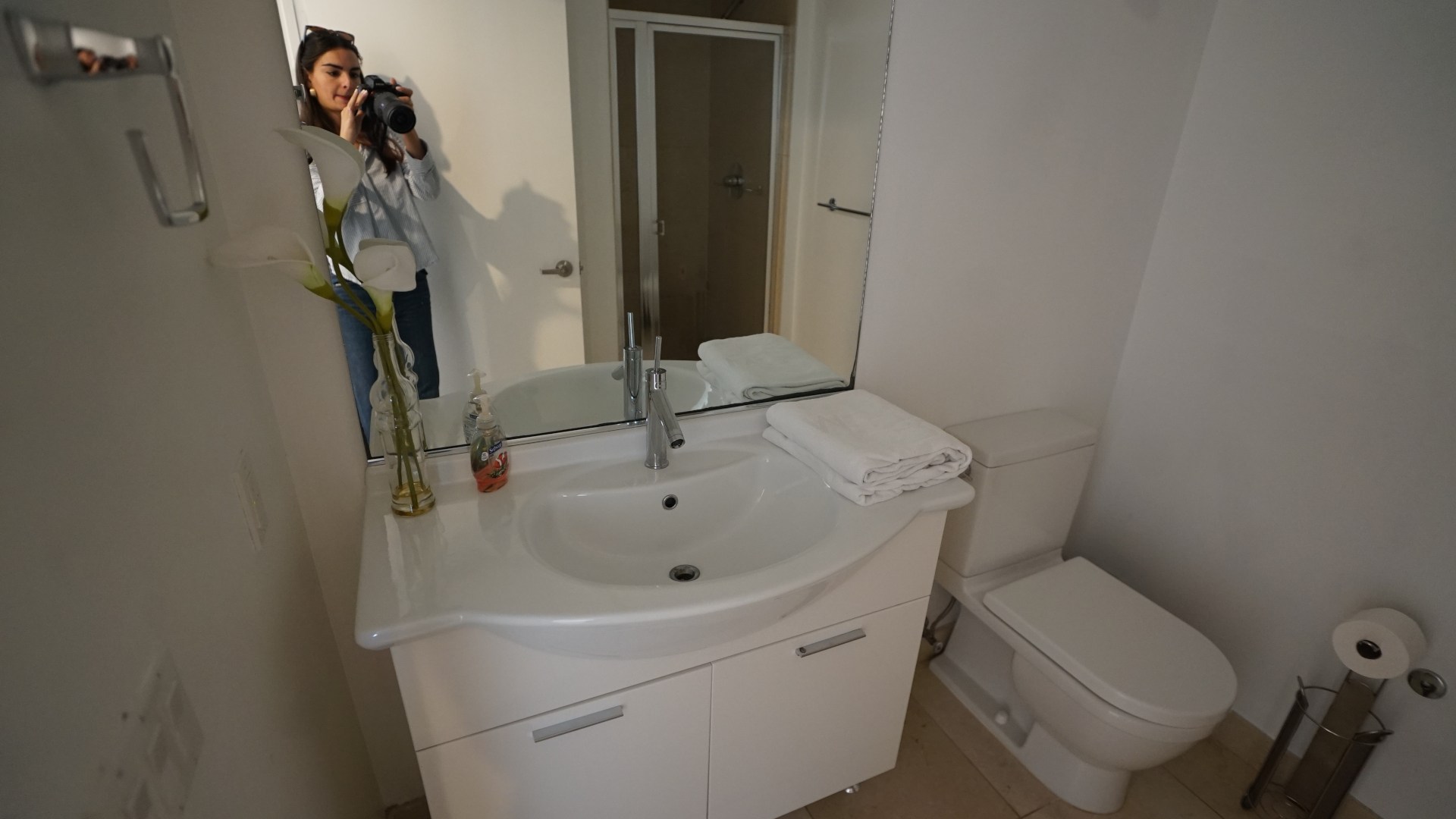
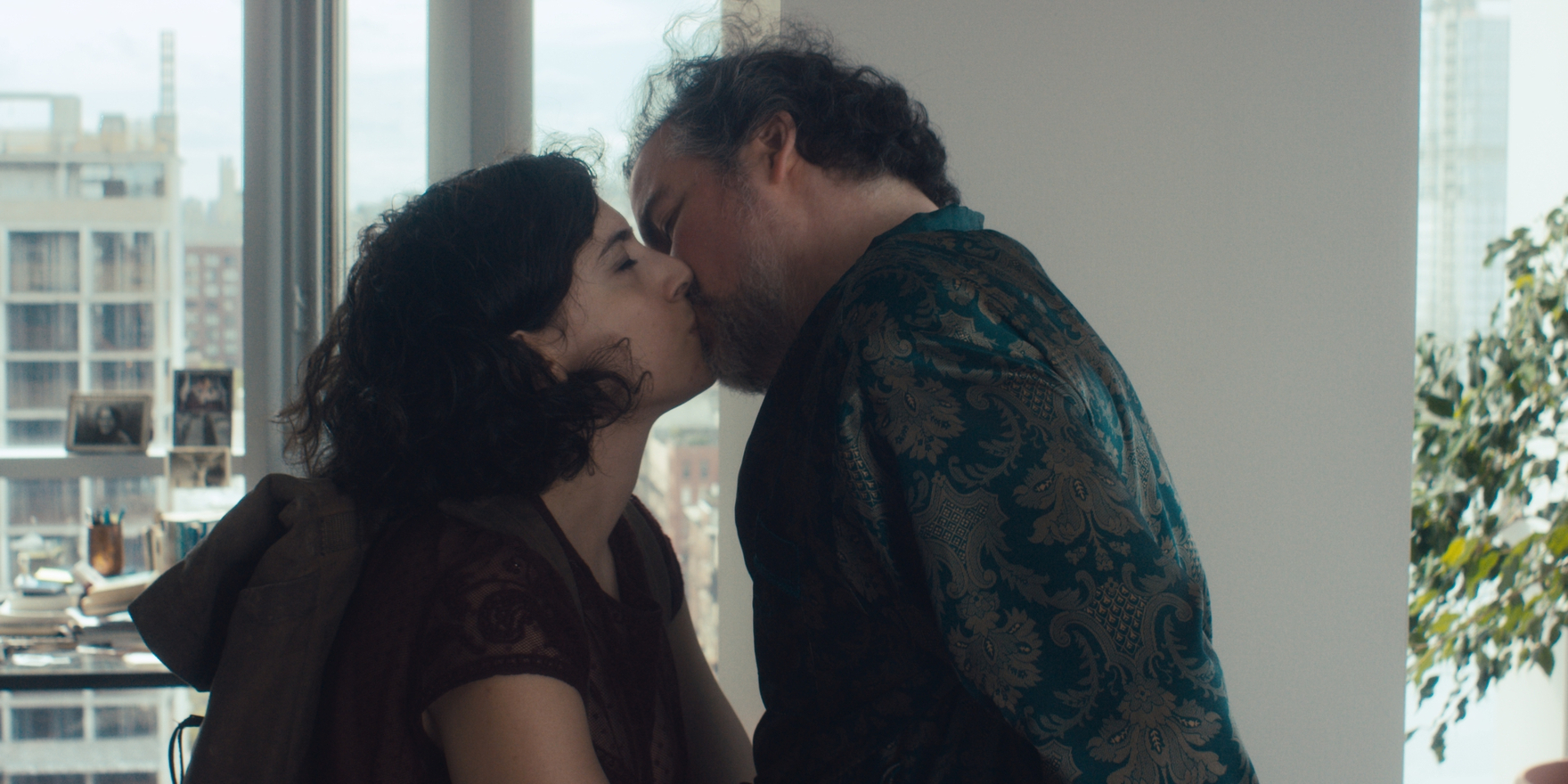
In The Poet and the Professor (a film that I wrote, directed, and starred in), I collaborated with the two-time Sundance award-winning cinematographer Charlotte Hornsby in order to visually represent that which is often so unrepresentable. You can watch what we came up with to the best of our abilities in the embedded video below.
Is it possible to have a female masturbation scene without inherently objectifying the woman in question? Something about those bathtub scenes in The Shape of Water made me cringe. Was the director getting off on the actions of this character? I've read that it was never Guillermo del Toro's intention, but what we intend as artists and what comes out is often not one and the same. … He claimed to embrace the mundanity of the act of female masturbation by lumping it into this “cute,” simple, mute woman's routine, but somehow it seems more like a creepy fetishization of her “adorable” innocence. … I feel true mundanity was more accurately depicted by Fleabag – here we see a far better example of how dull masturbation can be for women (as it is often dull for men).
What makes this all even more annoying is that most women are taught by society to be ashamed of their desires in general. In my film, the main character becomes romantically involved with her professor, and he ends up being a less-than-ideal object for her desires. But I don’t think there is something inherently wrong or shameful with professors dating their students. In fact, I encourage women to experiment with sexual relationships, even if they seem like they might be a poor idea, because bad sex is educational (or at the very least it can give you some ideas for a short film). And after all, relationships between heteros of the same age can be wonderful and fulfilling, or they can be just as mediocre and dull and codependent as those with someone plus or minus 17 years (hetero men are hetero men are hetero men). The point is women shouldn’t feel held back by a contrived sexual shame that men impose on us while never holding themselves to the same standard.
I made The Poet and the Professor because I know there are a lot of young female-identified people who feel uncomfortable or like a freak or alienated, and I want to help them feel less lonely – for having desires, for being naïve, for trying things out, for being wrong, and for pleasuring themselves in their own certain way. But the job is not done – women, POC, queer and non-binary folks need to keep making movies about sex and pleasure, and about all their messy and mundane desires, because it is this melange of perspectives that teaches us how truly nuanced and varied sexuality can be. Shame is something we can learn to live without.